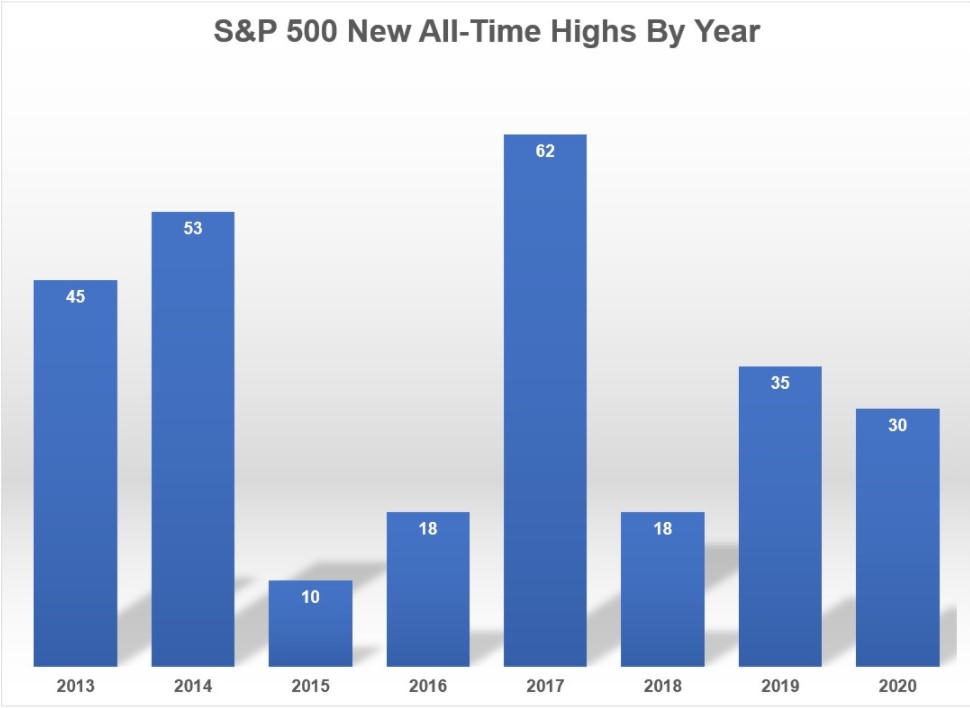
Buying stocks when the market is at an all-time high can feel like walking into a party just as someone yells, “Last call!” The music is loud, everyone looks happy, and your first thought is: Did I arrive too late? For investors, that feeling is familiar. When the S&P 500, Nasdaq, or Dow Jones Industrial Average reaches record levels, the headlines can sound exciting and terrifying at the same time. “Stocks hit new highs” is often followed by “Is a crash coming?” because apparently financial news enjoys giving investors emotional whiplash before breakfast.
The truth is more practical and less dramatic. Investing in stocks at all-time highs is not automatically reckless. It is also not automatically brilliant. A market high simply means stock prices are higher than they have ever been before. That can happen because companies are earning more money, investors expect stronger future growth, inflation has lifted nominal prices, interest rates have shifted, or a few large companies are pulling the indexes upward like over-caffeinated sled dogs.
For long-term investors, the key question is not “Is the market high?” but “Does my investment plan still make sense?” If you have a long time horizon, a diversified portfolio, and a disciplined contribution strategy, market highs may be less dangerous than they appear. If you are chasing hot stocks with rent money and vibes, the problem is not the all-time high. The problem is the plan, or more accurately, the lack of one.
What Does an All-Time High Really Mean?
An all-time high means a stock index or individual stock has reached its highest recorded price. That sounds rare, but market highs are a normal part of long-term investing. In fact, if stocks never reached new highs, long-term investors would have a much bigger problem. Wealth creation in the stock market depends on companies growing, reinvesting, innovating, and increasing their value over time.
Think of the market like a staircase, not an elevator. It climbs, pauses, slips, makes strange noises, and occasionally causes everyone inside to question their life choices. But over long periods, broad U.S. stock indexes have historically moved upward because corporate earnings, productivity, and economic growth have expanded. New highs are not glitches in the system; they are often evidence that the system is doing what long-term investors hoped it would do.
That said, not every high is healthy. Sometimes valuations become stretched, investor enthusiasm gets too frothy, or market gains become concentrated in a small group of companies. A high price can be supported by strong earnings, or it can be inflated by unrealistic expectations. The difference matters.
Why Investors Get Nervous at Record Highs
All-time highs trigger a very human fear: regret. Investors worry that if they buy now, the market will immediately drop and make them look foolish. Nobody wants to be the person who buys at the top, especially when that “top” feels like it has a blinking neon sign above it.
But fear can cut both ways. Waiting for the perfect pullback can also become expensive. The market may fall tomorrow, next month, or next year. Or it may keep rising while the cautious investor sits in cash, refreshing charts and whispering, “Any day now.” Timing the market requires two correct decisions: when to get out and when to get back in. Getting one right is hard enough. Getting both right consistently is like trying to fold a fitted sheet during a windstorm.
Historical research from major investment firms generally points to the same lesson: market highs are not reliable sell signals. Stocks have often continued to rise after reaching records. Pullbacks do happen, sometimes sharply, but the existence of a new high alone does not tell you when the next correction will arrive.
The Case for Investing Anyway
1. All-Time Highs Can Lead to More All-Time Highs
One reason investors hesitate at record levels is that “high” sounds like “expensive.” Sometimes it is. But a market can be high and still go higher. If earnings grow, inflation persists, productivity improves, or investor confidence increases, today’s record can become tomorrow’s ordinary price.
Imagine someone in 1995 refusing to invest because stocks were near record highs. That caution might have felt sensible at the time. But the market went on to produce several more years of strong gains before the dot-com bust. The lesson is not that every rally continues forever. It does not. The lesson is that a record high does not come with a built-in countdown clock.
2. Long-Term Returns Depend More on Time in the Market
For investors with decades ahead, time in the market usually matters more than perfect entry points. A 25-year-old investing for retirement has a very different problem than someone needing cash for a house down payment next spring. The longer your time horizon, the more short-term volatility becomes part of the scenery rather than the entire story.
Broad stock market investing has historically rewarded patience, but not comfort. The price of long-term return is surviving uncomfortable periods: corrections, bear markets, recessions, inflation scares, rate shocks, and headlines written as if every Tuesday is the financial apocalypse.
3. Cash Has Its Own Risk
Holding cash feels safe because the balance does not bounce around like a stock chart. But cash has inflation risk. Over time, rising prices reduce purchasing power. If your long-term money sits in cash for years because stocks “look too high,” you may avoid market volatility while quietly losing ground to inflation.
Cash is useful for emergency funds, short-term goals, and peace of mind. It is not a magic cave where wealth grows without risk. For long-term goals, investors often need assets with growth potential, and stocks have historically played that role better than cash.
The Case for Being Careful
None of this means investors should throw money into the market with both hands and a motivational playlist. All-time highs can coincide with real risks. Valuations may be elevated. Certain sectors may be crowded. A handful of mega-cap stocks may dominate index returns. Earnings expectations may become too optimistic. Interest rates may pressure valuations. Geopolitical events, inflation, and policy surprises can all interrupt a rally.
The answer is not panic. The answer is process.
Check Your Asset Allocation
Asset allocation is the mix of stocks, bonds, cash, and other assets in your portfolio. If a strong stock rally has pushed your portfolio from 70% stocks to 85% stocks, your risk level may be higher than you intended. Rebalancing can bring your portfolio back to your target without making a dramatic market prediction.
For example, an investor who wants a 70/30 stock-bond mix might sell a small portion of stocks after a big rally and buy bonds. That is not “calling the top.” It is maintaining discipline. Boring? Yes. Useful? Also yes. Many good investment habits are boring, which is unfair but true.
Avoid Concentration Risk
At market highs, investors often become attracted to the stocks that have already gone up the most. This is how portfolios accidentally become a shrine to last year’s winners. A diversified portfolio can reduce the risk of depending too heavily on one company, one sector, or one theme.
Artificial intelligence, technology, energy infrastructure, healthcare innovation, and industrial automation may all create opportunities. But even great themes can become overpriced if everyone crowds into the same trade. A good story is not the same thing as a good price.
Separate Investing from Speculating
Investing is buying assets because they fit a long-term plan. Speculating is buying because a chart went vertical and someone on the internet used rocket emojis. There is nothing wrong with taking measured risks, but investors should know which game they are playing.
If you are buying a diversified index fund every month for retirement, an all-time high is just one of many prices you will pay over time. If you are putting a large amount into a single hot stock after a giant run-up, the risk is much more specific. Same market. Very different behavior.
Lump Sum vs. Dollar-Cost Averaging at Market Highs
One of the biggest questions investors ask at all-time highs is whether to invest all at once or gradually. Both approaches can be reasonable depending on your personality, financial situation, and time horizon.
Lump-Sum Investing
Lump-sum investing means putting available money into the market immediately. Historically, this often works well because markets tend to rise over time. The advantage is that your money gets exposure sooner. The disadvantage is emotional: if the market drops right after you invest, you may feel like the universe personally insulted you.
Lump-sum investing can make sense for investors with a long time horizon, a strong emergency fund, and the ability to tolerate short-term losses. It is not ideal for someone who will panic-sell after a 7% dip and then swear off investing until the next record high, which is how the cycle of sadness gets built.
Dollar-Cost Averaging
Dollar-cost averaging means investing a fixed amount at regular intervals, such as monthly or biweekly. This approach reduces the pressure of choosing the perfect entry date. You buy at high prices, low prices, and prices that make no emotional sense whatsoever.
Dollar-cost averaging may not always maximize returns compared with investing immediately, but it can improve investor behavior. That matters. The mathematically optimal strategy is useless if you abandon it the first time the market sneezes.
A Practical Strategy for Investing at All-Time Highs
Instead of asking, “Should I invest at the top?” ask, “How can I invest in a way I can actually stick with?” Here is a practical framework.
Step 1: Define the Goal
Money needed in the next one to three years generally should not be heavily exposed to stocks. A vacation fund, tuition payment, or home down payment has a short time horizon. Retirement money for 20 or 30 years from now is different. The goal determines the risk level.
Step 2: Build an Emergency Fund First
Investing without emergency savings can force you to sell stocks at the worst possible time. Before investing aggressively, many households benefit from having cash reserves for unexpected expenses. Your portfolio should not have to pay for every flat tire, medical bill, or surprise laptop death.
Step 3: Use Diversified Funds
For many investors, broad index funds or diversified ETFs are simpler and safer than trying to pick individual winners. A total U.S. stock market fund, S&P 500 fund, international stock fund, or balanced fund can spread risk across many companies. Diversification will not prevent losses, but it can reduce the damage caused by one bad stock or sector.
Step 4: Rebalance on a Schedule
Rebalancing once or twice a year can help investors avoid emotional decisions. When stocks surge, rebalancing trims risk. When stocks fall, rebalancing may require buying at lower prices. It is a quiet system that does not need dramatic predictions.
Step 5: Automate Contributions
Automation turns investing into a habit instead of a monthly debate. This is especially useful at market highs because it removes the temptation to wait for the “perfect” moment. Spoiler alert: the perfect moment is usually visible only in hindsight, wearing sunglasses and laughing at everyone.
Common Mistakes to Avoid
Waiting Forever for a Crash
Waiting for a correction sounds smart until the market rises 15%, then drops 8%, leaving prices still higher than when you first decided to wait. Pullbacks are normal, but they do not arrive on your schedule.
Going All In on Recent Winners
Performance chasing is one of the oldest investing mistakes. A stock or sector that has done well may continue doing well, but past performance alone is not a plan. Investors should consider valuation, earnings quality, balance sheets, competition, and position size.
Ignoring Taxes and Fees
High turnover can create tax bills. Expensive funds can quietly reduce returns. A smart investing strategy should pay attention not only to what you buy, but also to what it costs to own.
Confusing News with Strategy
News explains what just happened. A strategy guides what you do next. These are not the same. If every headline changes your portfolio, you do not have an investment plan. You have a financial weather vane.
Examples: Three Investors at Market Highs
The Young Retirement Investor
Maya is 28 and contributes to her retirement account every paycheck. The market hits an all-time high. She keeps contributing because her time horizon is long, her portfolio is diversified, and she is buying regularly. A correction would not be fun, but it could allow her future contributions to buy shares at lower prices.
The Near-Retiree
David is 62 and plans to retire in three years. A market high is a good time for him to review risk. If stocks have grown too large in his portfolio, he may rebalance into bonds or cash reserves. He does not need to abandon stocks, but he should avoid depending on a bull market to pay next year’s bills.
The Lump-Sum Investor
Leah receives a bonus and wants to invest it. She worries about buying at a record high. She decides to invest half immediately and spread the rest over six months. This may not be mathematically perfect, but it gives her a plan she can follow without checking the market every 11 minutes like it owes her money.
Experience-Based Notes: What Investing at Highs Feels Like in Real Life
Investing at all-time highs is not just a spreadsheet decision. It is an emotional experience. On paper, long-term investing sounds simple: buy diversified assets, hold them, rebalance, and let compounding work. In real life, your brain adds commentary. It says things like, “What if tomorrow is 2008?” or “What if everyone else knows something I don’t?” Your brain may be trying to protect you, but it is not always a great portfolio manager.
One useful experience is to look back at old market highs and imagine how they felt at the time. Many past records looked scary when they happened. Investors worried about recessions, elections, inflation, wars, debt, bubbles, and technology disruptions. Some of those worries were valid. Some caused temporary declines. Yet broad markets often recovered and eventually moved beyond those levels. This does not mean the future will copy the past, but it shows how normal anxiety is at moments that later look obvious.
Another lesson is that regret is unavoidable if you invest long enough. If you invest today and the market drops, you may regret not waiting. If you wait and the market rises, you may regret not investing. Since regret cannot be eliminated, the goal is to choose the regret you can live with. Some investors prefer lump-sum investing because they dislike idle cash. Others prefer dollar-cost averaging because it helps them sleep. A strategy you can stick with is often better than a theoretically perfect strategy you abandon.
It also helps to write down your rules before the market tests you. For example: “I will invest monthly, maintain a 75/25 allocation, rebalance twice a year, and keep six months of expenses in cash.” That simple note can become surprisingly powerful during volatility. When prices fall, you do not need to invent a new plan while stressed. You follow the plan you made when your pulse was normal.
Investors also learn that market highs and personal milestones do not always line up conveniently. You might receive a bonus, inheritance, or business profit during a record market. The question becomes: “What now?” A practical answer may be to divide the money by purpose. Emergency savings stays in cash. Short-term goals go into safer assets. Long-term money goes into a diversified portfolio, either immediately or gradually. This turns one big scary decision into several smaller, clearer decisions.
Finally, experience teaches humility. Nobody knows exactly what the market will do next. Analysts can estimate, strategists can model, and commentators can speak confidently into very expensive microphones, but the future remains stubbornly unscheduled. The best investors are not those who predict every turn. They are often the ones who build resilient plans, avoid catastrophic mistakes, and keep going when the market becomes uncomfortable.
Conclusion
Investing in stocks at all-time highs can feel risky, but a record high by itself is not a reason to avoid the market. For long-term investors, highs are a normal part of wealth creation. The better response is to focus on time horizon, diversification, asset allocation, cash needs, and emotional discipline.
If your goal is decades away, continuing to invest through highs and lows may be sensible. If your goal is near, reducing risk may be wise. If you are nervous, dollar-cost averaging can help you move forward without betting everything on one date. The market does not reward panic, and it rarely gives perfect invitations. Sometimes the best investing move is not dramatic at all: build a plan, automate it, rebalance occasionally, and let time do the heavy lifting.
All-time highs may look like mountaintops, but in a growing market, many mountaintops eventually become foothills. Just make sure you are climbing with the right shoes, the right map, and enough snacks.