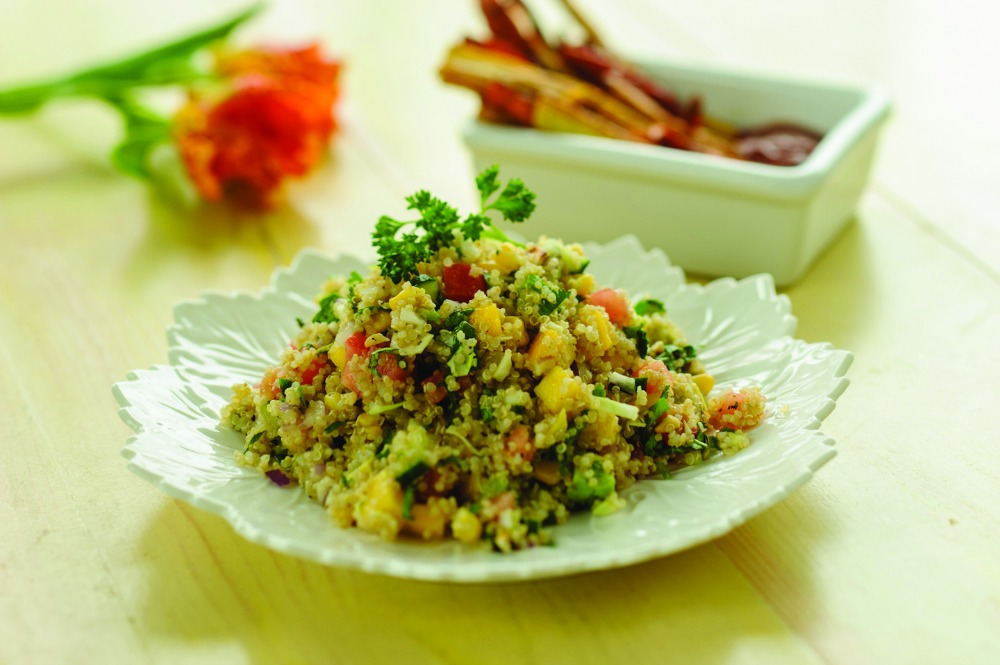
Some salads politely sit beside the main course. This tropical quinoa salad arrives wearing sunglasses, carrying a lime, and expecting to be invited to every picnic. It combines fluffy quinoa, juicy mango, sweet pineapple, creamy avocado, black beans, crisp vegetables, and a bright citrus dressing in one colorful bowl.
The result is fresh enough for summer, substantial enough for lunch, and flexible enough to rescue whatever produce is waiting in your refrigerator. It is naturally vegan, easy to make gluten-free, and excellent for meal prep. Better still, the recipe delivers contrasting flavors and textures without demanding restaurant-level knife skills or a plane ticket to the tropics.
Why This Tropical Quinoa Salad Works
A memorable salad needs more than a pile of worthy ingredients. It needs balance. Mango and pineapple provide sweetness, lime contributes acidity, jalapeño supplies gentle heat, and avocado adds creamy richness. Cucumber and bell pepper keep every bite crisp, while toasted coconut or pumpkin seeds prevent the texture from becoming too soft.
Quinoa serves as the quiet organizer. Its mild, slightly nutty flavor absorbs the citrus dressing while remaining distinct from the fruit and vegetables. Although quinoa is botanically a seed, it is commonly prepared and categorized as a whole grain. According to the Harvard T.H. Chan School of Public Health, one cup of cooked quinoa provides approximately 8 grams of protein and 5 grams of fiber.
Black beans make the salad more satisfying, especially when it is served as a meatless main dish. They also contribute earthy flavor that keeps the fruit from pushing the recipe into fruit-salad territory. This is lunch, not dessert wearing a fake mustache.
The Flavor Formula
- Sweet: Ripe mango, pineapple, and a small amount of maple syrup or honey
- Acidic: Fresh lime and orange juice
- Rich: Avocado and extra-virgin olive oil
- Savory: Quinoa, black beans, red onion, cumin, and salt
- Fresh: Cilantro, cucumber, and bell pepper
- Crunchy: Toasted coconut, pumpkin seeds, cashews, or sliced almonds
Easy Tropical Quinoa Salad Recipe
This recipe makes approximately six side-dish servings or four generous lunch portions. Allow about 20 minutes for preparation, 15 minutes for cooking, and at least 20 minutes for cooling.
Ingredients for the Salad
- 1 cup dry quinoa, rinsed thoroughly
- 1 3/4 cups water or low-sodium vegetable broth
- 1/4 teaspoon salt
- 1 large ripe mango, peeled and diced
- 1 cup fresh pineapple, cut into small chunks
- 1 medium red bell pepper, diced
- 1 cup diced cucumber
- 1 15-ounce can black beans, drained and rinsed
- 1/3 cup finely chopped red onion
- 1 small jalapeño, seeded and minced, optional
- 1/2 cup chopped fresh cilantro
- 1 medium avocado, diced
- 1/3 cup toasted unsweetened coconut flakes or pumpkin seeds
Ingredients for the Citrus-Lime Dressing
- 1/4 cup fresh lime juice
- 2 tablespoons fresh orange juice
- 3 tablespoons extra-virgin olive oil
- 1 tablespoon maple syrup or honey
- 1 teaspoon freshly grated ginger
- 1/2 teaspoon ground cumin
- 1/2 teaspoon kosher salt, plus more as needed
- 1/4 teaspoon freshly ground black pepper
- Pinch of cayenne pepper or chili powder, optional
How to Make Tropical Quinoa Salad
- Rinse the quinoa. Place it in a fine-mesh strainer and rinse under cool running water for 30 to 60 seconds. Quinoa naturally has a coating of compounds called saponins, which can create a bitter or soapy flavor if they are not removed during processing or rinsing.
- Cook the quinoa. Combine the rinsed quinoa, water or broth, and salt in a medium saucepan. Bring the liquid to a boil, cover the pan, and reduce the heat to low. Simmer for approximately 15 minutes, or until the liquid has been absorbed.
- Let it rest. Remove the covered pan from the heat and leave it undisturbed for 10 minutes. Fluff the quinoa gently with a fork. This resting period helps separate the grains and prevents a wet, clumpy salad.
- Cool completely. Spread the cooked quinoa across a large baking sheet or shallow dish. Let it cool to room temperature before adding the fruit and vegetables. Hot quinoa can soften the cucumber, wilt the cilantro, and turn avocado into an accidental dressing.
- Prepare the dressing. Whisk the lime juice, orange juice, olive oil, maple syrup, ginger, cumin, salt, black pepper, and optional cayenne in a small bowl. Taste it before using. It should seem slightly assertive on its own because the quinoa will soften the flavors.
- Build the salad. In a large bowl, combine the cooled quinoa, mango, pineapple, bell pepper, cucumber, black beans, red onion, jalapeño, and cilantro.
- Dress and finish. Pour about three-quarters of the dressing over the salad and toss gently. Fold in the avocado last, then add more dressing as needed. Sprinkle with toasted coconut or pumpkin seeds immediately before serving.
- Rest briefly. For the best flavor, let the salad sit for 10 to 15 minutes before serving. This gives the quinoa time to absorb the citrus, ginger, and spices without sacrificing the vegetables’ crunch.
How to Choose the Best Ingredients
Start With a Ripe but Firm Mango
A ripe mango should feel heavy for its size and yield slightly when gently pressed. Avoid fruit that is extremely soft or leaking juice. Very ripe mango tastes wonderful but may collapse when tossed, leaving the salad sweeter and less defined. If your mango is hard, let it ripen at room temperature for a few days.
Fresh Pineapple Versus Canned Pineapple
Fresh pineapple offers the brightest acidity and firmest texture. Canned pineapple can still work when tropical fruit is out of season. Choose pineapple packed in juice rather than heavy syrup, drain it thoroughly, and pat it dry so excess liquid does not dilute the dressing.
White, Red, or Tricolor Quinoa
White quinoa becomes soft and fluffy, making it especially good at absorbing dressing. Red and black quinoa tend to remain slightly firmer after cooking. Tricolor quinoa offers attractive contrast and a pleasantly varied texture, making it an excellent choice for a salad destined for a party table.
Tips for a Better Mango Quinoa Salad
Keep Excess Water Out of the Bowl
After rinsing the quinoa, let it drain well. Dry the rinsed beans, pineapple, cucumber, and herbs before combining them. A small amount of surface moisture may seem harmless, but several wet ingredients can turn a punchy lime vinaigrette into flavored puddle water.
Cut Ingredients to a Similar Size
Dice the mango, pineapple, cucumber, and bell pepper into pieces small enough to share a fork with the quinoa. Uniform pieces distribute the flavors evenly and make the salad easier to eat. The goal is to capture fruit, vegetables, herbs, and quinoa in the same bite.
Season in Layers
Salt the cooking liquid, season the dressing, and taste the completed salad before serving. Cold foods often need slightly more seasoning than warm dishes. If the salad tastes flat, add lime juice or salt first. If it tastes sharp, a teaspoon of maple syrup or an extra spoonful of avocado can restore balance.
Add Delicate Ingredients Last
Avocado, herbs, and crunchy toppings are the salad’s high-maintenance celebrities. Add them shortly before serving. For meal prep, divide the quinoa mixture into containers and pack these ingredients separately.
Healthy Variations and Substitutions
Make It a Higher-Protein Main Dish
Add grilled shrimp, lime-marinated chicken, baked tofu, or shelled edamame. For a plant-based meal, increase the black beans to two cups or add chickpeas. Cashews and pumpkin seeds also contribute protein while bringing welcome crunch.
Adjust the Tropical Fruit
Replace some or all of the mango and pineapple with papaya, peaches, nectarines, mandarin orange segments, or watermelon. Use two fruits rather than an entire produce parade; too many juicy additions can overwhelm the quinoa and water down the vinaigrette.
Try a Creamier Dressing
Blend half a ripe mango with lime juice, olive oil, ginger, salt, and a splash of water. The resulting mango-lime dressing clings beautifully to the quinoa. For extra creaminess, add avocado or plain Greek yogurt, although yogurt means the recipe will no longer be vegan.
Change the Heat Level
For a mild family-friendly salad, omit the jalapeño and cayenne. For medium heat, keep the jalapeño seeds or use a serrano pepper. A dash of chile-lime seasoning also works well, but check its sodium content before adding more salt.
Keep It Gluten-Free
Quinoa is naturally gluten-free. People with celiac disease or significant gluten sensitivity should still check package labels for certified gluten-free processing and verify that seasonings, broth, and toppings have not been exposed to cross-contact.
What to Serve With Tropical Quinoa Salad
This healthy summer salad is substantial enough for lunch but equally comfortable beside grilled food. Serve it with jerk-spiced chicken, grilled salmon, shrimp skewers, fish tacos, black bean burgers, or smoky grilled vegetables. Its sweet-and-acidic profile is particularly useful alongside spicy or richly seasoned dishes.
For a casual cookout, pair it with corn on the cob and grilled chicken. For a vegetarian dinner, serve it with roasted sweet potatoes or tofu. It can also be spooned into lettuce cups, wrapped inside a tortilla, or placed over mixed greens with an extra squeeze of lime.
When entertaining, serve the salad in a wide, shallow bowl rather than a deep container. More of the mango, avocado, herbs, and colorful vegetables remain visible, which is helpful because people enthusiastically eat with their eyes before locating the serving spoon.
Meal Prep, Storage, and Food Safety
The quinoa, dressing, beans, and firm vegetables can be prepared one or two days ahead. Store the mango, avocado, cilantro, and crunchy toppings separately for the freshest texture. Add them shortly before eating.
Once assembled, keep tropical quinoa salad in a covered container in the refrigerator. It is generally best within three days, although the avocado may darken and the fruit will gradually release moisture. A splash of lime juice can refresh the flavor after refrigeration.
Follow the FoodSafety.gov guidance and refrigerate perishable food within two hours. If the salad is outdoors in temperatures above 90°F, chill it within one hour. For picnics, carry it in an insulated cooler with ice packs and place the serving bowl over a larger bowl of ice.
Freezing the assembled salad is not recommended. Cooked quinoa freezes well by itself, but cucumber, pineapple, herbs, and avocado lose their appealing texture after thawing.
Nutrition Benefits
This tropical quinoa salad brings together plant protein, complex carbohydrates, fiber, and unsaturated fats. Quinoa contains all nine essential amino acids, while black beans add additional protein and fiber. Mango, pineapple, bell pepper, and lime contribute vitamin C and a range of plant compounds. Avocado and olive oil supply satisfying fats that help carry flavor through the dish.
Using the quantities listed above, one of six servings contains roughly 360 to 390 calories, 10 to 12 grams of protein, and approximately 8 to 10 grams of fiber. Actual values vary according to fruit size, toppings, dressing quantity, and serving size. The salad is nutritious, but it is still allowed to taste like something you chose willingly.
Frequently Asked Questions
Can I Use Precooked Quinoa?
Yes. You will need approximately three cups of cooled, cooked quinoa. Refrigerated or frozen quinoa can significantly reduce preparation time. Thaw frozen quinoa completely and drain any excess moisture before assembling the salad.
Why Did My Quinoa Turn Out Mushy?
Mushy quinoa usually results from too much water, excessive cooking, or skipping the resting period. Measure the liquid carefully and cook at a gentle simmer. Spreading the finished quinoa on a baking sheet helps release steam and cool it quickly.
Can I Make the Salad Without Cilantro?
Absolutely. Replace cilantro with mint, flat-leaf parsley, or a combination of both. Fresh basil can also work, particularly when the salad includes peaches or strawberries.
Can I Make It Ahead for a Party?
Prepare the quinoa mixture and dressing one day ahead, but store them separately. Add the dressing a few hours before serving, then fold in the avocado, herbs, and toasted toppings at the last moment.
Conclusion
Tropical quinoa salad proves that practical food does not have to look or taste predictable. With a reliable quinoa base, colorful produce, a bright lime dressing, and plenty of room for substitutions, it works as a healthy lunch, cookout side dish, or make-ahead dinner.
The recipe’s real strength is balance. Sweet fruit meets savory beans, creamy avocado meets crisp cucumber, and nutty quinoa catches every drop of citrus dressing. Follow the basic formula, taste as you go, and treat the ingredient list as a friendly map rather than a legally binding contract.
Real-World Experiences With Tropical Quinoa Salad
The experience of making this salad often begins with skepticism. Quinoa, mango, beans, and avocado may appear to be four people assigned to the same group project without consulting one another. The uncertainty disappears after the first properly balanced bite. Lime connects the fruit to the savory ingredients, cumin gives the beans context, and cilantro pulls the entire bowl in a fresh direction. The salad does not taste sweet in the way a fruit salad does. Instead, the fruit behaves more like a juicy counterpoint to the earthy quinoa and beans.
The most noticeable difference between an average batch and an excellent one is usually the quinoa. When warm, damp quinoa goes directly into the mixing bowl, it softens the vegetables and absorbs the dressing unevenly. Cooling it in a thin layer changes the experience completely. The grains remain light, the cucumber keeps its snap, and the mango retains clean edges. It may feel like an unnecessary pause when everyone is hungry, but that short cooling period does more for the finished salad than an expensive specialty ingredient.
Serving the recipe at a cookout reveals another useful lesson: people are attracted to the color before they know what is in it. Mango, red bell pepper, avocado, black beans, and herbs make a dramatic bowl with very little decorative effort. Guests who normally approach quinoa with the enthusiasm of someone reading software terms and conditions often try it because it looks inviting. Keeping extra lime wedges and toasted seeds nearby lets each person adjust the salad without altering the whole batch.
Meal-prep experience highlights different priorities. On the first day, avocado is creamy, cilantro is fragrant, and cucumber is sharply crisp. By the second or third day, the flavors become more integrated, but the delicate ingredients begin to fade. Separating them solves most problems. Pack quinoa, beans, firm vegetables, and fruit in the main container; carry the dressing, avocado, herbs, and crunchy topping in smaller containers. It creates an extra minute of assembly at lunchtime, but the reward is a salad that tastes freshly made instead of emotionally exhausted.
Seasonal variation is part of the fun. Peak-summer mango and pineapple may need very little sweetener, while less-ripe fruit benefits from a touch more maple syrup. A watery cucumber calls for extra draining, and an especially juicy pineapple may require less orange juice in the dressing. These small adjustments are more valuable than rigidly following a measurement. Taste the fruit first, then let its sweetness and acidity guide the vinaigrette.
Perhaps the best experience comes from discovering how easily the leftovers can become another meal. Spoon the salad over spinach, tuck it into lettuce cups, add grilled shrimp, or roll it into a tortilla with crunchy cabbage. Even a smaller remaining portion can become a bright salsa-like topping for fish or black bean tacos. A recipe that survives lunch, a picnic, and a next-day reinvention has earned its refrigerator space. This tropical quinoa salad does all three while bringing enough color to make an ordinary weekday feel slightly more like vacation.
Note: Nutrition values are estimates and will vary by ingredient brand and serving size. For food allergies or medically required diets, verify every packaged ingredient and consider professional dietary guidance.