Brown sugar is one of those pantry ingredients that acts sweet in public and dramatic in private. One day it is soft, scoopable, and ready for cookies. A week later, it has transformed into a brick with the emotional range of a paving stone. If you have ever tried to chip brown sugar out of a bag with a butter knife while your oven was already preheating, welcome. You are among friends.
The good news is simple: hard brown sugar is usually not ruined. It is just dry. Brown sugar stays soft because of moisture from molasses, and it turns hard when that moisture escapes. The better news? You can prevent the problem almost entirely with the right storage method, and you can revive hardened brown sugar using safe, easy tricks that do not involve power tools, panic, or pretending the recipe said “brown sugar gravel.”
This guide explains how to keep brown sugar soft and fluffy long-term, how to store it correctly, what to do when it hardens, and which popular hacks actually make sense in a real kitchen.
Why Brown Sugar Gets Hard in the First Place
Brown sugar is made from sugar crystals coated with molasses. That molasses gives brown sugar its warm caramel flavor, soft texture, and ability to make cookies chewy instead of sad. But molasses contains moisture, and when brown sugar is exposed to air, that moisture slowly evaporates.
Once the moisture leaves, the sugar crystals cling together tightly. That is how a fluffy scoop becomes a solid lump. It is not mysterious. It is not a kitchen curse. It is just evaporation doing what evaporation does best: ruining your baking plans with excellent timing.
Light Brown Sugar vs. Dark Brown Sugar
Light brown sugar and dark brown sugar both harden for the same reason, but dark brown sugar contains more molasses. That means it has deeper flavor and more moisture, but it can also become sticky, clumpy, or hardened if stored poorly. Both types need an airtight environment to stay soft.
The Best Way to Keep Brown Sugar Soft Long-Term
The most reliable way to keep brown sugar soft is to store it in an airtight container as soon as you open the package. The original bag is convenient, but once opened, it rarely seals tightly enough for long-term freshness. Folding the top over and hoping for the best is not a storage strategy; it is a tiny pantry gamble.
For the best results, move brown sugar into a container with a tight seal. Glass jars with gasket lids, locking plastic containers, and heavy-duty resealable freezer bags all work well. The goal is to reduce air exposure and keep the sugar’s natural moisture where it belongs: inside the sugar, not floating off into your pantry like a tiny dessert ghost.
Best Containers for Brown Sugar Storage
Choose a container that closes firmly and leaves as little extra air space as possible. A huge container with a tiny amount of sugar at the bottom is better than an open bag, but not ideal. If you buy brown sugar in small amounts, use a small jar. If you bake often and buy in bulk, divide the sugar into smaller airtight containers or freezer bags.
Good options include:
- Glass jars with rubber gasket lids
- Plastic food-storage containers with locking sides
- Brown sugar keepers with built-in terra-cotta inserts
- Heavy-duty resealable freezer bags with excess air pressed out
- A resealable bag placed inside a second airtight container for extra protection
If you live in a dry climate, the double-storage method is especially helpful. Put the brown sugar in a sealed bag, squeeze out the air, then place that bag inside a container with a tight lid. It may sound like you are tucking your sugar into bed, but honestly, that is the level of care brown sugar demands.
Use a Terra-Cotta Brown Sugar Saver
A terra-cotta brown sugar saver is one of the best tools for long-term softness. It is usually a small clay disk, bear, leaf, or other cute kitchen object that you soak in water, pat dry, and place in the brown sugar container. The terra-cotta slowly releases moisture, helping the sugar stay soft without making it wet.
To use one, soak it in clean water for about 10 to 20 minutes, dry the surface with a towel, and place it inside the airtight container with the sugar. Re-soak it whenever the sugar starts to feel dry again, usually every few months depending on your climate and how often you open the container.
Important Terra-Cotta Tip
Do not put a dripping-wet terra-cotta disk directly into the sugar. The goal is gentle moisture, not a brown sugar swamp. Pat it dry first. If the sugar becomes overly wet, remove the disk and leave the container open briefly until the texture balances out.
The Bread Trick: Classic, Cheap, and Surprisingly Effective
One of the oldest brown sugar softening tricks is also one of the easiest: add a slice of bread to the container. Brown sugar pulls moisture from the bread, becoming softer over several hours or overnight.
Use a small piece of fresh bread, seal it with the sugar, and check the texture after 8 to 24 hours. Once the sugar softens, remove the bread. This is important because bread can eventually dry out, crumble, or grow mold if forgotten. Brown sugar likes moisture. It does not need a long-term roommate.
Does the Bread Affect Flavor?
Plain white or wheat bread usually does not affect the flavor much, especially if used briefly. Avoid strongly flavored bread, seeded bread, garlic bread, or anything that smells like it belongs next to pasta. Unless you want chocolate chip cookies with a whisper of garlic toast, keep it neutral.
Can Marshmallows Keep Brown Sugar Soft?
Yes, marshmallows can help keep brown sugar soft. They contain moisture and release it slowly, making them a useful low-effort option. Add a few regular marshmallows to the container, seal it tightly, and let them sit with the sugar.
This method works best as a maintenance trick for sugar that is only slightly dry, not as the fastest rescue mission for a full brown sugar boulder. If the marshmallows become hard, replace them. Their job is moisture control, not pantry archaeology.
Apple Slices Work, But Use Them Carefully
An apple slice can soften brown sugar quickly because it releases moisture into the container. Place one or two small apple slices in the container, seal it, and check after several hours. Remove the apple once the sugar softens.
The apple method is effective, but it requires attention. Apples are fresh produce, which means they can mold if left too long. They may also add a faint fruity aroma. That is not always bad, but it may not be what you want in barbecue rub, baked beans, or gingerbread.
Should You Store Brown Sugar in the Refrigerator?
No, the refrigerator is usually not the best place for brown sugar. Refrigerators can create uneven humidity and introduce odors from other foods. Brown sugar is excellent at picking up smells, and nobody wants sugar that tastes faintly like last night’s leftovers.
Store brown sugar at room temperature in a cool pantry or cabinet away from heat, sunlight, and strong odors. Avoid placing it near the stove, dishwasher, sunny window, or any area where temperature changes are common.
Can You Freeze Brown Sugar for Long-Term Storage?
Yes, freezing brown sugar is a smart option if you buy in bulk or bake only occasionally. Place the sugar in a freezer-safe resealable bag or airtight container, remove as much air as possible, and freeze it. For extra protection, double-bag it or place the bag inside a rigid container.
When you need it, let the brown sugar thaw at room temperature before opening the container. This helps prevent condensation from forming directly on the sugar. Once thawed, fluff it with a fork and store any remaining sugar in an airtight container.
Freezing Works Best for Bulk Storage
If you bought a giant bag of brown sugar because it was on sale and your inner baker got ambitious, divide it into smaller portions before freezing. That way, you only thaw what you need. Future you will be grateful, especially when December cookie season arrives with zero warning.
How to Soften Hard Brown Sugar Fast
If your brown sugar is already hard, do not throw it away unless it smells bad, shows mold, contains insects, or has been contaminated. In most cases, hardened brown sugar can be revived.
Microwave Method
Place the hard brown sugar in a microwave-safe bowl. Cover it with a damp paper towel, then microwave in short bursts of 10 to 20 seconds. Check and break it up with a fork between intervals. Stop as soon as it softens.
This method is fast, but the sugar can harden again as it cools, so measure what you need right away. Also, do not overheat it. You want soft sugar, not molten caramel chaos.
Oven Method
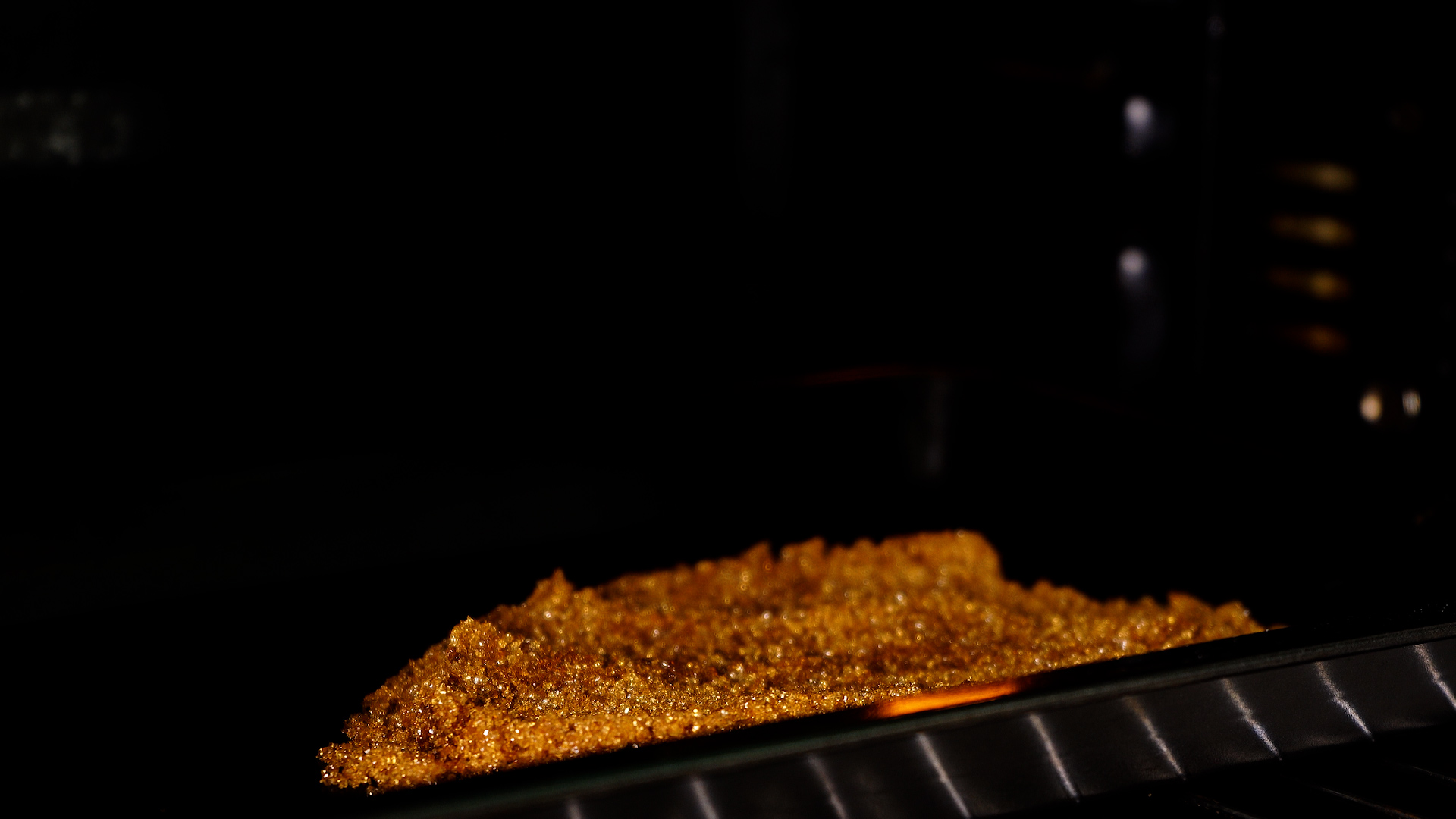
Preheat the oven to 250 degrees Fahrenheit. Place the hardened brown sugar in an oven-safe dish or on a parchment-lined baking sheet. Warm it briefly, checking every few minutes and breaking it apart as it softens.
Use caution because heated sugar can become very hot. Like the microwave method, oven-softened sugar may firm up again after cooling, so use it promptly.
Overnight Method
For a gentler fix, place the hardened sugar in an airtight container with a slice of bread, a few marshmallows, a damp paper towel placed above the sugar without touching too much, or a soaked terra-cotta disk. Seal the container and wait overnight. This method takes longer but often restores a more natural texture.
How to Keep Brown Sugar Fluffy After Opening
Once opened, brown sugar needs a little routine care. Think of it like a houseplant, except sweeter and less likely to judge your watering schedule.
After each use, press out excess air if the sugar is in a bag. Close the container tightly. Keep the rim clean so the lid seals properly. If sugar crystals collect around the edge, wipe them away before closing the container. A poor seal is the fastest route back to sugar-brick territory.
Fluff Before Storing
If the sugar is slightly packed down, fluff it with a fork before sealing. This helps prevent compacted areas from becoming hard lumps. Do not pack brown sugar tightly into the storage container unless you enjoy excavating later.
Common Brown Sugar Storage Mistakes
Even careful home cooks make brown sugar mistakes. The most common one is leaving the sugar in its original paper or plastic bag after opening. Another is storing it near heat. Heat speeds moisture loss, and moisture loss is the whole villain of this story.
Another mistake is using too much water to revive sugar. A little moisture helps; too much turns brown sugar into syrupy clumps. If you use a damp towel, terra-cotta disk, apple, or bread, check the sugar regularly. Moisture should be controlled, not chaotic.
Do Not Ignore Signs of Spoilage
Brown sugar has a long shelf life when stored correctly, but it is not immune to contamination. Throw it away if you notice mold, insects, strange odors, or wet clumps that look suspicious rather than simply moist. Hardened sugar is usually fixable. Moldy sugar is not a personality quirk; it is trash.
Best Long-Term Brown Sugar Storage Plan
For the longest-lasting soft brown sugar, use this simple system:
- Transfer opened brown sugar to an airtight container.
- Add a terra-cotta sugar saver if your kitchen is dry.
- Keep the container in a cool pantry away from heat and sunlight.
- For bulk sugar, freeze extra portions in airtight freezer bags.
- Check the texture every month or so if you do not bake often.
- Refresh the terra-cotta disk when needed.
- Use bread, marshmallows, or apple only as short-term moisture fixes.
This approach works because it solves the real problem: air exposure. Hacks are helpful, but an airtight container is the foundation. Without that, you are basically adding bread to a leaky boat.
Can You Make Brown Sugar Soft Again Permanently?
You can restore brown sugar’s softness, but “permanently” depends on how you store it afterward. Microwave and oven methods soften sugar quickly, but the effect may be temporary because they do not always restore and hold moisture evenly. Overnight methods using bread or terra-cotta tend to create a better texture, but the sugar still needs airtight storage afterward.
The best long-term solution is prevention. Once your brown sugar is soft again, move it immediately into a proper sealed container. Add a moisture helper if needed. Treat the cause, not just the crunchy little symptoms.
Practical Examples: Which Method Should You Use?
If You Need Brown Sugar in 2 Minutes
Use the microwave method. Cover the sugar with a damp paper towel and heat in short bursts. Use it immediately.
If You Need Brown Sugar Later Today
Use a slice of bread or apple in an airtight container. Check after a few hours. Remove the bread or apple once the sugar softens.
If You Want Brown Sugar Soft for Months
Use an airtight container with a terra-cotta sugar saver. Store it in a cool pantry and refresh the terra-cotta when it dries out.
If You Bought Too Much Brown Sugar
Divide it into smaller portions and freeze the extra. Thaw only what you need.
Extra Experience: Real-Life Lessons From the Brown Sugar Battlefield
Keeping brown sugar soft sounds like one of those tiny kitchen tasks that should not require strategy. Then you bake one batch of cookies after a long week, open the pantry, and discover your brown sugar has become a geological formation. Suddenly, storage feels personal.
In everyday cooking, the biggest lesson is that brown sugar punishes casual storage. A half-open bag clipped with a clothespin might work for a few days, but it rarely works for weeks. The first time you transfer brown sugar into a truly airtight jar, the difference is obvious. It stays scoopable longer, smells fresher, and does not form those stubborn dry corners that make measuring annoying.
Another useful experience is learning that not every softening trick fits every situation. The microwave is perfect when you are actively baking and need sugar right now. It is not the best method when you want fluffy sugar next week. Microwave-softened sugar often behaves like it has been given a temporary pep talk. It perks up, performs briefly, then may harden again once it cools. That is fine if the dough is waiting. It is less helpful for storage.
The bread method is wonderfully practical, especially because most kitchens already have bread. A small piece can rescue sugar overnight with almost no effort. But it is also easy to forget. Anyone who has ever found a fossilized bread heel in a sugar jar understands the importance of setting a reminder. Bread is a helper, not a permanent pantry decoration.
Apple slices work quickly, but they are best used with discipline. They release moisture fast, which is useful for very dry sugar, but they also bring fresh-fruit risks. If the apple stays too long, it can make the sugar too damp or introduce off smells. Use apple slices when you can check the container within a few hours, not when you are about to leave for a long weekend.
For long-term success, terra-cotta is the most “set it and relax” option. It does not add flavor, it does not crumble, and it does not require replacing every day. A soaked and dried terra-cotta disk in a sealed container can keep brown sugar pleasantly soft for a long stretch. It is especially helpful in dry homes, winter kitchens, or pantries where flour and sugar seem to dry out faster than expected.
Freezing is another underrated habit. Many home bakers buy brown sugar for one recipe, use half a cup, and then leave the rest to fend for itself. Instead, portion the extra into freezer bags. Label them if you are the kind of person who enjoys order, or at least press the bag flat so it stacks neatly. When baking day comes, thaw a bag at room temperature and fluff the sugar with a fork. It feels almost suspiciously easy, like cheating at pantry management.
The final lesson is simple: brown sugar does not need fancy treatment, but it does need consistency. Seal it well. Keep it away from heat. Add moisture only when needed. Remove temporary moisture helpers before they become problems. Do those few things, and brown sugar stays soft, fluffy, and ready for cookies, barbecue sauce, oatmeal, cinnamon rolls, and all the other delicious reasons we forgive it for being so dramatic.
Conclusion
Brown sugar hardens because it loses moisture, but that does not mean you have to accept a pantry full of sugar bricks. The best way to keep brown sugar soft and fluffy long-term is to store it in an airtight container, protect it from heat and air, and use a moisture-preserving helper like a terra-cotta disk when needed. Bread, marshmallows, apple slices, damp towels, microwaves, and ovens all have their place, but the real hero is a tight seal.
If your brown sugar is already hard, revive it with a fast microwave method, gentle oven heat, or an overnight moisture trick. Then store it properly so you do not have to perform the same rescue mission next time. Your cookies deserve soft brown sugar. Your measuring cups deserve peace. And your butter knife deserves to retire from sugar excavation duty.
Note: This article synthesizes practical guidance from reputable American cooking, baking, sugar-brand, and food-storage resources. Source links are intentionally omitted for clean publishing.