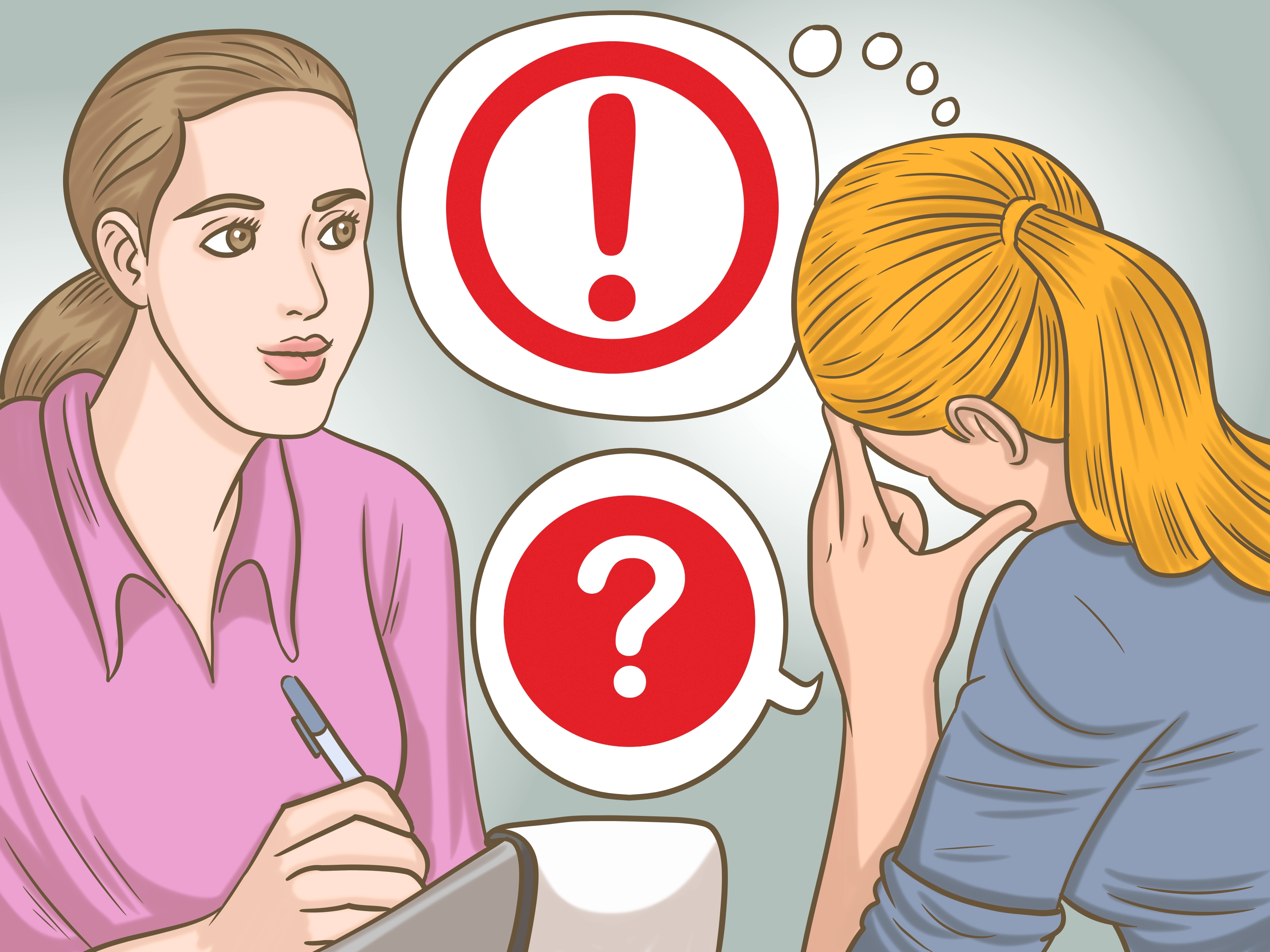
Dating with genital herpes can feel like entering a romantic comedy while carrying a medical chart nobody asked to read. You may wonder when to disclose, how a new partner will react, whether sex can still be spontaneous, and whether one diagnosis has somehow rewritten your entire romantic future.
It has not.
Genital herpes is a lifelong viral infection caused by herpes simplex virus type 1 or type 2. Either type can affect the genital area, and HSV can sometimes spread when no sores or other obvious symptoms are present. Antiviral medication, barrier protection, symptom awareness, and honest communication can lower transmission risk, although no single method removes it completely.
That medical reality matters, but it is only part of the story. The emotional side of dating with genital HSV involves confidence, boundaries, rejection, trust, pleasure, and the occasional badly timed tingling sensation. The following advice combines established sexual-health guidance with a composite first-person perspective reflecting experiences commonly reported by people living with genital herpes.
First, Know What Genital HSV Actually Means
HSV-1 is commonly associated with oral cold sores, but it can also cause genital herpes, often through oral sex. HSV-2 more commonly affects the genital area. Both infections remain in the body, and both can reactivate, although recurrence patterns may differ. Genital HSV-1 generally tends to recur and shed less frequently over time than genital HSV-2.
Some people experience recognizable blisters, ulcers, itching, pain, or burning. Others have symptoms so mild that they mistake them for razor burn, an ingrown hair, friction, or an exceptionally rude pair of jeans. Many people have no noticeable symptoms at all.
There is currently no cure, but prescription antivirals can shorten outbreaks, reduce recurrences, and, when used as suppressive therapy, help lower the likelihood of transmission. That makes genital HSV a manageable health conditionnot a verdict on your character, attractiveness, or ability to have excellent sex.
12 Tips for Dating and Having Sex with Genital Herpes
1. Learn Your Diagnosis Before Explaining It to Someone Else
Ask your clinician whether your infection is HSV-1 or HSV-2 and how it was diagnosed. When a fresh lesion is present, a swab or PCR-based test can provide useful information. Blood testing is more complicated: it may show previous exposure but cannot always identify where the infection is located, and false-positive results can occur.
Routine blood screening is not recommended for every asymptomatic adult. Testing decisions should be based on symptoms, exposure history, partner circumstances, pregnancy, and clinical guidance.
2. Give Yourself Time to React Before Returning to the Apps
A new herpes diagnosis can produce embarrassment, grief, anger, anxiety, or an urgent desire to move into a lighthouse and avoid humanity. Those feelings are common, especially during the first weeks or months.
Pause before deciding what the diagnosis means about your future. Learn the facts, speak with a knowledgeable clinician, and consider a counselor or support community when shame feels overwhelming. Emotional adjustment usually becomes easier as the infection becomes familiar rather than frightening.
3. Disclose Before Sexual Contact, Not During the Removal of Pants
Your partner deserves enough time and space to understand the information and make a voluntary decision. That means discussing genital HSV before vaginal, anal, or oral sexnot while both of you are already naked and attempting to break a land-speed record.
Choose a private, calm setting. You do not need to announce it during the first thirty seconds of a coffee date, but you should disclose before sexual activity creates transmission risk.
4. Use a Simple Disclosure Script
A disclosure conversation does not require a courtroom presentation, a laser pointer, or a tragic violin soundtrack. Try something direct:
“I like where this is going, so I want to tell you something before we have sex. I have genital herpes. I manage it, I avoid sex when I notice symptoms, and we can use barriers and discuss medication to lower the risk. I’m happy to answer questions, and you can take time to think.”
Speak calmly and avoid describing yourself as dangerous, damaged, or “unclean.” Your tone helps communicate that this is a manageable health conversation rather than a confession.
5. Give Partners Facts Without Pressuring Them
Your partner may need time to read reliable information, speak with a clinician, or think privately. Let them. Informed consent is not genuine when someone feels rushed, guilted, or emotionally cornered.
Explain that herpes can spread without visible sores, condoms do not cover every potentially affected area, and risk cannot be reduced to zero. Then discuss the practical steps you use to lower that risk. Honesty builds more trust than presenting an unrealistically perfect safety guarantee.
6. Expect Different Reactionsand Do Not Turn Every “No” into a Verdict
Some people will be comfortable immediately. Some will ask twenty-seven questions. Some may decline sexual contact or a relationship. Rejection can sting, but it does not prove that you are undesirable.
People decline relationships for countless reasons: distance, timing, children, smoking, politics, emotional availability, or the unforgivable act of chewing loudly. HSV may be one boundary for one person. It is not a universal judgment from the entire dating population.
7. Learn Your Outbreak and Prodrome Signals
Some people notice tingling, itching, burning, nerve discomfort, tenderness, or unusual skin sensitivity before sores appear. This early stage is often called a prodrome.
Avoid sexual contact involving the affected region when you have sores, suspicious symptoms, or a developing outbreak. Wait until lesions have completely healed and the skin has returned to normal. Because transmission can still occur between outbreaks, symptom awareness should be one layer of protection rather than the only layer.
8. Discuss Suppressive Antiviral Therapy with a Clinician
Antiviral medication may be taken episodically at the beginning of an outbreak or daily as suppressive therapy. Daily treatment can reduce recurrences and may lower HSV-2 transmission risk in couples where one partner has genital HSV-2 and the other does not.
The best plan depends on outbreak frequency, virus type, kidney health, pregnancy status, other medications, personal preferences, and relationship circumstances. Do not borrow someone else’s prescription or improvise dosing based on a confident stranger with a podcast.
9. Use Condoms and Other Barriers Consistently
External condoms can reduce transmission risk, but herpes spreads through skin-to-skin contact, and infected skin may exist outside the area a condom covers. Internal condoms may provide additional coverage in some situations. Dental dams or cut-open condoms can create a barrier during oral contact with a vulva or anus.
Use a new barrier correctly for each sexual act, and add compatible lubricant to reduce friction and skin irritation. Barriers are useful, but they work best as part of a combined plan that also includes disclosure, avoiding sex during symptoms, and possibly suppressive medication.
10. Remember That Sex Is Bigger Than One Body Part
An outbreak may temporarily rule out contact with one area, but intimacy does not have to disappear. Couples can explore massage, mutual masturbation that avoids affected skin, toys with appropriate cleaning or barrier use, erotic conversation, cuddling, or other activities mutually considered comfortable.
The goal is not to hunt for a magical activity with mathematically zero risk. The goal is to communicate clearly, understand how HSV spreads, and choose forms of intimacy that fit both partners’ boundaries.
11. Make Sexual Health a Two-Way Conversation
Disclosure should not become a one-person medical audition in which you present your entire history while your partner sits mysteriously unexamined. Ask when both of you were last screened for other sexually transmitted infections, what tests were included, what barriers you normally use, and whether either person has current symptoms.
A partner who reacts cruelly to your disclosure while refusing to discuss their own sexual health has provided valuable informationjust not the information they thought they were providing.
12. Build Relationships Around Trust, Not Constant Fear
Reasonable precautions matter, but hypervigilance can make every itch feel like a federal emergency. Create an agreed plan: what symptoms mean sex pauses, whether daily medication makes sense, which barriers you use, and how you will discuss changes.
Then allow the relationship to contain ordinary things toobad movies, grocery lists, affection, arguments about thermostat settings, and sex that is pleasurable rather than dominated by risk calculations.
What About Pregnancy?
Anyone who is pregnant, trying to conceive, or planning pregnancy should tell their prenatal clinician about a personal or partner history of genital or oral herpes. HSV can rarely cause serious infection in a newborn, particularly when a genital infection is newly acquired late in pregnancy.
Clinicians may recommend antiviral management during pregnancy and will evaluate for lesions or prodromal symptoms near delivery. Active genital lesions at labor may affect delivery planning. These decisions require individualized obstetric guidance rather than advice from social media.
Living, Dating, and Having Sex with HSV: A Composite Experience
Editorial note: The first-person narrative below is a composite based on commonly reported experiences of people living with genital HSV. It is not presented as the verbatim story of one identifiable patient.
The First Disclosure Was Harder Than the Diagnosis
When I first learned I had genital HSV, I assumed dating would become a series of humiliating disclosures followed by people sprinting toward the nearest exit. My first conversation felt like preparing to announce that I kept an alligator in my bathtub.
I rehearsed every sentence. I collected medical facts. I imagined every possible reaction, including several that would have required special effects. When I finally told the person I was dating, they said, “Okay. What does that mean for us?”
That was it. No screaming. No dramatic weather event. We talked about symptoms, condoms, medication, and what they wanted to research. The conversation was awkward, but it was also strangely intimate. I had trusted someone with information that frightened me, and they responded by listening.
Not Everyone Reacted Kindly
Later, someone rejected me almost immediately. They were not cruel, but their discomfort was obvious. I went home feeling as though every insecure thought I had ever experienced had received official confirmation.
After a few miserable days, I realized something important: disclosure had not made me less worthy. It had revealed a compatibility issue. That person had the right to make their decision, and I had the right to feel disappointed without turning disappointment into self-hatred.
The experience also taught me to disclose before becoming intensely emotionally invested. Waiting too long made the conversation feel like a final exam determining the fate of my entire future. Sharing earlieronce mutual interest was clear but before sexmade it easier to remain grounded.
I Became Better at Talking About Sex
Before HSV, my safer-sex conversations were vague. I thought being “responsible” meant having condoms nearby and hoping nobody asked a difficult question. Afterward, I learned to discuss STI testing, barriers, exclusivity, symptoms, birth control, and consent directly.
Oddly, herpes improved my communication. I stopped treating sexual health like an embarrassing administrative task performed immediately before fun. The conversation became part of building trust.
I also learned that confidence does not mean pretending transmission is impossible. It means saying, “There is some risk, and here is how I manage it,” without collapsing into an apology for existing.
Outbreaks Required Flexibility, Not Celibacy
There were nights when I noticed tingling and had to change plans. At first, I treated every canceled sexual encounter like a romantic catastrophe. Eventually, my partners and I became more creative. Sometimes we chose a different form of intimacy. Sometimes we ordered food, watched something terrible, and went to sleep.
A temporary pause did not destroy attraction. In healthy relationships, desire can survive an inconvenient week.
I kept medication available, learned the sensations that usually preceded an outbreak, and stopped ignoring symptoms because I was afraid of disappointing someone. A caring partner preferred an honest change of plans to unnecessary risk.
The Diagnosis Became Smaller Over Time
In the beginning, herpes occupied an enormous amount of mental space. Every date, flirtation, and physical sensation seemed connected to it. Over time, it became one health detail among many.
I still disclose. I still manage symptoms and take precautions. But I no longer introduce myself mentally as “the person with herpes.” I am a person who has work stress, favorite foods, questionable television preferences, relationship goals, and genital HSV.
The biggest shift was understanding that a satisfying sex life does not require perfect health or total elimination of risk. It requires informed consent, mutual respect, realistic precautions, and partners who can talk like adults even when the subject is uncomfortable.
Conclusion: Herpes Changes the Conversation, Not Your Capacity for Love
Dating with genital HSV involves extra communication and a few practical precautions, but it does not eliminate romance, pleasure, commitment, marriage, or parenthood. Learn your diagnosis, disclose before sexual contact, avoid sex during outbreaks or warning symptoms, discuss antivirals with a clinician, and use barriers consistently.
Most importantly, refuse to confuse a common virus with a moral identity. Herpes may join you on dates, but it does not get to write your profile, choose your partners, or decide how lovable you are.