A “widow maker” heart attack sounds like something cooked up by a dramatic TV writer with a flair for terrifying nicknames. Unfortunately, it is not fiction. It is a real, life-threatening type of heart attack usually linked to a sudden blockage in the left anterior descending artery, better known as the LAD artery. This artery supplies a large part of the heart’s main pumping chamber, so when it closes, the heart does not politely send a calendar invite. It can crash fast.
The term “widow maker heart attack” is not a formal medical diagnosis, but doctors and patients use it because the event can be especially dangerous. The medical picture is usually a severe blockage in the LAD, often caused by coronary artery disease, plaque rupture, and a rapidly forming blood clot. In plain English: years of buildup can turn into a sudden plumbing disaster inside one of the heart’s most important blood vessels.
This article explains how a widow maker heart attack happens, why it is so serious, what symptoms to watch for, how doctors treat it, and what real-life experience teaches us about prevention. The heart is tough, but it is not a superhero. Even superheroes need maintenance.
What Is a Widow Maker Heart Attack?
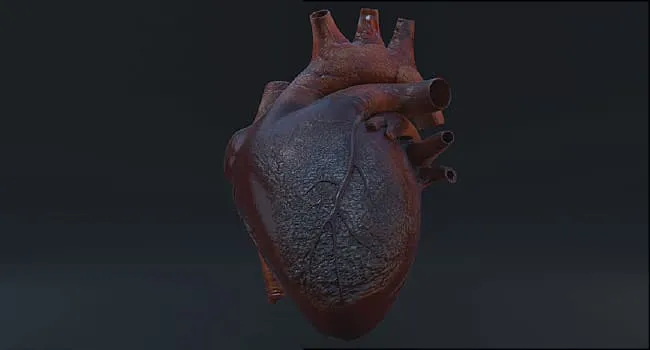
A widow maker heart attack usually refers to a heart attack caused by a major blockage in the left anterior descending artery. The LAD artery runs down the front of the heart and feeds oxygen-rich blood to a large portion of the left ventricle. The left ventricle is the muscular chamber responsible for pumping blood to the rest of the body. In other words, the LAD is not a side street. It is a major highway.
When the LAD becomes blocked, the heart muscle downstream loses oxygen. If blood flow is not restored quickly, heart muscle cells begin to die. This is called a myocardial infarction, the medical term for a heart attack. A widow maker is particularly feared because the affected area may be large and critical to the heart’s pumping power.
Many widow maker heart attacks are a form of STEMI, or ST-segment elevation myocardial infarction. A STEMI often means a coronary artery is completely blocked, and the electrocardiogram, or ECG, shows a specific pattern. This is a red-alert emergency, not a “maybe I’ll sleep it off” situation.
Meet the LAD Artery: The Heart’s VIP Bloodline
The heart has several coronary arteries that deliver oxygen and nutrients to the heart muscle. The LAD artery is one of the most important because it supplies much of the front wall of the left ventricle and part of the wall between the ventricles. That area works hard every second of your life, whether you are jogging, arguing with a printer, or pretending one more episode before bed is a good idea.
If the LAD is partially narrowed, a person may experience angina, which is chest pain or pressure caused by reduced blood flow. Angina often appears during physical activity or emotional stress and may ease with rest. If the LAD becomes suddenly blocked, however, the situation can turn from warning sign to emergency in minutes.
How a Widow Maker Heart Attack Happens Step by Step
Step 1: Plaque Builds Up Over Time
The most common starting point is atherosclerosis. This is the slow buildup of plaque inside artery walls. Plaque is made of cholesterol, fat, calcium, inflammatory cells, and other substances. Think of it as unwanted gunk in a pipe, except the pipe is alive, delicate, and rather important.
Over years, plaque can narrow the LAD artery. Sometimes the narrowing becomes severe enough to limit blood flow during exertion. Other times, the plaque may not seem dramatic until it suddenly ruptures. That is one reason heart attacks can strike people who did not know they had serious coronary artery disease.
Step 2: The Plaque Ruptures
A plaque rupture happens when the surface of a fatty deposit cracks or breaks open. The body treats that rupture like an injury. Platelets rush to the area, and the clotting system activates. This response is useful when you cut your finger. Inside a coronary artery, it can be catastrophic.
The rupture may happen during physical stress, emotional stress, inflammation, high blood pressure spikes, or sometimes with no obvious trigger. The scary part is that a plaque does not need to look enormous to be dangerous. Some plaques are unstable and more likely to rupture even before they cause major narrowing.
Step 3: A Blood Clot Forms
Once plaque ruptures, a blood clot can form rapidly. The clot may partly block the artery or completely seal it off. In a widow maker heart attack, the LAD artery may become severely or totally blocked, cutting oxygen delivery to a large section of heart muscle.
This is where the clock becomes brutally important. Heart muscle is highly dependent on oxygen. Without blood flow, cells become injured, electrical signals become unstable, and the heart’s pumping ability can fall quickly.
Step 4: The Heart Muscle Suffocates
When oxygen-rich blood cannot reach the heart muscle, the affected area becomes ischemic. Ischemia means the tissue is starved of oxygen. If the blockage continues, the cells begin to die. The longer the artery remains closed, the more heart muscle is lost.
Because the LAD supplies such a large and important region, a widow maker heart attack can cause serious complications: heart failure, dangerous arrhythmias, cardiogenic shock, or sudden cardiac arrest. This is why fast emergency care can make the difference between recovery and tragedy.
Why Is It Called a “Widow Maker”?
The nickname comes from the historically high risk of death when the LAD artery is suddenly blocked. The phrase is dramatic, old-fashioned, and honestly a little rude to everyone who is not a married man. Women can have widow maker heart attacks too. Single people can have them. Young adults can have them. Athletes can have them. The LAD does not check relationship status before causing trouble.
Still, the name stuck because it captures the seriousness of the event. A blockage in this artery can affect a large portion of the heart and may lead to sudden collapse if a dangerous rhythm develops. Modern emergency medicine, angioplasty, stents, medications, and cardiac rehabilitation have greatly improved survival, but timing remains everything.
Symptoms of a Widow Maker Heart Attack
The symptoms of a widow maker heart attack are often similar to other heart attack symptoms. The most classic sign is chest discomfort. It may feel like pressure, squeezing, fullness, burning, heaviness, or pain in the center or left side of the chest. Some people describe it as an elephant sitting on their chest. Apparently, the elephant has poor manners.
Common Warning Signs
- Chest pain, pressure, tightness, or discomfort
- Pain spreading to the left arm, both arms, shoulder, neck, jaw, back, or upper stomach
- Shortness of breath
- Cold sweat
- Nausea, vomiting, or indigestion-like discomfort
- Dizziness, lightheadedness, or fainting
- Unusual fatigue or sudden weakness
- A feeling of anxiety or impending doom
Symptoms can vary. Women, older adults, and people with diabetes may have less typical signs, such as fatigue, nausea, shortness of breath, back pain, jaw pain, or vague discomfort rather than crushing chest pain. This is one reason some people delay getting help. They assume it is heartburn, stress, a pulled muscle, or “probably nothing.” Unfortunately, “probably nothing” has never opened a blocked artery.
What to Do If You Suspect a Widow Maker Heart Attack
Call 911 immediately. Do not drive yourself to the hospital. Do not ask the internet. Do not wait for the pain to “prove itself.” Emergency medical services can begin assessment and treatment on the way and alert the hospital before arrival.
If a person collapses and is not breathing normally, call emergency services, start CPR, and use an automated external defibrillator if one is available. Sudden cardiac arrest can occur when the heart’s electrical system becomes chaotic. CPR and defibrillation can buy time until advanced medical care arrives.
If you have been prescribed nitroglycerin, follow your doctor’s instructions. Aspirin may be recommended in some suspected heart attack situations, but people with allergies, bleeding risks, or medication conflicts should follow medical guidance. The safest universal advice is simple: call 911 fast.
How Doctors Diagnose a Widow Maker Heart Attack
At the hospital, doctors move quickly. A suspected heart attack is usually evaluated with an ECG, blood tests, symptoms, vital signs, and imaging or catheterization when needed. Blood tests often measure troponin, a protein released when heart muscle is damaged.
If the ECG suggests a STEMI, the medical team may activate the cardiac catheterization lab. During coronary angiography, a cardiologist inserts a thin tube through an artery, often in the wrist or groin, and uses contrast dye to see blockages in the coronary arteries. If the LAD is blocked, treatment may happen immediately.
Treatment: Opening the Artery Before More Damage Is Done
Emergency Angioplasty and Stenting
The main goal is to restore blood flow as quickly as possible. One common emergency treatment is percutaneous coronary intervention, also called PCI or angioplasty. A tiny balloon is used to open the blocked artery, and a stent is often placed to keep it open. A stent is like scaffolding for the artery, except thankfully much smaller than anything you would see at a construction site.
Medications
Treatment usually includes medications to reduce clotting, lower cholesterol, control blood pressure, ease the heart’s workload, and prevent another event. These may include antiplatelet drugs, anticoagulants, statins, beta blockers, ACE inhibitors, or other medicines depending on the patient’s condition.
Bypass Surgery
In some cases, coronary artery bypass grafting may be needed, especially if there are multiple severe blockages or anatomy that is not ideal for stenting. Bypass surgery creates a new route for blood to flow around blocked arteries.
Risk Factors for a Widow Maker Heart Attack
The risk factors for a widow maker heart attack overlap with the risk factors for coronary artery disease. Some are controllable, some are not, and some are annoyingly sneaky.
Major Risk Factors
- High LDL cholesterol
- High blood pressure
- Smoking or tobacco use
- Diabetes or insulin resistance
- Obesity or excess abdominal weight
- Physical inactivity
- Unhealthy diet high in trans fats, excess saturated fats, added sugar, and sodium
- Family history of early heart disease
- Older age
- Chronic stress and poor sleep
- Chronic kidney disease or inflammatory conditions
A person can look fit and still have hidden coronary artery disease. This is especially true when family history, cholesterol, blood pressure, or diabetes are involved. Fitness helps, but it is not a force field. A marathon medal does not automatically cancel out genetics.
Can a Widow Maker Heart Attack Be Prevented?
Not every heart attack can be predicted, but risk can often be reduced. Prevention starts with knowing your numbers: blood pressure, cholesterol, blood sugar, weight, and family history. If your LDL cholesterol is high, your blood pressure is creeping upward, or diabetes is poorly controlled, the LAD artery may be quietly filing complaints.
Heart-healthy habits matter. Eat more vegetables, fruits, whole grains, beans, nuts, fish, and lean proteins. Limit highly processed foods, sugary drinks, and excess sodium. Move regularly. Aim for a mix of aerobic activity and strength training, with your doctor’s guidance if you already have symptoms or risk factors.
Do not smoke. If you do smoke, quitting is one of the most powerful heart-protective decisions you can make. Manage stress, sleep well, and take prescribed medications consistently. Skipping heart medications because you “feel fine” is like canceling home insurance because the house is not currently on fire.
Screening and Early Detection
People with risk factors should talk with a healthcare professional about appropriate screening. Basic evaluation may include blood pressure checks, cholesterol panels, diabetes testing, and lifestyle assessment. Some people may benefit from tests such as a coronary artery calcium scan, stress testing, or other imaging, depending on their risk profile and symptoms.
Chest discomfort with exertion, shortness of breath that is new or worsening, unexplained fatigue, or pain that improves with rest should never be ignored. These may be signs of reduced blood flow before a full heart attack happens. Consider them the body’s version of a smoke alarm. Annoying? Yes. Worth listening to? Absolutely.
Recovery After a Widow Maker Heart Attack
Surviving a widow maker heart attack is the beginning of a new phase, not the end of the story. Many people recover well, especially when blood flow is restored quickly. Recovery may include medications, follow-up appointments, lifestyle changes, and cardiac rehabilitation.
Cardiac rehab is a supervised program that helps patients exercise safely, understand medications, improve nutrition, manage stress, and rebuild confidence. It is one of the most practical tools for preventing another heart event. It also helps people stop treating every heartbeat like a suspense movie soundtrack.
Real-Life Experiences and Lessons From Widow Maker Heart Attacks
One of the most striking experiences people describe after a widow maker heart attack is disbelief. Many survivors say they thought they were too young, too active, too healthy, or too busy to have a heart attack. The heart, however, does not care about your calendar, your gym membership, or whether you have finally organized the garage. It only cares about blood flow.
A common story goes like this: someone feels mild pressure in the chest after exercise, a strange ache in the arm, unusual fatigue, or what seems like indigestion. They wait. They drink water. They blame lunch. They bargain with themselves: “If it still hurts in an hour, I’ll do something.” That hour can be expensive. In a widow maker heart attack, the difference between fast treatment and delayed treatment may be the difference between a small damaged area and a severely weakened heart.
Another lesson from survivor stories is that symptoms are not always cinematic. Not everyone clutches their chest and falls dramatically onto a sofa. Some people feel jaw pain. Some feel short of breath. Some feel nauseated. Some feel cold, sweaty, or oddly tired. People with diabetes may have muted pain because nerve damage can change how symptoms feel. Women may be more likely to report fatigue, nausea, back pain, or shortness of breath along with or instead of classic chest pressure.
Family history also shows up again and again. A person may eat reasonably well and exercise but still carry a strong genetic risk. If a parent or sibling had early heart disease, that information matters. It should be shared with a healthcare professional, not stored away like an embarrassing school photo. Family history can change how aggressively cholesterol, blood pressure, and other risks should be managed.
There is also an emotional side. After a major heart attack, people may feel anxious, grateful, angry, fragile, or all of the above before breakfast. Some become afraid of exercise, sex, travel, or being alone. These feelings are common. Cardiac rehabilitation, counseling, support groups, and clear guidance from clinicians can help survivors regain confidence. Recovery is not only about reopening an artery; it is about rebuilding trust in the body.
Caregivers often learn lessons too. Spouses, friends, coworkers, and family members may be the ones who notice color changes, confusion, sweating, or sudden weakness. In many real-world cases, a loved one insisting on calling 911 becomes the hero of the story. It may feel awkward to overreact, but in heart emergencies, overreacting is often underrated. Nobody wins a trophy for being calm while the LAD artery is closed.
The biggest practical takeaway is this: know your risk before there is a crisis, and act quickly if symptoms appear. Get routine checkups. Ask about cholesterol, blood pressure, blood sugar, and family history. Learn CPR if you can. Keep emergency numbers accessible. If something feels seriously wrong, do not negotiate with it. A widow maker heart attack happens fast, and fast action saves heart muscle.
Conclusion
A widow maker heart attack happens when blood flow through the LAD artery is severely reduced or suddenly blocked, usually because plaque ruptures and a clot forms. The danger comes from the LAD artery’s role in supplying a large, essential part of the heart. When that supply stops, heart muscle can be damaged quickly, and life-threatening rhythms may occur.
The good news is that modern treatment can be lifesaving when people act quickly. Recognizing symptoms, calling 911, controlling risk factors, taking prescribed medications, and participating in cardiac rehab can dramatically improve outcomes. The heart may be a tireless worker, but it is not invincible. Treat it like the high-value equipment it isbecause unlike your phone, you cannot just upgrade to the newest model next fall.
Medical note: This article is for educational purposes only and should not replace professional medical advice. If you or someone near you may be having heart attack symptoms, call 911 or your local emergency number immediately.