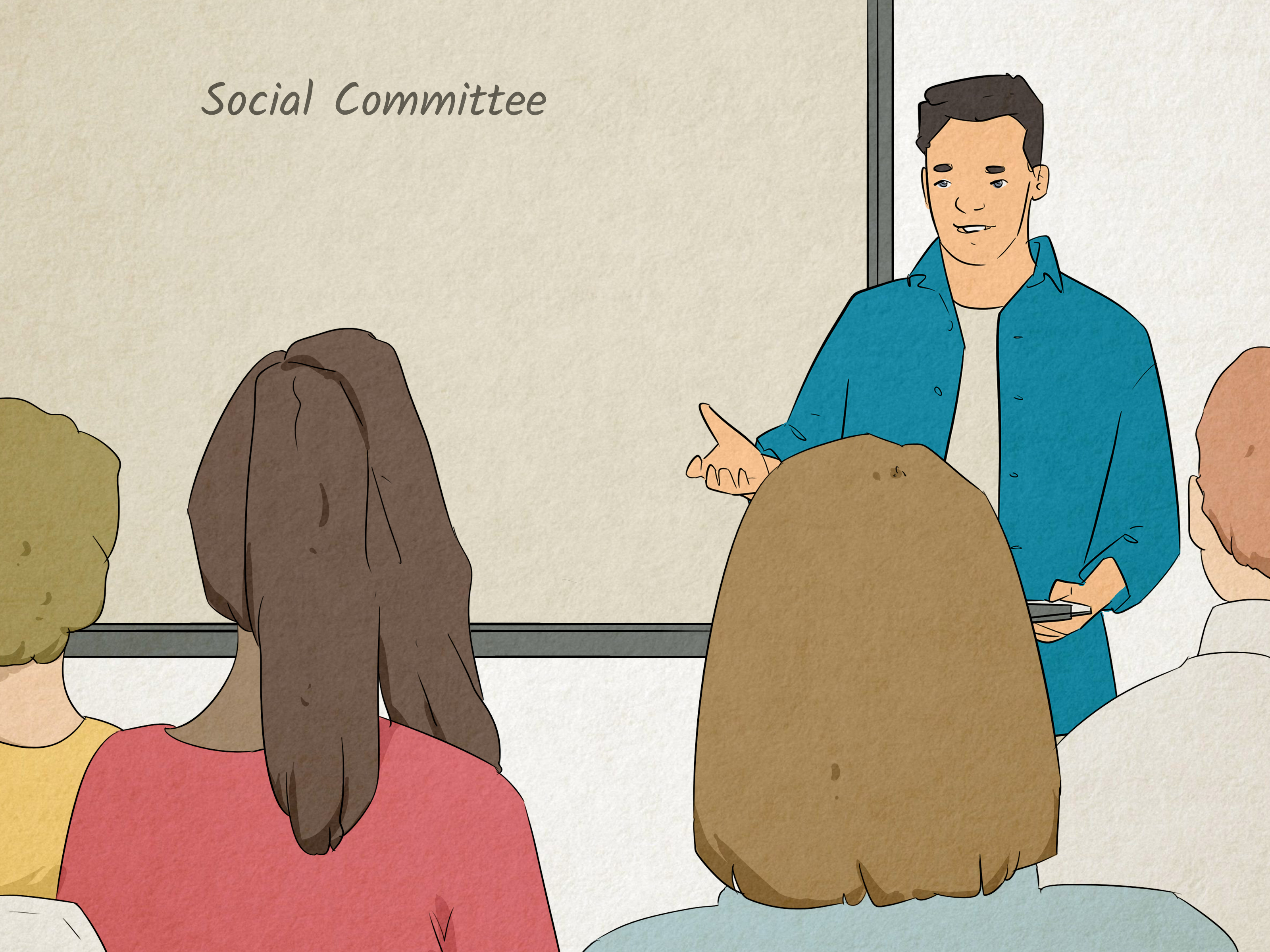
A good workplace social committee can turn a collection of polite strangers into a connected team. A bad one can produce mandaloons.
The difference is not how much money the committee spends. Successful workplace social committees listen to employees, plan inclusive activities, communicate clearly, and understand that “fun” means different things to different people. Some employees enjoy trivia nights and group outings. Others would rather socialize over coffee, volunteer for a local charity, or quietly attend a lunch-and-learn without being forced to reveal an embarrassing childhood nickname.
This guide explains how to create a social committee at your workplace, from winning management support and recruiting members to developing a budget, planning events, measuring participation, and avoiding common mistakes.
What Is a Workplace Social Committee?
A workplace social committee is a group of employees who organize activities designed to strengthen relationships, celebrate achievements, welcome new hires, and improve the employee experience. It may also be called an employee engagement committee, culture committee, morale committee, or workplace activities committee.
The committee should complement the company’s broader culture strategy rather than attempt to repair serious organizational problems with cupcakes. Social events cannot compensate for poor management, excessive workloads, unfair policies, or weak communication. They can, however, create valuable opportunities for employees to interact outside their usual roles and departments.
Typical committee activities include:
- Employee appreciation lunches
- Seasonal celebrations
- Volunteer and community service projects
- Trivia contests and game sessions
- New-hire welcome activities
- Wellness challenges
- Interest-based clubs
- Remote coffee chats
- Recognition programs
- Company picnics or family-friendly gatherings
1. Define the Committee’s Purpose
Before recruiting members or pricing miniature golf packages, determine why the committee should exist. A clear purpose prevents the group from becoming an unofficial party-planning service with no measurable direction.
Meet with a manager, human resources representative, or executive sponsor to identify the workplace needs the committee should address. The primary goal might be improving cross-department relationships, helping remote employees feel included, welcoming new hires, celebrating company milestones, or providing low-pressure opportunities for social connection.
Create a Simple Mission Statement
Your mission statement does not need to sound as though it was carved into the wall of a corporate headquarters. Keep it practical.
“The workplace social committee creates inclusive, voluntary activities that help employees build relationships, celebrate achievements, and feel connected across departments and work locations.”
This statement gives the committee a useful filter. When someone proposes an activity, members can ask whether it supports connection, inclusion, recognition, or employee well-being.
2. Secure Management and HR Support
A social committee needs organizational support even when employees lead it. Management approval helps establish a budget, clarify decision-making authority, reserve facilities, coordinate schedules, and address company policies.
Identify one sponsor who can remove obstacles without controlling every napkin-related decision. The sponsor may approve major expenses, connect the committee with leadership, and help resolve questions involving risk, accessibility, scheduling, or company policy.
Before launching, discuss:
- The committee’s annual or quarterly budget
- Whether committee work may occur during paid working hours
- Who approves events, contracts, purchases, and reimbursements
- Rules for using company communication channels
- Food, alcohol, transportation, privacy, and safety policies
- Accessibility and accommodation procedures
- Whether activities are voluntary or job-related
Getting these answers early is less exciting than selecting a trivia theme, but it prevents awkward conversations after money has already been spent.
3. Recruit a Representative Group of Employees
Do not build the committee entirely from one department, one management level, or one group of office friends. A representative committee is more likely to understand different schedules, interests, cultural backgrounds, accessibility needs, and work environments.
Invite participation through a company-wide announcement rather than relying only on personal invitations. Explain the responsibilities, approximate time commitment, meeting frequency, and length of service.
A balanced committee may include employees from:
- Different departments and job levels
- Remote, hybrid, and on-site teams
- Day, evening, or rotating shifts
- Multiple offices or geographic locations
- Different career stages and lengths of service
Give Members Clear Roles
Small committees may share responsibilities, while larger groups can assign roles such as:
- Chairperson: Sets agendas and coordinates decisions.
- Secretary: Records decisions, deadlines, and action items.
- Treasurer: Tracks the budget, receipts, and reimbursements.
- Communications lead: Creates announcements and reminders.
- Accessibility coordinator: Reviews participation barriers and accommodation procedures.
- Event leads: Manage individual activities from planning through evaluation.
Rotate leadership periodically so the committee does not become dependent on one heroic employee carrying a clipboard and the emotional weight of every holiday luncheon.
4. Write a Short Committee Charter
A charter establishes how the social committee operates. It does not need to be a 40-page constitution. One or two pages are usually enough.
Include the following information:
- Purpose and scope
- Membership expectations
- Term lengths and rotation process
- Meeting schedule
- Decision-making method
- Budget authority
- Event approval process
- Communication responsibilities
- Standards for inclusion, accessibility, and voluntary participation
- Methods for measuring results
The charter should also clarify what the committee does not handle. Complaints about discrimination, harassment, compensation, workload, or management conduct should follow the company’s formal reporting procedures rather than being dropped into the social committee’s suggestion box beside “taco truck.”
5. Ask Employees What They Actually Want
The fastest way to plan an unpopular event is to assume everyone shares the committee’s interests. Before creating a calendar, conduct a short employee survey.
Ask specific questions instead of simply asking, “What sounds fun?” Useful questions include:
- Which types of activities interest you?
- Would you prefer events during lunch, during work hours, or after work?
- How often should activities occur?
- Do you prefer social, volunteer, educational, wellness, or competitive events?
- Would you participate virtually, in person, or both?
- What barriers might prevent you from participating?
- Should events allow employees to bring partners or family members?
- What low-cost activities would you recommend?
Allow anonymous responses and leave room for comments. Employees may be more honest when they do not have to tell the office karaoke champion directly that they would prefer never to hear “Livin’ on a Prayer” again.
6. Establish a Realistic Budget
A workplace social committee can succeed with a modest budget, but it needs clear financial rules. Determine how much funding is available, what expenses are permitted, and who must approve purchases.
Divide the budget into categories such as food, supplies, entertainment, venue fees, transportation, accessibility services, online tools, recognition items, and contingency funds.
Do not spend the entire annual budget on one spectacular event unless employees clearly prefer that approach. A combination of small recurring activities and one or two larger gatherings often provides more opportunities for participation.
Low-Cost Workplace Social Committee Ideas
- Board game lunch
- Walking group
- Recipe exchange
- Volunteer afternoon
- Book or podcast discussion
- Department trivia
- Photo challenge
- Employee-taught mini workshop
- Virtual coffee pairing
- Recognition wall or digital appreciation board
A low-cost event can be memorable when it is easy to join and thoughtfully organized. Free does not have to mean “three stale cookies in the break room.”
7. Build a Balanced Event Calendar
Create a calendar several months in advance, but leave room for employee suggestions and changing business needs. Avoid scheduling social activities during deadlines, peak customer periods, religious observances, or times when large groups of employees are unavailable.
Offer a mix of formats so the same personalities do not dominate every event. Your calendar might include:
- Social activities: Picnics, lunches, games, or coffee chats
- Recognition events: Milestone celebrations and peer appreciation
- Community activities: Food drives, cleanups, or nonprofit volunteering
- Wellness activities: Walking challenges, stretching sessions, or healthy cooking demonstrations
- Learning activities: Employee-led workshops or cultural presentations
- Remote activities: Online trivia, hobby channels, or virtual coworking
Variety matters. A softball game may delight some employees while excluding people who dislike sports, have mobility limitations, work remotely, or cannot attend outside normal hours. It can still be part of the calendar, but it should not be the calendar.
8. Make Activities Inclusive and Accessible
Inclusive planning begins before invitations are sent. Review the location, timing, food, communication format, transportation needs, sensory environment, and technology required to participate.
Use accessible venues with suitable entrances, routes, restrooms, seating, and parking. Explain how employees may request accommodations without requiring them to disclose private details to the entire committee.
For presentations or virtual events, consider captions, readable digital materials, microphones, accessible documents, clear agendas, and participation options that do not depend entirely on speaking quickly in a large group.
Food-centered events should provide meaningful choices for common dietary, religious, medical, and personal needs. A single bowl of lettuce should not be presented as the universal alternative meal.
Keep participation genuinely voluntary unless an event serves a required business purpose. Employees may have caregiving duties, religious objections, health concerns, financial limitations, transportation problems, or a simple preference not to socialize after work. Declining an activity should not damage an employee’s reputation or career opportunities.
9. Include Remote and Hybrid Employees
Remote employees should not experience workplace culture mainly through photos of food they could not eat. Build remote participation into the activity from the beginning instead of adding a video link five minutes before the event.
Possible strategies include sending equivalent meal or activity credits, using digital games designed for distributed groups, creating local event options, rotating meeting times, and offering both live and asynchronous participation.
For hybrid events, assign someone to monitor the virtual chat, test audio in advance, and make sure remote participants can hear, respond, and contribute. When practical, design the activity so everyone uses the same digital platform, even if some employees are in the same room.
10. Plan Each Event Like a Small Project
Every event should have an owner, objective, budget, schedule, and checklist. Create a reusable event-planning template containing:
- Event purpose
- Target audience
- Date, time, and location
- Virtual participation method
- Estimated and approved costs
- Vendor information
- Accessibility review
- Food and beverage plan
- Communication timeline
- Setup and cleanup assignments
- Backup plan
- Post-event feedback method
Assign tasks to named individuals with deadlines. “The committee will handle it” is not an assignment. It is how everyone arrives on Friday assuming someone else purchased the plates.
11. Communicate Without Overwhelming Employees
Promote activities through the communication channels employees already use, such as email, an internal calendar, messaging software, bulletin boards, or an employee portal.
Each announcement should clearly state:
- What the event is
- Why it is being held
- When and where it will happen
- Whether attendance is voluntary
- How remote employees can participate
- How to register or decline
- How to request an accommodation
- Whether food, transportation, or guest access is included
Send one announcement and a reasonable reminder rather than launching a daily email campaign titled “YOU STILL HAVEN’T REGISTERED.” Enthusiasm is useful; inbox intimidation is not.
12. Measure More Than Attendance
Attendance numbers are helpful, but they do not tell the entire story. An event with 25 enthusiastic participants may be more valuable than one with 100 people who attended because they thought their manager was taking names.
Use a brief post-event survey to ask whether the activity was enjoyable, easy to access, well timed, and worth repeating. Track participation across departments, shifts, locations, and event types without collecting unnecessary personal information.
Useful social committee metrics include:
- Registration and attendance rates
- Repeat participation
- Representation across teams and locations
- Employee satisfaction scores
- Cost per participant
- Number of employee-generated ideas
- Volunteer hours or charitable outcomes
- Percentage of events offering remote access
Review the results quarterly. Continue activities employees value, improve those with potential, and retire those that attract only the committee members and one confused intern.
Common Social Committee Mistakes to Avoid
Making Every Activity Food or Alcohol Based
Meals can encourage conversation, but not everyone drinks alcohol, enjoys restaurant events, or can participate in food-centered activities. Provide alcohol-free environments and multiple event styles.
Planning Only After-Work Events
Employees with long commutes, second jobs, caregiving duties, evening classes, disabilities, or transportation limitations may be excluded. Rotate event times and consider holding some activities during paid working hours when approved.
Turning Participation Into a Popularity Contest
A social committee should reduce cliques rather than reinforce them. Use open invitations, rotate planners, and create activities that encourage interaction across established groups.
Ignoring Frontline and Shift Employees
An activity held at headquarters at 3 p.m. may do little for employees working in stores, warehouses, clinics, or evening operations. Offer equivalent opportunities for different schedules and locations.
Trying to Fix Morale With Parties
If employees are unhappy because of workload, leadership, safety, compensation, or unfair treatment, report those concerns through the appropriate channels. A pizza lunch is pleasant, but it is not an organizational repair strategy.
A Practical 90-Day Launch Plan
Days 1–30: Build the Foundation
- Meet with HR and the executive sponsor.
- Define the committee’s purpose.
- Confirm budget and approval rules.
- Recruit representative members.
- Draft and approve the charter.
Days 31–60: Listen and Plan
- Survey employees.
- Review scheduling and participation barriers.
- Select three to five activity formats.
- Create a quarterly calendar.
- Assign event leads and deadlines.
Days 61–90: Launch and Learn
- Hold one simple pilot activity.
- Collect immediate feedback.
- Adjust the planning process.
- Publish the upcoming calendar.
- Report early results to employees and leadership.
Workplace Social Committee Experiences and Practical Lessons
The following composite examples illustrate common experiences that workplace social committees encounter. They are not descriptions of one specific company, but they show how small planning choices can affect participation.
Experience 1: The After-Work Event Nobody Could Attend
A committee at a growing professional services company planned its first major event at a restaurant on Thursday evening. The venue was attractive, the appetizers were excellent, and the reservation deposit was large enough to make the treasurer develop a nervous eye twitch.
Registration was strong, but actual attendance was low. Some employees had childcare responsibilities, others depended on public transportation, and several remote workers lived hundreds of miles away. A few employees had assumed the event was unofficially mandatory and registered even though they never intended to attend.
The committee changed its approach. Its next activity was a one-hour lunch event offered both in person and online, with meal credits for remote employees. Attendance improved, but the more important lesson was that enthusiasm cannot overcome practical barriers. Employees need realistic opportunities to participate.
Experience 2: The Committee That Asked Better Questions
Another workplace began with a generic survey asking employees to suggest “fun events.” The responses included everything from skydiving to “please stop sending surveys.” None of the ideas provided enough information to create a useful calendar.
The committee replaced the survey with specific questions about timing, preferred formats, group size, virtual participation, and reasons employees might decline. The results revealed that many employees wanted short daytime activities rather than elaborate evening events. They were especially interested in volunteer projects, casual lunches, and opportunities to learn hobbies from coworkers.
The committee launched a monthly employee-led workshop series. One person demonstrated basic photography, another taught container gardening, and another explained how to make dumplings. The events were inexpensive, personal, and easy to repeat. More importantly, employees became contributors rather than passive guests.
Experience 3: When “Inclusive” Required More Than an Invitation
A manufacturing company proudly announced that every employee was invited to its annual celebration. Yet the event took place during the day shift, announcements were distributed mainly by email, and transportation was not available from the second facility. Technically, everyone had been invited. Practically, a large part of the workforce had been excluded.
The next year, the social committee worked with supervisors from every shift and location. It repeated key activities at different times, posted printed announcements, provided transportation information, and distributed the same recognition items to employees who could not attend. Participation became broader because the planners examined access rather than merely counting invitations.
Experience 4: The Small Event That Outperformed the Big Party
One committee spent months planning an expensive annual party. Employees generally enjoyed it, but feedback showed that the event did not create many new relationships. People arrived with their usual coworkers, sat with their usual coworkers, and left with their usual coworkers.
The committee later introduced a series of inexpensive cross-department coffee sessions. Employees could choose from several times and join groups of four or five people. Prompt cards offered optional questions about hobbies, recent projects, favorite local places, and useful skills.
These short sessions produced more reported introductions than the large party. Employees began recognizing colleagues from departments they previously knew only through email signatures. The lesson was not that large celebrations are useless. It was that connection often grows through smaller, repeated interactions.
Experience 5: Learning to Stop an Unpopular Tradition
A long-running holiday contest had once been popular, but participation declined every year. The committee continued organizing it because “we have always done it,” the five most expensive words in workplace planning.
After reviewing feedback, members replaced the contest with several optional seasonal activities, including a charity collection, a virtual recipe exchange, and a casual appreciation event. Participation increased because employees could choose an activity that matched their interests, schedules, and comfort levels.
The broader lesson is that a successful social committee must be willing to retire traditions. An event does not deserve permanent employment merely because it has appeared on the calendar since the office used fax machines.
Conclusion
Creating a workplace social committee is not primarily about parties. It is about building a reliable process for listening to employees and creating inclusive opportunities for connection, recognition, learning, and community involvement.
Start with a clear purpose, organizational support, representative membership, and a simple charter. Survey employees before planning activities, use a realistic budget, include remote and shift-based workers, and make participation voluntary. Treat each event like a small project, gather feedback, and be willing to change direction when an idea does not work.
The best social committee does not force everyone to have fun in exactly the same way. It creates enough thoughtful options that more employees can find a comfortable way to participateand ideally, no one has to perform karaoke unless they genuinely volunteered.
Note: The experience examples in this article are composite scenarios created to demonstrate common workplace social committee challenges and practical solutions. Employers should coordinate committee policies and events with qualified HR, accessibility, safety, payroll, and legal professionals when appropriate.