Note: Clean HTML body only for web publishing. Unnecessary placeholders and contentReference markup have been removed.
Personal finance has a funny reputation. People talk about it like it’s either a superpower, a punishment, or a hobby for spreadsheet enthusiasts who alphabetize their spices. In reality, most money advice that actually works is surprisingly small, practical, and boring in the best possible way. You do not need a crystal ball, a luxury notebook, or a sixth sense for stock tickers. You need a handful of rules you can remember on an ordinary day, follow on a stressful day, and trust on the kind of day when your car makes a sound that can only be described as “financially rude.”
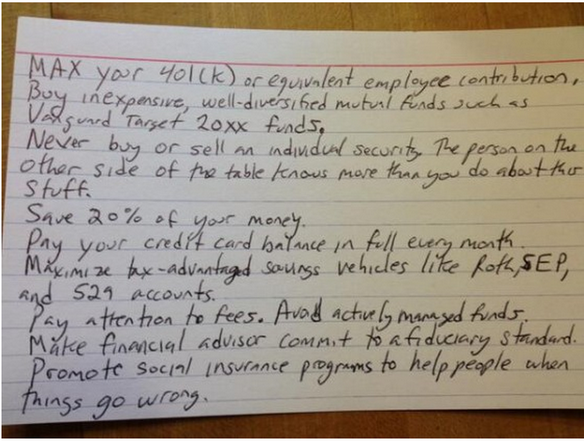
That is the beauty of the notecard edition of financial advice. The best money principles are simple enough to fit on one card, yet powerful enough to shape an entire life. Spend less than you earn. Save before life gets dramatic. Avoid expensive debt. Invest with patience. Protect yourself from disasters, scams, and your own occasional overconfidence. That is not flashy advice, but flashy advice is usually how people end up owning three cryptocurrencies, a broken budget, and a headache.
This guide turns timeless financial advice into a practical roadmap. It is written for real people with rent, groceries, surprise fees, long-term dreams, and short-term temptations. Whether you are just getting your first paycheck, cleaning up old money mistakes, or trying to make your finances less chaotic, these principles can help you build a system that is calm, durable, and actually livable.
The Notecard: The Core Rules That Do Most of the Heavy Lifting
If you had to write your money philosophy on one notecard, it would look something like this:
- Spend less than you earn.
- Track where your money goes before you wonder where it went.
- Build an emergency fund.
- Pay off high-interest debt aggressively.
- Grab the full employer retirement match if you have one.
- Invest regularly in diversified, low-cost funds.
- Do not try to get rich by guessing what the market will do next week.
- Protect your credit, your identity, and your downside risks.
- Increase savings when your income rises.
- Make the system automatic so your mood does not control your money.
That is the whole movie. Everything else is mostly a sequel, a remix, or a product trying to sell you a cape.
Rule #1: Spend Less Than You Earn, Even If Your Group Chat Has Other Plans
The most important rule in personal finance is also the least glamorous: your lifestyle cannot permanently outrun your income. You can have a sophisticated portfolio, three budgeting apps, and a strong opinion about interest rates, but if more money goes out than comes in, the math will eventually get mean.
This does not mean you must live like a monk who fears appetizers. It means your regular spending needs to leave room for saving, debt repayment, and future goals. Many people use frameworks like a simple budget, a cash-flow plan, or the 50/30/20 rule to give structure to their spending. The exact method matters less than the habit. The point is to know what your money is supposed to do before it starts freelancing.
How to make this rule realistic
Start with your after-tax income. Then list essentials: housing, utilities, food, transportation, insurance, minimum debt payments, and fixed bills. After that, look at flexible spending like dining out, shopping, streaming subscriptions, ride shares, and everything that seemed harmless one purchase at a time. If your money keeps “disappearing,” it is usually not disappearing. It is recurring.
A good budget is not a punishment. It is a permission slip. It lets you spend on purpose instead of apologizing to yourself later.
Rule #2: Build an Emergency Fund Before Life Starts Freestyling
If your finances had a shock absorber, it would be your emergency fund. This is the money that keeps a flat tire, urgent medical bill, broken phone, or surprise gap in income from turning into high-interest debt. Without emergency savings, every inconvenience becomes a financial emergency. With it, problems stay annoying instead of catastrophic.
A good target for many households is a starter emergency fund first, then several months of essential expenses over time. You do not need to build it overnight. You need to build it on purpose. Small automatic transfers matter. Windfalls help. Tax refunds, bonuses, gift money, and side income can all become tiny bricks in a very useful wall.
Where should you keep it?
Keep emergency savings somewhere safe, liquid, and boring. That means a savings account, not meme stocks, not speculative coins, and not the sock drawer that somehow turns into “temporary borrowing” every time takeout sounds persuasive. Emergency money is not there to impress anyone. Its job is to be available exactly when life misbehaves.
Rule #3: Attack High-Interest Debt Like It Insulted Your Family
Not all debt is equal. A manageable mortgage at a reasonable rate is not the same as expensive revolving credit-card debt that compounds while you sleep. High-interest debt is one of the biggest barriers to financial progress because it quietly eats tomorrow’s money to pay for yesterday’s decisions.
If you carry multiple balances, pick a strategy and stick with it. The debt avalanche method prioritizes the highest interest rate first, which is mathematically efficient. The debt snowball method attacks the smallest balance first, which can feel motivating because you get faster wins. Either can work. The best method is the one you will actually keep using after the motivational playlist ends.
Three debt rules worth remembering
- Always make the minimum payment on every account.
- Put every extra dollar toward one target debt at a time.
- Stop adding new debt while you are trying to escape old debt.
This is where many budgets quietly become powerful. A few canceled subscriptions, lower impulse spending, or one renegotiated monthly bill may not feel dramatic, but those dollars can speed up debt payoff in a real way.
Rule #4: Get the Employer Match, Because Free Money Should Not Be Ignored
If your workplace offers a retirement plan with an employer match, pay serious attention. Matching contributions are one of the clearest wins in personal finance. When available, they can instantly increase the value of your contribution in a way few legal, boring, respectable financial moves can.
Too many people delay retirement saving because it feels far away, abstract, or less urgent than current bills. That hesitation is understandable, but retirement saving works best when time does the heavy lifting. Starting earlier usually matters more than starting perfectly.
What if you cannot save a lot yet?
Start with what you can. A modest contribution is better than waiting for the mythical future version of yourself who has no bills, no stress, and a suspiciously perfect life. Increase your contribution when you get a raise. Let good habits scale with income instead of letting lifestyle inflation eat every upgrade.
Rule #5: Invest Simply, Diversify Broadly, and Let Time Do the Showing Off
The internet makes investing look like a circus. One person claims they doubled their money in a week. Another insists cash is dead. A third posts a thread so confident it sounds like the market personally called them for advice. Ignore the performance art. Smart long-term investing is mostly about discipline, diversification, cost control, and patience.
A diversified portfolio spreads risk across many investments instead of betting everything on one company, sector, or trend. Low-cost index funds are popular for a reason: they offer broad exposure, simple structure, and less temptation to behave like a caffeinated day trader with Wi-Fi and opinions.
What good investing usually looks like
- Invest consistently instead of trying to time every market move.
- Choose diversified funds over concentrated guesses.
- Keep fees low because costs compound too.
- Match your risk level to your timeline and temperament.
- Revisit your plan occasionally, not obsessively.
Wealth is often built quietly. It grows while you are doing ordinary things, provided you leave it alone long enough to work.
Rule #6: Automate Good Decisions So You Do Not Have to Negotiate With Yourself
Automation is the unsung hero of money management. It removes drama, reduces decision fatigue, and protects you from the version of yourself who gets paid on Friday and suddenly believes ordering everything is a personality trait.
Automate savings. Automate bill payments. Automate retirement contributions. Automate transfers to sinking funds for irregular expenses like holidays, car repairs, annual insurance premiums, or back-to-school costs. When important financial actions happen by default, consistency stops depending on willpower.
Think of automation as a system for protecting future you from present you. Present you means well. Present you also sees flash sales and sometimes gets inspired by snacks.
Rule #7: Protect the Bottom of the Boat, Not Just the Top of the House
Many people focus on growing money before protecting what they already have. That is backwards. One uninsured disaster, major liability, scam, or identity-theft mess can undo years of progress. Financial stability is not just about earning and investing. It is also about reducing the risks that can blow up your plan.
What protection looks like in real life
- Maintain appropriate health, auto, renters, or homeowners insurance.
- Check your credit reports regularly.
- Monitor your statements for fraud and errors.
- Use strong passwords and two-factor authentication.
- Consider a credit freeze if you want stronger identity-theft protection.
- Keep important documents organized and accessible.
This part of personal finance feels less exciting because nobody brags at brunch about freezing their credit. They should. It is deeply practical, surprisingly adult, and much more useful than pretending scammers only target other people.
Rule #8: Give Every Dollar a Job, Especially the “Extra” Ones
Raises, bonuses, tax refunds, cash gifts, side-hustle income, and found money have a magical way of vanishing when they are not assigned a purpose. The smartest way to handle extra cash is to decide in advance where it goes.
A simple priority order works well for many people:
- Catch up on urgent bills.
- Build or refill emergency savings.
- Pay down high-interest debt.
- Increase retirement contributions.
- Fund medium-term goals.
- Enjoy a reasonable slice guilt-free.
The last part matters. Good financial planning is not about never enjoying money. It is about not accidentally spending your whole future in the name of “just this once.”
Rule #9: Ignore Hot Tips, Panic, and Financial Theater
Every era invents a new way to make people feel late, dumb, or poor. There is always a can’t-miss asset, a once-in-a-lifetime trade, or a guru with a thumbnail face that suggests either genius or dehydration. Most of that noise is not financial advice. It is entertainment wearing a tie.
Good money decisions usually feel less thrilling than bad ones. They are repeatable. They are understandable. They survive market headlines and social pressure. If an investment strategy only sounds smart when explained quickly, emotionally, and with six rocket emojis, step away slowly.
A useful question to ask
Would I still make this decision if nobody could see it, praise it, or post about it? If the answer is no, you may be buying a story instead of a strategy.
Rule #10: Personal Finance Is Personal, but the Principles Are Still Stubborn
Your exact path will depend on income, health, family responsibilities, location, debt load, and goals. Someone supporting relatives or recovering from job loss is working with a different map than someone with dual incomes and low fixed expenses. That is real. Personal finance should allow for human context.
But context does not cancel the basics. It just changes the pace. The principles still matter: spend less than you earn, build a cushion, kill expensive debt, save for the future, diversify, protect yourself, and automate what matters. The notecard stays small because the truths are sturdy.
How to Put the Notecard to Work This Week
If this article has you feeling inspired, terrific. Inspiration is nice. Systems are nicer. Here is how to turn ideas into action:
Today
Check your account balances, your debt balances, and your last 30 days of spending. No shame, no dramatics, just data.
This week
Set up one automatic transfer to savings, one automatic bill payment if needed, and one calendar reminder to review your money for 20 minutes each month.
This month
Choose one meaningful target: build your first emergency cushion, pay off one credit card, increase your retirement contribution, or cut one recurring expense category. One strong move beats ten vague intentions.
Experiences That Make the Notecard Advice Feel Real
The most convincing financial lessons usually do not come from a chart. They come from experience. Ask people what changed their money habits, and you will often hear a story rather than a formula. Someone finally built an emergency fund, and the first time their car broke down, they paid the repair bill without panic. That moment mattered more than any finance podcast ever could. The savings account stopped being a “good idea” and became proof that preparation creates peace.
Another common experience is the shock of tracking spending honestly for the first time. People often expect one giant villain in the budget, but the truth is usually messier and funnier. It is the food delivery that multiplied during busy weeks, the subscriptions that quietly lingered, the convenience purchases that felt small in isolation, and the random online orders that arrived like mystery gifts from your past self. Seeing those patterns can be humbling, but it is also empowering. You cannot fix what you refuse to count.
Debt payoff has its own emotional milestones. Many people describe their first paid-off credit card balance like a strange mix of relief, disbelief, and righteous anger. Relief because the progress is real. Disbelief because they spent so long assuming the balance would follow them forever. And anger because interest had been quietly taxing their future. That emotional jolt often becomes the turning point. Once people see how much momentum one small win creates, they stop thinking of debt payoff as punishment and start seeing it as freedom.
Then there is the experience of getting an employer match for the first time. At first it can seem abstract, almost invisible, because retirement feels far away. But once people realize that not contributing enough means leaving compensation on the table, the match suddenly feels less like paperwork and more like a practical opportunity. It is one of those moments where personal finance becomes less about sacrifice and more about using the tools already available to you.
Investing teaches another valuable experience: the market will test your nerves. People who begin investing often feel brave when prices rise and cursed when prices fall. Over time, the steadier investors learn that volatility is not a personal insult. It is part of the ride. The people who stick to a diversified plan and keep contributing through uncertainty often come away with a deeper lesson than “the market goes up and down.” They learn that emotional control is a financial skill.
Perhaps the most underrated experience is the feeling of having a simple system. Bills are paid. Savings happen automatically. Debt is shrinking. Retirement contributions are on. Credit is monitored. Financial life is not perfect, but it is not chaotic either. That calm is powerful. It creates room to think about bigger goals like changing jobs, moving cities, starting a business, helping family, or taking time off without immediate panic. In that sense, the notecard approach is not small at all. It is compact advice that creates a larger life.
Conclusion: Small Rules, Big Results
The best financial advice rarely sounds dramatic enough for social media, and that is exactly why it works. It is steady. It is practical. It survives real life. A simple set of rules can help you budget better, save faster, pay off debt, invest more intelligently, and protect yourself from the financial chaos that tends to show up uninvited.
If you remember nothing else, remember this: money gets easier when your decisions get simpler. Build the notecard. Follow it repeatedly. Let time, consistency, and a little less nonsense do the rest.