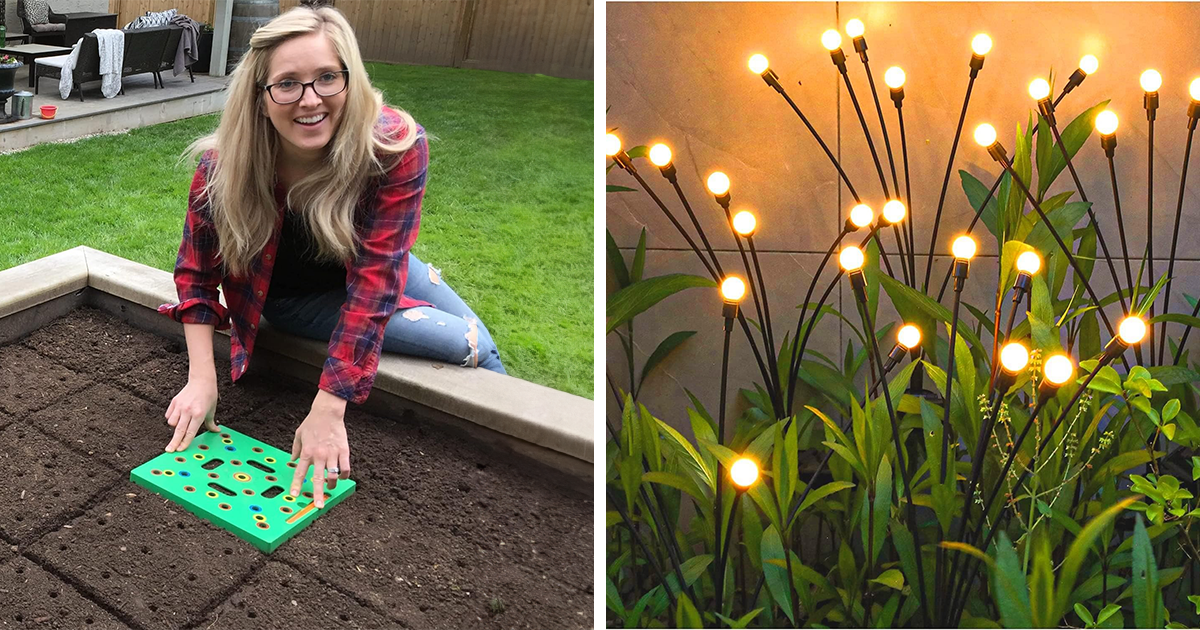
Let us begin with an honest confession: not everyone dreams of spending every Saturday kneeling in the dirt, whispering motivational quotes to tomatoes. Some of us want a beautiful outdoor space without turning gardening into a second job with worse shoes. The good news? A gorgeous yard, patio, balcony, or garden does not require heroic effort. It requires smart shortcuts.
These lazy gardener-approved hacks are not about neglect. They are about efficiency. Think of them as “low-maintenance landscaping with a personality.” With the right mulch, native plants, containers, watering tricks, and visual styling, you can spruce up your outdoor space while still preserving your sacred weekend nap schedule.
Whether you have a tiny apartment balcony, a suburban backyard, a tired patio, or a front porch that currently says “I gave up in April,” these 33 outdoor space ideas will help you create charm, color, and comfort with less watering, less weeding, and fewer dramatic sighs.
Why Lazy Gardening Works Better Than You Think
Lazy gardening is really smart gardening wearing sweatpants. The best low-maintenance garden designs work with nature instead of fighting it. That means improving soil, covering bare ground, choosing plants suited to your climate, grouping plants by water needs, and reducing unnecessary lawn areas. When your garden is designed well, it does not demand constant rescue missions.
The secret is to front-load a little effort so the space becomes easier over time. A thick layer of mulch can reduce weeds and help soil hold moisture. Native and regionally adapted plants usually need less fuss once established. Groundcovers can replace bare soil and reduce erosion. Drip irrigation can water the roots instead of giving your driveway a refreshing spa treatment.
33 Lazy Gardener-Approved Hacks To Spruce Up Your Outdoor Space
1. Mulch Like You Mean It
Mulch is the lazy gardener’s best friend. A 2- to 4-inch layer around plants helps conserve soil moisture, suppress weeds, regulate soil temperature, and make beds look instantly cleaner. Organic mulches such as shredded bark, leaves, pine straw, or composted wood chips also improve soil as they break down. Just keep mulch a few inches away from plant stems and tree trunks. “Volcano mulching” around trees looks dramatic, but so does a bad haircut.
2. Use Cardboard Under Mulch
Before adding mulch to a weedy bed, lay down plain, uncoated cardboard. Overlap the edges, wet it thoroughly, and cover it with mulch. This sheet-mulching method helps block weeds while slowly decomposing into the soil. Remove tape and glossy labels first. Your delivery boxes finally get to apologize for your online shopping habits.
3. Replace Fussy Annuals With Perennials
Annual flowers are gorgeous, but they need replanting every year. Perennials return season after season, making them ideal for low-maintenance gardening. Choose reliable options suited to your region, such as coneflower, black-eyed Susan, salvia, daylily, sedum, bee balm, yarrow, or ornamental grasses. Plant once, enjoy repeatedly. That is the kind of subscription service we can support.
4. Choose Native Plants
Native plants are adapted to local conditions and often support pollinators, birds, and beneficial insects. Once established, many native plants require less watering and less pampering than high-maintenance imports. They also make your outdoor space feel rooted, natural, and alive. Translation: less begging plants to survive and more admiring them like a proud plant parent.
5. Group Plants By Water Needs
Hydrozoning sounds fancy, but it simply means placing thirsty plants together and drought-tolerant plants together. This prevents you from overwatering one plant while underwatering another. Put containers, vegetables, and tropical plants in one easy-to-reach zone. Place drought-tolerant perennials and shrubs in another. Your hose will thank you, assuming hoses have emotional lives.
6. Install Drip Irrigation Or Soaker Hoses
Drip irrigation and soaker hoses deliver water slowly near plant roots, which reduces waste and keeps foliage drier. This is especially helpful for raised beds, foundation plantings, vegetable gardens, and containers. Add a timer, and your garden gets watered while you are doing something equally important, like forgetting where you put your coffee.
7. Water Deeply, Not Daily
Frequent shallow watering encourages shallow roots. Deep, less frequent watering helps roots grow downward, making plants more resilient during dry spells. For many garden plants, the goal is moist soil several inches deep rather than a daily surface sprinkle. Your plants do not need a misty motivational shower every morning. They need a proper drink.
8. Use Self-Watering Containers
Self-watering planters have reservoirs that supply moisture from below. They are excellent for herbs, flowers, patio tomatoes, peppers, and balcony gardens. They reduce watering frequency and prevent the classic container-garden tragedy: crispy basil by Tuesday.
9. Go Big With Pots
Small pots dry out quickly. Larger containers hold more soil, which means better moisture retention and happier roots. A few large planters also look more intentional than fifteen tiny pots scattered around like a botanical yard sale. Choose lightweight resin, fiberglass, or composite containers if you want the look of stone without needing a chiropractor.
10. Create Instant Impact With Repetition
Repeating the same plant, pot color, or material makes an outdoor space look designed, even if the design process involved pointing and saying, “That one, I guess.” Try three matching planters by the door, repeated ornamental grasses along a walkway, or the same flowering perennial in clusters. Repetition creates rhythm and calm.
11. Plant Groundcovers Instead Of Fighting Bare Soil
Bare soil invites weeds, erosion, and general garden nonsense. Groundcovers help shade the soil, reduce weed growth, and soften hard edges. Consider creeping thyme, sedum, ajuga, wild ginger, creeping phlox, barrenwort, or native groundcovers appropriate to your region. A living carpet is much more interesting than a dirt patch with ambition.
12. Shrink The Lawn
A lawn can be useful for kids, pets, picnics, and dramatic barefoot exits. But unused lawn areas often demand mowing, watering, fertilizing, and edging. Replace awkward corners or steep slopes with mulch beds, groundcovers, native plants, gravel seating areas, or low-maintenance shrubs. Less lawn means fewer chores and more time to admire your own wisdom.
13. Use Edging To Fake Tidiness
Clean edges make even simple planting beds look polished. Metal edging, stone borders, bricks, or a sharply cut trench can separate lawn from beds and reduce creeping grass. This is the outdoor version of tucking in your shirt. Suddenly, everyone assumes you have your life together.
14. Add A Gravel Zone
Gravel is a low-maintenance way to define a seating area, pathway, or utility corner. Use landscape fabric only where appropriate, and consider a compacted base for stability. Pea gravel, crushed stone, or decomposed granite can turn a muddy patch into a charming destination. Add two chairs and a small table, and congratulations: you now have an “outdoor room.”
15. Use Solar Lights For Instant Atmosphere
Solar path lights, lanterns, and string lights add evening charm without electrical work. Place lights along paths, around seating areas, near planters, or under small trees. Good lighting makes even basic landscaping look magical. Bad lighting makes everyone trip over the hose.
16. Add One Statement Container
You do not need a garden center explosion. One large, beautiful container near the entrance, patio, or gate can refresh the whole space. Use the classic “thriller, filler, spiller” formula: one tall plant, several rounded plants, and trailing plants over the edge. It sounds like a movie genre, but it works.
17. Plant Herbs Near The Door
Herbs are practical, fragrant, attractive, and generally less needy than many ornamental plants. Try rosemary, thyme, oregano, mint in its own pot, chives, basil, parsley, or sage. Keeping herbs close to the kitchen makes you more likely to use them and less likely to find fossilized parsley in the fridge.
18. Let Some Flowers Reseed
Some annuals and perennials drop seeds and return naturally. Cosmos, calendula, columbine, black-eyed Susan, cleome, and some poppies may self-sow in friendly conditions. You can edit seedlings in spring by pulling extras. It is gardening with a surprise party built in.
19. Choose Shrubs With Multi-Season Interest
Low-maintenance shrubs give structure, color, privacy, and habitat. Look for shrubs with spring flowers, summer foliage, fall color, berries, or interesting winter stems. Examples may include hydrangea, viburnum, ninebark, spirea, inkberry, oakleaf hydrangea, or native shrubs suited to your area. A good shrub works harder than a motivational speaker.
20. Use Ornamental Grasses
Ornamental grasses add movement, texture, and year-round beauty with little attention. Many tolerate drought once established and look lovely in wind, which is helpful because wind is one of the few landscaping features no one has to install. Choose non-invasive varieties recommended for your region.
21. Compost Without Overcomplicating It
Compost improves soil structure and adds organic matter. You can compost kitchen scraps and yard waste in a bin, tumbler, or simple pile. Mix “greens” such as vegetable scraps and grass clippings with “browns” such as dry leaves, shredded paper, and small twigs. Avoid meat, bones, dairy, greasy foods, and diseased plant material. Composting is basically recycling with worms as unpaid interns.
22. Make Leaf Mold
If compost feels too ambitious, make leaf mold. Pile shredded fall leaves in a wire bin or bag with air holes, moisten them, and let time do the work. The result is a dark, crumbly soil conditioner that improves moisture retention. Lazy? Yes. Effective? Also yes.
23. Leave Some Leaves In Garden Beds
Instead of removing every fallen leaf, leave a thin layer in planting beds as natural mulch. Leaves protect soil, return nutrients, and provide overwintering habitat for beneficial insects. Keep leaves off lawns where they can smother turf, but let beds enjoy the cozy blanket. Your rake deserves boundaries.
24. Use Raised Beds Where Soil Is Difficult
Raised beds are helpful when native soil is compacted, poorly drained, rocky, or contaminated. They warm faster in spring, improve drainage, and make planting easier on the back. Keep beds narrow enough to reach the center without stepping inside. A garden bed should not require yoga training.
25. Add A Rain Barrel
A rain barrel connected to a downspout can collect roof runoff for watering ornamental plants. Use a covered barrel with a screen to keep out debris and mosquitoes, and check local rules because rainwater harvesting regulations vary. It is one of the simplest ways to make your outdoor space more water-wise.
26. Redirect Downspouts Into Beds
Instead of letting water rush down the driveway, direct downspouts toward mulched beds, rain gardens, or areas that can absorb runoff safely away from the foundation. This reduces erosion and helps plants benefit from rainfall. Your roof is already collecting water; make it do something useful.
27. Create A Mini Pollinator Patch
You do not need a meadow to help pollinators. A small patch with flowers blooming from spring through fall can support bees, butterflies, and hummingbirds. Mix flower shapes and colors, include native species, and avoid unnecessary pesticides. Even a few containers with herbs and flowers can become a tiny buffet for winged visitors.
28. Use Vertical Space
Walls, fences, railings, trellises, and arbors can hold climbing plants, hanging baskets, shelves, and lights. Vertical gardening is perfect for small patios and balconies because it adds greenery without stealing floor space. Try climbing roses, clematis, jasmine, beans, cucumbers, or annual vines suited to your climate.
29. Hide Ugly Stuff With Screens
Trash bins, air-conditioning units, hoses, and utility boxes are not exactly garden poetry. Use lattice panels, trellises, tall grasses, evergreen shrubs, or decorative screens to hide them while leaving enough access and airflow. Sometimes the best design hack is simply helping the eye look somewhere else.
30. Paint Or Stain Tired Furniture
Outdoor furniture can look new again with cleaning, sanding, and paint or stain designed for exterior use. A refreshed bench, chair, or table can transform a patio faster than planting a whole border. Add cushions in weather-resistant fabric, and suddenly your outdoor space says “boutique hotel” instead of “forgotten garage corner.”
31. Use Outdoor Rugs
An outdoor rug defines a seating area, hides imperfect concrete or decking, and adds color without planting anything. Choose a rug made for outdoor use so it dries quickly and resists mildew. This is one of the easiest patio makeover ideas because it requires no digging, no pruning, and very little emotional growth.
32. Keep A Garden Tool Basket Near The Door
Store gloves, pruners, twine, plant labels, and a small trowel in one weatherproof basket or bin near the garden. When tools are easy to grab, five-minute tasks actually take five minutes. When tools are buried in the shed, five-minute tasks become a historical expedition.
33. Set A 15-Minute Garden Timer
The laziest gardeners often get the most done by avoiding marathon chores. Set a timer for 15 minutes and do one small task: pull weeds from one bed, deadhead flowers, water containers, sweep the patio, or trim a walkway. Stop when the timer ends. Consistency beats heroic exhaustion every time.
Easy Outdoor Space Ideas For Different Areas
For A Small Balcony
Use railing planters, one large self-watering pot, a folding chair, string lights, and herbs near the door. Choose compact plants and vertical supports. A balcony does not need to become a jungle to feel lush. It just needs layers, fragrance, and somewhere to place a drink.
For A Front Porch
Focus on symmetry and welcome. Two matching containers, a clean doormat, a hanging basket, and solar lanterns can create instant curb appeal. Add evergreen shrubs or hardy perennials near the steps for structure that lasts beyond one season.
For A Backyard Patio
Define the seating area with an outdoor rug, large containers, solar lighting, and a simple border of shrubs or grasses. Keep plants grouped near seating areas where you will actually see them. There is no prize for hiding your best flowers behind the garage.
For A Neglected Side Yard
Side yards often become storage zones for shame and broken pots. Turn yours into a gravel path with stepping stones, shade-tolerant groundcovers, hooks for tools, or a narrow herb garden. Add one motion light or solar lantern and it instantly feels intentional.
Low-Maintenance Planting Principles That Save Time
The easiest gardens begin with the right plant in the right place. Before buying anything adorable in a nursery pot, check sunlight, soil moisture, mature size, and hardiness. A sun-loving lavender planted in soggy shade will not become charming through optimism. A shrub that grows eight feet wide will not politely remain two feet wide because the label looked cute.
Plant in clusters instead of singles. Groups of three, five, or seven create stronger visual impact and make maintenance easier. Choose fewer plant varieties and repeat them. This reduces the “random plant museum” look and helps your landscape feel cohesive.
Also, avoid planting too closely. Crowded plants may look full at first, but they compete for water, block airflow, and require frequent pruning. Give plants room to reach mature size. Empty space is not failure; it is future fullness taking a nap.
Lazy Gardener Mistakes To Avoid
Using Too Much Mulch
Mulch is wonderful, but more is not always better. Deep piles can smother roots, hold too much moisture near stems, and create problems around trees. Spread it evenly and keep it away from trunks and crowns.
Buying Plants Without Reading The Tag
Plant tags tell you mature size, sunlight needs, water preferences, and hardiness. Ignoring them is how people accidentally plant a future giant where they wanted a polite little shrub.
Watering Everything The Same Way
Containers dry faster than in-ground beds. New plants need more attention than established plants. Drought-tolerant plants still need watering during their first season. Lazy gardening works best when it is observant, not oblivious.
Letting Weeds Go To Seed
Pulling one weed now can prevent dozens later. If you only have five minutes, remove flowering weeds before they set seed. Future you will be grateful and slightly suspicious of your productivity.
Real-Life Experience: What Actually Works When You Want A Better Yard Without Becoming A Full-Time Gardener
The most practical lesson from lazy gardening is that beauty comes from systems, not constant effort. The first time you refresh an outdoor space, it is tempting to buy every plant that looks cheerful. That usually leads to a cart full of flowers, a wallet with trust issues, and a yard that still feels messy two months later. A better approach is to solve the biggest visual problems first.
Start with the view you see most often. Maybe it is the front door when you come home, the patio outside the kitchen window, or the sad corner where old pots go to emotionally retire. Clean that area first. Sweep, remove clutter, trim anything obviously wild, and add one strong focal point. A large planter, a bench, a birdbath, or a cluster of matching pots can change the mood immediately.
In real outdoor spaces, mulch is often the highest-return upgrade. A messy bed with decent plants can look freshly designed after weeding, edging, and mulching. It is almost unfair how well it works. The trick is not to scatter mulch like seasoning. Create a clean edge, remove weeds, water the soil if it is dry, then apply mulch evenly. Suddenly the garden looks intentional, even if the gardener was fueled entirely by iced coffee and mild panic.
Another experience-based tip: fewer, bigger containers are easier than many tiny ones. Small pots look cute at the store but become needy little divas in hot weather. Larger pots hold moisture longer, give roots more space, and create better visual impact. One big container with a tall grass, colorful flowers, and trailing vines can outperform six small pots that all need watering twice a day.
Lazy gardeners also learn to respect shade. Many people waste money trying to grow lawn grass under trees or sun-loving flowers in dim corners. Shade is not a problem; it is a design instruction. Use mulch paths, hostas, ferns, heuchera, wild ginger, sedges, or shade-tolerant groundcovers depending on your region. A shady corner can feel cool, calm, and elegant when you stop forcing it to audition for a sunny meadow role.
Watering is where many gardens become exhausting. A simple hose timer, drip line, or self-watering planter can make the difference between “thriving outdoor space” and “crispy botanical crime scene.” Even if you do not install a full irrigation system, placing thirsty plants near the hose and drought-tolerant plants farther away saves time. Convenience matters. The garden you can maintain is better than the fantasy garden that requires a staff of twelve.
Finally, the best lazy gardener habit is the 15-minute reset. Once or twice a week, step outside and do only what is obvious. Pull the tallest weeds. Deadhead the flowers by the chair. Refill the birdbath. Sweep the patio. Move the empty nursery pot that has been sitting there since the previous administration. These tiny sessions prevent the outdoor space from becoming overwhelming. Gardening does not have to be a grand performance. Sometimes it is just a quick tidy, a little water, and the smug joy of sitting outside afterward like you own a magazine-worthy estate.
Conclusion
Sprucing up your outdoor space does not require a landscape crew, a bottomless budget, or the stamina of someone who voluntarily runs marathons. With mulch, native plants, groundcovers, self-watering containers, smart lighting, drip irrigation, compost, and a few design tricks, you can build a low-maintenance outdoor space that looks fresh, welcoming, and alive.
The lazy gardener’s motto is simple: do the work that prevents more work. Cover bare soil. Choose resilient plants. Water efficiently. Repeat colors and textures. Use big visual moves instead of tiny complicated ones. Then sit down, admire your outdoor space, and pretend the whole thing was effortless. Honestly, that is half the fun.