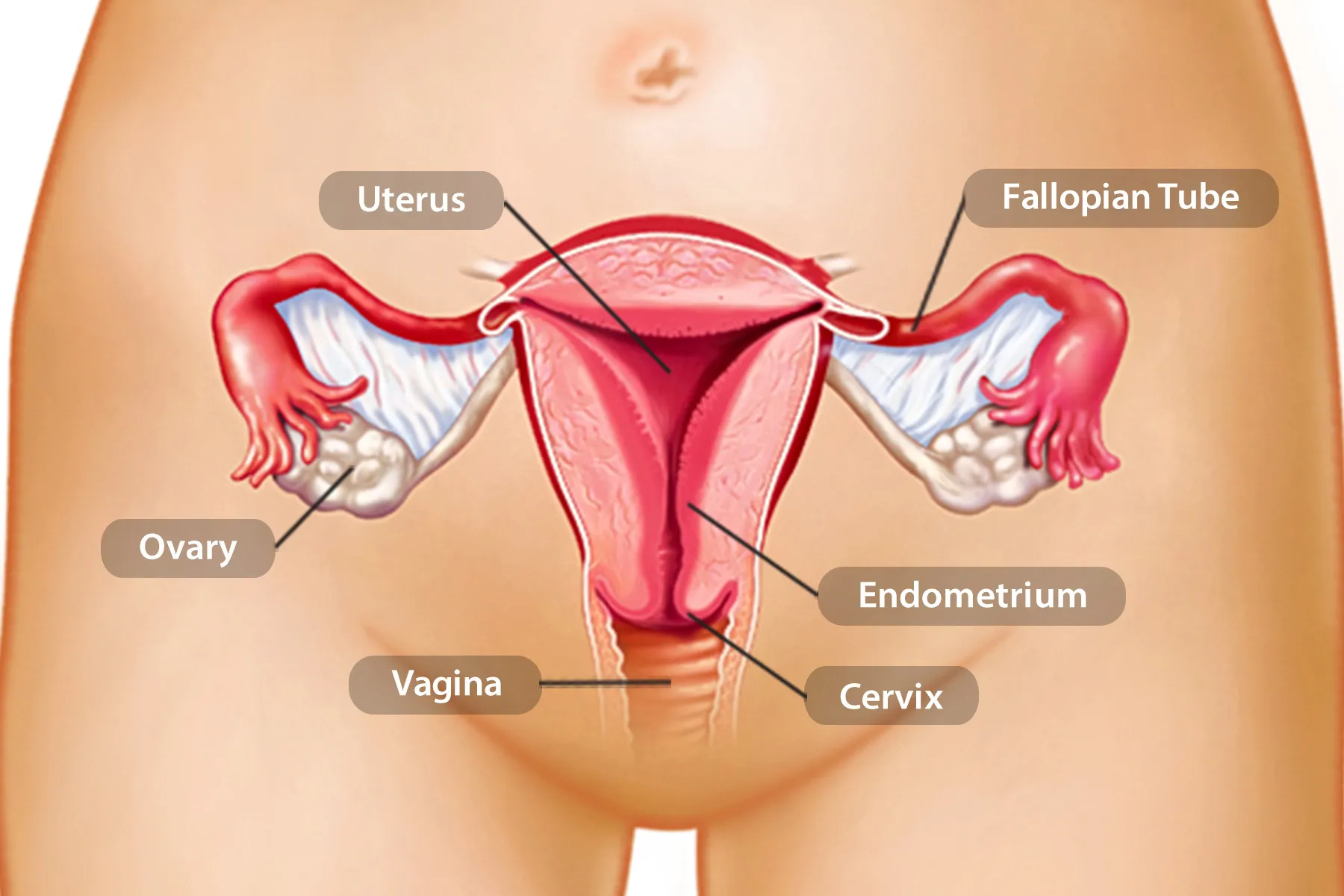
The endometrium rarely gets top billing in conversations about reproductive health. The ovaries release eggs, the uterus carries pregnancies, and hormones receive blame for everything from cramps to mysteriously disappearing chocolate. Meanwhile, the endometrium quietly performs one of the body’s most impressive recurring renovation projects.
This specialized tissue lines the inside of the uterus. During the reproductive years, it grows, changes its structure, prepares for a possible pregnancy, and—if pregnancy does not occur—sheds during menstruation. It then repairs itself and starts again. Far from being passive wallpaper, the uterine lining is a hormonally responsive, blood-vessel-rich tissue involved in menstruation, implantation, fertility, pregnancy, and several common gynecologic conditions.
What Is the Endometrium?
The endometrium is the mucous membrane covering the inner surface of the uterus, a hollow muscular organ located in the pelvis. It contains epithelial cells, connective-tissue cells known as stromal cells, immune cells, glands, and an extensive network of blood vessels. Together, these components create a tissue that can respond quickly to estrogen, progesterone, pregnancy signals, inflammation, and hormonal withdrawal.
The uterus itself has several layers. The endometrium is the innermost layer. Beneath it sits the myometrium, the thick muscle responsible for uterine contractions during menstruation and childbirth. The outer covering is called the perimetrium. These layers work together, but the endometrium is the one that undergoes the most dramatic monthly makeover.
The Two Main Endometrial Layers
The endometrium can be divided into two major layers:
- The functional layer: This upper portion thickens during the menstrual cycle, becomes receptive to an embryo, and is largely shed during a period.
- The basal layer: This deeper portion remains attached to the myometrium and helps regenerate the functional layer after menstruation.
Think of the functional layer as a carefully prepared guest room. If an embryo arrives, the room stays open and receives additional support. If no guest appears, the body clears the room, strips the bedding, and begins preparing it again. The basal layer is the renovation crew that prevents the whole structure from needing to be rebuilt from scratch.
How the Endometrium Changes During the Menstrual Cycle
The ovarian cycle and the endometrial cycle happen simultaneously. The ovaries develop and release an egg, while the uterine lining changes in response to the hormones produced during that process. The endometrial cycle is generally described in three phases: menstrual, proliferative, and secretory.
1. The Menstrual Phase
The first day of menstrual bleeding is counted as day one of the cycle. At this point, estrogen and progesterone levels have fallen because pregnancy did not occur. The drop in hormonal support causes blood vessels in the functional layer to constrict and the tissue to break down.
Blood, endometrial cells, mucus, and other fluids then pass through the cervix and vagina. Only part of the endometrium is lost; the basal layer remains in place so repair can begin rapidly. Menstruation is therefore not simply “bleeding.” It is a tightly regulated process involving inflammation, tissue breakdown, blood-vessel control, and remarkably efficient healing.
2. The Proliferative Phase
After menstruation, developing ovarian follicles produce increasing amounts of estrogen, particularly estradiol. Estrogen stimulates cells in the endometrium to multiply. The lining becomes thicker, glands lengthen, and blood vessels expand.
This phase often varies in length from one cycle to another because the timing of ovulation can change. Stress, illness, major weight changes, intense exercise, age, and hormonal conditions may all influence ovulation and, indirectly, endometrial development.
3. The Secretory Phase
After ovulation, the emptied ovarian follicle becomes the corpus luteum, which produces progesterone. Progesterone shifts the endometrium from growth mode into preparation mode. Its glands become more active and release substances that can nourish an early embryo. Blood flow increases, and stromal cells begin changing through a process called decidualization.
The result is a soft, nutrient-rich, receptive uterine lining. If implantation does not happen, the corpus luteum stops functioning, progesterone and estrogen fall, and menstruation begins again. The secretory phase tends to be more consistent in length than the pre-ovulation portion of the cycle.
The Endometrium’s Role in Implantation and Pregnancy
Successful pregnancy requires more than a healthy egg and sperm. The embryo must also reach the uterus when the endometrium is receptive. During this limited implantation window, molecular signals allow the embryo to attach to and enter the uterine lining.
Once implantation begins, the endometrium provides structural support and helps regulate the immune environment. This is important because the embryo contains genetic material from both parents. The immune system must remain capable of fighting infection without treating the developing pregnancy like an unwanted intruder who entered without knocking.
The endometrium transforms into tissue called the decidua, which interacts with the developing placenta. It helps control how placental cells invade the uterine wall, supports early nutrition, and contributes to maintaining pregnancy. Endometrial receptivity is therefore important in natural conception and assisted reproductive treatment, although fertility depends on many factors beyond lining thickness alone.
Endometrial Thickness: What Does It Mean?
Endometrial thickness can be measured with pelvic ultrasound, most often through transvaginal ultrasound. The measurement changes substantially during the menstrual cycle. A thin lining may be completely normal during or immediately after menstruation, while a thicker lining may be expected later in the cycle.
For this reason, there is no universal “perfect” endometrial measurement for every person. Age, cycle phase, hormone use, pregnancy status, symptoms, and menopause all affect how a measurement should be interpreted. In premenopausal patients, thickness alone generally cannot diagnose hyperplasia or cancer because normal cyclical variation is so wide. Ultrasound can identify thickening, masses, polyps, fibroids, and other structural changes, but it cannot always determine exactly what the tissue contains.
After menopause, the lining usually becomes thinner because estrogen levels decline. Bleeding after menopause should be medically evaluated even when it happens only once. Most causes are not cancer, but postmenopausal bleeding is an important warning sign that should not be filed under “probably nothing” and forgotten.
Common Conditions Affecting the Endometrium
Endometrial Polyps
Endometrial polyps are localized overgrowths attached to the uterine lining. They may be tiny or large enough to occupy a meaningful portion of the uterine cavity. Some cause no symptoms, while others lead to bleeding between periods, heavy menstruation, irregular bleeding, bleeding after menopause, or fertility difficulties.
Most polyps are benign. However, symptomatic polyps or growths found after menopause may need to be removed and examined because abnormal or cancerous cells can occasionally occur within them.
Endometrial Hyperplasia
Endometrial hyperplasia occurs when the lining grows excessively, often because estrogen stimulates the endometrium without enough progesterone to balance that growth. This hormonal pattern may occur with chronic anovulation, polycystic ovary syndrome, obesity, certain medications, or estrogen-only hormone therapy in a person who still has a uterus.
Hyperplasia is not automatically cancer. Some forms have a low likelihood of progression and may respond well to progestin therapy. Hyperplasia with atypical cells, also called endometrial intraepithelial neoplasia in certain classifications, carries a much greater concern for existing or future endometrial cancer and requires close medical management. Abnormal uterine bleeding is its most common symptom.
Endometritis
Endometritis is inflammation of the endometrium, usually related to infection. It may occur after childbirth, miscarriage, uterine procedures, or pelvic infection. Symptoms can include fever, pelvic pain, abnormal discharge, uterine tenderness, and irregular bleeding.
Chronic endometritis may produce subtler symptoms and is sometimes investigated during fertility evaluations. Treatment depends on the cause and commonly includes antibiotics when bacterial infection is present.
Endometriosis and Adenomyosis
Despite their similar names, endometriosis and endometritis are not the same condition. Endometriosis involves tissue similar to the uterine lining growing outside the uterus, commonly around the ovaries, fallopian tubes, pelvic lining, or supporting tissues. It can cause severe menstrual pain, chronic pelvic pain, pain during sex, bowel or bladder symptoms, and infertility.
Adenomyosis occurs when endometrial-type tissue grows into the muscular uterine wall. It is associated with heavy periods, painful cramping, pelvic discomfort, and enlargement of the uterus. In simple terms, endometriosis is outside the uterus, while adenomyosis is inside the uterine muscle. The names may sound like rival spell-check errors, but their locations and management differ.
Endometrial Cancer
Endometrial cancer begins in cells of the uterine lining and is the most common type of uterine cancer. Abnormal bleeding is its best-known warning sign, particularly bleeding after menopause. Premenopausal symptoms may include bleeding between periods, unusually heavy bleeding, or a major change in menstrual patterns. Pelvic pain or pressure may appear, especially with more advanced disease.
Risk is influenced by age, genetics, metabolic health, and lifetime hormonal exposure. Endometrial hyperplasia, obesity, type 2 diabetes, Lynch syndrome, long-term estrogen stimulation without adequate progesterone, and tamoxifen use can increase risk. Having a risk factor does not mean cancer is inevitable, and people without obvious risk factors can still develop it. Symptoms, therefore, matter more than attempting to calculate risk with the confidence of a casino mathematician.
Symptoms That May Point to an Endometrial Problem
Endometrial conditions often announce themselves through changes in bleeding. Symptoms worth discussing with a healthcare professional include:
- Periods that become significantly heavier or longer
- Bleeding or spotting between periods
- Bleeding after sexual activity
- Bleeding after menopause
- Cycles that become persistently irregular
- Severe or worsening menstrual cramps
- Unexplained pelvic pain or pressure
- Difficulty becoming or remaining pregnant
- Symptoms of anemia, such as fatigue, weakness, dizziness, or shortness of breath
Heavy bleeding accompanied by fainting, severe weakness, chest discomfort, shortness of breath, intense pain, or possible pregnancy may require urgent assessment. Bleeding patterns are personal, so a meaningful change from an individual’s usual cycle can be important even when it does not match a tidy textbook definition.
How Endometrial Conditions Are Evaluated
Medical History and Examination
Evaluation commonly starts with questions about bleeding patterns, pain, pregnancy possibility, medications, contraception, hormone therapy, previous pregnancies, family cancer history, and conditions such as PCOS or diabetes. A pelvic examination may help identify cervical, vaginal, uterine, or pelvic causes of symptoms.
Pelvic and Transvaginal Ultrasound
Ultrasound can assess uterine size, endometrial appearance, endometrial thickness, fibroids, polyps, ovarian abnormalities, and other pelvic structures. Saline-infusion sonography may be used to outline the uterine cavity more clearly when a polyp or submucosal fibroid is suspected.
Hysteroscopy
During hysteroscopy, a clinician passes a thin lighted instrument through the cervix to inspect the uterine cavity. This can reveal polyps, fibroids, scar tissue, hyperplasia, and other abnormalities. Small instruments can also be used to take targeted samples or remove certain growths during the procedure.
Endometrial Biopsy
An endometrial biopsy removes a small tissue sample for microscopic examination. It may be recommended for abnormal bleeding, suspected hyperplasia, postmenopausal bleeding, or concern about cancer. The procedure is often completed in an office using a narrow tube passed through the cervix.
Cramping is common, and the intensity varies considerably. The laboratory can identify normal cyclical tissue, inflammation, hyperplasia, atypical cells, or cancer. A reassuring biopsy is valuable, but persistent symptoms may require additional evaluation because a small sample can occasionally miss a localized lesion such as a polyp.
Dilation and Curettage
Dilation and curettage, commonly called D&C, involves opening the cervix and removing tissue from the uterine cavity. It may be performed when more tissue is needed, when office sampling is insufficient, or when bleeding requires treatment. It is frequently combined with hysteroscopy so the clinician can inspect the cavity rather than sampling blindly.
How Endometrial Problems Are Treated
Treatment depends on the diagnosis, symptom severity, age, pregnancy goals, medical history, and whether abnormal cells are present. Options may include observation, iron supplementation for anemia, anti-inflammatory medicines, hormonal contraceptives, progestin tablets, a progestin-releasing intrauterine device, antibiotics, hysteroscopic polyp removal, D&C, or surgery.
Endometrial ablation can reduce heavy bleeding by destroying part of the uterine lining, but it is intended for people who do not plan future pregnancies. Pregnancy after ablation can be dangerous, and contraception may still be necessary. Hysterectomy removes the uterus and is generally reserved for cancer, precancer, severe symptoms, or conditions that have not responded to more conservative treatment.
Experiences Related to Endometrial Health
The following situations are representative of experiences commonly described in clinical care. They are not individual testimonials and should not replace personalized medical advice.
When a “Normal Period” Slowly Stops Feeling Normal
Endometrial problems do not always arrive with a dramatic movie soundtrack. A person may first notice that periods are lasting eight days instead of five, that overnight pads are needed during the afternoon, or that spotting has begun appearing between cycles. Because menstrual bleeding naturally varies, these changes are often dismissed for months.
The practical disruption can be substantial. People may plan workdays around restroom access, carry spare clothes, avoid exercise, cancel social events, or sleep on towels because they are worried about leaking. Fatigue may gradually develop as iron stores fall. By the time they seek care, they may assume they are overreacting, when they have actually adapted to a level of bleeding that deserves evaluation.
Keeping a simple bleeding record can make an appointment more productive. Useful details include the first and last day of bleeding, how often products are changed, the presence of large clots, breakthrough bleeding, pain levels, dizziness, and medications. Nobody needs to produce a color-coded spreadsheet worthy of NASA. A few accurate notes are usually more helpful than trying to remember three chaotic months while wearing a paper examination gown.
Going Through an Endometrial Biopsy
Many patients feel anxious before an endometrial biopsy, especially after reading descriptions ranging from “a little pinch” to “my uterus filed a formal complaint.” Experiences genuinely differ. Some people feel brief pressure and cramping; others experience sharper pain, particularly if the cervix is difficult to pass or they have a history of painful pelvic procedures.
Before the appointment, patients can ask what pain-control options are available, whether an anti-inflammatory medicine is appropriate, how long the procedure generally takes, and whether someone should drive them home. During the biopsy, slow breathing and consciously relaxing the pelvic muscles may help, although nobody should be told that pain exists simply because they failed to relax correctly.
Mild cramping and spotting may occur afterward. Clinicians usually provide instructions about warning signs such as fever, worsening pain, foul-smelling discharge, or heavy bleeding. Waiting for pathology results can be the most stressful part. Clear information about when and how results will arrive helps reduce the urge to refresh a patient portal every 43 seconds.
Fertility Evaluation and the Obsession With Lining Numbers
During fertility treatment, endometrial thickness may become a number loaded with enormous emotional meaning. Patients often compare measurements online and worry that a lining differing by a millimeter has ruined an entire cycle. Ultrasound measurements are useful, but they are only one part of implantation.
Embryo quality, uterine anatomy, hormone timing, endometrial development, age, underlying health conditions, and chance all influence outcomes. A seemingly ideal lining does not guarantee pregnancy, while a measurement below a clinic’s preferred target does not always make success impossible. The most helpful conversation is not simply, “Is my lining good?” but, “How does this measurement fit with my cycle, history, treatment plan, and the rest of my results?”
Repeated implantation failure can be especially difficult because patients may be offered numerous tests or add-on treatments. Current evidence for some endometrial tests and experimental therapies remains limited. Asking what a test changes, what evidence supports it, and whether it improves live-birth outcomes can protect patients from expensive procedures that sound more certain than the science actually is.
Bleeding After Menopause
A small amount of bleeding after menopause may be tempting to ignore, particularly when it stops quickly. Patients sometimes assume dryness, exercise, or irritation must be responsible. Those explanations are possible, but postmenopausal bleeding still warrants evaluation because the source cannot be confirmed by appearance alone.
The first assessment may include an examination, ultrasound, biopsy, or hysteroscopy. Many evaluations reveal benign conditions such as thinning tissue or a polyp. When hyperplasia or cancer is found, seeking care promptly may allow earlier treatment. The experience illustrates an important rule of endometrial health: the amount of blood does not reliably indicate the seriousness of its cause.
Feeling Heard Matters
People with heavy bleeding or pelvic pain sometimes hear that difficult periods are simply part of life. Menstruation can certainly be uncomfortable, but symptoms that interfere with work, sleep, school, relationships, exercise, or ordinary daily activities deserve attention.
A useful appointment should address both medical findings and quality of life. Patients can ask what diagnoses are being considered, why a particular test is recommended, what treatment alternatives exist, how each option affects fertility, and when follow-up is needed. Seeking a second opinion is reasonable when symptoms remain unexplained or treatment goals are not being respected.
Conclusion
The endometrium is a dynamic organ within an organ. It rebuilds after menstruation, responds to ovarian hormones, creates an environment for implantation, supports early pregnancy, and changes throughout puberty, the reproductive years, pregnancy, perimenopause, and menopause.
Because the uterine lining is so responsive, hormonal disruptions and structural abnormalities frequently appear as changes in bleeding. Polyps, hyperplasia, infection, endometriosis, adenomyosis, and endometrial cancer can share symptoms, which is why diagnosis should be based on proper evaluation rather than symptom guessing.
Paying attention to menstrual patterns is not an exercise in worrying about every spot of blood. It is a practical way to recognize meaningful changes. Persistent irregular bleeding, unusually heavy periods, worsening pelvic pain, fertility concerns, and any bleeding after menopause deserve a conversation with a qualified healthcare professional.
Medical note: This article provides general educational information and is not a diagnosis or treatment plan. Anyone with heavy bleeding, severe pain, fainting, possible pregnancy complications, or bleeding after menopause should seek appropriate medical care.