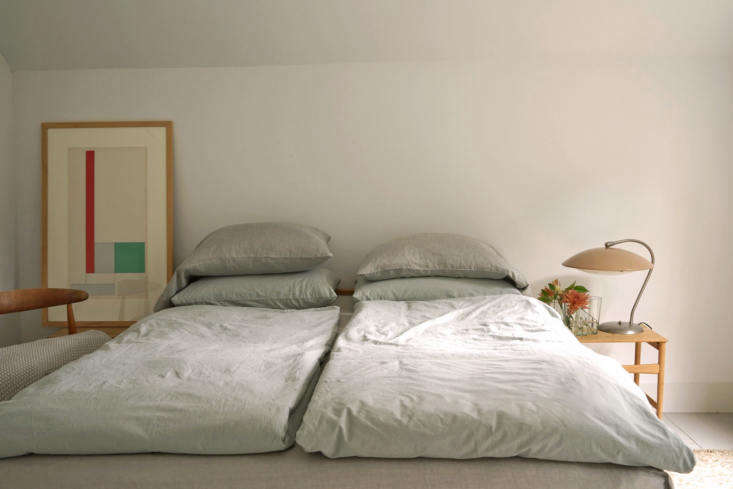
The Area Anton Duvet Cover is designed for people who want their bedroom to look thoughtfully styled without appearing as though someone spent three hours arranging every wrinkle with tweezers. Made from washed organic cotton percale, it combines the crisp freshness associated with hotel bedding with a relaxed, slightly rumpled finish that feels more approachable than formal.
Designed in New York and manufactured in Portugal, the Anton belongs to Area’s understated bedding collection. Its solid, muted colors, breathable construction, and uncomplicated button closure make it a practical option for modern, Scandinavian-inspired, coastal, minimalist, and casually luxurious bedrooms. It is not flashy bedding. It is the bedding equivalent of the person who looks effortlessly well dressed while insisting, “Oh, I just threw this on.”
Product specifications and collection positioning:
What Is the Area Anton Duvet Cover?
The Area Anton Duvet Cover is a removable cover made from 100% certified organic cotton. The fabric is woven in a classic percale construction, dyed in small batches, and prewashed to create a softer hand and an intentionally informal appearance. The result sits between two familiar bedding personalities: crisp enough to feel fresh, yet relaxed enough that ironing is entirely optional.
Its medium-weight fabric is intended for year-round use. Rather than producing the glossy surface and fluid drape associated with cotton sateen, percale creates a matte finish with a cleaner, slightly structured feel. The cover closes with buttons, keeping the duvet insert enclosed while preserving the design’s simple appearance.
The collection is available in a palette of understated colors, including pure White, warm Ivory, pale blue Dove, greyed Lilac, taupe-leaning Khaki, blue-green Mineral, warm-grey Porcelain, and dark blue-grey Steel. These are quiet colors rather than candy-store colors. Even Lilac has been softened with grey, so the bed looks restful instead of resembling a grape-flavored dessert.
Official material, construction, closure, origin, and color descriptions:
Key Features of the Anton Duvet Cover
Washed Organic Cotton Percale
The central feature is the fabric. Percale uses a straightforward woven construction that generally produces a crisp, lightweight, breathable surface. Cotton industry guidance distinguishes percale from sateen by describing percale as cooler and crisper, while sateen tends to feel smoother, silkier, and more lustrous. Cotton also absorbs moisture and allows it to evaporate, which can help maintain a more comfortable sleep environment.
Because Anton is prewashed, it should feel less rigid than completely unfinished percale when first removed from its packaging. The washing process also contributes to the lived-in texture. It is supposed to look gently relaxed, so a few wrinkles are part of the design rather than proof that your laundry routine has collapsed.
Percale and washed-cotton performance:
Breathable, Medium-Weight Construction
The Anton is described as medium weight, giving it more presence than extremely thin percale while retaining the airflow expected from cotton bedding. This balance can be useful for couples who disagree about bedroom temperature. It cannot negotiate a thermostat treaty, but it avoids the heavy, heat-trapping sensation of some dense synthetic covers.
Hot sleepers are often directed toward cotton percale because its relatively airy structure does not cling closely to the body. However, the duvet insert remains the biggest influence on warmth. Pair Anton with a lightweight insert for summer, a medium-loft insert for year-round use, or a warmer down or down-alternative insert when winter arrives.
Breathability and temperature guidance:
Button Closure
Buttons provide a traditional finish along the opening and allow the cover to be removed for washing. Some shoppers prefer zippers because they are faster, while others like buttons because individual fasteners can often be repaired more easily. Area’s product information confirms a button closure but does not prominently specify internal corner ties. Buyers who consider corner ties essential should confirm that detail before ordering.
Designed in New York and Made in Portugal
Area is a New York-based company founded by Swedish designer Anki Spets. The brand’s work reflects a Scandinavian preference for natural fibers, functional simplicity, subtle color, and objects that are attractive enough for a design-conscious home but practical enough for ordinary life.
The Anton collection is manufactured in Portugal, a country with a substantial home-textile industry. This combination of New York design, Scandinavian influence, and Portuguese production explains the cover’s particular mood: polished but not precious, modern but not sterile, and simple without feeling generic.
Brand and manufacturing background:
Area Anton Duvet Cover Sizes
The Anton is offered in three duvet-cover sizes:
- Twin: 68 by 86 inches
- Full/Queen: 86 by 86 inches
- King: 104 by 86 inches
Always compare these measurements with the dimensions of the duvet insert, not merely the mattress label. “Queen” is not a universal measurement in the bedding world, where apparently even rectangles enjoy creative freedom. An insert that is much smaller than the cover may slide, bunch, and leave empty fabric at the edges. An insert that is slightly fuller can create a loftier appearance, but one that is substantially oversized may fit awkwardly and stress the seams or buttons.
The Full/Queen version is square, while the Twin and King sizes are wider in one direction. Before inserting the duvet, identify the long and short edges. This tiny step prevents the classic bedtime puzzle in which two adults rotate a comforter repeatedly while questioning every decision that brought them to this moment.
Official Anton dimensions:
How the Anton Duvet Cover Feels
Anton is best understood as soft-crisp rather than silky-soft. The surface has the clean, dry hand associated with cotton percale, but prewashing reduces the stiff feeling that some brand-new percale bedding can have. It should become more supple through normal use and laundering while retaining its matte, airy personality.
People who enjoy cool hotel sheets, freshly laundered cotton shirts, or bedding with a little structure are likely to appreciate it. Shoppers who want an ultra-smooth, fluid, almost satin-like surface may be happier with sateen. Neither weave is universally superior; the difference is closer to choosing between a crisp apple and a ripe peach. Both are good, but expecting one to behave like the other leads to disappointment.
Another consideration is sound. Fresh percale can produce a faint rustle when moved. Many sleepers associate that sound with clean bedding, while exceptionally light sleepers may prefer quieter, drapier fabrics. Washing generally softens both the hand and the sound over time.
Percale feel and break-in behavior:
Color and Bedroom Styling Ideas
White and Ivory
White creates the brightest, cleanest look and works well with black, walnut, oak, brass, and painted furniture. Ivory adds warmth without becoming noticeably yellow. Pair either shade with a textured wool blanket, a natural wood bed, and one patterned pillow for a bedroom that feels finished but not decorated within an inch of its life.
Dove, Mineral, and Steel
These blue-based shades support calm, layered interiors. Dove is the lightest and easiest to use in small rooms. Mineral introduces subtle blue-green depth and coordinates well with cream, clay, sage, and natural linen. Steel is darker and more architectural, making it a strong choice for masculine bedrooms, lofts, and rooms with pale floors or walls.
Khaki and Porcelain
Khaki leans toward taupe with grey and green undertones, while Porcelain reads as a pale, warm grey. Both are versatile neutral options for bedrooms that already contain wood, stone, leather, or woven natural materials. These shades are especially useful when pure white feels too sharp but beige feels too predictable.
Lilac
Anton Lilac is restrained rather than sugary. Its grey undertone allows it to coordinate with charcoal, warm white, mushroom, silver, pale oak, and muted blue. It can soften a minimalist bedroom without turning the room into a themed purple palace.
Benefits of Choosing the Area Anton Duvet Cover
- Breathable comfort: Cotton percale is a sensible choice for warm sleepers and warm climates.
- Relaxed appearance: The prewashed finish makes minor wrinkles look intentional.
- Natural material: The cover is labeled as 100% certified organic cotton.
- Flexible styling: Muted solid colors coordinate easily with existing sheets, blankets, and furniture.
- Year-round usefulness: Its medium-weight construction can be paired with different inserts as temperatures change.
- Easier bedding maintenance: Washing a removable cover is generally more manageable than cleaning a bulky comforter.
Certification language deserves careful reading. Area identifies Anton as certified organic cotton, but shoppers who want details about a specific standard should check the current product label or ask the retailer. Comprehensive systems such as the Global Organic Textile Standard evaluate processing stages and include environmental and social criteria, while U.S. textile rules require accurate disclosure of fiber content and country of origin. “Organic” should be supported by documentation, not sprinkled onto a product description like decorative parsley.
Organic-textile and labeling context:
Potential Drawbacks
No duvet cover is ideal for every sleeper. Anton’s possible disadvantages include:
- Percale is not silky: Anyone expecting a slick, glossy surface may find it comparatively dry or crisp.
- Wrinkling is normal: The casual rumpled texture is part of the appeal, but dedicated wrinkle opponents may reach for an iron.
- Premium positioning: It costs more than many mass-market cotton duvet covers.
- Buttons take time: Refastening them is slower than closing a zipper.
- Insert matching matters: An incorrectly sized insert may shift inside the cover.
- Limited visual drama: Solid, muted colors may feel too quiet for shoppers who prefer bold prints.
How to Wash and Care for Anton Bedding
Area recommends washing its bedding before use in warm or cold water, using a regular or gentle machine cycle. Bedding should be separated from other laundry, with light and dark colors washed apart. The company also advises removing damp bedding promptly, shaking it out before drying, and avoiding fabric softener.
Use a mild detergent and avoid overloading the washer. A duvet cover needs room to circulate; cramming it into a drum beside a week’s worth of jeans is not efficient launderingit is fabric traffic congestion. Close the buttons before washing only when the care label recommends doing so; otherwise, follow the instructions attached to the specific product.
Wash frequency depends on how the bed is used. A cover that directly touches the sleeper usually needs more frequent laundering than one protected by a top sheet. General bedding guidance commonly recommends washing duvet covers weekly or every two weeks, adjusted for pets, allergies, perspiration, illness, and personal preference.
Dry according to the sewn-in label, preferably without excessive heat. Prompt removal and a good shake can reduce wrinkles. Since Anton is meant to look relaxed, perfect pressing is unnecessary. Smooth it over the insert, make the bed, and let gravity complete its modest contribution to housekeeping.
Manufacturer and general care guidance:
Who Should Buy the Area Anton Duvet Cover?
Anton is particularly well suited to:
- Hot sleepers who prefer breathable cotton bedding
- People who like crisp percale more than silky sateen
- Fans of Scandinavian, minimalist, coastal, or modern interiors
- Shoppers seeking an organic cotton duvet cover
- Anyone who appreciates muted, easy-to-coordinate colors
- People who prefer bedding that looks better slightly rumpled
It may be less suitable for shoppers who want elaborate embroidery, dramatic patterns, wrinkle-free finishes, or an extremely plush and velvety surface. It is also worth checking the return conditions of the retailer used for the purchase, since policies can differ between Area and third-party sellers.
Retailer policies and product positioning:
Area Anton Duvet Cover: Everyday Experience
The most noticeable quality in daily use is likely to be the cover’s balance between order and informality. Immediately after making the bed, the percale gives the duvet enough structure to create clean edges and a defined silhouette. A few hours later, natural folds develop across the surface. Instead of making the room look messy, those folds reinforce the washed-cotton aesthetic. This is useful in a working bedroom where the bed must look presentable without receiving boutique-hotel turndown service every morning.
During warmer nights, the cotton surface should feel fresher than a dense polyester cover or a heavy sateen. The fabric does not create cooling through technology; it simply relies on cotton’s moisture handling and the relatively breathable percale weave. With a lightweight insert, this can produce an airy setup for summer or humid climates. With a thick winter insert, the cover remains comfortable, although the insert will determine most of the insulation.
The first few nights may feel crisper than expected for someone accustomed to brushed cotton, microfiber, jersey, or sateen. That sensation usually becomes more familiar after laundering. The fabric should gradually relax without turning limp. This developing softness is one of percale’s attractions: it ages more like a favorite cotton shirt than a glossy fabric whose finishing treatment eventually disappears.
Changing the cover requires the usual duvet wrestling match. The easiest approach is to turn Anton inside out, align its upper corners with the insert, secure any available attachment points, and then roll or shake the cover into place. Because the product description confirms buttons but does not clearly advertise internal ties, insert stability may depend partly on achieving a close dimensional match. A well-fitted insert should remain more evenly distributed than one floating inside an oversized cover.
Color selection also changes the ownership experience. White looks fresh but shows makeup, pet hair, and late-night snacks with the investigative enthusiasm of a crime-scene technician. Steel is more forgiving and creates stronger visual contrast. Ivory and Porcelain provide the easiest middle ground, concealing minor everyday imperfections while remaining light enough to keep the room open. Mineral adds character without dominating nearby décor, while Lilac introduces softness in a sophisticated way.
Laundering should be manageable in a suitably sized home washer, especially compared with washing an entire comforter. The prewashed finish means there is little reason to iron the cover unless a sharply pressed appearance is personally important. Removing it promptly from the dryer, shaking it, and placing it on the insert while slightly warm should help control excessive creasing.
Over time, Anton’s greatest advantage may be its visual adaptability. Changing a throw, pillow, rug, or wall color does not automatically require replacing the duvet cover. The understated palette acts as a foundation rather than a theme. This makes the purchase easier to justify for someone who redecorates occasionally but does not want to rebuild the entire bed every time a new decorative pillow mysteriously follows them home.
Final Verdict
The Area Anton Duvet Cover is a strong choice for sleepers who value breathable organic cotton, crisp percale, muted color, and a relaxed modern appearance. Its design is simple, but the simplicity is deliberate: natural material, practical construction, versatile shades, and a finish that improves rather than panics when slightly wrinkled.
Its premium price and distinct percale texture will not suit everyone. Those who prefer silky bedding or bold prints should look elsewhere. For the right buyer, however, Anton offers an appealing combination of everyday durability, understated luxury, and low-fuss styling. It helps a bedroom feel calm and considered without making the bed look as though sitting on it would violate museum policy.
Note: Product colors, inventory, pricing, certifications, included features, and retailer policies may change. Confirm current specifications and compare the duvet-cover measurements with your insert before purchasing.