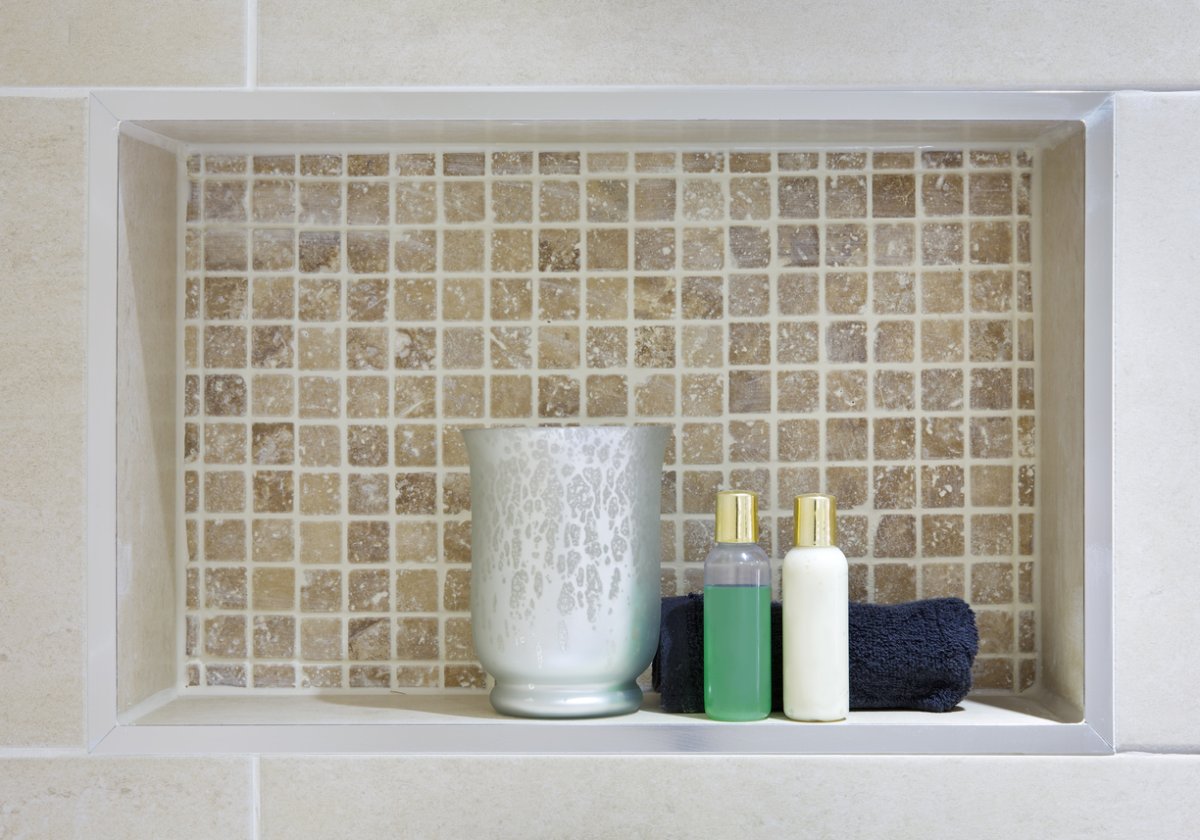
A shower niche is one of those bathroom upgrades that seems small until you live with one. Suddenly, shampoo bottles are no longer performing a balancing act on the tub ledge, slippery soap is not auditioning for an escape scene, and that bulky wire shower caddy can retire with dignity.
Built-in shower storage turns an empty wall cavity into a practical home for shampoo, conditioner, body wash, razors, and the mysterious collection of half-used face masks that somehow multiplies overnight. More importantly, a well-designed recessed shower shelf keeps necessities close without stealing elbow room from the shower itself.
The best shower niche ideas balance looks, storage needs, tile layout, and construction reality. A niche may be beautiful, but it also needs to be waterproof, easy to clean, and thoughtfully placed around wall studs, plumbing, and electrical lines. In other words: the glamorous little shelf needs a serious plan behind the tile.
Why a Built-In Shower Niche Beats a Hanging Caddy
A recessed shower niche creates storage inside the wall rather than inside the shower footprint. That makes it especially useful in small bathrooms, compact walk-in showers, and tub-shower combinations where every inch matters.
Unlike suction-cup baskets and rust-prone hanging organizers, a tiled shower niche can become part of the room’s architecture. It can disappear into matching wall tile, stand out with a bold mosaic, or act as a mini feature wall for your favorite bottles. Yes, even body wash deserves a little stage lighting sometimes.
Before Choosing a Shower Niche Design, Plan These Details
Start With What You Actually Store
Measure your tallest shampoo and conditioner bottles before settling on a niche height. A sleek little recess may look fantastic in a design photo, but it becomes less charming when every bottle has to lie sideways like it is taking a nap.
Think about who uses the shower, too. A single occupant may need one simple shelf. A shared primary bath may need divided storage, separate zones, or a wide horizontal niche that avoids the daily battle of “Why is your giant bottle in my spot?”
Respect Studs, Pipes, and Wires
Most shower niches are built between wall studs. Before cutting into a wall, confirm what is behind it. Plumbing supply lines, drain vents, electrical wiring, insulation, and structural framing can all affect the niche location and size.
A long wall-to-wall niche may require a furred-out wall or custom framing rather than simply removing studs. Never treat framing like a suggestion. A bathroom remodel can become very expensive when an innocent-looking wall turns out to be carrying a very serious job.
Waterproofing Is Not Optional
Tile and grout are decorative finish materials, not the complete waterproofing system. The niche should be integrated into the shower’s waterproof membrane or waterproof backer-board system, with carefully sealed corners, seams, fasteners, and transitions.
The niche bottom should slope slightly toward the shower so water does not linger inside. A tiny pitch makes a big difference: water drains out, soap scum has less time to settle in, and your niche avoids becoming a miniature indoor pond.
10 Shower Niche Ideas for Built-In Bathroom Storage
1. The Long Horizontal Shower Niche
A horizontal shower niche stretches across part of a wall and offers generous storage without making the shower feel crowded. This design works especially well on the back wall of a walk-in shower, where it can align with grout lines and create a clean architectural band.
Use the same tile as the shower walls for a subtle look, or line the back with a contrasting mosaic to make the niche feel intentional. A long niche is excellent for households with several bottles, but confirm the wall framing before committing to a dramatic span.
2. The Stacked Double Niche
A stacked double niche creates two storage compartments instead of one large cavity. The lower shelf can hold everyday shampoo and body wash, while the upper shelf handles smaller items such as razors, facial cleansers, or a sponge that is somehow always disappearing.
This layout gives the shower a neat, organized look and helps prevent product clutter. It also works beautifully with a stone or solid-surface shelf, which adds a polished detail while breaking up the tile pattern.
3. The Vertical Spa Tower
A tall vertical shower niche is ideal for narrow walls and showers with limited horizontal room. It creates a sleek, hotel-inspired look while providing several storage levels from floor to shoulder height.
Consider two or three shelves inside the niche. Keep the lower sections taller for bottles and reserve upper sections for bars of soap, skincare products, or decorative items that can survive a humid environment without developing an identity crisis.
4. The Seamless Same-Tile Niche
For a minimalist bathroom, tile the niche with the same material used on the surrounding shower wall. Matching tile keeps the recess visually quiet, allowing the storage to blend into the architecture rather than compete with it.
This approach works particularly well with large-format porcelain, marble-look tile, soft neutrals, and modern spa bathrooms. The niche still improves function, but it does not shout, “Look at me, I hold conditioner!”
5. The Mosaic-Backed Feature Niche
A mosaic-backed shower niche is a small opportunity to bring personality into a bathroom without covering every wall in bold pattern. Try penny tile, herringbone mosaic, handmade-look ceramic, or a colorful geometric tile on the niche back wall.
Because the niche is a relatively small area, it is a smart place to use a pricier accent tile. It can feel like jewelry for the shower: a little sparkle, a little texture, and far less commitment than tiling the entire room in something wild.
6. The Two-Person Symmetry Setup
Shared showers often benefit from two separate niches placed side by side or on opposite walls. Each person gets a designated storage zone, which can make the space feel calmer and reduce the chances of products migrating across the shower overnight.
For visual balance, use matching dimensions and align both niches with the tile layout. For practical balance, let each person fill their side with whatever combination of shampoo, conditioner, beard wash, curl cream, or mysterious neon scrub brings them joy.
7. The Low Niche for Kids and Shaving Supplies
A lower shower niche can be useful in family bathrooms. It gives children easier access to soap and shampoo while placing shaving supplies at a convenient height for adults using a shower bench or tub-shower combination.
Low niches should still be located where they will not receive the heaviest blast from the showerhead. Choose easy-to-clean tile, avoid overly deep recesses, and keep the shelf design simple enough that it does not become a forgotten storage cave.
8. The Arched Shower Niche
An arched shower niche softens the straight lines of tile, glass, and metal fixtures. It is a lovely choice for Mediterranean, vintage-inspired, cottage, or spa-style bathrooms where a rectangular opening might feel too sharp.
The curve requires more careful tile work and waterproofing than a standard box-shaped niche, so this is generally a job for an experienced tile installer. The payoff is a custom look that feels less builder-basic and more boutique hotel.
9. The Tile-Free Metal Niche
Tile-free shower niches use waterproof finished inserts, often in powder-coated aluminum or stainless-style finishes. These can create a crisp modern look while reducing the number of tile cuts around the opening.
Matte black, white, warm neutrals, and dark metallic finishes can coordinate with shower trim, drains, and hardware. This option is especially appealing for contemporary bathrooms where clean lines matter more than adding another tiny mosaic masterpiece.
10. The Lighted Shower Niche
An illuminated shower niche adds a soft glow to the shower and turns ordinary storage into a design feature. Integrated LED lighting can highlight tile texture, make bottles easier to find, and create a more relaxing atmosphere for evening showers.
Because electricity and wet areas deserve enormous respect, use a system specifically designed for shower installation and have the electrical work handled correctly. A beautiful glow is wonderful. A questionable DIY wiring adventure is less wonderful.
How to Make Any Shower Niche Look Custom
The secret to a polished shower niche is coordination. Align the niche edges with grout lines whenever possible. Match the niche width to tile dimensions. Use trim pieces, mitered tile edges, stone shelving, or metal profiles to create a clean finish.
Depth matters as much as width. A niche that is too shallow may not hold larger bottles securely, while one that is too deep becomes harder to wipe clean. Choose a depth that fits your products and leaves enough room to reach in comfortably.
For easy maintenance, select durable tile rated for wet areas, use quality grout and sealant where appropriate, and avoid overcrowding the niche. A shower shelf looks more luxurious when it holds a few useful things, not the entire contents of a drugstore aisle.
Real-World Shower Niche Experiences: Lessons Homeowners Learn During a Remodel
One of the most common lessons homeowners learn is that shower niche planning should happen before the tile order is finalized. It is tempting to choose a gorgeous wall tile first and figure out the niche later, but the best results usually come from designing both together. When the niche height and width align with grout lines, the installation looks calm and deliberate. When they do not align, the tile installer may need to make narrow slivers and awkward cuts that draw attention for all the wrong reasons.
Another frequent discovery is that bigger is not automatically better. A huge niche can be useful, but it may introduce framing complications, interfere with plumbing, or turn into a very visible shelf full of mismatched plastic bottles. Many homeowners eventually prefer a moderately sized niche with one well-placed shelf over an oversized recess that dominates the wall.
People also tend to underestimate how much a slight slope matters. A niche base that looks perfectly level can collect water after every shower. Over time, this creates a damp line of soap residue and makes cleaning feel more annoying than it should. A subtle slope toward the shower opening helps water escape while still keeping bottles upright.
Shared bathrooms reveal another practical truth: storage needs grow quickly. Two people often bring double the bottles, but the collection can somehow become triple the clutter. Separate compartments, stacked niches, or a long recessed shelf can prevent one person’s oversized conditioner bottle from becoming the unofficial landlord of the shower.
Tile choice also changes the day-to-day experience. Tiny mosaics are beautiful, but they create more grout lines. More grout lines mean more cleaning. Large-format tile can look sleek and reduce maintenance, though it may require careful cuts around the niche. A smart compromise is to use simple wall tile with a small mosaic only on the niche back, giving the shower visual interest without turning cleaning day into an archaeological dig.
Homeowners who invest in professional waterproofing rarely regret it. The niche may be small, but it has multiple corners, seams, and transitions where water management matters. A beautiful installation should not only look finished on day one; it should continue protecting the wall assembly long after the excitement of the remodel has faded.
Finally, many people find that the most successful shower niche is the one they barely notice during daily life. It holds everything needed, drains properly, cleans easily, and fits the room’s style. That may not sound glamorous, but in bathroom design, effortless function is often the real luxury.
Final Thoughts on Shower Niche Ideas
A shower niche is one of the easiest ways to add built-in bathroom storage while making a shower feel more organized and intentional. From subtle same-tile recesses to bold mosaic displays, vertical storage towers, double niches, and softly lighted shelves, there is a design for nearly every bathroom style.
The key is to treat the niche as part of the shower system, not as an afterthought. Plan the storage around real products, coordinate the opening with the tile layout, protect it with a reliable waterproofing system, and make sure the base drains properly. Do that, and the humble shampoo shelf becomes one of the hardest-working details in the entire bathroom.