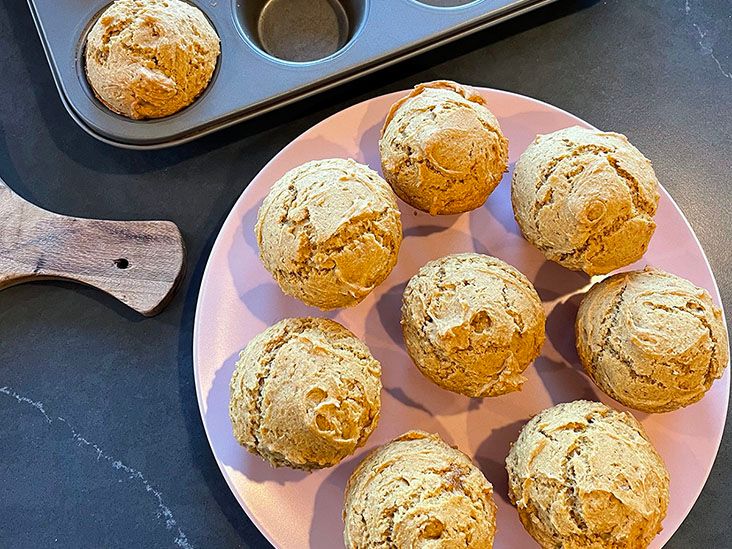
There are two kinds of pumpkin muffins in the world: the dry, crumbly kind that tastes like a scented candle got lost in a bakery, and the soft, warmly spiced kind that makes your kitchen smell like autumn put on a sweater. These egg-free, gluten-free pumpkin muffins belong proudly in the second category.
They are tender without eggs, cozy without being heavy, and gluten-free without requiring a chemistry degree, a panic spiral, or seven mysterious flours from the back aisle of a health food store. Whether you are baking for someone with an egg allergy, a gluten sensitivity, celiac disease, or a family member who “just wants a muffin that does not taste like cardboard,” this recipe-style guide will help you bake pumpkin muffins that are moist, flavorful, and genuinely worth repeating.
The secret is balance. Pumpkin puree brings moisture and natural body. A good gluten-free flour blend provides structure. Oil keeps the crumb soft. A little acid and leavening help the muffins rise. Warm spices do the emotional heavy lifting. And yes, chocolate chips are optionalbut spiritually encouraged.
Why Egg-Free and Gluten-Free Pumpkin Muffins Actually Work
Traditional muffins rely on wheat flour for structure and eggs for binding, moisture, and lift. Remove both, and things can get dramatic. Gluten-free batter may turn gritty, egg-free batter may collapse, and suddenly breakfast looks like a tiny pumpkin landslide. Luckily, pumpkin muffins are one of the most forgiving baked goods to adapt.
Pumpkin puree is naturally thick, smooth, and moisture-rich. It helps hold the batter together and gives the muffins a soft crumb. Unlike delicate vanilla cupcakes, pumpkin muffins welcome densityas long as it is tender, not gummy. That makes them ideal for eggless gluten-free baking.
For the gluten-free side, a reliable 1-to-1 gluten-free baking flour is the easiest choice. Look for a blend that includes rice flour, starches, and a binder such as xanthan gum. These blends are designed to mimic all-purpose flour in quick breads, muffins, pancakes, and cakes. If your flour blend does not contain xanthan gum, adding a small amount can help reduce crumbling and improve structure.
The Best Ingredients for Moist Egg-Free, Gluten-Free Pumpkin Muffins
1. Pumpkin Puree, Not Pumpkin Pie Filling
Use plain canned pumpkin puree, not pumpkin pie filling. Pumpkin puree is cooked and mashed squash with no added sugar or spice. Pumpkin pie filling already contains sweeteners and spices, which can throw off the recipe and make the muffins taste like they are trying too hard at a fall festival.
Canned pumpkin is especially useful because it has a consistent texture and moisture level. Homemade pumpkin puree can work, but it may be wetter. If using homemade puree, drain it in a fine-mesh sieve or cheesecloth until it resembles thick canned pumpkin.
2. Gluten-Free 1-to-1 Baking Flour
For dependable results, use a cup-for-cup gluten-free baking blend. Muffins are quick breads, which means they are much more flexible than yeast breads. A balanced blend with starches and a binder helps create a tender crumb instead of a sandy situation.
Avoid using a single flour, such as almond flour, coconut flour, or rice flour, as a direct replacement unless the recipe is specifically designed for it. Coconut flour, for example, absorbs moisture like it has been wandering the desert. Almond flour adds richness but does not behave like all-purpose flour on its own.
3. Oil for Softness
Oil is a muffin’s best friend. It keeps the crumb moist and soft even after the muffins cool. Neutral oils such as avocado oil, canola oil, light olive oil, or vegetable oil all work well. Melted coconut oil is another option, though it may firm up slightly once the muffins cool.
4. Brown Sugar or Maple Syrup
Brown sugar adds moisture and a caramel-like depth that pairs beautifully with pumpkin spice. Maple syrup can also work, especially if you want a naturally sweetened version, but liquid sweeteners may require small adjustments to the flour or baking time. For the most bakery-style result, a mix of brown sugar and a little maple syrup gives both structure and flavor.
5. Pumpkin Spice and a Pinch of Salt
Pumpkin itself is mild. It needs cinnamon, ginger, nutmeg, cloves, or prepared pumpkin pie spice to become the cozy muffin we all signed up for. Salt is just as important because it sharpens the sweetness and keeps the flavor from tasting flat.
Egg Replacers That Work Best in Pumpkin Muffins
Egg-free baking is not about finding one magical substitute for every recipe. It is about choosing the right helper for the job. In pumpkin muffins, you want moisture, binding, and a little lift.
Flax Egg
A flax egg is made by mixing ground flaxseed meal with water and letting it gel for a few minutes. It binds well and works nicely in hearty muffins. The flavor is slightly nutty, which suits pumpkin spice.
Applesauce
Unsweetened applesauce adds moisture and mild binding. It is a good choice for softer muffins, though too much can make the crumb slightly dense.
Extra Pumpkin Puree
Since pumpkin puree already helps bind the batter, some recipes can skip a separate egg replacer entirely. However, for a better rise and cleaner crumb, pairing pumpkin with a flax egg or a touch of baking powder usually works better.
Commercial Egg Replacer
Store-bought egg replacers can be helpful when you want consistency. They usually contain starches and leavening agents that help mimic some of the structure eggs provide.
Copycat Bakery-Style Recipe: Egg-Free, Gluten-Free Pumpkin Muffins
This version is designed to be simple, reliable, and flexible. It makes about 12 standard muffins.
Ingredients
- 1 3/4 cups gluten-free 1-to-1 baking flour
- 1 teaspoon baking powder
- 1/2 teaspoon baking soda
- 1/2 teaspoon xanthan gum, only if your flour blend does not include it
- 1 1/2 teaspoons pumpkin pie spice
- 1 teaspoon cinnamon
- 1/2 teaspoon fine salt
- 3/4 cup brown sugar, lightly packed
- 1 cup canned pumpkin puree
- 1/2 cup dairy-free milk or regular milk
- 1/3 cup neutral oil
- 1 tablespoon apple cider vinegar or lemon juice
- 1 teaspoon vanilla extract
- 1 flax egg: 1 tablespoon ground flaxseed meal mixed with 3 tablespoons water
- Optional: 1/2 cup chocolate chips, chopped walnuts, pecans, or pumpkin seeds
Instructions
- Preheat the oven to 350°F. Line a 12-cup muffin pan with paper liners or lightly grease the cups.
- Prepare the flax egg by stirring together the ground flaxseed meal and water. Let it sit for 5 to 10 minutes, until thickened.
- In a large bowl, whisk together the gluten-free flour, baking powder, baking soda, xanthan gum if needed, pumpkin pie spice, cinnamon, salt, and brown sugar.
- In a separate bowl, whisk the pumpkin puree, milk, oil, vinegar, vanilla, and flax egg until smooth.
- Pour the wet ingredients into the dry ingredients. Stir gently until no dry flour pockets remain. Do not overmix. The batter should be thick but scoopable.
- Fold in chocolate chips, nuts, or seeds if using.
- Divide the batter evenly among the muffin cups, filling each about three-quarters full.
- Bake for 20 to 24 minutes, or until the tops spring back lightly and a toothpick inserted in the center comes out clean or with a few moist crumbs.
- Let the muffins cool in the pan for 10 minutes, then transfer them to a wire rack.
Texture Tips: How to Avoid Dry or Gummy Gluten-Free Muffins
Gluten-free muffins can be fussy, but they usually tell you exactly what went wrong. You just have to listen carefully, preferably while eating the least damaged muffin.
If the Muffins Are Dry
Dry muffins often mean too much flour, not enough fat, or overbaking. Spoon the flour into the measuring cup and level it off instead of scooping directly from the bag. Direct scooping packs in extra flour, which turns tender muffins into pumpkin-flavored doorstops.
Also, check early. Gluten-free muffins can go from perfect to overbaked faster than someone says, “Are these healthy?” Pull them from the oven when a toothpick shows moist crumbs, not wet batter.
If the Muffins Are Gummy
Gumminess usually comes from too much moisture, underbaking, or slicing into the muffins before they cool. Gluten-free baked goods often need time to set. Let the muffins cool for at least 20 minutes before judging the texture.
If the Muffins Crumble
Crumbly muffins may need a binder. Make sure your flour blend contains xanthan gum or add a small amount. The flax egg also helps hold everything together.
Flavor Variations That Keep Things Interesting
The classic version is wonderful, but pumpkin muffins are also a blank canvas wearing a cinnamon scarf. Try these easy variations:
Chocolate Chip Pumpkin Muffins
Add 1/2 cup dairy-free or regular chocolate chips. Mini chips distribute more evenly and make every bite feel like a tiny reward.
Pumpkin Walnut Muffins
Fold in 1/2 cup chopped walnuts or pecans. Toast the nuts first for deeper flavor.
Maple Pumpkin Muffins
Replace 1/4 cup of the brown sugar with maple syrup and add 1/4 teaspoon maple extract if you want that pancake-breakfast energy.
Oat-Topped Pumpkin Muffins
Sprinkle certified gluten-free oats and coarse sugar over the tops before baking. This adds crunch and makes the muffins look like they came from a charming café with mismatched mugs.
How to Store Egg-Free, Gluten-Free Pumpkin Muffins
Because these muffins are moist, storage matters. Let them cool completely before storing. If they are still warm, steam builds up and softens the tops.
For short-term storage, keep them in an airtight container at room temperature for up to two days. Add a paper towel to absorb excess moisture. For longer storage, refrigerate them for up to four days or freeze them for up to two months.
To freeze, wrap each muffin individually and place them in a freezer-safe bag. Thaw at room temperature or microwave briefly. A warm muffin with a little butter, dairy-free spread, or almond butter is the kind of small domestic victory that improves an entire morning.
Serving Ideas for Breakfast, Snacks, and Lunchboxes
These muffins are versatile enough for breakfast, snack time, school lunches, road trips, and those mysterious late-night kitchen visits where everyone pretends they are “just getting water.”
- Serve with Greek yogurt or dairy-free yogurt for extra protein.
- Pair with coffee, chai, or hot apple cider.
- Spread with almond butter, sunflower seed butter, or cream cheese.
- Pack with fruit for an easy gluten-free lunchbox treat.
- Warm and crumble over vanilla yogurt for a quick pumpkin parfait.
Common Questions About Egg-Free, Gluten-Free Pumpkin Muffins
Can I Make These Muffins Vegan?
Yes. Use dairy-free milk, dairy-free chocolate chips if adding them, and make sure your sugar is vegan if that matters to you. The recipe already skips eggs.
Can I Use Almond Flour?
Not as a direct replacement for the gluten-free 1-to-1 flour. Almond flour behaves differently and needs a recipe built around it. You can replace a few tablespoons of the flour blend with almond flour for richness, but do not swap the full amount unless you enjoy muffin roulette.
Can I Make Mini Muffins?
Yes. Use a mini muffin pan and bake for about 10 to 14 minutes. Check early because mini muffins bake quickly.
Can I Reduce the Sugar?
You can reduce the sugar by a few tablespoons, but do not remove too much. Sugar affects moisture, browning, and tenderness. A muffin with no sweetness is just a small bread having an identity crisis.
Are These Muffins Safe for People With Celiac Disease?
They can be, but only if every ingredient is certified gluten-free or clearly labeled gluten-free and the kitchen avoids cross-contact with wheat, barley, rye, and other gluten-containing foods. Use clean utensils, a clean muffin pan, fresh liners, and separate spreads or toppings.
Experience Notes: What Baking Egg-Free, Gluten-Free Pumpkin Muffins Teaches You
Baking egg-free, gluten-free pumpkin muffins is one of those kitchen projects that teaches patience, flexibility, and humility. The first lesson is that gluten-free batter does not always look like regular muffin batter. It can be thicker, slightly stickier, and less smooth. That does not mean anything has gone wrong. In fact, if the batter looks a little sturdy, that can be a good sign. Pumpkin puree adds a dense, velvety texture, and the gluten-free flour needs a few minutes to hydrate.
One helpful habit is to let the batter rest for 10 minutes before scooping it into the muffin pan. This short rest allows the flour blend to absorb moisture, which can reduce grittiness and improve the final crumb. It is not mandatory, but it often makes the muffins taste more polished. Think of it as a spa break for batter. It has been through a lot.
Another experience-based tip is to avoid overfilling the muffin cups. Gluten-free muffins do rise, but they do not always dome exactly like wheat-based muffins. Filling each cup about three-quarters full gives the batter room to expand without spilling over. If you want a taller muffin, chill the batter for 15 minutes, then bake. The result may be slightly more domed and bakery-style.
Flavor also improves after cooling. This is difficult news for anyone who wants to eat a muffin directly from the oven while standing at the counter like a raccoon in pajamas. Warm muffins are delicious, but the structure continues setting as they cool. If you bite into one too early, it may seem gummy even though it is properly baked. Wait at least 20 minutes, and the texture usually becomes much better.
When baking for guests, label the muffins clearly. “Egg-free” and “gluten-free” mean different things to different people. Some people avoid eggs because of allergies, others because of dietary preference. Some avoid gluten because of celiac disease, while others are sensitive or simply feel better without it. Clear labeling helps everyone feel safe and included. It also prevents that awkward party moment when someone asks, “Wait, what’s in this?” while already chewing.
For lunchboxes, these muffins are especially practical because they hold their moisture well. If nuts are not allowed at school, use chocolate chips, pumpkin seeds, or leave them plain. For toddlers or younger kids, mini muffins are easier to pack and less crumbly. For adults, a full-size muffin with coffee is basically a meeting survival kit.
These muffins are also a good make-ahead option for holiday mornings. Bake a batch the night before Thanksgiving, Halloween weekend, or any chilly morning when you want the house to smell like cinnamon and good decisions. Freeze extras individually so you can pull out one or two at a time. A quick microwave warm-up brings back that fresh-baked softness.
The best part is that these muffins do not feel like a compromise. They are not “good for gluten-free” or “fine for egg-free.” They are simply good. Soft, spiced, moist, and easy to share, they prove that allergy-friendly baking can still have personality. Nobody wants a muffin that apologizes for itself. These pumpkin muffins walk in confidently, smell amazing, and know exactly why they were invited.
Conclusion
Egg-free, gluten-free pumpkin muffins are proof that inclusive baking can be cozy, flavorful, and easy enough for a weekday. With pumpkin puree, a dependable gluten-free flour blend, a simple egg replacer, and warm spices, you can create muffins that are soft, moist, and crowd-friendly. The key is to measure carefully, avoid overmixing, let the muffins cool, and choose ingredients that match your dietary needs.
Whether you make them plain, chocolate-studded, nutty, maple-sweetened, or topped with crunchy pumpkin seeds, these muffins deserve a regular spot in your fall baking rotation. Of course, “fall” is more of a feeling than a calendar rule. If you want pumpkin muffins in April, your secret is safe with the mixing bowl.