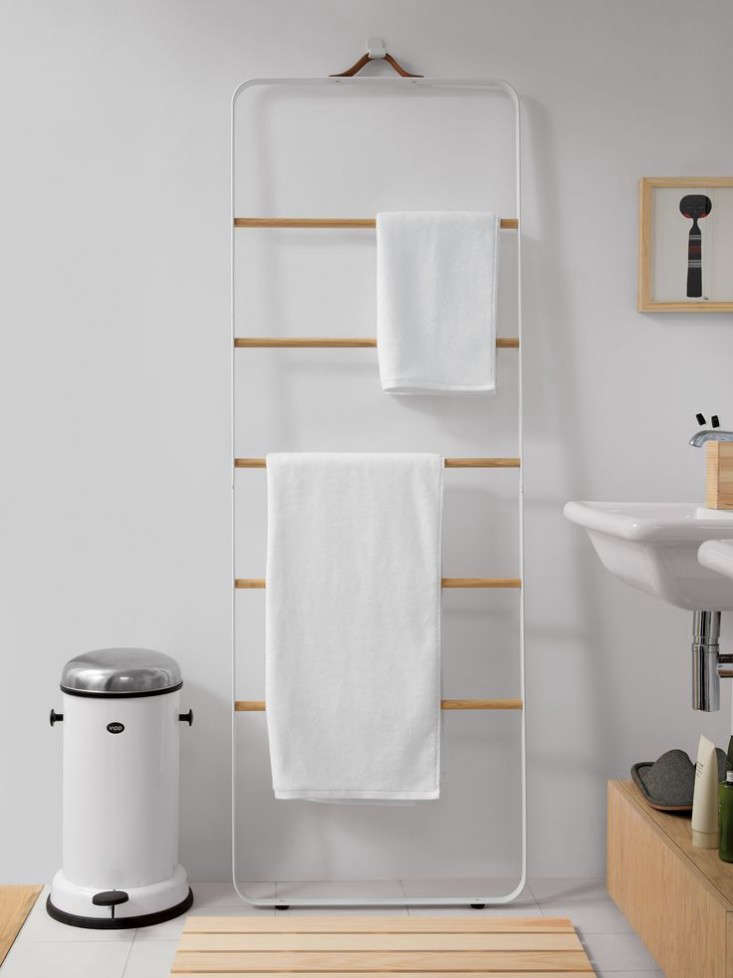
A beautifully organized linen closet looks effortless in photographs. Every towel is the same shade of cloud white, every basket has a calligraphed label, and apparently nobody in the house owns a lumpy fitted sheet. Real life is less cooperative. Towels arrive in several sizes, toiletries multiply overnight, and one family member will inevitably put a pillowcase in the beach-towel section.
Realistic linen closet organization is not about creating a showroom display. It is about building a practical storage system that makes clean sheets easy to find, towels simple to return, and household supplies visible before someone buys a fifth unopened bottle of shampoo.
What Makes a Linen Closet Realistically Organized?
A functional linen closet supports the routines of the people who use it. It should accommodate your actual collection, available shelf space, physical reach, and tolerance for folding. A household with three children needs a different system from someone living alone with one bed and an admirable ability to fold fitted sheets.
The most useful closet has five qualities:
- Frequently used items are easy to see and reach.
- Sheets and towels are divided into recognizable categories.
- Small products are contained instead of scattered.
- There is enough open space to remove one item without causing an avalanche.
- The system can be reset in a few minutes on laundry day.
Matching baskets are optional. Accessibility, visibility, and sensible limits are not.
Step 1: Empty the Closet and Face the Fluffy Truth
Remove everything from the closet. Yes, everything. Trying to organize one shelf while the other shelves remain packed usually produces a temporary shuffle rather than a genuine improvement.
Place the contents on a clean bed, table, or floor covering and sort them into broad groups:
- Bed sheets and pillowcases
- Bath, hand, kitchen, and beach towels
- Blankets, quilts, and comforters
- Toiletries and bathroom supplies
- First-aid products
- Cleaning or laundry products
- Items that belong somewhere else
This step reveals the true scale of each category. Four stray pillowcases may look harmless when distributed across several shelves. Together, they begin to resemble a small textile rebellion.
While the closet is empty, vacuum the floor, wipe the shelves, clean the corners, and check for moisture, pests, or damaged shelf supports. Allow every surface to dry before replacing linens.
Step 2: Decide What Deserves the Space
A linen closet is valuable household real estate. It should not become the retirement community for every towel, blanket, and bath product you have ever owned.
Set Limits Based on Your Laundry Routine
Many households function well with two or three sheet sets per regularly used bed: one on the bed, one ready in the closet, and possibly one extra for accidents, illness, or delayed laundry. Guest beds may need fewer sets if they are rarely used.
A practical towel inventory often includes two or three bath towels per person, plus a modest guest supply. These are guidelines rather than commandments. Someone who does laundry twice a week needs less backup than a family that washes linens every Saturday.
Remove the Obvious Clutter
Discard or responsibly recycle badly torn, mildewed, or permanently stained textiles. Repurpose a limited number of worn towels as cleaning cloths, but give those rags a separate home. Otherwise, every old towel receives a ceremonial promotion to “future cleaning rag” and remains in the closet until the end of time.
Donate clean, usable linens where accepted. Animal shelters and community organizations may welcome towels or blankets, but contact the organization before arriving with a car full of terrycloth.
Relocate luggage, sports equipment, gift wrap, tools, and unrelated keepsakes. Store items near where they are used whenever possible. Beach towels might live near the mudroom, while table linens may make more sense near the dining area.
Step 3: Measure Before Buying Organizers
Measure the width, depth, and height of every shelf. Record the distance between shelves and note hinges, door frames, or other obstructions. A basket that fits the shelf but cannot pass through the closet opening is not an organizer; it is a geometry lesson.
Next, measure the folded items you plan to store. Deep shelves may support two rows of linens, but the back row can easily become invisible. If you must use the full depth, reserve the rear area for labeled seasonal items or place similar products in a pull-out bin.
Use containers only when they solve a specific problem:
- Shelf dividers stabilize tall stacks of towels.
- Open baskets make washcloths and hand towels easy to grab.
- Clear drawers organize first-aid or toiletry items.
- Lidded fabric bags protect occasional bedding from dust.
- Turntables improve access to small bottles on deep shelves.
- Over-the-door pockets hold lightweight supplies without consuming shelf space.
Reuse containers you already own before buying an elaborate matching set. A clean shoebox with a clear label can outperform an expensive basket that is too tall, too deep, or too annoying to open.
Step 4: Build Linen Closet Zones
Assign each shelf or section a job. Organizing by category makes the closet understandable, while organizing by frequency of use makes it convenient. The strongest system uses both principles.
Middle Shelves: Everyday Essentials
Place regularly used bath towels, washcloths, and sheet sets between waist and eye level. These are the easiest shelves to reach, so they should hold the items your household retrieves most often.
If children collect their own towels, create a lower, clearly marked section they can access safely. A system that requires a step stool and adult supervision is unlikely to inspire independent housekeeping.
Top Shelf: Lightweight, Occasional Linens
Use the highest shelf for seasonal bedding, guest-room linens, holiday towels, or spare pillows stored in protective bags. Keep these packages light. Nobody wants to catch a king-size comforter with their face.
Lower Shelves and Floor: Bulky or Heavy Supplies
Lower areas can hold extra toilet paper, a laundry basket, heavier blankets, or sealed packages of bulk supplies. Avoid placing leak-prone liquids directly above clean linens. If toiletries or cleaning products share the closet, contain them in washable, leak-resistant bins.
Step 5: Choose Folding Methods You Will Actually Repeat
Uniform folding makes stacks more stable and helps you use shelf depth efficiently. However, the “best” method is the one you can repeat after a long laundry day.
Bundle Complete Sheet Sets
Fold the fitted sheet, flat sheet, and all but one pillowcase together, then place the bundle inside the remaining pillowcase. This keeps matching pieces together and prevents a queen-size pillowcase from wandering into the twin-sheet section.
If you own several bed sizes, label the shelf, basket, or bundle with the room or mattress size. “Primary Bedroom,” “Twin,” and “Guest Queen” are more useful than forcing tired people to identify sheets by subtle differences in folded width.
Fold or Roll Towels According to the Shelf
Both methods can work. Folding creates stable horizontal stacks, especially on wide shelves. Rolling may be more convenient in baskets, cubbies, and shallow spaces. Test both before reorganizing the entire collection.
For folded towels, turn the neat folded edge outward. Divide bath towels, hand towels, and washcloths into separate stacks. Keep each stack low enough that removing the bottom towel does not recreate a textile version of Jenga.
Store Bulky Bedding Without Crushing Everything Else
Fold blankets to match the dimensions of their shelf or place them in breathable storage bags. Compression bags can be useful for truly seasonal comforters when space is extremely limited, but they are unnecessary for bedding used regularly.
Only store completely clean, dry textiles. Residual moisture encourages unpleasant odors and mildew. Household guidance and institutional linen-care recommendations both emphasize thorough drying before clean linens enter storage. CDC linen-management guidance likewise identifies complete drying as an essential step.
Step 6: Contain the Small Stuff
Loose toiletries, travel-size bottles, bandages, extra soap, and dental supplies create visual noise and disappear behind towels. Divide them into small, purposeful categories rather than dropping everything into one heroic “miscellaneous” basket.
Useful labels might include:
- Dental care
- Soap and body care
- Hair products
- Travel supplies
- First aid
- Guest toiletries
- Backstock
Open bins are convenient for frequently used supplies. Clear drawers or labeled lidded containers work better for small items that need protection from dust or curious children.
Check expiration dates and product condition during each reset. Medicines should follow the storage directions on their labels; a humid bathroom-area closet may be unsuitable. The U.S. Food and Drug Administration warns that damp bathroom storage can reduce the effectiveness of some medications. Keep medicines secured from children and pets, and use an appropriate disposal program for expired products.
Step 7: Label for the People Who Live There
Labels reduce decision-making and make it easier for multiple people to maintain the same layout. Use simple language, large enough to read at a glance. A label saying “Bath Towels” is more useful than an elegant handwritten tag saying “Aquatic Textiles.”
Label opaque baskets, bed sizes, guest supplies, and seasonal bedding. Clear containers may not need labels unless their contents are similar. Avoid labeling every single stack if the categories are already obvious; too many labels can make a small closet feel like a warehouse inventory system.
Leave a little breathing room around each category. Empty space is functional. It lets you put away freshly washed linens without compressing them into a shelf that is already full.
A Simple Maintenance Routine
A linen closet stays organized through small resets, not annual acts of domestic heroism.
- On laundry day: Return every item to its assigned zone and rotate clean sets beneath or behind existing ones.
- Once a month: Straighten leaning stacks and combine partially used packages.
- Every three to six months: Check toiletries, medicines, and first-aid supplies for expiration or leakage.
- Twice a year: Review seasonal linens, vacuum the closet, and remove items no longer used.
If clutter repeatedly returns to one shelf, assume the system is causing the problem. Perhaps the basket is difficult to open, the category is too broad, or the family owns more towels than the space can hold. Adjust the setup instead of blaming everyone for failing to maintain a design that never suited them.
Common Linen Closet Organization Mistakes
Buying Containers Before Decluttering
Containers do not reduce the amount you own. They simply give excess belongings nicer walls. Edit the collection first, measure the space, and then buy only what fills a proven need.
Making Stacks Too Tall
High stacks look efficient until someone needs the third towel from the bottom. Use shorter piles, shelf dividers, or baskets to prevent toppling.
Hiding Everyday Items in Lidded Boxes
A lid adds a step. That is reasonable for seasonal quilts but irritating for washcloths used every day. Match the container to the retrieval frequency.
Ignoring the Household’s Natural Habits
If nobody will fold towels into decorative thirds, choose a simpler fold or let them roll the towels. Organization should reduce friction, not establish a competitive folding league.
Filling Every Available Inch
A closet packed to maximum capacity has no room for laundry returning from the dryer. Aim to leave part of each shelf open so the system can absorb normal fluctuations.
A Real-Life Linen Closet Reset: A Composite Experience
The following composite example reflects common experiences reported in practical home-organization projects. Imagine a narrow hallway closet serving two adults, two children, and one guest room. Before the reset, towels occupied three unstable stacks. Twin and queen sheets were mixed together, while travel toiletries lived in an unmarked basket that also contained a heating pad, candles, and one mysterious phone charger.
The first surprise came when everything was removed. The household owned 21 bath towels, although only eight were regularly used. Several were rough or stained, and five had been designated as hypothetical cleaning rags. The family kept four of the old towels for messy jobs, relocated them to the laundry area, and donated or responsibly recycled the usable excess according to local options.
The sheet collection produced another discovery: two sets belonged to a bed the family had not owned in three years. Once those were removed, the remaining sets fit on a single shelf. Each set was folded into a matching pillowcase and labeled by bed size. The folds were not worthy of a lifestyle magazine, but the bundles stayed together. More importantly, nobody accidentally wrestled a twin fitted sheet onto a queen mattress again.
The adults originally considered buying eight matching baskets. After measuring, they realized that only four would fit without wasting vertical space. They reused two existing plastic bins for toiletries, purchased one washable bin for first aid, and added two inexpensive shelf dividers for towels. This smaller setup cost less and left room for future needs.
The middle shelves became the everyday zone. Bath towels sat at adult chest height, while the children’s towels and washcloths moved to a lower shelf. Guest linens and a winter blanket went to the top in breathable, labeled bags. Toilet paper occupied the floor in its original packaging rather than consuming a decorative basket that held fewer rolls.
The biggest improvement was not visual. It was behavioral. Laundry took less time to put away because every category had a clear destination. The children could retrieve and return their own towels. When guests arrived, the spare sheets were found in seconds rather than after opening six pillowcases and questioning every decision made since breakfast.
Two weeks later, the towel stacks were slightly crooked and one washcloth had migrated into the hand-towel section. The closet was not ruined. A two-minute reset restored it. That outcome illustrates the difference between realistic organization and decorative perfection: the system tolerated ordinary use.
After several months, the household made one adjustment. The travel-products bin remained messy because it contained too many unrelated objects. Dividing it into “travel toiletries” and “health equipment” solved the problem. The lesson was simple: organization is an evolving household tool. When a category repeatedly fails, revise it.
This kind of experience also shows why decluttering matters more than elaborate products. The closet gained usable space primarily because obsolete sheets, surplus towels, and unrelated objects leftnot because everything was transferred into matching containers. The labels and dividers supported the new limits, but they did not create them.
Most importantly, the family stopped treating a slightly imperfect shelf as failure. Towels could lean. Labels could be handwritten. The goal was to make routines easier, and by that measure, the closet succeeded.
Conclusion
Realistic linen closet organization begins with honest decisions about what your household uses. Empty the closet, remove excess, measure carefully, and create zones based on category and frequency. Bundle matching sheet sets, choose repeatable towel folds, contain small products, and label only where labels improve clarity.
Your linen closet does not need identical white towels or expensive storage accessories. It needs sensible limits, accessible shelves, and enough open space to survive laundry day. Build a system that can bend without collapsing, and the closet will remain useful long after the initial organizing enthusiasm has wandered off to the pantry.
Research note
This article synthesizes organization and storage guidance from reputable U.S. resources, including Better Homes & Gardens, Real Simple, Martha Stewart, The Spruce, Good Housekeeping, HGTV, Apartment Therapy, The Home Depot, The Container Store, ClosetMaid, the FDA, and the CDC.