Japan can be many things at once: a neon rush, a shrine bell at dawn, a train that arrives so precisely it could teach your alarm clock some manners, and a bowl of noodles so good it briefly changes your personality. For many travelers, though, modern Japan is also becoming a test of patience. Famous neighborhoods in Tokyo, Kyoto, and other headline destinations can feel gloriously alive one minute and like a very polite traffic jam the next.
That is exactly why NAP in Japan feels so compelling. Tucked into Okayama Prefecture, far from the usual parade of selfie sticks and itinerary panic, NAP offers something more valuable than trendy scarcity: quiet purpose. It is a world shaped by craft, countryside, and the stubbornly attractive idea that useful things should be made carefully, used for years, and enjoyed without anyone elbowing you for a better view.
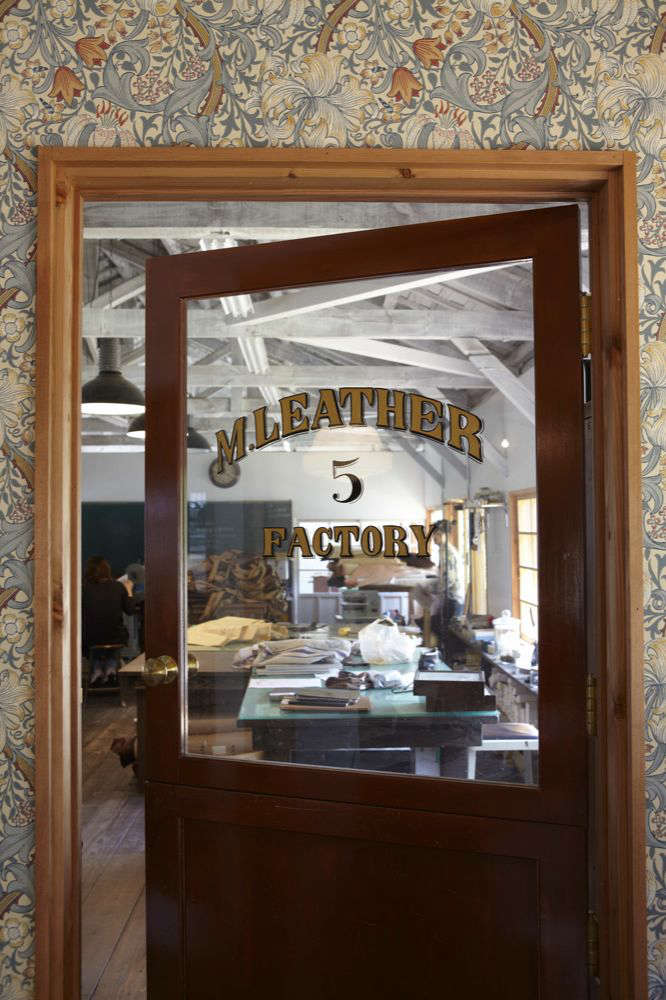
At its heart, NAP is tied to the work and vision of Makoto Kawai, the designer behind The Superior Labor. What began with leather dog collars and leashes grew into a broader universe of bags, workwear, stationery, and objects made with a strong devotion to handcraft. Over time, that universe settled into a former schoolhouse in the mountains of Okayama, where workshop, lifestyle, and landscape began to blur into one another in the best possible way.
This is what makes NAP more than a brand story. It is also a travel story. A design story. A rural Japan story. And, maybe most importantly, a story about why more travelers are starting to look beyond the country’s famous urban circuit and ask a radical question: what if the best part of Japan is the part that does not need to shout?
What NAP in Japan Actually Is
NAP is often described through its products, but that only tells half the tale. The more interesting half is the place itself. In Okayama’s Kibichuo area, a former postwar branch school was transformed into a working creative environment where making, selling, and living coexist. That setting became known as nap village, and the name matters because “village” is not branding fluff here. It reflects a real environment: scattered buildings, workshop spaces, seasonal scenery, and a pace that feels refreshingly out of step with big-city retail culture.
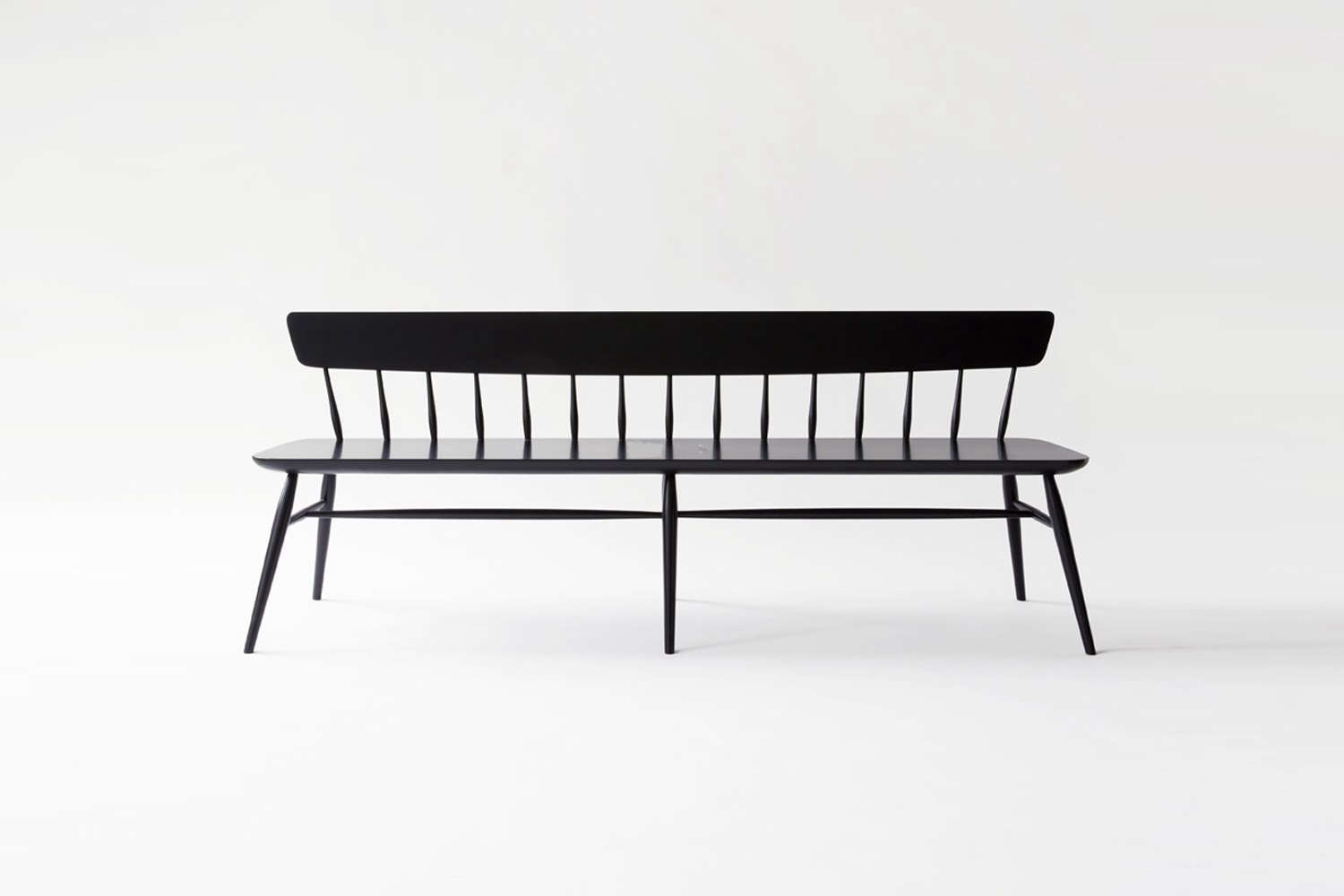
Instead of a polished luxury experience that has been focus-grouped into oblivion, NAP offers a more grounded kind of beauty. The former schoolhouse setting gives the place character before a single product enters the frame. Add hand-finished canvas, leather, brass, vintage pieces, workwear-inspired silhouettes, and the everyday poetry of tools that are meant to age rather than expire, and you begin to understand the appeal.
There is also a subtle emotional intelligence to NAP’s world. It does not try to dazzle you into liking it. It just lets wood, fabric, weather, and workmanship do the talking. In an era where many travel experiences come prepackaged with hashtags and “must-do” urgency, that feels almost rebellious. NAP’s message is closer to this: slow down, touch the material, notice the grain, drink your coffee while it is still hot, and please stop treating the world like a speedrun.
Why Okayama Is the Perfect Home for NAP
If NAP had been born in central Tokyo, it might still have been stylish. But it would not have become what it is. Okayama gives NAP more than scenery. It gives it context.
Okayama is one of Japan’s most quietly rewarding regions, a place frequently overshadowed by the country’s better-known tourism magnets. That is a gift. The prefecture is known for its sunshine, fruit, historic districts, and strong craft traditions. Nearby Kurashiki offers canal-lined streets and preserved merchant architecture, while the Kojima area is famous as the birthplace of Japanese jeans and a major center of denim production. In other words, this is not rural isolation for the sake of aesthetic drama. It is a region with a genuine material culture.
That matters because NAP is rooted in monozukuri, the Japanese idea of making things with skill, pride, and attention to detail. In Okayama, that philosophy does not feel imported. It feels native. The region’s long relationship with cotton, textiles, dyeing, weaving, sewing, and denim production creates the perfect backdrop for a workshop-based brand that treats utility as a design language. A canvas bag made here does not feel like a lifestyle prop. It feels like it belongs.
There is also something fitting about the contrast. Okayama is not anti-modern, but it is not breathless about modernity either. It has room for old warehouses, denim heritage, local agriculture, quiet roads, and contemporary design to exist in the same frame. That blend of history and everyday use is exactly the atmosphere NAP thrives in.
Far from the Crowds, Closer to the Point
Travel in Japan has surged in recent years, and the effects are visible in the usual hotspots. Some districts have had to introduce stricter visitor rules, and famous routes can be deeply crowded during cherry blossom season, fall foliage peaks, and holiday periods. None of that makes those destinations bad. It just makes them busy. Very busy. “Admire this ancient beauty while being gently herded like a well-dressed sheep” busy.
NAP represents the opposite impulse. It is not about checking off Japan’s greatest hits at record speed. It is about spending time in a place where the value lies in atmosphere, process, and the accumulation of small impressions. A former schoolhouse in the mountains. The faint smell of leather and wood. A worktable. A road edged with trees. A coffee break that does not need to become content.
This is why NAP fits so naturally into the broader rise of slow travel in Japan. Travelers increasingly want smaller towns, deeper local experiences, and places where design is tied to community rather than spectacle. NAP delivers that in a particularly appealing way because it merges rural calm with object culture. You are not simply escaping crowds. You are stepping into a philosophy of living that values durability, usefulness, and closeness to place.
That difference is important. Some quiet destinations are quiet in a blank way. NAP is quiet in a meaningful way. Its stillness is textured. There is work being done, materials being shaped, meals being served, seasons moving across the grounds, and stories embedded in the architecture. Silence here is not emptiness. It is concentration.
The Design Language of NAP
The visual world of NAP is one of the strongest reasons the place lingers in memory. The aesthetic is not conventionally luxurious, yet it feels rich. Not rich in marble-lobby terms, but rich in patina, intention, and visual restraint.
Materials that improve with age
Canvas, leather, brass, wood, denim, and weathered surfaces carry much of the emotional weight. These materials are honest. They wrinkle, soften, darken, and wear in. NAP embraces that process instead of fighting it. In a global market full of disposable goods pretending to be timeless, that honesty feels refreshing.
Spaces that resist over-design
One of NAP’s quiet strengths is that it does not decorate every available inch into submission. The former schoolhouse structure already carries memory and proportion, so the interiors can remain relatively spare. That restraint allows the objects, the people, and the architecture to breathe. It also reflects a Japanese sensibility seen in many inns and retreats across the country: simplicity is not the absence of feeling, but a way of making feeling more noticeable.
Work and life in the same frame
Many brands love to talk about “lifestyle,” but NAP’s version feels less performative because the work itself is visible. The workshop is not a fantasy backdrop. Making is part of the place. That changes the mood entirely. The result is not a showroom pretending to be authentic. It is a lived environment where craftsmanship is not hidden behind the curtain.
How NAP Connects to a Broader Japan Travel Experience
To understand NAP fully, it helps to see it not as an isolated destination but as part of a wider Okayama journey. Kurashiki’s historical quarter, with its canals, white-walled storehouses, and preserved merchant atmosphere, offers a beautiful counterpoint to NAP’s mountain setting. The region’s denim culture adds another layer, showing how material knowledge and local identity feed one another. You can feel the continuity between a historic town, a textile legacy, and a modern craft brand that still believes things should be made properly.
There is also a strong hospitality thread running through this style of travel in Japan. Traditional inns, rural retreats, and design-led guesthouses often share a common mood: intentional calm, natural materials, seasonal awareness, and a kind of care that feels deeply personal without becoming intrusive. NAP’s world belongs to that larger tradition, even if it expresses it through workshop culture and contemporary craft rather than classic ryokan formality.
That is part of the magic. NAP does not offer a generic “escape.” It offers an Okayama-specific escape, one rooted in landscape, local industry, and Japanese ideas of making. In travel terms, that is gold. Anyone can build a quiet hotel. Very few places can create a setting where the quiet actually means something.
Who Will Love NAP in Japan Most
NAP is not for every traveler, and that is a compliment. If your dream Japan trip involves speed-running Tokyo’s trendiest districts, eating six viral desserts a day, and trying to fit Kyoto, Osaka, Hakone, Nara, and a Mount Fuji photo stop into 48 hours, NAP may feel too still. It will sit there, calm as ever, unimpressed by your spreadsheet.
But if you love design, heritage craft, rural scenery, slow shopping, and places where objects tell stories, NAP is your kind of pilgrimage. It is especially rewarding for travelers who are interested in fashion history, Japanese denim culture, functional design, and the emotional appeal of things made by hand. It also suits anyone who has already seen the major cities and wants a different angle on Japan, one that feels intimate instead of monumental.
Writers, photographers, designers, architects, stationers, and anyone susceptible to saying things like “look at the texture on that canvas” will probably be very happy here. So will travelers who simply want to feel the country rather than conquer it.
What “Far from the Madding Crowds” Really Means Here
In the context of NAP, “far from the madding crowds” is not just about geography. It is also about mentality. It means distance from friction, from over-scheduling, from retail overload, and from the idea that travel only counts if it is maximal.
At NAP, the reward is subtler and more lasting. You notice how a building can be repurposed without losing its soul. You notice how regional identity can survive in materials and techniques. You notice how a bag, a jacket, a room, or a cup of coffee can feel more memorable when it comes from a place with a coherent philosophy behind it. And you notice, perhaps with mild surprise, that quiet can be more exciting than noise when it is paired with depth.
That is the real lesson of NAP in Japan. The country’s most meaningful travel experiences are not always its loudest or most famous. Sometimes they are waiting in the mountains, in a former schoolhouse, where design is humble, craft is serious, and nobody is asking you to form an orderly line for serenity.
Extra Experiences: What a NAP-Inspired Journey in Japan Feels Like
Imagine arriving in Okayama after a few days in Tokyo. Your body is still moving at city speed. You walk too fast, check your phone too often, and expect every moment to come with a digital soundtrack. Then the landscape begins to change. Buildings thin out. The light broadens. Roads loosen. The air starts to smell less like transit and more like weather.
By the time you reach the world around NAP, your attention has already shifted. You begin to look at useful things again: a fence, a workbench, a folded jacket, a kettle, the grain of old wood, the way a bag hangs from a hook. Nothing is trying too hard, which is exactly why everything seems so carefully considered. The place does not overwhelm you. It edits you.
Morning here feels different from morning in a major city hotel. There is no dramatic lobby choreography, no buffet stampede, no elevator small talk performed by sleep-deprived strangers clutching cappuccinos for emotional support. Instead, the pleasure comes from smaller rhythms. You open a window. You hear birds before traffic. You notice the season not because an app told you, but because the trees did.
A day shaped around NAP is not really about “doing” a lot. It is about experiencing enough. You browse handmade goods and suddenly understand why certain objects become beloved over time. You see the relationship between labor and beauty. You realize a canvas tote can have more personality than many luxury handbags, which is either delightful or dangerous depending on your shopping restraint. You slow down long enough to appreciate that craftsmanship is not just a visual category. It is a tempo.
Then there is the surrounding region. Kurashiki offers its own kind of calm, with canals, preserved buildings, and the sense that history is still being used rather than merely displayed. In the denim-centered parts of Okayama, textile culture stops being abstract and becomes tactile. You start connecting threads: the heritage of cotton and weaving, the precision of local making, the appeal of workwear, the beauty of useful objects, the reason a place like NAP could only truly belong here.
The emotional effect sneaks up on you. At first, you think you are taking a design trip. Then you realize you are also taking a rest from overstimulation. Not a lazy rest, exactly. More a recalibration. NAP gives you permission to care about detail again. About fit, texture, quiet, and atmosphere. About the difference between something fashionable and something lasting.
By the end of the experience, the most memorable part may not be one dramatic sight at all. It may be the accumulated feeling of coherence: architecture, landscape, products, and pace all speaking the same language. That kind of harmony is rare in travel. It is even rarer in a world where many destinations now perform authenticity like a stage show. NAP does not perform it. It lives it.
And when you leave, you may find that you carry the place with you in unexpected ways. You pack more slowly. You become suspicious of flimsy souvenirs. You start wanting fewer things, but better ones. You begin to understand why some travelers return from Japan obsessed with knives, paper, ceramics, or denim. It is not just shopping. It is a changed relationship to objects. NAP sharpens that feeling. It reminds you that good design is not only about how something looks, but how honestly it belongs to the life around it.
That is why NAP in Japan stays with people. It is not loud enough to dominate your memory by force. It wins another way. Quietly. Completely. Like all the best places do.
Conclusion
Far from the madding crowds, NAP in Japan offers a more intimate way to understand the country: through craft, countryside, and the pleasure of things made with care. In Okayama, the story of NAP becomes bigger than one brand or one workshop. It becomes a window into rural creativity, denim heritage, and a style of travel that values mood as much as movement.
For travelers tired of the rush, NAP is a persuasive answer to a growing question: where can you still find the soul of a place without fighting a crowd for it? In this corner of Japan, the answer arrives in canvas, leather, old wood, mountain air, and the kind of silence that makes you pay better attention.