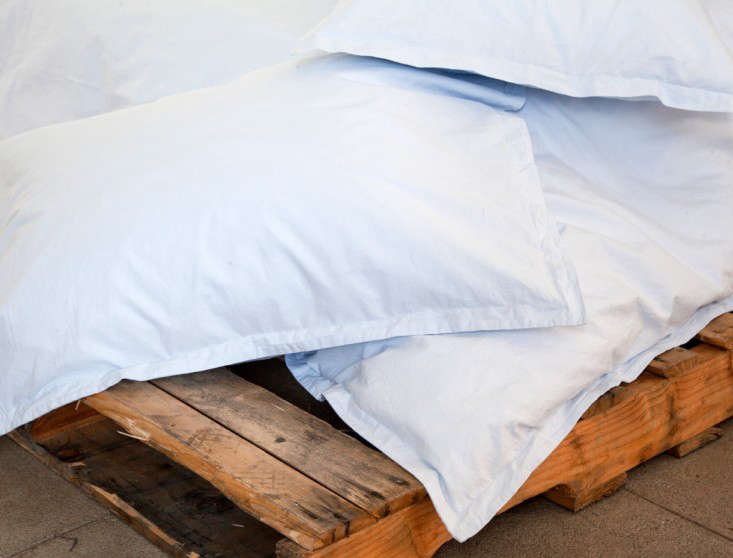
A duvet cover and matching shams can change a bedroom faster than paint, wallpaper, or an ambitious weekend involving twelve tiny hardware-store receipts. The Parachute duvet + shams combination is designed for exactly that kind of high-impact refresh: one coordinated layer for the bed, two polished pillow covers, and a choice of fabrics that can make the room feel crisp, relaxed, silky, or cloud-soft.
The important detail is that “Parachute duvet + shams” is not one single texture. Parachute currently offers coordinated duvet-cover sets and separate matching shams in materials such as percale, linen, sateen, brushed cotton, and organic cloud cotton. Each fabric changes the sleep feel, visual finish, warmth, laundry routine, and price. Choosing well means thinking beyond color and asking a more useful question: How do you want the bed to feel at 2 a.m.?
What Do You Get With a Parachute Duvet + Shams Set?
A typical coordinated set combines one duvet cover with matching decorative shams. Full/Queen sets generally pair the cover with standard-size shams, while King/California King versions use king shams. Exact inclusions can vary by collection, so buyers should always check the product listing rather than assuming every attractive pillow in the photo is coming home. Styling photographs are enthusiastic little overachievers.
The duvet cover acts as a removable, washable shell around a separate insert. That makes it easier to change the look of the bed, protect the insert from body oils and everyday grime, and adjust warmth seasonally without replacing the entire top layer. Shams are decorative pillow covers, usually placed in front of or behind sleeping pillows. Unlike ordinary pillowcases, they are primarily there to make the bed look finished, although they are also useful for sitting up to read or watch television.
Why the Matching Duvet-and-Sham Look Works
A matching duvet cover and sham set creates visual continuity across the largest surface in the bedroom. It gives the bed a deliberate focal point, reduces the number of color decisions, and makes a room look pulled together even when the nightstand is hosting three water glasses and a charging cable with strong opinions.
Matching does not have to mean flat or overly formal. Designers often recommend coordinating the duvet with the sheets rather than copying them exactly, then adding texture through a quilt, throw, lumbar pillow, or Euro shams. A neutral Parachute duvet can anchor patterned sheets, while colored linen shams can repeat a tone from artwork or a rug. Limiting the base bedding to two or three colors generally keeps the room calm, while mixed textures prevent it from looking like a catalog set that nobody is allowed to touch.
Choosing the Right Parachute Fabric
The fabric decision matters more than the label on the color swatch. Weave and fiber affect airflow, drape, texture, wrinkle behavior, and how substantial the duvet feels over an insert.
Percale: Crisp, Cool, and Hotel-Like
Parachute’s percale duvet cover is made from long-staple Egyptian cotton and is positioned as a lightweight, breathable option with a crisp finish. Percale uses a simple one-over, one-under weave, which creates a matte fabric that allows air to circulate more readily than a denser sateen weave. It is a strong choice for hot sleepers, warm climates, and anyone who loves the freshly made feel of a boutique-hotel bed.
Percale may feel slightly structured at first, and it will not drape as fluidly as sateen. It also tends to show natural wrinkles. Those are not defects; they are part of the crisp-cotton personality. Think white button-down shirt, not silk evening gown.
Linen: Airy, Textured, and Relaxed
Parachute’s linen duvet covers and matching shams are made from European flax, with current product information describing a more durable 175-GSM construction that remains soft and breathable. Linen has a visibly textured, lived-in surface and becomes more supple through use and washing. It is especially appealing for sleepers who dislike bedding that clings closely to the body.
The trade-off is obvious the moment the package opens: linen wrinkles. Happily, that is the point. Its loose, softly rumpled look gives a bedroom depth without requiring decorative patterns. Linen is often recommended for warm sleepers because of its breathability, yet a medium-weight linen cover can still feel comfortable when temperatures drop.
Sateen: Smooth, Drapey, and Slightly Warmer
Parachute’s sateen duvet cover uses long-staple Egyptian cotton in a smooth weave that feels softer and more fluid than percale. Sateen’s yarn structure exposes more thread on the surface, creating a subtle luster and a fabric that drapes closely around the duvet insert.
This is the option for sleepers who want a polished, cocooning bed without the glossy appearance of synthetic satin. Because sateen is generally denser and warmer than percale, it may be less comfortable for people who frequently wake up hot. For cool sleepers, air-conditioned bedrooms, or fall and winter styling, that extra drape can feel wonderfully substantial.
Brushed Cotton: Soft Without Going Full Flannel
Brushed cotton offers a softer, cozier hand than standard percale while remaining more breathable than many heavy winter fabrics. Parachute describes its version as 100% cotton with a buttery, lived-in finish. It sleeps slightly warmer than percale but cooler than sateen, making it an appealing middle ground for people who want immediate softness without a slippery surface.
Visually, brushed cotton feels casual and familiar. It works well in guest rooms, family bedrooms, and spaces where the bedding should look inviting rather than precious.
Organic Cloud Cotton: Lofty Texture and Extra Coziness
Parachute’s Organic Cloud Cotton collection uses three-ply gauze made from organic Turkish cotton. Current specifications include GOTS organic certification, OEKO-TEX Standard 100 certification, garment washing, yarn-dyed color, corner ties in the duvet cover, and back-envelope closures on the shams. The result is visibly puffier and more textured than percale or sateen.
This fabric delivers the “I would like my bed to resemble a very responsible marshmallow” aesthetic. It is soft and airy, but its layered gauze construction feels warmer and bulkier than crisp percale. It is best for cozy-bed enthusiasts, texture lovers, and people who do not want to iron anything ever again.
Construction Details That Matter in Daily Use
Small details determine whether a duvet cover feels luxurious on night one and annoying by night ten. Parachute’s core duvet covers commonly use interior twill ties at all four corners. These connect to loops on a compatible insert and help reduce shifting and bunching. The matching shams typically use a back-envelope closure, which keeps the pillow tucked inside without exposing a zipper or row of buttons.
Four corner ties are helpful, although sleepers who move aggressively may still need to shake and redistribute the insert occasionally. Before buying, compare the exact dimensions of the cover and insert. Two products can both be labeled Full/Queen yet differ by several inches. A close dimensional match usually produces more even coverage, while an intentionally fuller insert can create a puffier styled look. Independent duvet-cover testing also tends to prioritize secure ties, reliable closures, washability, comfort, and long-term fabric performancenot thread count alone.
How to Style Parachute Shams Without Building a Pillow Fortress
For a Queen Bed
Place two sleeping pillows against the headboard, then position two standard shams in front. Add one lumbar pillow or a small decorative cushion if the room needs color. This arrangement looks finished but remains easy to dismantle at bedtime.
For a King Bed
Use two king sleeping pillows and two king shams, or add three Euro pillows behind the sleeping pillows for more height. A folded quilt or throw at the foot balances the wider mattress and gives the duvet another texture to work with.
For a Relaxed, Modern Look
Skip perfect symmetry. Stand the shams loosely, fold the duvet back by one-third, and let the fabric show its natural texture. Linen and cloud cotton look especially convincing this way because their charm comes from softness and dimension, not military-grade corners.
For a Crisp Hotel Look
Choose percale or sateen in white, cream, or a quiet neutral. Smooth the duvet, fold the top edge down once, align the shams evenly, and use a contrasting throw at the bottom. Designers frequently recommend layering and coordination rather than identical sheets, duvet, quilt, and pillows, which can make the bed feel more personal and less showroom-staged.
Care and Cleaning
Always follow the care label for the specific fabric. Parachute generally recommends cool water for percale and sateen and allows warm water for some linen items. Mild liquid detergent, similar colors, and low-heat drying help reduce fiber stress. Organic Cloud Cotton is typically washed cold on a gentle cycle and tumble-dried low without ironing.
Fasten buttons or closures before washing so the cover is less likely to tangle. Treat stains before laundering, avoid overloading the machine, and remove the pieces promptly from the dryer. Duvet covers used directly against the body may need weekly or biweekly washing; households that use a top sheet may be comfortable washing less frequently. Decorative shams can be washed monthly if they are not slept on, but should follow pillowcase frequency when used every night.
To reinstall the cover with less wrestling, turn it inside out, attach the corner ties to the insert, then roll or flip the cover right-side out. This method turns duvet day from an upper-body workout into a manageable household task.
Advantages and Drawbacks
What Stands Out
- Multiple fabrics serve different sleep temperatures and texture preferences.
- Matching shams create an immediate, coordinated bedroom update.
- Corner ties help keep a compatible duvet insert in place.
- Envelope-back shams provide a clean appearance.
- Natural-fiber options include long-staple cotton, European flax linen, and organic Turkish cotton.
- Neutral palettes are easy to layer with existing furniture, rugs, and artwork.
What to Consider
- The premium price may be difficult to justify for a rarely used guest bed.
- Some collections sell the duvet cover and shams separately, so the complete look can cost more than the first price shown.
- Linen wrinkles, percale begins crisp, sateen can sleep warmer, and gauze requires gentler care.
- Color selection and availability change, especially in seasonal collections.
- A duvet cover still has to be removed, washed, dried, and reinstalledluxury has chores, too.
Who Should Buy Parachute Duvet + Shams?
This combination makes the most sense for someone who cares about both tactile comfort and a calm, layered bedroom. It is particularly appealing when the bed is the room’s main design feature and when the owner plans to keep the bedding in regular rotation for years.
Choose percale for crispness and cooling, linen for breathable texture, sateen for smooth drape, brushed cotton for casual softness, and cloud cotton for maximum visual coziness. Buyers focused primarily on the lowest possible price may find more economical alternatives. Independent comparisons often place Parachute in the premium direct-to-consumer category: quality is competitive, but value depends on how much the buyer appreciates specific fabric feel, restrained colors, and coordinated styling.
The Real-Life Experience: From Delivery Day to Laundry Day
The first noticeable change is visual. A coordinated duvet and sham set makes the bed look wider, taller, and more intentional because the same fabric repeats across the main cover and upright pillows. In a small bedroom, that continuity can reduce visual clutter. In a large bedroom, it creates a stable base for throws, quilts, and accent cushions. The effect is especially strong with linen or cloud cotton, where shadows in the texture add dimension even when the color is neutral.
The unboxing experience depends heavily on fabric. Percale may feel crisp and slightly firm, much like a new cotton shirt. Linen arrives softer than old-fashioned linen stereotypes suggest, but it still has a dry, textured hand. Sateen feels smoother immediately and tends to fall around the insert instead of sitting above it. Brushed cotton feels familiar from the first touch, while cloud cotton looks and feels the most plush. None is universally “best.” The pleasant surprise is realizing that bedding preference is less about luxury rankings and more about whether the fabric behaves the way your body expects.
Making the bed for the first time is the mildly comic portion of ownership. The corner ties are useful, but the duvet insert must be aligned correctly before the cover is flipped or rolled into place. Skip that step and one corner may spend the night mysteriously empty while the opposite side develops a small mountain range. Once secured and shaken out, the insert tends to sit more evenly, and the matching shams take only seconds to stuff because of their envelope backs.
During sleep, the fabric choice becomes more important than appearance. Percale feels cool when a leg moves to a fresh section of the bed. Linen maintains a looser, airier sensation and rarely looks disturbed by morning because rumpling is part of its style. Sateen is smoother against bare skin and makes the duvet feel heavier without adding actual fill. Brushed cotton reduces that chilly first-contact feeling in cooler rooms. Cloud cotton creates a soft nest, although hot sleepers may prefer it as a seasonal choice rather than a year-round default.
After several days, the shams reveal whether the household is practical or purely decorative. Some people remove them every night and stack them neatly on a chair. Others use them as backrests, reading pillows, laptop supports, and occasional snack-table boundaries. Envelope closures keep the inserts hidden, but linen and gauze shams may need reshaping after heavy use. A quick shake usually restores their volume.
Laundry day is where long-term satisfaction is won. Natural fabrics can wrinkle, and trying to erase every crease defeats the appeal of linen, percale, and gauze. Low heat, prompt removal, and putting the cover back on while barely warm can improve the finish. Linen becomes more relaxed, percale loses some initial stiffness, and sateen maintains its smooth drape when it is not overheated. The practical lesson is simple: treat the set like good clothing, not indestructible hotel laundry.
Over time, the strongest benefit is flexibility. The insert can stay while the outer layer changes with the season. A pale percale cover can handle humid summer nights; a richer linen or brushed-cotton set can make the same room feel warmer in fall. Matching shams preserve a finished look without requiring a pile of decorative pillows. For many owners, that balancecomfortable enough to use, polished enough to admireis the real reason a Parachute duvet + shams setup earns its space in the linen closet.
Conclusion
Parachute duvet + shams are less about buying a logo and more about choosing a specific sleep environment. Percale is crisp and cooling. Linen is breathable and relaxed. Sateen is smooth and enveloping. Brushed cotton is soft and familiar. Organic cloud cotton is lofty, textured, and unapologetically cozy.
The best choice matches the sleeper first and the room second. Consider temperature, touch, laundry habits, desired drape, and whether natural wrinkles feel charming or criminal. When the fabric suits the household, the coordinated cover and shams can simplify bed styling, protect the duvet insert, and create the sort of bedroom that makes an early bedtime look like excellent judgment.
Note: Product prices, colors, dimensions, bundle contents, certifications, and availability may change. Confirm current specifications on the retailer’s product page before publishing or purchasing. This guide synthesizes official product details with bedding guidance and testing criteria from established U.S. home, sleep, and consumer publications.