Waking up with itchy red bumps is never anyone’s idea of a pleasant morning. One minute you are stretching, sipping coffee, and pretending you did not hit snooze three times. The next, you are inspecting your arm like a detective in a low-budget crime drama, asking the big question: “Was it bed bugs or mosquitoes?”
At first glance, bed bug bites and mosquito bites can look annoyingly similar. Both may appear as red, swollen, itchy bumps. Both can make you scratch like you are auditioning for a cartoon flea circus. And both can lead to skin irritation if you pick at them too much. But there are important differences in timing, bite pattern, location, environmental clues, and prevention.
This guide explains how to compare bed bug bites vs. mosquito bites, what symptoms to watch for, how to treat the itch, when to call a doctor, and how to keep both tiny vampires from turning your skin into their snack bar.
Bed Bug Bites vs. Mosquito Bites: The Quick Difference
The fastest way to compare the two is to look at the full story, not just the bump. Bed bug bites often show up after sleeping, appear in clusters or rough lines, and are commonly found on exposed areas such as the arms, neck, face, shoulders, and hands. Mosquito bites usually appear soon after outdoor exposure or after being near mosquitoes indoors, and they often show up as individual puffy bumps.
That said, bites are not perfect evidence. Some people react strongly to bed bug bites, while others show no visible reaction at all. Mosquito bites can also vary from tiny dots to dramatic welts, especially in children or people with stronger allergic reactions.
What Do Bed Bug Bites Look Like?
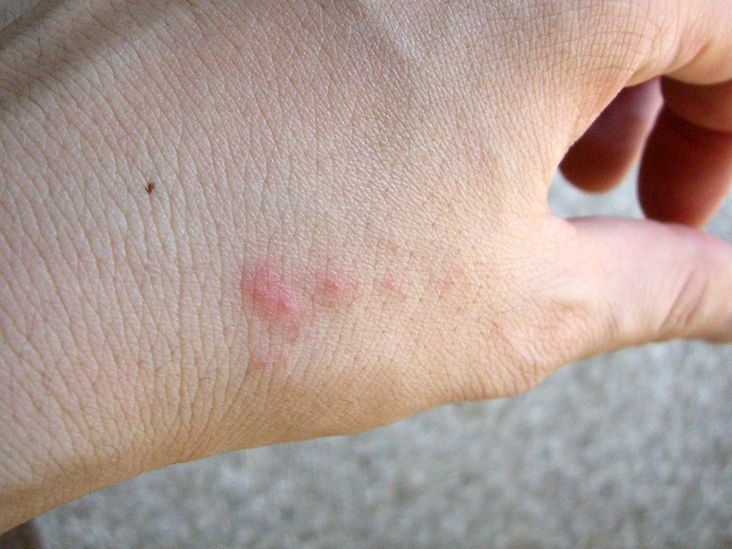
Bed bug bites commonly appear as small, itchy, red or discolored bumps. On lighter skin, they may look pink or red. On darker skin, they may look purple, brown, or slightly darker than the surrounding skin. They may be raised, inflamed, or shaped like small welts.
One of the classic clues is the pattern. Bed bug bites may appear in a line, cluster, or zigzag shape. People sometimes call this the “breakfast, lunch, and dinner” pattern because a bed bug may feed more than once while moving along exposed skin. Cute phrase. Horrifying concept. Thank you, nature.
Common bed bug bite locations
Bed bugs feed while people sleep, so bites often appear on skin that is exposed during the night. Common locations include:
- Arms
- Hands
- Neck
- Face
- Shoulders
- Legs or ankles if uncovered
Bed bug bites may not appear immediately. In some people, marks can take several days to develop. That delay is one reason people often blame the wrong hotel, couch, or unlucky friend’s guest room.
What Do Mosquito Bites Look Like?
Mosquito bites often appear as round, puffy, itchy bumps. They may form within minutes after the bite, although some reactions become more noticeable hours later. The bump can be soft, swollen, red or pink on lighter skin, and darker or purplish on darker skin.
Mosquito bites are usually scattered rather than arranged in neat lines. You might notice one bite on your ankle, another on your forearm, and another in a place that makes you wonder how a mosquito got there without signing a lease.
Common mosquito bite locations
Mosquitoes usually bite exposed skin, especially when you are outdoors during warm, humid weather. Common spots include:
- Ankles and feet
- Legs
- Arms
- Back of the neck
- Face
- Any uncovered skin during outdoor activities
Mosquitoes are often most active around dawn, dusk, and evening, though activity varies by species and location. They can also breed near standing water, which means birdbaths, buckets, clogged gutters, plant saucers, and forgotten kiddie pools can become mosquito nurseries.
Key Differences Between Bed Bug Bites and Mosquito Bites
1. Timing
Bed bug bites are usually noticed after sleep. You may go to bed bite-free and wake up with new itchy spots. Mosquito bites are often noticed soon after being outside, sitting near an open window, camping, gardening, or relaxing on a porch.
2. Pattern
Bed bug bites often appear in clusters, rows, or zigzag patterns. Mosquito bites tend to be more random and isolated. A single mosquito can bite more than once, but it usually does not leave the same tidy trail that bed bugs sometimes do.
3. Location
Bed bug bites are common on skin exposed during sleep, such as arms, neck, face, and hands. Mosquito bites can happen anywhere exposed, especially ankles, legs, arms, and neck during outdoor activities.
4. Speed of reaction
Mosquito bites often become itchy and swollen quickly. Bed bug bite reactions can appear later, sometimes days after the bite. This delay can make bed bug detective work tricky.
5. Environmental clues
Bed bugs leave clues in sleeping areas. Look for dark ink-like stains on sheets or mattresses, tiny pale shed skins, small reddish-brown bugs, or blood spots on bedding. Mosquito clues are usually environmental: buzzing sounds, visible mosquitoes, open windows, torn screens, standing water, or bites after outdoor exposure.
Can You Diagnose Bed Bugs by Bites Alone?
No. Bites alone are a poor way to confirm bed bugs. Bed bug bites can look like mosquito bites, flea bites, chigger bites, hives, eczema, or other skin conditions. Some people do not react to bed bug bites at all, which means one person in a bed may look like a connect-the-dots worksheet while another looks untouched.
To confirm bed bugs, inspect the sleeping area. Check mattress seams, box springs, bed frames, headboards, nearby furniture, baseboards, luggage, and cracks close to the bed. Adult bed bugs are small, flat, reddish-brown insects roughly the size of an apple seed. Young bed bugs are smaller and lighter in color.
Do Bed Bug Bites or Mosquito Bites Spread Disease?
Bed bugs are not known to spread disease to people. Their main health impact is itching, irritation, sleep disruption, anxiety, and possible skin infection from scratching.
Mosquitoes are different. Many mosquito bites are simply itchy and annoying, but mosquitoes can spread diseases in some areas, including West Nile virus, dengue, Zika, malaria, and other infections. The risk depends on where you live or travel, the local mosquito species, and current disease activity.
How to Treat Bed Bug Bites
Most bed bug bites heal on their own within one to two weeks. The main goal is to calm itching and avoid scratching, because broken skin can become infected.
At-home care for bed bug bites
- Wash the area gently with soap and water.
- Apply a cool compress to reduce itching and swelling.
- Use an over-the-counter anti-itch cream, such as hydrocortisone, if appropriate.
- Consider an oral antihistamine for itching, following label directions.
- Keep fingernails short to reduce skin damage from scratching.
Avoid harsh home remedies. Toothpaste, strong essential oils, bleach, alcohol, and “I saw this on social media” skin experiments can irritate the skin and make the situation worse. Your skin is not a science fair volcano.
How to Treat Mosquito Bites
Mosquito bites usually improve within a few days. Like bed bug bites, the main problem is itching. The more you scratch, the angrier the bite becomes.
At-home care for mosquito bites
- Wash the bite with soap and water.
- Apply an ice pack for about 10 minutes to reduce swelling and itching.
- Use calamine lotion or hydrocortisone cream for itch relief.
- Try an oral antihistamine if itching is intense.
- Avoid scratching to reduce the risk of infection.
For some people, a mosquito bite can swell dramatically. This stronger local reaction is sometimes called “skeeter syndrome.” It can cause large swelling, warmth, redness, and discomfort. A healthcare professional can help if the reaction is severe or hard to distinguish from infection.
When to See a Doctor
Most bed bug bites and mosquito bites are not medical emergencies. However, you should contact a healthcare provider if you notice signs of infection, a severe allergic reaction, or symptoms that suggest a mosquito-borne illness.
Get medical help if you have:
- Increasing redness, warmth, swelling, or pain
- Pus, drainage, or red streaks from the bite
- Fever, chills, headache, body aches, or unusual fatigue
- Swelling of the lips, face, tongue, or throat
- Trouble breathing
- Hives or widespread rash
- Bites that do not improve or keep returning
If you recently traveled and develop fever, rash, joint pain, severe headache, or other unusual symptoms after mosquito bites, mention your travel history to your doctor. That detail can matter.
How to Prevent Bed Bug Bites
Preventing bed bug bites means preventing bed bugs from settling in. They do not care whether your home is clean or messy, but clutter gives them more hiding places. Bed bugs travel well in luggage, backpacks, used furniture, clothing, and shared housing environments.
Bed bug prevention tips
- Inspect hotel mattresses, headboards, and bedding before unpacking.
- Keep luggage off beds and upholstered furniture when traveling.
- Use luggage racks when available.
- Wash and dry travel clothes on high heat when returning home.
- Check used furniture carefully before bringing it indoors.
- Reduce clutter near sleeping areas.
- Use mattress and box spring encasements designed for bed bug control.
If you find bed bugs, avoid panic-cleaning in a way that spreads them. Do not carry uninspected bedding, bags, or furniture through the house like you are hosting a bed bug parade. Professional pest management is often the most effective approach, especially for established infestations.
How to Prevent Mosquito Bites
Mosquito prevention is all about barriers, repellents, and water control. Mosquitoes need water to breed, so reducing standing water around your home can make a real difference.
Mosquito prevention tips
- Use an EPA-registered insect repellent according to label directions.
- Wear loose-fitting long sleeves and pants outdoors.
- Repair window and door screens.
- Use air conditioning or screened spaces when possible.
- Empty standing water from buckets, planters, gutters, toys, and birdbaths.
- Consider permethrin-treated clothing or gear, but do not apply permethrin directly to skin.
- Use mosquito nets when sleeping in areas where mosquitoes are common.
Repellent is not perfume, so more is not automatically better. Follow the label. Apply it carefully, especially on children, and avoid eyes, mouth, and irritated skin.
Bed Bugs vs. Mosquitoes in the Home
If bites happen only after sleeping and you see suspicious stains or bugs near the bed, bed bugs move higher on the suspect list. If bites happen after evenings outdoors, near windows, or during warm humid weather, mosquitoes become more likely.
Here is a simple example: You spend Saturday evening grilling outside, then wake up Sunday with three itchy bumps on your ankles. Mosquitoes are a strong possibility. But if you keep waking up with new bumps on your arms and neck, and you find dark spots along mattress seams, bed bugs deserve serious attention.
Common Myths About Bed Bug Bites and Mosquito Bites
Myth 1: Bed bugs only live in dirty homes
False. Bed bugs are equal-opportunity pests. They are attracted to blood meals, warmth, and carbon dioxide, not your housekeeping score. Clean homes, hotels, apartments, dorms, and luxury spaces can all get bed bugs.
Myth 2: If your partner has no bites, you do not have bed bugs
False. People react differently. One person may develop itchy welts while another has no visible reaction. The bugs are not playing favorites; your immune systems are simply responding differently.
Myth 3: Mosquito bites are always harmless
Mostly, they are minor. But mosquitoes can spread disease in certain areas. Prevention matters, especially during travel, outbreaks, or warm seasons when mosquitoes are active.
Myth 4: Scratching helps
Emotionally? For three seconds, maybe. Medically? No. Scratching can break the skin, worsen inflammation, and increase the risk of infection.
Experience-Based Tips: What People Usually Notice First
In real life, people rarely identify bites perfectly on day one. Most people start with confusion. They wake up, see a few bumps, blame mosquitoes, wash the sheets, and move on. Then the bumps return. That repeat pattern is often what pushes people to inspect the bed more closely.
One common experience with bed bugs is the “morning mystery.” A person notices fresh itchy marks on the forearm, shoulder, or neck after sleeping. At first, nothing seems unusual. The room looks clean. The bed looks normal. But a closer look around mattress seams, the bed frame, or the headboard may reveal tiny dark stains, shed skins, or a live bug tucked into a crack. Bed bugs are excellent at hiding. They are the introverts of the insect world, except far less charming.
Another common experience is delayed reaction after travel. Someone may stay in a hotel, vacation rental, dorm, or guest room and only notice bites days later. By then, the person may assume the bites came from home. That is why it helps to inspect luggage, wash clothing, and dry items on high heat after travel, especially if bites appear after a trip.
Mosquito bites usually tell a different story. People often remember the setting: a backyard dinner, a camping trip, a walk near a pond, or an evening on the patio. The bites may show up quickly, often on ankles, calves, arms, or the back of the neck. You may even remember the high-pitched buzz, also known as nature’s tiny violin of doom.
Parents often notice that children react more dramatically to mosquito bites than adults. A child may develop a large swollen bump that looks alarming even though it is a strong local reaction rather than an emergency. Still, swelling that keeps spreading, becomes painful, feels hot, or comes with fever should be checked.
People dealing with recurring bites often benefit from keeping a simple bite diary. Write down when the bites appeared, where they are on the body, whether you slept somewhere new, whether you were outdoors, and whether anyone else in the home has symptoms. Take photos in the same lighting each day. This sounds a little intense, but it can help you spot patterns and explain the situation clearly to a doctor, dermatologist, landlord, or pest professional.
Another practical tip: do not treat the room blindly with random sprays. With bed bugs, careless spraying can scatter the insects deeper into walls, furniture, or neighboring rooms. With mosquitoes, indoor sprays do little if the real problem is standing water outside. Matching the solution to the pest saves time, money, and emotional energy.
Finally, remember that anxiety is normal. Bed bugs in particular can make people feel embarrassed or overwhelmed, but an infestation is not a personal failure. Mosquitoes are also not proof that your yard has betrayed you, although it may feel that way. The best approach is calm observation, careful treatment of the skin, and targeted prevention.
Conclusion
When comparing bed bug bites vs. mosquito bites, the bump itself is only part of the answer. Bed bug bites often appear after sleep, may form lines or clusters, and come with clues around the bed. Mosquito bites usually appear after outdoor or exposed-skin contact and tend to be more scattered, round, and quickly itchy.
Both types of bites can usually be treated at home with soap and water, cold compresses, anti-itch creams, and the heroic act of not scratching. Seek medical help for signs of infection, severe allergic reaction, fever, body aches, or symptoms after travel.
The smartest strategy is to investigate the environment. Check sleeping areas for bed bug signs. Check your yard and windows for mosquito entry points and breeding spots. Once you know the likely culprit, you can stop guessing and start solving. Your skin will thank you, probably by not itching at 2:00 a.m.