Sodium has a public relations problem. On one hand, your body needs it. Sodium helps nerves send signals, muscles contract, and fluids stay balanced. Without enough of it, your body would run like a phone at 1% battery with no charger in sight. On the other hand, too much sodium can quietly push your health in the wrong direction, especially when it shows up day after day in fast food, packaged meals, salty snacks, frozen dinners, deli meats, canned soups, sauces, and restaurant portions large enough to make a dinner plate nervous.
The tricky part is that sodium does not always taste aggressively salty. You might expect chips, pickles, and pretzels to bring the sodium thunder. But bread, pizza, sandwiches, cheese, poultry, pasta dishes, condiments, and breakfast foods can also add up quickly. In the United States, many people consume far more sodium than recommended, often without ever touching the salt shaker. That is why understanding why too much sodium can be harmful is not just a nutrition lessonit is a practical survival guide for modern eating.
This article explains what sodium does, how excess sodium affects blood pressure and the heart, why it can be hard on the kidneys, which foods are the biggest culprits, and how to cut back without eating meals that taste like cardboard wearing a sad little hat.
What Is Sodium, Really?
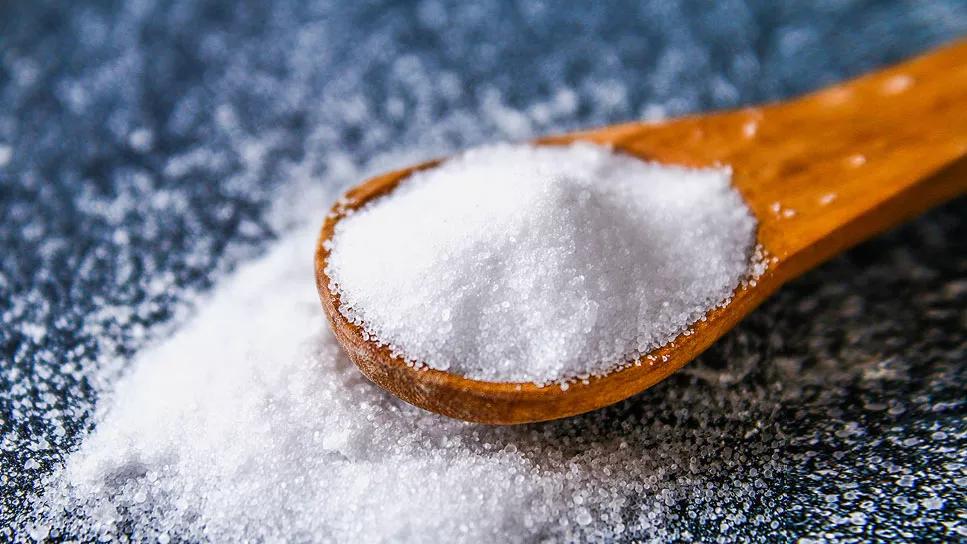
Sodium is an essential mineral and electrolyte. It helps regulate the amount of water in and around your cells, supports nerve impulses, and helps your muscles work properly. Sodium is naturally present in some foods, but most of the sodium people eat comes from salt, also known as sodium chloride, and from sodium-containing ingredients added during food processing and preparation.
Salt and sodium are related, but they are not exactly the same thing. Salt is made of sodium and chloride. Sodium is the part that matters most when we talk about blood pressure and heart health. One teaspoon of table salt contains about 2,300 milligrams of sodium, which is already around the recommended daily upper limit for most adults. That means a “little extra sprinkle” can go from harmless-looking to surprisingly powerful very quickly.
How Much Sodium Is Too Much?
For most adults and teens, the recommended sodium limit is less than 2,300 milligrams per day. The American Heart Association recommends an ideal limit of no more than 1,500 milligrams per day for many adults, especially people with high blood pressure or higher cardiovascular risk. Children generally need even less, depending on age.
Many Americans exceed these recommendations. The problem is not usually one dramatic salt disaster. It is the slow stacking effect: a breakfast sandwich here, a bowl of canned soup there, a restaurant dinner later, and suddenly the sodium meter is waving a tiny white flag.
Why Too Much Sodium Can Be Harmful
1. Excess Sodium Can Raise Blood Pressure
The most well-known danger of too much sodium is high blood pressure, also called hypertension. Sodium attracts water. When there is too much sodium in the bloodstream, the body holds on to extra fluid to dilute it. More fluid in the blood vessels can increase blood volume, and that extra volume puts more pressure on artery walls.
Think of your blood vessels like a garden hose. A steady flow is fine. But if the pressure inside the hose rises and stays high, the hose has to work harder. Your arteries are much more sophisticated than a garden hose, of course, but they also do not appreciate being constantly stressed.
High blood pressure is often called a “silent” condition because many people do not feel obvious symptoms. You can feel perfectly normal while your cardiovascular system is quietly doing overtime. Over months and years, that extra strain can damage blood vessels and increase the risk of serious health problems.
2. It Can Increase the Risk of Heart Disease and Stroke
When blood pressure stays high, the heart has to pump harder. Over time, this can contribute to heart disease, heart failure, and stroke. High blood pressure can damage artery walls, making them less flexible and more vulnerable to plaque buildup. This can reduce healthy blood flow and increase the chances of blocked vessels.
Stroke risk also rises when blood vessels in the brain are weakened or damaged. Sodium is not the only factor involvedgenetics, age, activity level, smoking, diabetes, stress, and overall diet matter toobut reducing excess sodium is one of the most practical steps many people can take to support better blood pressure and cardiovascular health.
3. Too Much Sodium Can Strain the Kidneys
Your kidneys are your body’s filtration team. They help remove waste, balance fluids, and regulate minerals, including sodium. When sodium intake is consistently high, the kidneys may have to work harder to remove the excess. For people with kidney disease, high blood pressure, diabetes, or heart failure, this can be especially concerning.
High sodium intake can contribute to fluid retention and higher blood pressure, both of which can worsen kidney stress. High blood pressure is also one of the leading causes of kidney damage over time. In other words, sodium, blood pressure, and kidney health are deeply connected. They are not casual acquaintances; they are in a group chat.
4. It May Cause Bloating and Water Retention
Ever eat a very salty meal and wake up feeling like your rings shrank overnight? That is often water retention. When sodium levels rise, your body holds extra water to maintain balance. This can make you feel puffy, bloated, or heavier for a day or two.
This temporary water weight is not the same as body fat, but it can still feel uncomfortable. You may notice swelling in your fingers, feet, ankles, or face. For healthy people, occasional bloating after a salty meal usually passes. But for people with heart, kidney, or liver conditions, fluid buildup can be more serious and should be discussed with a healthcare professional.
5. High Sodium Meals Can Make You Thirsty and Disrupt Sleep
A salty dinner can leave you reaching for water like you just crossed a desert. That thirst is your body trying to restore fluid balance. The problem is that drinking a lot of water late at night can lead to more trips to the bathroom, which is not exactly the sleep routine dreams are made of.
Some people also find that heavy, salty meals make them feel restless, puffy, or uncomfortable at bedtime. While sodium is not the only reason for poor sleep, cutting back on very salty evening meals may help some people wake up feeling less swollen and more refreshed.
Where Most Sodium Comes From
Many people assume the salt shaker is the main villain. It is definitely a suspect, but it is not acting alone. A large share of sodium in the American diet comes from packaged, processed, prepared, and restaurant foods. That means sodium is often built into food before it reaches your plate.
Common High-Sodium Foods
- Pizza and frozen pizza
- Sandwiches and burgers
- Deli meats, bacon, sausage, and hot dogs
- Canned soups and instant noodles
- Chips, crackers, pretzels, and salty snacks
- Cheese and processed cheese products
- Restaurant meals and fast food
- Bottled salad dressings, soy sauce, barbecue sauce, and marinades
- Frozen dinners and boxed meal kits
- Breads, rolls, bagels, and tortillas
Some of these foods do not taste especially salty because the sodium is spread throughout the recipe. Bread is a great example. One slice may not be shocking, but two slices at breakfast, a sandwich at lunch, and rolls at dinner can quietly add a lot of sodium.
Salt Sensitivity: Why Sodium Affects People Differently
Not everyone responds to sodium in exactly the same way. Some people are more salt-sensitive, meaning their blood pressure rises more noticeably when they consume extra sodium. Salt sensitivity is more common among older adults, people with high blood pressure, people with chronic kidney disease, and some groups with higher cardiovascular risk.
This does not mean everyone else gets a free pass to live inside a pretzel barrel. Even if your blood pressure looks normal today, consistently high sodium intake may still affect long-term heart and kidney health. It is also possible for blood pressure to rise gradually with age, weight changes, stress, or other health conditions.
Sodium vs. Potassium: The Balance Matters
Sodium often gets attention, but potassium deserves a seat at the table too. Potassium helps support healthy blood pressure by balancing some of sodium’s effects. Many fruits, vegetables, beans, lentils, potatoes, yogurt, and leafy greens contain potassium.
A diet high in sodium and low in potassium is common when meals are built around processed foods instead of fresh or minimally processed ingredients. Eating more whole foods can improve this balance naturally. However, people with kidney disease or certain medical conditions may need to limit potassium, so they should follow guidance from a healthcare professional.
How to Reduce Sodium Without Losing Flavor
Cutting sodium does not mean sentencing yourself to a lifetime of bland chicken and silent tears. Taste buds adapt. If you reduce sodium gradually, your palate can become more sensitive to natural flavors. Food that once tasted “normal” may eventually taste too salty.
Read Nutrition Labels
The Nutrition Facts label is your best friend in the grocery store. Check the sodium content per serving, and pay attention to serving size. A package may look like one serving emotionally, spiritually, and physically, but the label may claim it contains three servings. Labels can be sneaky like that.
As a general rule, foods with 5% Daily Value or less of sodium per serving are considered low, while 20% Daily Value or more is high. Comparing brands can make a big difference. Two similar soups, breads, or sauces may have very different sodium levels.
Choose Lower-Sodium Versions
Look for terms like “low sodium,” “reduced sodium,” “no salt added,” or “unsalted.” These claims have specific meanings, but it is still smart to check the label. “Reduced sodium” means the product has less sodium than the original version, not necessarily that it is low in sodium overall.
Rinse Canned Foods
Canned beans and vegetables can be nutritious and convenient, but they are often packaged with added salt. Choosing no-salt-added versions is helpful. If regular canned foods are what you have, draining and rinsing them can reduce some of the sodium.
Use Flavor Builders Instead of Extra Salt
Flavor does not have to come only from salt. Try garlic, onion, black pepper, smoked paprika, cumin, chili powder, lemon juice, lime juice, vinegar, fresh herbs, ginger, mustard powder, or salt-free seasoning blends. Acidic ingredients like citrus and vinegar are especially useful because they brighten food in a way that makes you miss less salt.
Cook More Meals at Home
Restaurant food is often high in sodium because salt improves flavor, texture, and shelf stability. Cooking at home gives you control. You do not need to become a gourmet chef who says “mouthfeel” in casual conversation. Even simple meals like oatmeal, eggs with vegetables, rice bowls, homemade soups, roasted chicken, baked potatoes, salads, and stir-fries can help lower sodium when you control the ingredients.
Make Restaurant Orders Smarter
When eating out, ask for sauces and dressings on the side. Choose grilled, baked, or steamed options when available. Split large meals, skip salty toppings, and balance the day with lower-sodium meals before or after. You do not have to avoid restaurants forever; you just need a strategy.
Low-Sodium Eating Example for One Day
Here is a simple example of how a lower-sodium day might look:
- Breakfast: Oatmeal with berries, cinnamon, and unsalted nuts.
- Lunch: Grilled chicken salad with olive oil, vinegar, avocado, and fresh vegetables.
- Snack: Apple slices with unsalted peanut butter.
- Dinner: Baked salmon, brown rice, roasted broccoli, lemon, garlic, and herbs.
- Flavor boosters: Pepper, citrus, vinegar, fresh herbs, garlic, onion, and salt-free spice blends.
This kind of day focuses on whole foods, lean protein, fiber, and natural flavor. It is not about perfection. It is about giving your body fewer sodium surprises.
Who Should Be Especially Careful With Sodium?
Some people should pay closer attention to sodium intake because excess sodium may affect them more strongly. This includes people with high blood pressure, heart disease, kidney disease, diabetes, a history of stroke, or fluid retention. Older adults may also be more sensitive to sodium’s effects.
If you have a medical condition or take medications that affect fluid balance, blood pressure, or kidney function, talk with your healthcare provider before making major changes. Some people, such as endurance athletes or workers who sweat heavily in hot environments, may have different sodium needs. Health advice should always fit the person, not just the poster on the clinic wall.
Can You Eat Too Little Sodium?
Yes, sodium can be too low, but for most people eating a typical American diet, excess sodium is far more common than too little. Very low sodium levels can happen with certain medical conditions, medications, heavy fluid intake, severe vomiting or diarrhea, or intense prolonged sweating without proper electrolyte replacement.
The goal is not to fear sodium. The goal is to avoid routinely consuming too much. Sodium is necessary, but like a loud group chat, it becomes a problem when it refuses to calm down.
Experience-Based Section: What Reducing Sodium Feels Like in Real Life
Reducing sodium sounds simple on paper: eat less salt. In real life, it feels more like detective work. The first surprise is how many everyday foods contain sodium. You may start by blaming chips and fries, only to discover that your sandwich bread, deli turkey, bottled dressing, and “healthy” frozen lunch are all contributing. It is a little like finding out the quiet neighbor has been hosting karaoke night in your walls.
One common experience is that the first week of cutting back can feel underwhelming. Food may taste flatter than usual. Soup may seem less cozy. Scrambled eggs may feel like they forgot their personality at home. This is normal. Taste buds adapt over time, but they do not always send a formal announcement. After a couple of weeks, many people notice that naturally flavorful foods start to stand out more. Tomatoes taste brighter. Roasted vegetables taste sweeter. Lemon, garlic, herbs, and spices suddenly become the main characters instead of background extras.
Another real-world lesson is that small swaps are easier than dramatic makeovers. People often fail when they try to go from high-sodium eating to perfectly clean, home-cooked meals overnight. That is a lot of pressure for a Tuesday. A more realistic approach is to pick one category at a time. Maybe you switch to lower-sodium broth this week. Next week, you buy no-salt-added canned beans. The week after that, you start ordering dressing on the side. These changes seem small, but they compound quickly.
Many people also notice changes in bloating. After several days of lower-sodium meals, rings may feel less tight, ankles may look less puffy, and the scale may stop bouncing around as dramatically. This does not mean sodium reduction is a magic weight-loss trick. It simply reflects less water retention for some people. Still, feeling less bloated can be motivating, especially for anyone used to waking up after a salty restaurant meal feeling like a balloon with email access.
Eating out becomes the biggest challenge. Restaurants are delicious for many reasons, and sodium is often one of them. A practical experience-based strategy is to look at the entire day instead of obsessing over one meal. If dinner will be at a restaurant, keep breakfast and lunch simple and lower in sodium. Choose fresh fruit, oatmeal, unsalted nuts, eggs with vegetables, homemade salads, or leftovers made with low-sodium ingredients. At the restaurant, ask for sauces on the side and choose dishes with vegetables, lean protein, and fewer processed toppings.
Grocery shopping also changes. At first, label reading feels slow, like doing homework in aisle seven. But after a while, you learn which brands are reasonable and which ones contain enough sodium to season a small swimming pool. Keeping a short list of trusted lower-sodium staples makes shopping faster. Good staples include plain oats, brown rice, quinoa, fresh or frozen vegetables without sauces, fresh fruit, eggs, plain yogurt, unsalted nuts, low-sodium canned beans, no-salt-added tomatoes, fresh poultry or fish, and salt-free seasoning blends.
One of the most helpful lessons is that reducing sodium works best when you add flavor instead of only removing salt. People do not miss salt as much when food has crunch, acid, heat, aroma, and freshness. A squeeze of lime on tacos, vinegar in bean salad, fresh basil on pasta, smoked paprika on roasted potatoes, or garlic and ginger in stir-fry can make lower-sodium meals feel intentional instead of restricted.
The emotional side matters too. Nobody wants to feel punished by dinner. If your diet becomes too strict, you may rebound into old habits. A flexible approach works better: reduce sodium most of the time, enjoy favorite salty foods occasionally, and pay attention to how your body responds. You may find that the foods you once loved now taste too salty. That is not failurethat is your palate graduating.
Conclusion
Too much sodium can be harmful because it can raise blood pressure, strain the heart, increase the risk of stroke and heart disease, contribute to fluid retention, and make kidney health harder to protect. Sodium is essential, but the modern food environment makes it easy to consume more than the body needs.
The good news is that lowering sodium does not require a joyless diet. Start by reading labels, choosing lower-sodium versions, cooking more meals at home, using herbs and citrus for flavor, and being strategic with restaurant meals. Even modest reductions can support better blood pressure and long-term health. Sodium may be small, but its impact is mightyso treat it like a powerful seasoning, not a free-for-all confetti cannon.