Note: This article is for educational purposes only. Afrezza, like all insulin products, should be used only under the guidance of a licensed healthcare professional. Diabetes management is not a “guess and hope” sport; dosing, timing, lung safety, and blood glucose monitoring all matter.
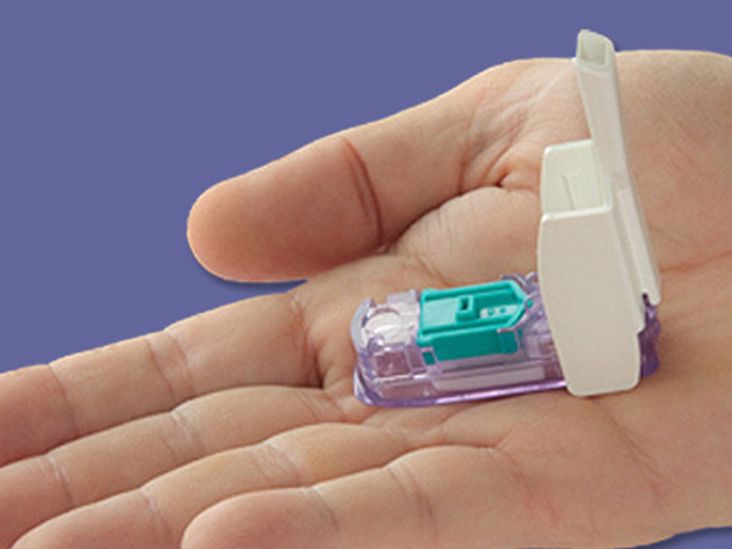
If diabetes care had a wish list, “fewer needles” would probably appear somewhere near the top, right next to “stable blood sugar after pizza” and “a pancreas that stops acting like a retired employee.” That is where Afrezza inhaled insulin enters the conversation. Afrezza is a rapid-acting human insulin powder that is breathed into the lungs using a small oral inhaler. It is designed to help adults with diabetes manage blood sugar rises around meals.
Unlike traditional mealtime insulin injections, Afrezza does not go under the skin. Instead, the insulin powder is loaded into a cartridge, placed into the inhaler, and inhaled by mouth. The insulin is absorbed through the lungs and moves into the bloodstream quickly. For many people, the appeal is obvious: it is discreet, fast, and needle-free for mealtime dosing. But Afrezza is not magic dust, not a rescue inhaler, and definitely not a replacement for an individualized diabetes plan.
What Is Afrezza?
Afrezza is the brand name for insulin human inhalation powder. It is approved in the United States to improve glycemic control in adults with diabetes mellitus. In everyday language, that means it helps lower high blood sugar in adults with type 1 or type 2 diabetes, especially around meals.
Afrezza is commonly described as a rapid-acting or ultra rapid-acting inhaled insulin because it begins working quickly after inhalation. It is taken at the beginning of a meal, not hours before and not casually like a mint after dinner. The purpose is to help manage the glucose rise that happens when carbohydrates are digested and enter the bloodstream.
For adults with type 1 diabetes, Afrezza must be used with basal insulin. Basal insulin is the long-acting background insulin that helps manage glucose between meals and overnight. Afrezza is not a substitute for basal insulin. Think of basal insulin as the steady background music and Afrezza as the drumbeat that shows up when food enters the room.
For adults with type 2 diabetes, Afrezza may be used as part of a broader treatment plan that can include lifestyle changes, oral diabetes medications, non-insulin injectable medications, or other insulin therapies. The right plan depends on blood glucose patterns, A1C goals, other health conditions, cost, insurance coverage, and the patient’s ability to use the inhaler correctly.
How Does Afrezza Inhaled Insulin Work?
Afrezza works the same basic way insulin always works: it helps move glucose from the bloodstream into cells, where the body can use it for energy. The difference is the delivery method. Instead of being injected into fatty tissue under the skin, Afrezza is inhaled into the lungs.
The insulin powder uses a delivery technology that allows the medicine to reach the deep lung. From there, it is absorbed into the bloodstream. Because the lungs have a large surface area and rich blood supply, absorption can happen quickly. That fast action is one of the main reasons Afrezza attracts attention among people looking for an alternative to injected mealtime insulin.
Afrezza is packaged in single-use cartridges. These cartridges commonly come in 4-unit, 8-unit, and 12-unit strengths. A person may need one cartridge or a combination of cartridges depending on the prescribed dose. The cartridge is inserted into the Afrezza inhaler, and each cartridge is used for a single inhalation.
Who Is Afrezza For?
Afrezza is intended for adults with diabetes who need mealtime insulin support. It may be considered by adults with type 1 diabetes who already use basal insulin, or adults with type 2 diabetes who need additional help controlling blood sugar around meals.
It may be especially interesting to people who dislike injections, want a portable mealtime insulin option, or experience blood sugar spikes soon after eating. However, Afrezza is not automatically the best choice for everyone. Diabetes treatment is personal. Two people can eat the same sandwich and get two completely different glucose graphs, because the human body enjoys keeping endocrinologists employed.
Afrezza May Be Considered For Adults Who:
- Need rapid mealtime insulin coverage.
- Want a needle-free option for some mealtime doses.
- Use continuous glucose monitoring and want fast correction options under medical guidance.
- Have type 1 diabetes and are already using basal insulin.
- Have type 2 diabetes and need additional post-meal glucose control.
Who Should Not Use Afrezza?
Afrezza has important safety limits. It is contraindicated in people with chronic lung disease such as asthma or chronic obstructive pulmonary disease, often called COPD. This is because Afrezza can cause acute bronchospasm, which means sudden tightening of the airways. That is not a small-print detail; it is a boxed warning.
Afrezza should not be used during episodes of hypoglycemia, also known as low blood sugar. Taking insulin when blood sugar is already low can be dangerous. It is also not recommended for treating diabetic ketoacidosis, a serious diabetes emergency that requires urgent medical care.
Afrezza is not recommended for people who smoke or who recently stopped smoking. Its safety and effectiveness in that group have not been established. It is also not currently approved for children. Pediatric studies have been reported, but approval status matters. “Promising research” and “approved for use” are not the same thing, even if they sit near each other at the science cafeteria.
Afrezza Is Generally Not Appropriate For People Who:
- Have asthma, COPD, or another chronic lung disease.
- Are currently having low blood sugar.
- Need treatment for diabetic ketoacidosis.
- Smoke or recently stopped smoking.
- Are allergic to regular human insulin or any Afrezza ingredients.
- Are under 18 years old, unless future approval changes and a clinician specifically advises it.
Lung Testing and Safety Monitoring
Because Afrezza is inhaled, lung health matters. Before starting Afrezza, healthcare providers should evaluate lung function. This usually includes a medical history, physical examination, and spirometry testing. Spirometry measures how well the lungs move air, including a value called FEV1.
Lung function is typically checked before treatment, again after about six months, and yearly after that. If lung function drops significantly, a clinician may consider stopping Afrezza. People using Afrezza should report persistent cough, wheezing, breathing trouble, or recurring respiratory symptoms.
Cough is one of the more commonly reported side effects. Some users describe it as mild and temporary, while others find it annoying enough to matter. Afrezza can also cause throat irritation. The key point is simple: because the medicine travels through the lungs, lung symptoms should not be ignored.
How Is Afrezza Taken?
Afrezza is taken by oral inhalation at the beginning of a meal. The user loads a prescribed cartridge into the inhaler, breathes out away from the device, places the mouthpiece in the mouth, inhales deeply through the inhaler, holds the breath briefly, and then resumes normal breathing. The exact instructions should come from a healthcare provider and the official instructions for use.
The inhaler is small and portable, which can make it convenient for meals outside the home. Compared with drawing up insulin or preparing an injection pen, Afrezza may feel simpler for some people. However, correct technique is still important. If the cartridge is mishandled, dropped, or the inhaler is turned the wrong way after loading, the dose may not be delivered as intended.
Dosing is not always a one-to-one mental swap from injected insulin. Afrezza cartridges come in fixed strengths, and clinicians may adjust doses based on glucose patterns, meal size, current insulin plan, and response. Anyone switching from injected mealtime insulin or pump boluses needs close medical guidance and more frequent blood glucose monitoring during the transition.
How Fast Does Afrezza Work?
Afrezza is known for fast onset. It begins lowering blood glucose quickly after inhalation, which can help with post-meal spikes. Many patient-facing resources describe activity beginning in roughly 12 to 15 minutes, though individual response varies.
Its duration is shorter than some injected rapid-acting insulins. That can be useful when trying to reduce prolonged insulin action after a meal, but it also means some meals may need careful planning. High-fat meals, large restaurant meals, or slow-digesting foods may raise glucose later. In those cases, users may need a clinician-approved strategy for monitoring and possible follow-up correction.
This is where continuous glucose monitors, or CGMs, can be helpful. A CGM can show whether glucose is rising quickly, leveling off, or drifting down. Afrezza does not remove the need for attention; it changes the timing puzzle. And diabetes, as usual, remains the puzzle that occasionally hides one piece under the couch.
Benefits of Afrezza Inhaled Insulin
1. Needle-Free Mealtime Dosing
The most obvious benefit is that Afrezza avoids injections for mealtime insulin. For adults who dislike needles, experience injection fatigue, or want a more discreet option in public, this can be meaningful. Convenience is not a luxury in diabetes care; it can affect consistency.
2. Fast Action Around Meals
Afrezza’s rapid absorption can help manage early post-meal glucose rises. This may appeal to people who see sharp glucose spikes soon after eating and who need a fast mealtime insulin option.
3. Portable and Discreet
The inhaler is small, and the cartridges are compact. For some people, that makes dosing at work, school, restaurants, or while traveling feel less awkward than preparing an injection.
4. Flexible Correction Potential
Under medical guidance, some adults may use Afrezza for correction doses when glucose is above target. This requires careful monitoring because all insulin can cause hypoglycemia if the dose is too high or timing is off.
Possible Side Effects and Risks
The most important risk with any insulin is hypoglycemia. Symptoms may include shakiness, sweating, hunger, dizziness, fast heartbeat, confusion, headache, or irritability. Severe low blood sugar can be dangerous and requires immediate treatment according to a clinician-approved plan.
Afrezza can also cause cough, throat irritation, and decreased lung function. Serious allergic reactions are possible with insulin products, although uncommon. Low potassium, fluid retention, and worsening heart failure may occur in certain situations, especially when insulin is used with some diabetes medications known as thiazolidinediones.
There have been discussions in labeling about lung cancer observations in clinical trials, but the number of cases was small and not enough to determine whether Afrezza caused the cases. People with active lung cancer, a history of lung cancer, or major lung cancer risk factors should discuss the risks and benefits carefully with a healthcare professional.
Afrezza vs. Injected Mealtime Insulin
Afrezza and injected rapid-acting insulin share the same mission: control blood sugar around meals. The difference is how they enter the body, how quickly they act, how long they last, and who can safely use them.
Injected rapid-acting insulin is delivered under the skin and is widely used in both adults and children. Afrezza is inhaled into the lungs and is approved for adults. Injected insulin may be more suitable for people with lung disease, smokers, children, or anyone who needs very fine dose adjustments. Afrezza may be attractive for adults who want fast, needle-free mealtime dosing and have healthy lungs.
The best choice depends on glucose patterns, lifestyle, insurance coverage, comfort with devices, lung health, and clinical goals. It is not a contest where one insulin gets a crown and the other goes home with sad theme music. They are tools, and the best tool depends on the job.
Practical Questions to Ask Your Doctor
Anyone considering Afrezza should have a practical conversation with a healthcare provider. Good questions include:
- Am I a safe candidate based on my lung health?
- Do I need spirometry before starting?
- How should I convert from my current mealtime insulin dose?
- How often should I check blood sugar when starting?
- What should I do if I cough after using it?
- How should I handle high-fat meals or delayed glucose rises?
- What is my hypoglycemia treatment plan?
- Will my insurance cover Afrezza?
Real-Life Experience: What Using Afrezza May Feel Like
Imagine an adult with type 1 diabetes who has used insulin pens for years. They are not afraid of needles exactly, but they are tired of the routine: find the pen, attach the needle, dial the dose, inject, dispose of the needle, and hope nobody at the restaurant table suddenly becomes fascinated by their medical equipment. With Afrezza, mealtime dosing may feel more private. Load the cartridge, inhale, and continue the conversation before the appetizer gets cold.
For someone with type 2 diabetes who is new to mealtime insulin, Afrezza may feel less intimidating than injections. Starting insulin can be emotionally loaded. Some people see it as a personal failure, even though diabetes progression is biology, not a moral report card. A needle-free mealtime option may make the idea of insulin feel less overwhelming.
That said, the first few weeks can involve a learning curve. The user has to understand cartridge strengths, inhaler technique, meal timing, glucose monitoring, and correction rules. A CGM can make the experience easier because it shows how fast glucose changes after meals. Without a CGM, fingerstick testing becomes especially important during dose adjustments.
Some users may notice a cough when starting. For one person, it may be a quick throat tickle that fades. For another, it may be irritating enough to discuss alternatives. This is why follow-up matters. Afrezza is not something to start and then ignore like a gym membership in February.
Meals can also behave differently. A simple breakfast with toast and eggs may match Afrezza’s action well. A heavy pizza dinner may raise blood sugar later because fat slows digestion. The user may see a nice early glucose response, then a delayed rise hours later. That does not mean Afrezza “failed”; it means the meal was complicated. Diabetes and pizza have a long-standing rivalry, and pizza plays dirty.
Travel can be another practical advantage. The inhaler and cartridges are compact, and many people appreciate not needing to inject in public. Still, storage rules, backup insulin, glucose supplies, and a plan for illness or device problems remain essential. Smart diabetes travel means packing like your pancreas is not invited.
Emotionally, Afrezza may offer a sense of freedom for some adults. Fewer mealtime injections can reduce daily friction. But freedom should not be confused with carelessness. Insulin is powerful. Blood sugar can fall quickly. A person using Afrezza still needs to understand hypoglycemia symptoms, carry fast-acting carbohydrates, and know when to contact a healthcare provider.
The most realistic experience is this: Afrezza can be convenient, fast, and refreshing for the right adult, but it is not perfect for every body or every meal. It works best when paired with education, monitoring, and honest communication with a diabetes care team. In other words, Afrezza may remove some needles from mealtime, but it does not remove the need to think. Diabetes would never allow that kind of vacation.
Conclusion
Afrezza inhaled insulin is a rapid-acting, needle-free mealtime insulin option for adults with diabetes. It is inhaled through a small oral device, absorbed through the lungs, and used to help control blood sugar around meals. For adults with type 1 diabetes, it must be used with basal insulin. For adults with type 2 diabetes, it may be part of a broader plan when mealtime glucose control is needed.
The biggest advantages are speed, convenience, and avoiding mealtime injections. The biggest cautions involve lung safety, hypoglycemia, proper dosing, and appropriate patient selection. People with asthma, COPD, current low blood sugar, smoking history concerns, or diabetic ketoacidosis should not treat Afrezza like a casual alternative. This is prescription insulin, not a wellness gadget with a fancy name.
For the right adult, Afrezza can make diabetes management feel more flexible and less needle-centered. For others, injected insulin may remain safer, more precise, or more practical. The best decision comes from reviewing glucose patterns, lung health, lifestyle, and treatment goals with a qualified healthcare professional.