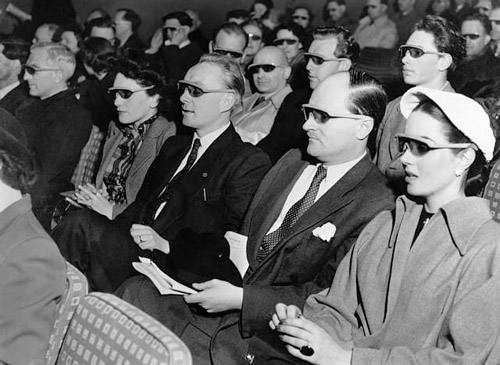
There is a tiny, beautiful moment at the movie theater when the lights begin to dim and the entire room changes personality. One second, it is a busy public space full of popcorn negotiations, seat shuffling, whispery “Is this row H?” debates, and people pretending they are not checking their phones for the seventh time. Then the lights drop. The room exhales. The screen glows brighter. Everyone suddenly remembers why they came.
That moment deserves its place in the universe of 1000 Awesome Things. It is not loud. It does not need confetti. It is not the hero’s final speech or the twist ending. It is the little curtain-opening ritual before the story begins, the instant when ordinary life politely steps outside and imagination takes the big chair.
In an era when movies can be streamed from a couch, bed, airplane seat, treadmill, or suspiciously long lunch break, the movie theater still has one unbeatable trick: transformation. When the lights dim at the movie theater, you are not just watching a film. You are crossing a line from the everyday world into a shared dream with strangers, snacks, and surround sound. And honestly, that is still awesome.
Why the Lights Dimming Feels So Magical
The dimming of theater lights is practical, of course. Lower light helps the projected image stand out, reduces distractions, and signals that it is time to focus. But the emotional effect is much bigger than a technical adjustment. It works like a starter pistol for the imagination.
Before the lights go down, the theater is a mildly chaotic democracy. Someone is unwrapping candy with the urgency of a raccoon in a pantry. A group is negotiating seats as though drafting a peace treaty. A couple arrives late and somehow needs the exact two seats in the middle of the row. Everyone is still half in the outside world.
Then the lights dim, and the social contract changes. Conversations fade. Phones disappear. Popcorn chewing becomes more respectful, or at least more strategic. The screen becomes the center of gravity. Without anyone making a speech, the room agrees: the show is starting.
The Theater Becomes a Portal
A movie theater is one of the few modern places designed to remove you from yourself for a while. There are no windows reminding you of errands. There is no laundry basket staring at you with judgment. There is only a screen, a seat, and a story big enough to swallow the room.
That is why the lighting shift feels like a portal. Bright lights belong to planning, choosing, comparing, buying, texting, scrolling, and looking for the restroom. Dim lights belong to mystery. Once the auditorium darkens, your brain receives a quiet invitation: stop managing life for two hours and just be taken somewhere.
The movie may be a superhero spectacle, a haunted-house nightmare, a tiny indie drama, a romantic comedy, or a documentary about a person who cares deeply about mushrooms. It almost does not matter. The dimming lights tell you that something is about to happen, and you are allowed to care.
The Awesome Power of Anticipation
One reason this moment hits so hard is anticipation. Humans are excellent at looking forward to things. Sometimes the build-up is half the pleasure. The ticket purchase, the trailer, the calendar reminder, the group chat planning, the “Should we get there early?” conversation, the smell of buttered popcorn in the lobbythese are all little sparks before the big flame.
When the lights dim, all that anticipation becomes concentrated. You are no longer waiting in theory. You are waiting in the dark, with a giant screen in front of you and a room full of people who made the same choice. That tiny pause before the first image arrives can feel electric.
It is the same feeling as a roller coaster reaching the top of the hill, a concert crowd screaming before the band appears, or a birthday cake approaching with candles lit. Nothing has technically happened yet, but everything is about to. The moment has momentum.
Moviegoing Is Still Different From Streaming
Streaming is convenient, and convenience is wonderful. Nobody should pretend it is not nice to watch a movie while wearing sweatpants so comfortable they may legally qualify as bedding. At home, you can pause, rewind, snack affordably, and avoid the person who believes a movie is an excellent time to narrate the movie.
But the theater offers something streaming cannot fully copy: commitment. Once the lights dim, you have chosen to be present. You are not folding towels during the opening scene. You are not checking the fridge during the quiet emotional moment. You are not pausing because someone remembered a package might be outside.
The theater asks for your attention, and in return it gives the movie scale. Faces become landscapes. Footsteps become thunder. Silence becomes meaningful. A joke lands harder when a room laughs together. A jump scare becomes a community event, complete with flying popcorn and at least one person whispering, “I knew that was coming,” even though they absolutely did not.
A Shared Experience With Strangers
One of the underrated joys of a movie theater is that it turns strangers into a temporary audience-family. You do not know the person three rows ahead of you, but for the next two hours, you are emotionally linked. You may laugh at the same joke, gasp at the same reveal, or sit in the same stunned silence after the credits begin.
This shared attention matters. In everyday life, everyone is looking at different screens. At the theater, everyone looks at the same one. That alone feels almost radical. The dimming lights gather scattered minds and point them in one direction.
There is something comforting about that. You can enter the theater alone and still feel part of something. You can sit beside friends and create a memory that later becomes shorthand: “Remember when the whole theater lost it?” Some movies are better because of the crowd. The dimming lights are the handshake that starts the relationship.
The Ritual Before the Story
Great experiences often come with rituals. Baseball has the national anthem and first pitch. Concerts have the house lights going down. Weddings have the walk down the aisle. The movie theater has previews, trailers, reminder announcements, and finally that delicious lowering of the lights.
The ritual matters because it creates separation. Outside the auditorium, you are a person with emails, bills, deadlines, and a half-charged phone. Inside, after the lights dim, you become an audience member. Your job is simple: watch, feel, react, and try not to spill soda on your shoes.
That simplicity is rare. The modern world asks everyone to multitask constantly. The movie theater says, “No, no. Sit here. Face forward. Let the dinosaurs, detectives, spaceships, awkward first dates, or talking animals handle the next part.” What a generous arrangement.
Why Theater Etiquette Begins With the Lights
The lights dimming also acts as a social cue. It gently announces that pre-show behavior should retire. The phone glow that seemed harmless five minutes ago now looks like a tiny lighthouse of rudeness. The whisper that seemed casual now feels like a podcast nobody subscribed to. Even candy wrappers become public enemies.
This is why so many theater etiquette reminders focus on silence, phone use, and respect for other viewers. A movie theater is not a private living room with unusually expensive popcorn. It is a shared space, and the experience works best when everyone protects the spell.
Three Simple Rules After the Lights Dim
First, put the phone away. Not face-up on your lap. Not “just checking one thing.” Away. Second, keep talking to a minimum. A tiny whisper may survive, but full commentary belongs after the movie. Third, unwrap snacks early if possible. Nobody wants the dramatic courtroom confession accompanied by a forty-second plastic crinkle solo.
These are not strict rules designed to ruin fun. They are little acts of kindness. When the lights dim, everyone becomes a caretaker of the atmosphere. The better the audience behaves, the more powerful the movie becomes.
The History Behind the Movie Theater Spell
Moviegoing has changed dramatically over the last century. Early film audiences gathered in simple exhibition spaces, while later movie palaces turned cinema into a grand public event. Over time, theaters became places of luxury, community, escape, and popular culture. Seats improved. Sound improved. Projection improved. Snacks multiplied like delicious little side quests.
Yet the central magic stayed the same: people gather in the dark to watch light tell a story. That is beautifully strange when you think about it. A theater is basically a room where humans agree to sit quietly while enormous glowing images make them feel things. It sounds odd until you remember how well it works.
The dimming lights connect modern multiplexes to that long history. Whether the auditorium has reclining seats, immersive sound, premium large-format projection, or classic red velvet charm, the emotional structure remains familiar. We enter from daylight. The room darkens. The story begins.
Premium Screens, Better Seats, Same Old Goosebumps
Modern theaters keep finding new ways to make the experience more immersive. Luxury loungers, laser projection, premium sound, large-format screens, 3D presentations, and advanced audio systems all aim to make movies feel bigger than home viewing. Some theaters even use motion seats and environmental effects to pull viewers deeper into the action.
These upgrades can be impressive, especially for action, science fiction, animation, musicals, horror, and epic dramas. But the emotional switch still begins with the same small cue: the auditorium gets darker. Technology can sharpen the image and shake the seat, but the dimming lights still do the ancient work of gathering attention.
That is what makes this moment so dependable. Whether you are in a giant premium auditorium or a cozy local theater with carpet that has seen things, the dimming lights feel like an announcement from the movie gods: “Please secure your snacks. Reality is now leaving the station.”
The Smell of Popcorn, the Glow of the Screen, and the Tiny Seat Panic
Let us be honest: part of the charm is the chaos before the calm. Movie theaters are sensory playgrounds. The lobby smells like popcorn, pretzels, nachos, and optimism. The soda machines hiss. The ticket scanner beeps. The arcade games flash. Someone is staring at the menu board as if deciding between popcorn sizes is a moral crisis.
Inside the auditorium, there is the small adventure of finding your seat. Reserved seating has improved this, but there is still that brief moment of doubt. Are you in the right row? Is that your cupholder? Why is someone already sitting there? Can you politely say, “I think this is my seat,” without sounding like a medieval landlord?
All of that makes the dimming lights even better. They settle the room. The pre-movie scramble turns into collective stillness. The theater stops being a place you are entering and becomes a place you are inside.
Why This Small Moment Feels Like a Reset Button
The dimming lights do not solve your problems, but they pause them. That is powerful. For a couple of hours, your calendar is irrelevant. Your inbox cannot reach you unless you invite it in. Your worries may still be waiting outside, but they have to wait in the lobby like everyone else.
This is one reason people love going to the movies during stressful times. The theater offers permission to focus on one thing. Not ten tabs. Not three conversations. One story. One screen. One shared emotional ride.
In that sense, the moment when the lights dim is more than a theatrical habit. It is a boundary. It says: this time is protected. This attention is reserved. This little pocket of darkness belongs to wonder.
Specific Examples of the Lights-Dim Feeling
Think about a horror movie. The lights dim, and suddenly every shadow in the room becomes suspicious. Someone coughs and half the row flinches. The first eerie note plays, and you instantly regret sitting near the aisle. Excellent. Terrible. Perfect.
Now think about a comedy. The lights dim, and the crowd gets ready to laugh. The first big joke lands, and the room warms up. Laughter spreads faster in a theater because it is contagious. A joke that might make you smile alone at home can make you laugh out loud when two hundred people laugh with you.
Or imagine a long-awaited blockbuster. Fans have waited months, maybe years. Everyone knows this is an event. When the lights dim, the audience buzz becomes almost physical. The first logo appears. Someone cheers. The goosebumps arrive before the plot does.
That is the moment this article is celebrating: the instant before the movie owns the room.
How to Make the Most of the Moment
Arrive Early Enough to Settle In
The lights dimming feels better when you are not sprinting down the aisle with nachos, a drink, and the facial expression of someone defusing a bomb. Arrive early, find your seat, handle snacks, and give yourself time to relax.
Choose the Right Screening
A packed opening-night crowd can be thrilling. A quiet weekday matinee can feel luxurious. A premium format can make a visual spectacle shine. A smaller local theater can add charm. The best choice depends on the movie and your mood.
Protect the Spell
Silence your phone, keep side conversations short, and let yourself be absorbed. The more fully you give yourself to the experience, the more rewarding that first dimming of the lights becomes.
Personal Experiences: The Little Darkness That Makes the Big Screen Bigger
The best memory of the lights dimming is not always tied to the best movie. Sometimes the film is only part of the story. What stays with you is the feeling of being there: the sticky floor under your shoes, the cold drink in the armrest, the oversized popcorn you promised to share and then defended like a dragon guarding treasure.
There is a special thrill in going to the movies as a kid. The seats feel enormous. The screen looks impossibly big. The hallway lights behind you seem to belong to the regular world, but the dark auditorium feels like a secret club. When the lights dim, it is as if adults have finally stopped talking and the real magic can begin. Even the trailers feel important. Every coming attraction looks like a promise.
As a teenager, the moment changes. The movie theater becomes freedom. It is a place to go with friends, to sit in a row, to whisper before the previews, to laugh too loudly, to pretend you are not nervous sitting beside someone you like. When the lights dim, the awkwardness softens. You no longer have to make perfect conversation. The screen does the talking. If your hands accidentally meet in the popcorn bucket, well, cinema history is full of suspense.
As an adult, the dimming lights become a relief. You may arrive carrying work stress, family obligations, unread messages, and the emotional weight of having recently compared insurance plans. But when the auditorium darkens, something unclenches. For once, nobody needs you to answer immediately. The movie asks only that you sit still and pay attention. That feels almost luxurious.
Some of the best theater moments happen with strangers. A packed audience gasping at a twist. A child laughing with their whole body at an animated sidekick. A row of horror fans collectively levitating during a jump scare. A theater full of people staying silent after a powerful ending because applause would feel too small. These reactions cannot be downloaded. They happen because everyone is in the same room at the same time, letting the same story move through them.
There is also the solo movie experience, which is its own quiet joy. Going alone can feel oddly brave the first time, then wonderfully peaceful after that. You choose the movie, the seat, the snack strategy, and the post-film reflection. When the lights dim, you are alone but not lonely. You are surrounded by people who also chose this temporary escape. For two hours, you belong to the audience.
That is why this moment remains awesome. The dimming lights do not care whether you are young or old, on a date or alone, watching a masterpiece or a ridiculous sequel with a title that includes both a colon and a number. They create the same invitation every time: come closer, pay attention, leave the ordinary world outside. The movie is about to begin.
Conclusion: A Small Moment Worth Celebrating
The moment when the lights dim at the movie theater is awesome because it is simple, universal, and quietly dramatic. It transforms noise into attention. It turns a crowd into an audience. It takes an ordinary room and makes it feel like a doorway.
Streaming may be convenient, and home screens may be sharper than ever, but the theater still owns this ritual. You cannot fully recreate the hush of strangers settling in, the glow of the giant screen, the first swell of sound, and the sudden feeling that something wonderful is about to happen.
So the next time you are at the movies, notice it. Notice the last bright second before the darkness. Notice the room calming down. Notice your own excitement rising. Then smile into the shadows, because life has handed you one of those small, perfect pleasures that asks for nothing except your attention.
Awesome.