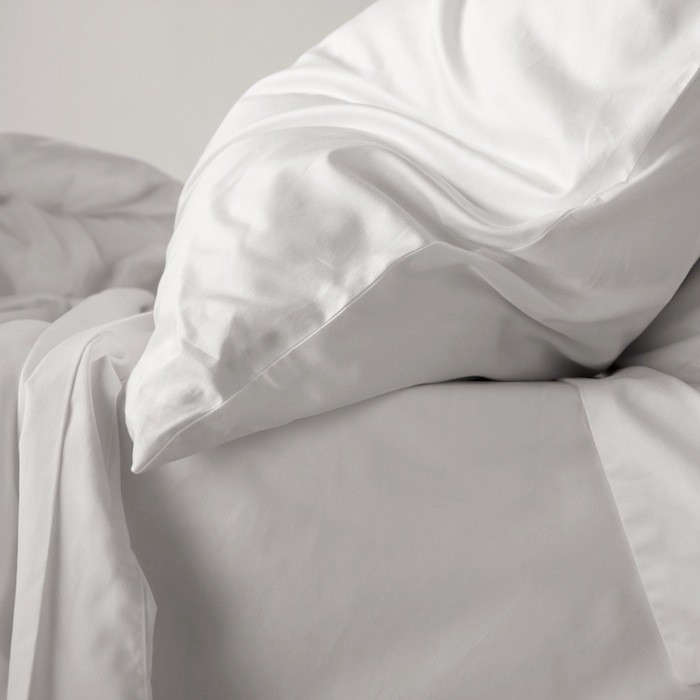
If the internet has made one bedtime promise with suspicious confidence, it is this: buy a silky pillowcase and wake up looking like you have a personal glam squad hiding under the bed. That is, frankly, a lot to ask from a rectangle of fabric. Still, once you strip away the breathless beauty-marketing fog, there is a very sensible reason silky pillowcases have become a favorite in real bedrooms: they are smooth, gentle, and pleasantly low-drama.
A good silky pillowcase is not magic. It will not erase every wrinkle, cure acne, rescue fried hair, and teach your cat to respect boundaries. But it can reduce friction, feel cooler and softer against the skin, and make mornings a little less chaotic. For people with frizz-prone hair, fragile strands, sensitive skin, or a deep emotional history with bedhead, that is not a gimmick. That is a quality-of-life upgrade.
This is where the idea of the sleaze-free silky pillowcase comes in. It is silky without the snake oil. Luxurious without being ridiculous. Helpful without pretending to replace shampoo, moisturizer, a dermatologist, or common sense. Below are ten reasons this kind of pillowcase earns a spot on the favorites list, plus a practical guide to what to buy, what to skip, and what real-life use actually feels like after the honeymoon phase ends.
What “sleaze-free” really means
Let us define the term before the satin army files a complaint. A sleaze-free silky pillowcase is one that delivers realistic benefits without making overcooked claims. It respects the laws of physics. Smooth fabric creates less rubbing than rougher fabric. Less rubbing can mean less tugging on hair, fewer tangles, and less pressure on skin while you sleep. That is believable. “This pillowcase will reverse time by Thursday” is not.
In practical terms, sleaze-free also means choosing a pillowcase based on material quality, construction, and comfort rather than hype. That usually means looking for details like 100% mulberry silk, a momme weight in the quality range, a closure that does not annoy you at midnight, and care instructions you can live with. It also means understanding that silk and satin are not the same thing. Silk is a fiber. Satin is a weave. Some satin pillowcases feel wonderful and perform well, but they may be polyester-based rather than true silk.
10 favorites: why this silky pillowcase keeps winning people over
1. It cuts down on overnight friction
This is the big one. Traditional cotton pillowcases can feel perfectly fine until you compare them to something smoother. Then you realize how much dragging, rubbing, and bunching happens while you toss and turn. A silky pillowcase lets hair and skin glide instead of snag. That smoother surface is the foundation for nearly every other benefit people notice, from fewer tangles to softer morning skin.
2. It helps hair look less like it survived a small electrical event
Frizz, tangles, flattened blowouts, and mystery kinks often have one thing in common: mechanical stress overnight. A silky pillowcase does not guarantee movie-star hair by sunrise, but it can reduce the rough treatment your hair gets while your head does its nightly acrobatics. This is especially helpful for curly hair, fine hair, color-treated hair, and any texture that gets dry or breaks easily. In other words, it is not vanity. It is damage control with better manners.
3. It is gentler on skin that hates being dragged around
Skin does not love friction any more than hair does. A smoother pillowcase can reduce the tugging that contributes to temporary sleep creases and general irritation. That matters if you side-sleep, stomach-sleep, or wake up with your cheek stamped like a waffle. No pillowcase can stop the aging process, but a softer surface can be a kinder one, especially for sensitive or easily irritated skin.
4. It may help skin and hair hold onto moisture better
One reason silky pillowcases remain popular is that silk tends to be less absorbent than cotton. That means your pillowcase is less eager to steal every expensive drop of your night cream or your hair’s natural oils. Again, let us keep the halo in the drawer: this does not turn silk into a skincare treatment. But if your face feels tight in the morning or your ends seem drier than a stand-up comedian’s group chat, a less thirsty fabric can make a noticeable difference.
5. It feels cooler, lighter, and more breathable than many people expect
Silk’s beauty reputation gets all the headlines, but the comfort factor deserves its own applause. Many silky pillowcases feel cool to the touch and less oppressive than heavier fabrics. For hot sleepers, that matters. For anyone who has ever flipped a pillow 14 times looking for the cold side, that matters a lot. A pillowcase does not replace temperature-regulating bedding, but it can absolutely make your sleep setup feel more polished and comfortable.
6. It makes “beauty sleep” sound less fake and more practical
The phrase beauty sleep can feel like a marketing intern wrote it in a sugar rush. But a silky pillowcase turns it into something more grounded. The benefit is not glamorous fantasy; it is reduced wear and tear. Fewer hair knots. Less pillow-face. A smoother landing place for your skin and hair every night. That is not dramatic. It is just smart.
7. It works especially well for high-maintenance hair without acting smug about it
If you have curls, coils, extensions, a silk press, a fresh blowout, bleached hair, or strands that break if you look at them wrong, the right pillowcase can pull its weight. Textured and fragile hair types often benefit the most from minimizing friction. Think of it as a passive overnight helper. It is doing something useful while demanding absolutely no effort beyond existing on your pillow. Frankly, more household items should aspire to that standard.
8. It encourages cleaner sleep habits
A fancy pillowcase has a sneaky side effect: people tend to take better care of it. That means washing it regularly, paying attention to detergent, and being more aware of how much oil, sweat, styling product, and skin care end up on the surface where your face rests every night. Clean pillowcases matter whether the fabric is silk, satin, or cotton. A silky one simply makes the habit feel slightly more rewarding and slightly less like a chore invented by someone who hates weekends.
9. It has become easier to shop for quality without spending fantasy-novel money
Once upon a time, silky pillowcases felt like a luxury reserved for celebrities and people who own robes with monograms. Now there are more solid options at a range of prices. True silk still costs more than standard cotton, but shoppers have more choices in size, closure, washability, momme weight, and finish. That means you can be selective. You do not need the most expensive option on the market. You need one that is well made, comfortable, and honest about what it is.
10. The best ones feel luxurious without being cheesy
This may be the most underrated benefit of all. A truly good silky pillowcase feels elegant, simple, and useful. It is not trying to seduce you with fake science or overdone branding. It just does its job well. The texture feels smooth, the sewing feels solid, the finish feels clean, and the whole thing makes your bed feel more inviting. That is the sweet spot: luxury without sleaze.
Silk vs. satin: the bedtime identity crisis
Here is the detail shoppers need most: silk is the fiber, while satin describes the weave. A satin pillowcase can be made from silk, polyester, rayon, or other fibers. That is why satin options often cost much less. They can still feel smooth and can still reduce friction compared with cotton, which is why many people on a budget do perfectly well with them.
True silk, however, tends to win on breathability, natural feel, and overall luxury. It is usually the stronger choice if you want the classic silky pillowcase experience. Satin, especially polyester satin, is often easier to care for and more affordable, but it may not feel as breathable or refined. There is no universal winner for every person. The better question is this: do you want the best natural-fiber experience, or do you want a lower-cost smooth surface that still helps with hair and skin friction?
How to shop for a silky pillowcase without getting fooled
Look for 100% mulberry silk if you want the real thing
Mulberry silk is widely considered the premium standard for silk bedding. If a product page is dodging specifics and using vague phrases like “silky feel” or “silk-like softness,” pause dramatically and read the fiber content. Marketing loves ambiguity. Your wallet should not.
Check the momme weight
Momme is the measurement used for silk fabric weight. In simple terms, higher momme usually means denser, sturdier silk. Many experts recommend shopping in the 19 to 25 momme range, with 22 momme and up often treated as a premium sweet spot. Too low, and the fabric can feel skimpy. Too high, and the price may start whispering insults at your credit card.
Choose a closure you can live with
This sounds minor until you own one. Zipper closures look tidy and keep the pillow in place. Envelope closures are simple and often more comfortable. The wrong closure can jab you, shift around, or feel bulky. Your pillowcase should not contain surprises.
Watch for sensible certifications
When available, certifications such as OEKO-TEX can be a nice extra because they suggest the fabric has been tested for certain harmful substances. Not every excellent pillowcase will wave a certification flag, but it is a useful detail if you are comparing similar products.
What a silky pillowcase can doand what it cannot
Let us have a refreshing moment of honesty. A silky pillowcase can reduce friction, help hair stay smoother, feel gentler on skin, and support a more comfortable sleep environment. It cannot cure acne by itself, erase deep wrinkles, fix severely damaged hair, replace clean bedding habits, or rescue a routine built entirely on bad decisions and dry shampoo.
That does not make it overrated. It makes it realistic. The best home upgrades are often the ones that improve everyday life in small, repeatable ways. A silky pillowcase belongs in that category. It is not a miracle. It is a useful piece of infrastructure for better sleep, better comfort, and a slightly more civilized morning.
How to care for it so it does not die young
Silk is not impossible to care for, but it does expect basic respect. Most high-quality silk pillowcases do best with cold water, a gentle detergent, and either hand-washing or a delicate cycle. A mesh laundry bag is smart. Bleach is not. Fabric softener is not. High heat is the enemy. Air drying is usually the safest move.
Wash it regularly, ideally about once a week, just as you would any pillowcase that comes into contact with your face, hair products, sweat, and skin care. If you use heavy night creams, sleep with damp hair, sweat at night, or let pets treat your bed like a co-working space, washing more often is wise. Silk is luxurious, yes, but it is still bedding. Bedding needs laundering, not worship.
Real-world experiences: what people actually notice after switching
The first night with a silky pillowcase is usually memorable for one reason: texture. The surface feels smoother, cooler, and more polished than standard cotton. Some people love that immediately. Others need two or three nights to adjust because the slip can feel unusual at first, especially if they are used to crisp percale or brushed cotton. That adjustment period is normal. Silk is a different sleeping experience, not just a prettier version of what you already had.
By the end of the first week, the most common change people report is in their hair. It is not usually “my hair transformed into a shampoo-commercial waterfall.” It is more like “my ends are less wild,” “my blowout lasted longer,” or “I am fighting fewer knots in the morning.” That is the real charm of the silky pillowcase. It often improves the small annoyances that pile up over time. Less breakage when detangling. Less flattening on one side. Fewer weird bends that require a curling iron, a prayer, and a revised schedule.
Skin experiences tend to be subtler but still meaningful. Side sleepers often notice fewer deep pillow marks by morning. People with sensitive skin sometimes prefer the gentler glide compared with rougher fabrics. Those who use nighttime skin care often like that their face feels less dried out by morning, though the difference varies from person to person. It is not a replacement for a good moisturizer or a consistent routine, but it can support both.
There are also emotional benefits, which no one talks about enough. A silky pillowcase can make bedtime feel a little more intentional. Your bed looks more put together. Your routine feels less accidental. Even if the improvement is partly sensory, that still counts. Sleep spaces matter. Texture matters. Tiny comforts matter. Adults are allowed to enjoy nice fabric without writing a manifesto about it.
Of course, not every experience is glowing. Some people discover that they dislike the extra slip. Some miss the crispness of cotton. Some buy low-quality “silky” cases that pill, snag, or trap heat, then assume the whole category is nonsense. That is why quality matters so much. A bad silky pillowcase is not merely disappointing; it is a betrayal staged in your own bedroom.
Over a month or two, the people happiest with the switch are usually those who had a specific reason for making it. They wanted less hair breakage. They wanted to protect a blowout. They wanted a gentler surface for sensitive skin. They wanted a cooler, smoother feel at night. Those goals are realistic, and silky pillowcases tend to serve them well. The people most disappointed are often the ones who expected dramatic cosmetic changes without any other routine changes. Silk can support good habits. It does not replace them.
In the long run, the silky pillowcase tends to become one of those home items you stop thinking about precisely because it works. You notice it most when you travel and sleep on a rough hotel pillowcase that treats your hair like a Velcro experiment. Then suddenly you miss your smooth, civilized, sleaze-free favorite more than expected. That is usually the sign of a genuinely useful upgrade: it becomes part of normal life, and you only realize its value when it is gone.
Conclusion
The best silky pillowcase is not the one with the loudest promises. It is the one that quietly improves your nights and softens your mornings. A sleaze-free silky pillowcase earns its reputation by doing simple things well: reducing friction, feeling comfortable, supporting healthier-looking hair, being gentler on skin, and bringing a little polish to everyday sleep.
If you want the best version of the experience, shop for real material quality, keep your expectations sensible, and wash the thing regularly. That is the formula. No miracles. No nonsense. Just a smoother, smarter place to land your face every night.