Note: This article is for general informational and editorial purposes. It reflects real social distancing practices used during COVID-19 lockdowns, including public-health guidance, community habits, and creative examples that helped people stay connected while staying apart.
Remember when “six feet apart” became the unofficial national dance move? During the lockdown, social distancing turned from a dry public-health phrase into a daily lifestyle. People worked from kitchen tables, waved through windows, celebrated birthdays from car seats, and learned that a family Zoom call could somehow be both heartwarming and deeply chaotic.
Social distancing during the lockdown was never just about standing on floor stickers at the grocery store. It was about reducing close contact, limiting crowded gatherings, protecting vulnerable people, and finding creative ways to keep life moving when normal routines suddenly hit pause. While the pandemic brought fear, frustration, and plenty of sourdough starter, it also revealed an impressive amount of human creativity.
Below are 18 of the best examples of social distancing during the lockdownsome practical, some emotional, and some so clever they deserve a tiny trophy made of hand sanitizer bottles.
What Social Distancing Meant During Lockdown
Social distancing, also called physical distancing, refers to keeping space between people to reduce the risk of respiratory virus transmission. During lockdown periods, it often included staying home, avoiding crowds, postponing large events, working remotely, limiting travel, and choosing lower-contact options for shopping, dining, school, and medical care.
The goal was simple, even if the execution was not always easy: reduce close, prolonged interactions so fewer people were exposed at once. In real life, that meant rethinking everything from weddings to workouts, classrooms to coffee runs, and family visits to Friday night entertainment.
18 Best Examples Of Social Distancing During The Lockdown
1. Drive-By Birthday Parades
When birthday parties were canceled, families turned streets into mini parade routes. Friends decorated cars with balloons, signs, streamers, and cheerful messages, then drove past the birthday person’s home while honking like a joyful traffic jam. It was socially distant, surprisingly emotional, and much easier than trying to cut cake for 30 people.
Drive-by birthday parades became one of the most memorable social distancing examples because they preserved the feeling of celebration without requiring a crowded living room. Kids saw classmates, grandparents waved from porches, and adults discovered that honking could be a love language.
2. Virtual Weddings And Livestreamed Ceremonies
Love did not cancel itself during lockdownit simply learned how to use Zoom. Couples held livestreamed weddings from living rooms, backyards, rooftops, and front stoops. Some guests dressed up from home, some toasted through screens, and at least one uncle probably forgot to mute himself during the vows.
Virtual weddings were among the best examples of social distancing because they kept ceremonies intimate while allowing distant relatives and friends to participate. Many couples also hosted micro-weddings with only essential guests, spaced seating, masks, and online broadcasts for everyone else.
3. Outdoor, Distanced Neighborhood Hangouts
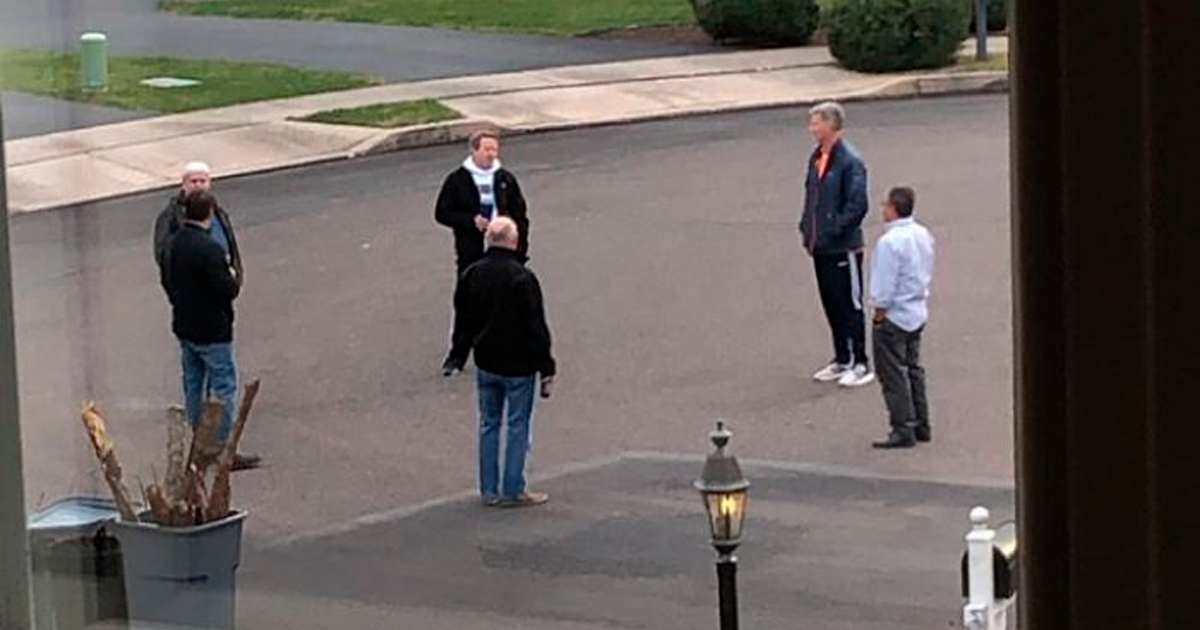
During lockdown, neighborhoods rediscovered the humble front yard. People placed lawn chairs far apart, chatted across driveways, and gathered on sidewalks while keeping physical distance. Instead of crowded dinner parties, there were “bring your own chair” evenings, driveway coffee dates, and porch conversations.
This worked because outdoor air and spacing made social contact less risky than packed indoor gatherings. It also reminded people that community does not always require a formal invitation. Sometimes it just needs a folding chair and a neighbor willing to shout pleasantly from six feet away.
4. Grocery Store Floor Markers
One of the most recognizable lockdown images was the line of shoppers standing on taped floor markers. Grocery stores, pharmacies, and essential retailers used stickers, arrows, and signs to guide traffic flow and keep customers spaced apart.
These markers were simple but effective. They removed guesswork from waiting in line and gave everyone a polite, visual reminder: “Please do not breathe directly on the person buying bananas.” Directional aisles, plexiglass shields, and limited store capacity became part of the new shopping routine.
5. Curbside Pickup And No-Contact Delivery
Curbside pickup went from convenience perk to lockdown superhero. Restaurants, grocery stores, bookstores, hardware stores, and local shops quickly adapted by letting customers order online or by phone, then receive items outside or at their doorstep.
No-contact delivery helped reduce time spent indoors and limited close interactions between workers and customers. It also gave small businesses a way to keep operating. For many people, hearing “your order has arrived” became the most exciting event on the calendar.
6. Remote Work From Home
For office workers, social distancing meant trading conference rooms for kitchen counters, spare bedrooms, and occasionally the laundry room. Remote work became one of the largest-scale examples of social distancing during lockdown, helping reduce commuting, crowded offices, elevator traffic, and workplace exposure.
Of course, working from home had its own comedy. Pets joined meetings. Children appeared as surprise guest speakers. People learned the importance of the mute button. Still, remote work proved that many jobs could continue without everyone sharing the same air-conditioned rectangle.
7. Online School And Virtual Classrooms
Schools faced enormous challenges during lockdown, and remote learning became a major social distancing strategy. Students attended classes online, submitted assignments digitally, and learned to raise a virtual hand instead of waving one in a classroom.
It was far from perfect. Many families struggled with technology, childcare, and learning gaps. But virtual classrooms helped maintain education while reducing large daily gatherings. Teachers also became champions of patience, creativity, and troubleshooting microphones at heroic levels.
8. Telehealth Appointments
Telehealth allowed patients to consult doctors, therapists, dietitians, and other healthcare professionals without sitting in crowded waiting rooms. For routine check-ins, prescription questions, mental health support, and follow-up care, virtual appointments became a practical social distancing tool.
Telehealth was especially helpful for people at higher risk, caregivers, and anyone trying to avoid unnecessary exposure. It also proved that some medical conversations do not require a clipboard, a waiting-room fish tank, or a stack of three-year-old magazines.
9. Window Visits At Nursing Homes
Few lockdown images were more emotional than families visiting loved ones through windows at nursing homes and long-term care facilities. Residents waved, pressed hands to glass, held signs, or spoke by phone while seeing family members outside.
These visits were bittersweet. They showed both the pain of isolation and the determination to protect older adults and medically vulnerable people. Window visits were not a perfect substitute for hugs, but they helped families maintain connection when in-person visits were restricted.
10. Drive-In Movies And Parking Lot Events
The drive-in made a comeback during lockdown, and honestly, it wore the spotlight well. Communities hosted drive-in movies, church services, concerts, comedy shows, and graduation events. People stayed in or near their vehicles, parked apart, and enjoyed entertainment with household groups.
Drive-in events were clever because they turned cars into personal viewing pods. They offered a shared experience without the shoulder-to-shoulder crowd. Plus, snacks were cheaper when you brought them from home, unless someone in the family ate all the popcorn before the opening credits.
11. Outdoor Fitness Classes With Spaced Mats
Gyms and studios faced major restrictions, so many instructors moved classes outdoors. Yoga mats, exercise stations, and boot camp spots were placed several feet apart in parks, parking lots, and open fields.
Outdoor fitness classes helped people stay active while reducing indoor crowding. They also provided mental health benefits during a stressful time. A distanced workout in fresh air was not just exercise; it was a reminder that bodies still needed movement, sunlight, and occasional burpees nobody asked for.
12. Staggered Work Schedules
Essential workplaces often used staggered shifts to reduce the number of people on-site at one time. Factories, warehouses, offices, and service businesses adjusted schedules so employees could avoid crowded break rooms, entrances, and work areas.
This approach showed that social distancing was not only about individual behavior. It also required planning by employers, managers, and communities. Staggered schedules helped spread out foot traffic and made it easier to clean shared spaces between shifts.
13. Restaurant Patio Dining With Spaced Tables
When restrictions eased in some areas, restaurants created outdoor seating with tables placed far apart. Sidewalks, parking spaces, patios, and streets became dining areas. Some setups looked charming; others looked like a bistro had escaped into a parking lot.
Outdoor dining with spaced tables gave restaurants a lower-contact way to serve customers compared with packed indoor dining rooms. It also helped diners support local businesses while following distancing rules. Many cities later kept expanded outdoor dining because people liked it so much.
14. Contactless Payments
Lockdown accelerated the rise of tap-to-pay cards, mobile wallets, QR code menus, and online checkout. Contactless payment helped reduce shared touchpoints and shortened face-to-face interactions at stores, restaurants, and service counters.
It may not sound dramatic, but contactless payment was one of those small changes that added up. Less handling of cash, pens, receipts, and payment terminals meant smoother transactions and fewer awkward “please sanitize this pen” moments.
15. Virtual Game Nights
Social distancing did not stop game night; it simply gave it a Wi-Fi password. Friends played trivia, charades, bingo, board games, and online multiplayer games through video calls. Some families even hosted weekly themed nights to keep spirits up.
Virtual game nights were a strong example of emotional social distancing: people stayed physically apart but intentionally socially connected. Laughter helped cut through loneliness, even when someone’s screen froze in the least flattering facial expression possible.
16. Balcony Singing And Window Performances
In cities and neighborhoods, people sang from balconies, played instruments from windows, or performed music from porches. These mini-concerts created shared moments without gathering in close crowds.
Music became a safe bridge between households. It lifted morale, honored healthcare workers, and reminded people that creativity survives even during crisis. A trumpet from a balcony may not solve a pandemic, but it can make a hard evening feel less lonely.
17. Distanced Graduations
Graduation ceremonies changed dramatically during lockdown. Schools hosted drive-through diploma pickups, virtual ceremonies, parking lot celebrations, and photo sessions with timed appointments. Students crossed makeshift stages, waved from cars, or appeared in online slideshows.
It was not the traditional cap-and-gown moment many had imagined, but it still mattered. Distanced graduations gave students recognition while avoiding packed auditoriums. They also proved that a milestone is still a milestone, even when celebrated through a windshield.
18. Household “Pods” And Small Social Bubbles
Some families created small, consistent social bubbles or pods to reduce exposure while preserving support. This was common among families sharing childcare, older adults needing assistance, or close friends trying to limit contact to a stable group.
Pods required communication, trust, and clear boundaries. The idea was to reduce the number of contacts rather than mix freely with many households. When done carefully, pods helped people manage loneliness, caregiving, and practical needs during long lockdown periods.
Why These Social Distancing Examples Worked
The best examples of social distancing during lockdown shared a few common qualities. First, they reduced close physical contact. Second, they moved activities outdoors or online when possible. Third, they respected the needs of vulnerable people. Finally, they preserved a sense of normal life, which was more important than many people realized at the time.
Social distancing was not only about avoiding illness. It was also about adapting routines so communities could function under pressure. The most successful ideas were simple, flexible, and easy for people to understand. A taped line on a grocery store floor worked because nobody needed a 40-page manual to stand on a sticker.
The Human Side Of Social Distancing
Lockdown taught people that distance can protect, but connection still matters. The phrase “social distancing” was always a little misleading because the real goal was physical distance, not emotional isolation. People needed friendship, laughter, rituals, and support as much as they needed space.
That is why the best lockdown adaptations were not cold or robotic. They were human. A drive-by birthday parade said, “We see you.” A window visit said, “You are not forgotten.” A virtual wedding said, “Love is still happening.” A neighborhood balcony song said, “We are scared too, but we are here.”
These examples show that public health and creativity can work together. Rules may set the boundary, but people fill the space with meaning.
Lessons We Can Still Use Today
Even after lockdowns ended, many social distancing lessons remained useful. Staying home when sick, choosing outdoor gatherings during respiratory virus season, using telehealth when appropriate, improving ventilation, and respecting personal space are all habits that can protect communities beyond one pandemic.
Lockdown also changed how people think about flexibility. Workplaces learned that remote work can be effective. Restaurants learned that curbside pickup and outdoor dining can expand customer options. Families learned that video calls can help bridge distance. Schools and healthcare providers learned that digital tools, while imperfect, can increase access when used wisely.
Most importantly, people learned that small choices can affect others. Keeping distance was not always convenient, but it was often an act of care. In a culture that tends to celebrate busyness and closeness, lockdown reminded everyone that sometimes love looks like giving someone room.
Personal Experiences And Reflections On Social Distancing During Lockdown
Looking back, the experience of social distancing during lockdown feels like a strange mix of seriousness, creativity, boredom, and unexpected tenderness. The days could feel repetitive: wake up, check the news, wash hands, answer messages, stare out the window, wonder if sweatpants counted as professional clothing, repeat. Yet inside that routine, people found ways to make life feel less frozen.
One of the clearest experiences many people remember is how quickly ordinary spaces changed meaning. The front porch became a meeting room. The driveway became a party venue. The kitchen table became an office, classroom, art studio, and snack headquarters. A short walk around the block felt like a major outing. Seeing another person from across the street could feel oddly thrilling, as if the neighborhood had turned into a very low-budget nature documentary: “Here we observe the neighbor in their natural habitat, carrying banana bread.”
Social distancing also made people more aware of invisible connections. Before lockdown, it was easy to move through the world without thinking much about the cashier, delivery driver, nurse, teacher, bus operator, or grocery stocker who helped daily life function. During lockdown, those roles became impossible to ignore. The simple act of spacing out in a store line carried a deeper meaning: protect yourself, yes, but also protect the worker who has been standing there for hours.
There were difficult emotional lessons too. Many people missed hugs, family dinners, religious services, school events, and casual conversations that once seemed ordinary. Grandparents met new babies through screens. Friends celebrated milestones with pixelated applause. Funerals, weddings, graduations, and holidays became smaller, delayed, or redesigned. The loss was real, and no amount of cheerful creativity erased it completely.
Still, the lockdown period revealed how adaptable people can be. Families invented rituals like Friday pizza video calls, Sunday porch coffee, group movie nights, and synchronized birthday candle blowouts. Teachers learned new tools overnight. Small businesses built pickup systems with handwritten signs and folding tables. Musicians played from balconies. Neighbors checked on each other. People dropped groceries at doors, mailed cards, shared recipes, and waved more than they had in years.
The biggest takeaway may be that social distancing was never only about distance. It was about responsibility, patience, and imagination. It asked people to accept temporary limits for the sake of something larger than personal convenience. That was not easy, and nobody did it perfectly. But the best examples from lockdown show that even when people had to stand apart, they could still show up for one another.
In the end, the strongest memories are not only of masks, signs, and empty streets. They are of car parades, window waves, online laughter, porch music, and small acts of kindness that traveled farther than six feet ever could.
Conclusion
The best examples of social distancing during the lockdown were not just emergency workarounds. They were proof that people can adapt quickly when the stakes are high. From drive-by birthdays and virtual weddings to curbside pickup, telehealth, remote work, and window visits, communities found ways to reduce risk while keeping life moving.
Some ideas were practical. Others were deeply emotional. Many were both. Together, they showed that social distancing did not have to mean social disconnection. With creativity, compassion, and a little humor, people turned a difficult public-health practice into a collection of memorable human moments.