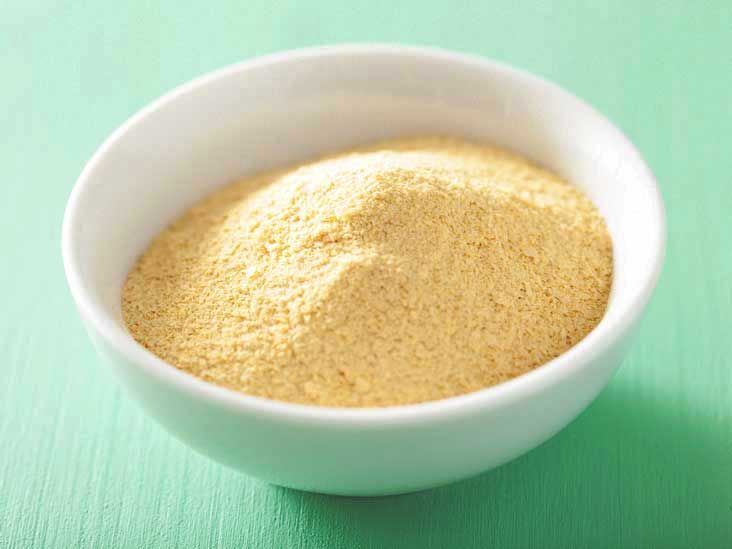
Nutritional yeast may sound like something a scientist invented after a long night in a very enthusiastic soup lab, but it is actually one of the most practical pantry staples around. Often called “nooch,” this flaky yellow seasoning has built a loyal fan club thanks to its savory, cheesy, umami-rich flavor and its impressive nutrition profile. It is especially popular with vegans and vegetarians, but plenty of omnivores keep it around too, usually after realizing it makes popcorn taste suspiciously addictive.
Unlike baker’s yeast, nutritional yeast will not make bread rise. Unlike probiotic supplements, it is not alive and active. And unlike parmesan, it can add a cheesy note without bringing dairy to the party. That combination of convenience, flavor, and nutrition is exactly why nutritional yeast keeps showing up in kitchens, nutrition conversations, and grocery carts.
Still, there is one detail many people miss: not all nutritional yeast is the same. Some products are fortified with extra vitamins, especially vitamin B12, while others are not. That difference matters a lot. So if you have been treating every yellow flake like a tiny superhero in a cape, it is time for a better look.
Here is what nutritional yeast actually is, what nutrients it offers, which health benefits are well-supported, how to use it in everyday cooking, and when you may want to use a little caution before shaking it all over dinner like edible confetti.
What Is Nutritional Yeast?
Nutritional yeast is an inactive form of Saccharomyces cerevisiae, the same species associated with baker’s yeast and brewer’s yeast. The key difference is in how it is processed and used. Nutritional yeast is grown on a sugar-rich medium, then heated and dried so it becomes inactive. Translation: it is dead on purpose. That may sound dramatic, but it is exactly why it works as a food seasoning instead of a leavening agent.
You will usually find it sold as flakes, granules, or powder. The flavor is commonly described as nutty, cheesy, and deeply savory. It does not taste exactly like cheese, but it definitely pulls off the kind of umami trick that makes people say, “Wait, why is this vegetable bowl suddenly interesting?”
Nutritional yeast is also different from yeast extract. Yeast extract is more concentrated and often used for flavoring spreads or packaged foods. Nutritional yeast is more of a whole-food-style seasoning with texture, bulk, and a broader nutrition appeal.
Because it is shelf-stable, easy to sprinkle, and versatile, it fits neatly into busy kitchens. But its biggest draw is not just flavor. It is the nutrient story hiding behind that golden dust storm.
Nutritional Yeast Nutrients: What’s Actually Inside?
The exact nutrition in nutritional yeast varies by brand, especially because fortified and unfortified versions can look nearly identical on the shelf. In general, a two-tablespoon serving is low in calories, low in sodium, fat-free or very low in fat, and provides a useful amount of protein and fiber. Many brands offer around 5 grams of protein and about 2 grams of fiber per serving, which is impressive for something people often use like a condiment.
It also tends to contain a range of B vitamins. Fortified products may deliver high amounts of thiamin, riboflavin, niacin, vitamin B6, folate, and especially vitamin B12. That last one is the headline nutrient for many shoppers, since vitamin B12 is naturally found mainly in animal foods. If you eat a vegan diet, fortified nutritional yeast can be one practical way to help cover that gap.
Here is the important catch: nutritional yeast does not naturally contain vitamin B12 in meaningful amounts. If a product has B12, it is there because the manufacturer added it. In other words, the bright yellow flakes are helpful, but they are not magic. The label is doing some heavy lifting.
Unfortified nutritional yeast can still offer protein, fiber, and some naturally occurring nutrients, but it is not the same nutritional package as a fortified brand. That is why reading the nutrition panel matters. Two canisters may sit side by side looking like twins, while one quietly supplies a huge chunk of your B12 needs and the other does not.
Depending on the product, nutritional yeast may also contribute smaller amounts of minerals such as zinc, selenium, potassium, and iron. Some of its fiber includes compounds such as beta-glucan and alpha-mannan, which have attracted interest for digestive, immune, and heart-related benefits. That does not make nutritional yeast a miracle powder, but it does make it more than just a flavorful topping.
Fortified vs. Unfortified Nutritional Yeast
If you remember only one thing from this article, make it this: fortified nutritional yeast and unfortified nutritional yeast are not nutritionally interchangeable.
Fortified versions are usually the better choice for people who want nutritional yeast for its vitamin content, especially B12. Unfortified versions are still useful in cooking and may appeal to shoppers who want a simpler ingredient list, but they should not be relied on as a dependable B12 source.
That is why the smartest way to shop for nutritional yeast is not to stare at the brand name and hope for the best. Turn the package around and read the label like the responsible, well-seasoned adult you are.
Health Benefits of Nutritional Yeast
1. It Can Help Support Vitamin B12 Intake
This is the big one. Vitamin B12 is essential for red blood cell formation, nerve function, and DNA production. People who follow vegan or mostly plant-based diets have a higher risk of B12 deficiency because natural food sources are primarily animal-based. Fortified foods, including fortified nutritional yeast, can help reduce that risk.
That does not mean nutritional yeast should automatically replace all other B12 planning. It simply means it can be a useful tool. If your brand is fortified and you actually use it consistently, it may help support your intake in a very convenient way. Sprinkle, stir, eat, repeat. Nutrition can be surprisingly low drama when the label cooperates.
2. It Provides Plant-Based Protein
Nutritional yeast contains protein, and some experts describe it as a complete protein because it contains all nine essential amino acids. While no one should depend on nutritional yeast alone to meet total protein needs, it can absolutely help round out meals. Adding a few tablespoons to pasta, soups, roasted vegetables, or grain bowls gives both flavor and a modest protein boost.
That matters most in plant-forward diets, where people are often looking for simple ways to build meals that feel satisfying without adding more meat or cheese. Nutritional yeast is not a steak in disguise, and it is not trying to be. But it can make a meal a little more filling and a little more nutritionally dense, which is a respectable life goal for a yellow flake.
3. It May Support Digestive and Heart Health
Nutritional yeast contains fiber, including beta-glucan. Fiber, in general, supports digestive health, helps with fullness, and may contribute to healthier cholesterol levels as part of an overall balanced diet. Beta-glucan has been studied for heart and metabolic benefits, though the research varies depending on the type and source of beta-glucan.
That is why nutritional yeast should be seen as a helpful contributor, not a solo act. Sprinkling it on your lunch will not instantly transform your cholesterol panel into a standing ovation. But when it is part of a fiber-friendly eating pattern that includes beans, vegetables, fruit, oats, whole grains, and nuts, it can absolutely fit into a heart-smart approach.
4. It Offers Antioxidant and Functional Compounds
Some nutrition experts point to antioxidant compounds and yeast-derived fibers in nutritional yeast as another reason it gets attention. These compounds may support normal immune function and help protect cells from oxidative stress. That sounds exciting, and some of the science is promising, but this is the part of the conversation where we avoid overacting.
Nutritional yeast is not an immune shield, a detox tool, or a wellness loophole. It is a nutrient-rich food that may offer some supportive benefits, especially when eaten regularly as part of a healthy overall diet. That is less dramatic than influencer language, but much more useful in real life.
5. It Can Make Healthy Food Easier to Enjoy
One underrated benefit of nutritional yeast is behavioral, not biochemical. It makes healthy meals taste better. And when healthy meals taste better, people are more likely to eat them. That is not a small thing.
If a spoonful of nutritional yeast helps someone enjoy roasted broccoli, lentil soup, brown rice, kale chips, or a bean bowl, then it is doing quiet hero work. Good nutrition is often less about perfection and more about repeatable habits. Delicious habits tend to repeat themselves. Sad steamed vegetables tend to be forgotten in the back of the fridge.
How to Use Nutritional Yeast
Nutritional yeast is one of the easiest ingredients to use because it asks so little of you. No chopping. No soaking. No emotional commitment. Just open, sprinkle, and suddenly dinner has opinions.
Popular ways to use it include:
- Sprinkling it over popcorn for a savory snack
- Adding it to pasta, risotto, or grain bowls
- Stirring it into soups or stews for deeper flavor
- Mixing it into salad dressings, dips, or sauces
- Blending it into vegan “cheese” sauces
- Using it on roasted vegetables or baked potatoes
- Adding it to tofu scrambles or scrambled eggs
- Mixing it into breadcrumbs for coatings and toppings
Because it has a naturally savory taste, nutritional yeast works especially well in dishes that benefit from umami. Think of it as a shortcut to “this tastes more complete” without necessarily adding more salt, butter, or cheese.
Simple Tips for Using It Well
Start with one tablespoon if you are new to it. Some people fall in love immediately. Others need a few tries before their taste buds stop asking questions. It usually shines best when paired with fat, acid, or warmth, which is why it works so well in sauces, soups, and dressings.
Store it in a cool, dry place with the lid tightly closed. If the package suggests refrigeration after opening, follow that advice. And if you are using it mainly for vitamin B12, keep an eye on serving sizes. The amount of B12 can vary a lot from one brand to another.
Who Should Be Careful With Nutritional Yeast?
For most people, nutritional yeast is a safe and useful food. But “safe for most” is not the same as “ideal for everyone.”
First, people with yeast allergies or sensitivities should obviously steer clear. Second, some people with inflammatory bowel conditions, including Crohn’s disease, may find that nutritional yeast worsens symptoms. Third, because nutritional yeast contains tyramine, it may trigger headaches in some people and may interact with certain medications, including some used for depression and diabetes.
There is also the fortification issue. Some fortified brands contain very high levels of certain B vitamins, especially niacin. In fact, a serving of some products can meet or even exceed the tolerable upper intake level for niacin in adults. That does not mean nutritional yeast is dangerous for everyone. It means more is not always better, especially if you are already taking supplements or eating other fortified foods.
If you have a medical condition, are pregnant, take regular medications, or use multiple supplements, it is smart to treat nutritional yeast like any other fortified food: useful, but worth checking. Food labels are not just decorative. They are the difference between “helpful addition” and “why is my vitamin intake suddenly doing cartwheels?”
Common Experiences People Have With Nutritional Yeast
One of the most interesting things about nutritional yeast is how differently people discover it. Some meet it through plant-based cooking and immediately decide it is the answer to every cheese craving from here to eternity. Others first encounter it on a bowl of popcorn at a friend’s house and spend the next week wondering why they have lived this long without savory movie-night dust.
A very common experience is that people start using nutritional yeast for flavor and only later learn about the nutrition side. That is usually how the obsession begins. Someone buys it to make vegan mac and cheese, then notices it also works in scrambled eggs, tomato soup, roasted cauliflower, garlic bread, mashed potatoes, and salad dressing. Before long, the canister has permanent counter space, which is the highest honor any pantry item can achieve.
Another frequent experience is label confusion. Many shoppers assume every nutritional yeast product contains vitamin B12, then discover the hard way that some brands are fortified and some are not. This is especially important for vegans and vegetarians who are intentionally using it to help support B12 intake. The lesson people often learn is simple: the front label may be cheerful, but the back label tells the truth.
Texture can also surprise first-time users. Nutritional yeast is not melty like shredded cheese, and it does not behave like parmesan in every recipe. People who expect it to transform into gooey mozzarella are usually disappointed. People who treat it as a savory seasoning, however, tend to be much happier. It performs best when it is used for what it is: a flavor booster with nutrition perks, not a dairy cosplay contest.
Many people also report that it helps them enjoy healthier meals more often. A bowl of steamed vegetables may feel like a punishment from a very strict cafeteria manager, but a bowl of roasted vegetables with olive oil, lemon, garlic, and nutritional yeast suddenly feels like a meal with personality. The same goes for brown rice, beans, lentils, and simple soups. Nutritional yeast often acts like the finishing touch that makes everyday food feel intentional rather than merely edible.
Of course, not every experience is romantic. Some people do not love the flavor at first. Others find that too much at once can upset their stomach, especially if they are not used to extra fiber or heavily fortified foods. A few people notice headaches or digestive discomfort and decide it is not for them. That does not mean nutritional yeast is bad. It just means bodies are different, taste preferences are weird, and no pantry ingredient gets universal applause.
Still, the overall experience many people describe is this: nutritional yeast is one of those rare foods that is both practical and fun. It can help bridge the gap between “I should eat better” and “I actually want to eat this.” That is probably why it keeps sticking around. Not because it is trendy, but because it earns its place one sprinkle at a time.
Final Thoughts
Nutritional yeast deserves its good reputation, with one important asterisk: you need to know which version you are buying and why you are using it. Fortified nutritional yeast can be a genuinely helpful source of B12 for people who avoid animal products. Both fortified and unfortified versions can add protein, fiber, flavor, and versatility to everyday meals.
Its health benefits are real, but they are best understood in context. Nutritional yeast can support a nutritious eating pattern; it cannot replace one. Used thoughtfully, though, it is one of the easiest ways to make food more flavorful and a little more nourishing at the same time. Not bad for something that looks like fish food and tastes like kitchen competence.