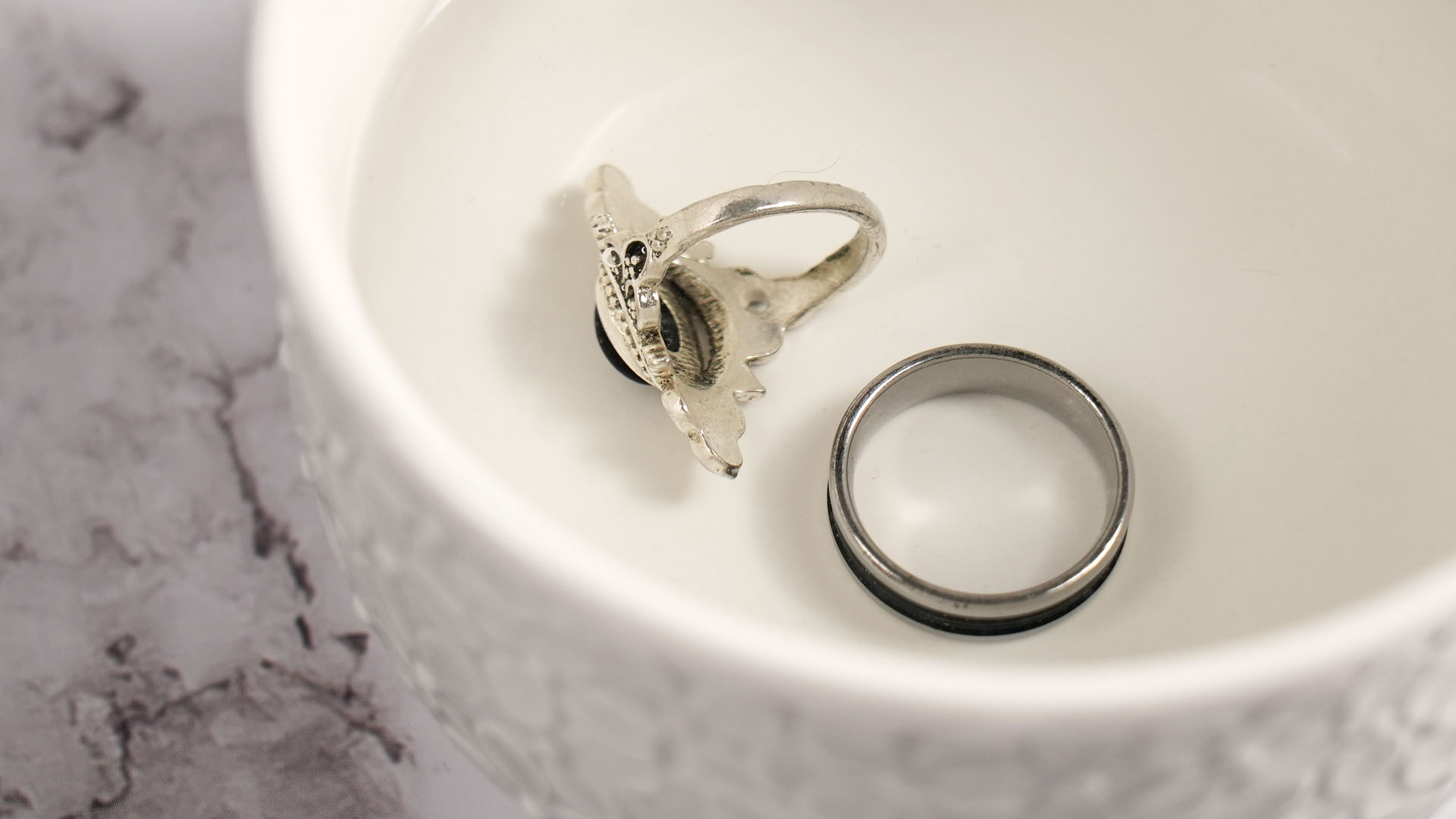
Brass jewelry has a warm, golden glow that looks expensive without demanding a royal inheritance. It can make a simple white T-shirt look intentional, a black dress look dramatic, and a messy bun look like “effortless style” instead of “I lost the battle with my alarm clock.” But brass has one tiny personality trait: it tarnishes.
If your favorite brass ring, necklace, bracelet, or pair of earrings has gone from sunny gold to mysterious antique brown, don’t panic. Tarnish is normal. Brass is an alloy made mostly of copper and zinc, and when it meets oxygen, moisture, skin oils, perfume, lotion, sweat, or everyday air pollutants, its surface can darken. Sometimes it even develops a greenish tint. That does not mean your jewelry is ruined; it means your brass is being brass.
The good news is that learning how to clean brass jewelry is simple. You do not need a chemistry degree, a tiny jeweler’s monocle, or a machine that looks like it belongs in a superhero lab. In most cases, you can clean brass jewelry at home with mild dish soap, lemon, baking soda, vinegar, salt, flour, and a soft cloth. The trick is choosing the right method for the amount of tarnish and the type of jewelry you have.
Before you start scrubbing like you are trying to erase a bad text message, remember this golden rule: be gentle. Brass can scratch, plated jewelry can wear down, and gemstones or glued decorations may not appreciate being soaked in homemade cleaning paste. Always test your cleaner on a small hidden area first, especially if the piece is vintage, lacquered, plated, or decorated with stones.
Before You Clean: Check What Kind of Brass Jewelry You Have
Not all brass jewelry should be treated the same way. Solid brass can usually handle careful polishing, while brass-plated jewelry has only a thin layer of brass over another metal. That thin layer can wear away if you use acidic cleaners too often or scrub too hard.
Try the Magnet Test
Hold a small magnet against the jewelry. Solid brass is not magnetic, so the magnet should not stick. If the magnet sticks, the piece may be brass-plated over a magnetic base metal. This does not make it bad jewelry; it simply means you should use the gentlest method: soap, water, and a soft cloth.
Look for Lacquer or Coating
Some brass jewelry has a clear protective coating to slow tarnish. If your piece has a shiny, plastic-like surface or does not tarnish much over time, it may be lacquered. Strong acidic cleaners can damage that coating. For coated brass, stick with a damp cloth and mild soap only.
Be Careful With Stones, Pearls, Glue, and Antique Pieces
If your brass jewelry includes pearls, opals, turquoise, soft gemstones, glued rhinestones, painted details, enamel, leather, thread, or fabric, avoid soaking it. Water and acid can loosen glue, dull stones, or damage decorative finishes. When in doubt, wipe around delicate areas instead of dunking the whole piece.
Way 1: Clean Brass Jewelry With Mild Soap and Warm Water
This is the safest and best first step for almost every brass jewelry cleaning project. Think of it as the “polite handshake” of cleaning methods. It removes skin oils, dust, lotion, sunscreen, and general grime without attacking the metal.
Best For
Use this method for light dirt, everyday cleaning, brass-plated pieces, lacquered brass, jewelry with delicate details, or any piece you are nervous about cleaning. It is also the best method before using stronger tarnish removers, because surface grime can block your cleaning paste from working evenly.
What You Need
- A small bowl
- Warm water, not hot
- A few drops of mild dish soap
- A soft microfiber cloth
- A soft-bristled toothbrush or cotton swab
- A clean dry towel
Step-by-Step Instructions
- Fill a small bowl with warm water and add a few drops of mild dish soap.
- Dip a soft cloth into the soapy water and gently wipe the jewelry.
- For chains, engraved areas, or textured designs, use a soft toothbrush or cotton swab. Do not press hard.
- If the piece is solid brass and has no delicate stones or glued parts, you can let it sit in the water for five to ten minutes.
- Rinse with lukewarm water or wipe away soap residue with a clean damp cloth.
- Dry immediately and thoroughly with a soft lint-free cloth.
Drying is not optional. Brass and moisture have a dramatic relationship. If water sits in tiny crevices, it can encourage more tarnish or leave spots. After cleaning, place the jewelry on a towel for a few minutes and let it air dry completely before storing it.
Pro Tip
For earrings, wipe the posts, hooks, and backs carefully. These areas collect oils and hair products faster than the decorative front. Nobody wants earrings that sparkle in front and look like they survived a camping trip in the back.
Way 2: Clean Brass Jewelry With Lemon and Baking Soda
If soap and water make your brass cleaner but not brighter, lemon and baking soda can help remove moderate tarnish. Lemon juice contains citric acid, which helps break down tarnish, while baking soda creates a mild paste that helps lift discoloration. When mixed, the two may fizz like a tiny volcano. This is normal and far less dangerous than a school science fair project.
Best For
This method works well for solid, uncoated brass jewelry with moderate tarnish. It is especially useful for smooth brass rings, bangles, simple pendants, and charms. Avoid using it on brass-plated jewelry, pearls, soft stones, glued rhinestones, or pieces with antique patina you want to preserve.
What You Need
- Fresh lemon juice
- Baking soda
- A small bowl
- A soft cloth
- A soft toothbrush
- Warm water
- A microfiber towel
Step-by-Step Instructions
- Mix one tablespoon of baking soda with enough lemon juice to make a spreadable paste.
- Wait until the fizzing settles.
- Apply the paste to tarnished areas using a soft cloth.
- Rub gently in small circles. For grooves or stamped designs, use a soft toothbrush with light pressure.
- Let the paste sit for two to five minutes. Do not leave it on for a long time, especially on thin or delicate jewelry.
- Rinse thoroughly with warm water.
- Dry completely and buff with a microfiber cloth.
The key phrase here is “gently.” Baking soda is mild compared with many commercial abrasives, but it can still scratch if you grind it into the metal like you are sanding a table. Let the chemistry do the work. Your hand is there to guide, not punish.
Lemon and Salt Variation
For a simple solid brass bangle or ring, you can cut a lemon in half, sprinkle the cut side with a little table salt, and lightly rub it over the brass. This can brighten tarnish quickly, but salt is abrasive, so use it sparingly. Rinse well, then dry and buff. Avoid this variation on plated or delicate jewelry.
Way 3: Clean Brass Jewelry With Vinegar, Salt, and Flour
When brass jewelry is heavily tarnished, vinegar, salt, and flour can make a stronger cleaning paste. Vinegar’s acidity helps loosen tarnish, salt adds gentle abrasion, and flour thickens everything into a paste that stays where you put it. It is basically a cleaning dough, but please do not bake it. Your cookies deserve better.
Best For
This method is best for solid, uncoated brass jewelry with darker tarnish. Use it on sturdy pieces such as plain cuffs, chains without stones, simple pendants, and solid brass rings. Avoid it on brass-plated items, lacquered jewelry, gemstone pieces, antique jewelry with desirable patina, or anything with glued decorations.
What You Need
- One teaspoon of salt
- One-half cup of white vinegar
- Enough all-purpose flour to form a paste
- A small bowl
- A soft cloth or soft toothbrush
- Warm water
- A dry microfiber cloth
Step-by-Step Instructions
- Mix the salt and vinegar in a bowl until the salt dissolves as much as possible.
- Add flour gradually until the mixture becomes a smooth paste.
- Apply a thin layer to tarnished brass areas.
- Let it sit for five to ten minutes for jewelry. Larger brass household items can sometimes handle longer, but jewelry is smaller and more delicate.
- Gently rub with a soft cloth or toothbrush.
- Rinse thoroughly with warm water until every trace of paste is gone.
- Dry immediately, then buff until the brass shines.
Do not leave vinegar-based cleaners on brass jewelry too long. Acid can dull brass if it sits on the surface, and leftover paste can hide inside chain links or carved details. Rinsing thoroughly is the difference between “beautiful shine” and “why is my necklace wearing dried pancake batter?”
How to Keep Brass Jewelry From Tarnishing Quickly
Cleaning brass jewelry is satisfying, but preventing tarnish is even better. A few small habits can keep your brass looking bright for longer.
Put Jewelry on Last
Perfume, lotion, hairspray, sunscreen, and body oil can speed up tarnish. Apply beauty products first, let them dry, then put on your brass jewelry. This one habit can save you many polishing sessions.
Take Jewelry Off Before Water Activities
Remove brass jewelry before showering, swimming, washing dishes, exercising heavily, or doing anything that involves sweat and moisture. Brass is stylish, but it does not need a spa day.
Store It Dry and Separate
Store brass jewelry in a dry pouch, small box, or anti-tarnish bag. Keep pieces separate so they do not scratch each other. Adding a silica gel packet can help absorb moisture, especially if you live in a humid climate.
Wipe After Wearing
After wearing brass jewelry, wipe it with a soft cloth before storing it. This removes skin oils and sweat before they settle onto the surface.
Common Mistakes to Avoid When Cleaning Brass Jewelry
Using Steel Wool or Rough Scrubbers
Steel wool, metal brushes, rough sponges, and gritty cleaners can scratch brass. Jewelry is small, visible, and often worn close to the skin, so scratches are easy to notice.
Soaking Jewelry With Stones or Glue
Soaking can loosen glued stones, damage soft gems, and weaken decorative materials. Clean these pieces with a damp cloth instead.
Forgetting to Rinse
Lemon juice, vinegar, salt, baking soda, and commercial polishes should not remain on jewelry. Residue can dull the finish or irritate skin. Rinse carefully and dry fully.
Polishing Too Often
Polishing removes a tiny bit of surface material. That is why experts recommend starting with the mildest method and polishing only when needed. A little patina can be beautiful; over-polishing can make jewelry look flat and worn.
Why Brass Jewelry Can Turn Skin Green
If a brass ring leaves a green mark on your finger, it is usually caused by copper in the brass reacting with moisture, sweat, or skin chemistry. The stain is typically temporary and can be washed off with soap and water. It does not automatically mean the jewelry is unsafe, though anyone with metal sensitivities should pay attention to irritation, redness, or itching.
To reduce green marks, keep brass dry, wipe jewelry after wearing, and avoid applying lotion or perfume directly under rings and bracelets. Some people apply a very thin layer of clear jewelry coating or clear nail polish to the inside of a ring, but this wears off and must be reapplied. Do not use coatings on valuable, antique, or delicate pieces unless a jeweler recommends it.
When to Use a Commercial Brass Cleaner
A commercial brass cleaner can be useful for stubborn tarnish, but choose one made specifically for brass and follow the label exactly. Use gloves if recommended, work in a ventilated area, and keep polish away from stones, pearls, skin-contact areas, and children. For valuable or sentimental jewelry, ask a professional jeweler before using strong products.
Commercial polish is not always better than soap and water. It can contain abrasives or chemicals that are too intense for delicate pieces. If your jewelry is plated, antique, or has a finish you love, stay conservative. The goal is to clean the jewelry, not send it through a dramatic identity crisis.
Final Thoughts: The Best Way to Clean Brass Jewelry
The best way to clean brass jewelry depends on how dirty or tarnished it is. Start with mild soap and warm water. If the jewelry is solid brass and still looks dull, try lemon and baking soda for moderate tarnish. For heavier tarnish, use a vinegar, salt, and flour paste carefully and briefly. Always rinse well, dry completely, and buff with a soft cloth.
Brass jewelry does not need to look brand-new every day to be beautiful. A little warmth, character, and age can make brass more interesting. But when your favorite bracelet starts looking like it was discovered in a pirate chest, now you know exactly how to bring back the glow.
Personal Experience: What Actually Works When Cleaning Brass Jewelry
In real life, brass jewelry cleaning is less about one magical recipe and more about reading the piece in front of you. A smooth brass cuff behaves differently from a tiny filigree ring. A plain pendant is easier to clean than a necklace with chain links, beads, and mysterious little corners that seem designed specifically to trap paste. The first lesson from cleaning brass jewelry at home is simple: do not start with the strongest method just because the internet says it is “amazing.” Start gently and work up.
For everyday brass rings and earrings, mild dish soap and warm water are usually enough. This method is especially helpful after hot days, workouts, or events where the jewelry has been exposed to lotion, perfume, or sweat. A quick wipe with soapy water often removes the dull film that makes brass look tired. The change may not be dramatic like a before-and-after commercial, but it makes the jewelry look cleaner, smoother, and more comfortable to wear.
Lemon and baking soda are more satisfying when tarnish is visible. The paste feels easy to control, and the light fizz gives the impression that something useful is happening. On a solid brass ring, a short application can brighten the surface quickly. The important part is not to let the paste dry into the jewelry. Once it dries, it becomes harder to rinse from grooves and may leave a chalky residue. A damp toothbrush helps, but patience helps more.
The vinegar, salt, and flour paste is the method to save for the stubborn pieces. It works well on darker tarnish, but it is not something to use casually every week. The smell is also very much “salad dressing meets craft project,” so it is best used in a ventilated space and away from fabric or porous surfaces. The paste should be thin enough to spread but thick enough not to drip. For small jewelry, five to ten minutes is usually plenty. After rinsing, buffing makes the biggest difference. A microfiber cloth can turn a clean-but-dull surface into a warm shine.
One practical habit makes brass care much easier: wipe jewelry before putting it away. It takes less than ten seconds, but it removes sweat and oil before they have time to settle. Another helpful habit is storing brass in small pouches instead of tossing everything into one jewelry dish. Brass can scratch against harder pieces, chains can tangle, and earrings have a special talent for disappearing when you need them most.
The biggest mistake people make is chasing a perfect mirror finish every time. Brass is supposed to have warmth. It ages, deepens, and develops personality. Cleaning should refresh the jewelry, not erase its character. If a piece has sentimental value, unusual stones, or an old patina that looks intentional, gentle cleaning is smarter than aggressive polishing. The best brass jewelry care routine is simple: clean lightly, polish occasionally, dry completely, and let the metal keep a little of its charm.