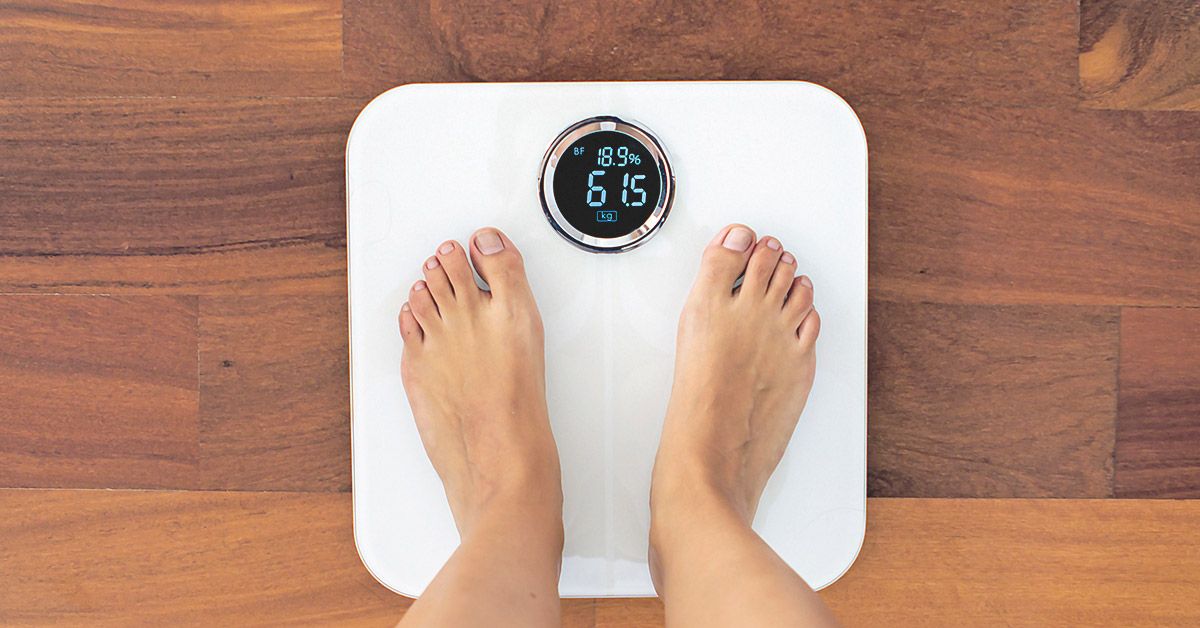
Step onto a modern body fat scale and it may tell you your weight, body fat percentage, muscle mass, water percentage, bone mass, visceral fat estimate, metabolic age, and possibly your emotional damage from last night’s pizza. These smart scales look impressively scientific, especially when they sync to an app and draw neat little graphs. But the big question remains: how accurate are body fat scales, and should you trust them?
The honest answer is: body fat scales can be useful, but they are not magic. They are best for tracking general trends over time, not for giving a perfectly precise snapshot of your body composition on any single Tuesday morning. A good body fat scale may help you notice whether your body fat estimate is trending down, your weight is stable, or your hydration habits are playing tricks on the numbers. But if you expect lab-level accuracy from a bathroom device that lives next to your laundry basket, disappointment may arrive wearing socks.
This guide explains how body fat scales work, what they measure, what affects their accuracy, and how to use them wisely without letting one weird reading ruin your day.
What Is a Body Fat Scale?
A body fat scale is a bathroom scale that estimates body composition, not just body weight. Instead of only showing pounds or kilograms, it attempts to estimate how much of your body is fat mass, lean mass, water, muscle, and sometimes bone. Many models connect to a smartphone app so users can track progress over weeks or months.
Most consumer body fat scales use a technology called bioelectrical impedance analysis, usually shortened to BIA. This method sends a very small electrical current through the body and measures how easily that current travels. You do not feel the current. Your body, however, gives the scale clues because different tissues conduct electricity differently.
Water-rich tissues, such as muscle, conduct electricity more easily. Fat tissue contains less water and creates more resistance. The scale uses that resistance, along with your height, weight, age, sex, and sometimes activity level, to estimate body fat percentage through built-in formulas.
How Do Body Fat Scales Measure Body Fat?
Body fat scales do not directly “see” fat. They do not scan your body like an X-ray machine, MRI, or DEXA scan. Instead, they estimate body composition through an equation. Think of it like a weather forecast for your body: useful, data-based, but not guaranteed to be perfect.
The Role of Bioelectrical Impedance Analysis
When you stand barefoot on the metal sensors, the scale sends a low-level current through your feet and legs. Foot-to-foot scales mostly measure the lower body and then estimate the rest of the body using prediction formulas. More advanced scales with hand electrodes may send current through both the upper and lower body, which may improve the estimate for some users.
The scale then combines impedance data with personal details. For example, two people may weigh exactly 180 pounds, but if one person is taller, younger, and more muscular, the scale’s algorithm may estimate a lower body fat percentage. This is where accuracy gets complicated: the number you see is not only a measurement; it is also a mathematical guess.
What Do Body Fat Scales Measure?
Smart scales often display many metrics. Some are directly measured, while others are estimated. Knowing the difference can save you from believing your scale has become a tiny medical professor.
1. Body Weight
Body weight is the most direct and usually the most reliable measurement a scale provides. A quality bathroom scale can measure weight consistently if placed on a hard, flat surface and used correctly. Even then, daily body weight can fluctuate because of food, sodium, water intake, bowel movements, menstrual cycle changes, exercise, and sleep.
2. Body Fat Percentage
Body fat percentage is the estimated percentage of your total body weight that comes from fat mass. For example, if a person weighs 180 pounds and has an estimated body fat percentage of 25%, the scale is estimating about 45 pounds of fat mass. This number can be helpful, but it is not as precise as many apps make it look.
3. Lean Body Mass
Lean body mass includes everything that is not fat: muscle, bones, organs, connective tissue, and water. Some scales call this “fat-free mass.” It is useful for people who are strength training because weight alone does not show whether body composition is improving.
4. Muscle Mass
Muscle mass is usually an estimate derived from lean mass. Consumer scales may label it as skeletal muscle, muscle mass, or muscle percentage. These values can be directionally helpful, but they should not be treated like a professional muscle scan.
5. Body Water Percentage
Because BIA depends heavily on water content, many scales estimate total body water. Hydration strongly affects impedance, which means a dehydrated person may appear to have higher body fat on the scale, while a well-hydrated person may appear leaner.
6. Bone Mass
Some scales estimate bone mass, but they do not measure bone density. This is important. A smart scale cannot diagnose osteoporosis or replace a DEXA bone density scan. If your scale gives you a bone mass number, treat it as a rough estimate, not a medical result.
7. Visceral Fat Estimate
Visceral fat is fat stored around internal organs. It is more closely linked with metabolic risk than fat stored under the skin. Some body fat scales estimate visceral fat using formulas, but they do not directly image abdominal fat. Waist circumference, waist-to-height ratio, and clinical testing may provide better context.
Are Body Fat Scales Accurate?
Body fat scales are reasonably good at measuring weight, but their body composition estimates can be inaccurate for individuals. That does not mean they are useless. It means they should be used with realistic expectations.
Research comparing consumer BIA devices with more advanced methods, such as MRI, DEXA, air displacement, or multi-compartment models, has found that results can vary. Some devices may perform acceptably for group averages, while still being off for a specific person. In plain English: the scale may do okay when averaging a crowd, but your personal number could still be several percentage points away from reality.
That is why the best way to use a body fat scale is to track trends under consistent conditions. If your scale says 28% body fat today and 24% after four months of strength training, improved nutrition, and consistent measurement habits, the trend may be meaningful. But if it jumps from 24% to 27% overnight, you probably did not gain three percentage points of body fat in your sleep. Your hydration changed. Your scale panicked. Everyone breathe.
Why Body Fat Scale Readings Can Be Wrong
Several factors can change your body fat scale reading even when your actual fat mass has not changed much.
Hydration Level
Hydration is one of the biggest variables. Since BIA estimates body composition partly by measuring how electricity moves through water-rich tissue, dehydration can distort the reading. After a salty meal, a sweaty workout, a long flight, or a low-carb diet shift, your water balance may change enough to affect the result.
Recent Exercise
Exercise changes blood flow, fluid distribution, muscle temperature, and glycogen storage. If you weigh yourself immediately after a workout, the scale may produce a different body fat estimate than it would the next morning. This does not mean your body composition transformed during your treadmill session like a superhero origin story.
Food and Drink
A full stomach, recent fluid intake, alcohol, caffeine, and sodium can all influence weight and water distribution. Measuring after dinner will often produce a different result than measuring first thing in the morning.
Foot Placement and Skin Contact
Dry feet, calluses, poor contact with sensors, or standing slightly differently may affect readings. If your feet are not properly touching the electrodes, the scale has less reliable data to work with.
Body Type and Algorithm Limits
Many consumer scales rely on population-based equations. These formulas may be less accurate for athletes, older adults, people with very high or very low body fat, people with significant muscle mass, people with edema, and people whose body proportions differ from the population used to develop the algorithm.
Menstrual Cycle and Hormonal Changes
Fluid retention can change across the menstrual cycle. A person may see weight and body fat estimates rise temporarily because of water retention, not because fat mass suddenly increased.
Body Fat Scale vs. BMI: Which Is Better?
BMI, or body mass index, uses height and weight to estimate whether a person falls into an underweight, healthy weight, overweight, or obesity category. It is simple, cheap, and widely used, but it does not directly measure body fat. BMI also cannot tell the difference between fat and muscle.
A muscular athlete may have a high BMI without having excess body fat. Another person may have a “normal” BMI but carry more abdominal fat than expected. This is why many health professionals look at multiple tools: BMI, waist circumference, blood pressure, lab markers, fitness level, medical history, and sometimes body composition testing.
A body fat scale may provide more information than BMI alone, but it is still an estimate. The smartest approach is not “BMI versus body fat scale” but “use several clues together.” Health is not a single number. It is more like a group chat between your body measurements, habits, lab results, energy levels, and doctor’s advice.
What Is More Accurate Than a Body Fat Scale?
If you want a more precise body composition assessment, several methods are available, though they may cost more or require a professional setting.
DEXA Scan
A DEXA scan uses dual-energy X-ray absorptiometry to estimate bone density, fat mass, and lean mass. It is often considered one of the more accurate and accessible body composition tools, though it is not perfect and may not be necessary for everyday tracking.
Hydrostatic Weighing
Hydrostatic weighing estimates body composition by comparing body weight on land and underwater. It has been used in sports science settings, but it is less convenient because, yes, you have to get dunked.
Air Displacement Plethysmography
Often known by the brand name Bod Pod, this method estimates body composition using air displacement. It is faster and drier than underwater weighing, though still usually found in clinics, universities, or performance centers.
Skinfold Measurements
Skinfold calipers estimate body fat by measuring subcutaneous fat at specific sites. Accuracy depends heavily on the skill of the person taking the measurements. In trained hands, skinfolds can be useful for tracking changes.
Waist Circumference
Waist circumference does not measure total body fat, but it helps assess abdominal fat and health risk. For many people, a tape measure plus a consistent scale routine may be more useful than obsessing over every decimal point on a smart scale.
How to Use a Body Fat Scale Correctly
To get the most consistent readings, use your body fat scale under the same conditions each time. The goal is not perfection; it is repeatability.
- Measure first thing in the morning after using the bathroom.
- Measure before eating or drinking.
- Use the scale on a hard, flat surface.
- Stand barefoot with clean, slightly moist feet if needed.
- Place your feet consistently on the electrodes.
- Avoid measuring right after exercise, alcohol, sauna use, or a very salty meal.
- Compare weekly or monthly averages instead of daily numbers.
One of the best tricks is to ignore single-day drama. Track the trend line. If the average is moving in the right direction over several weeks, that matters more than one suspicious reading caused by dehydration, stress, or a burrito with ambitions.
Who Should Be Careful With Body Fat Scales?
People with pacemakers, implantable defibrillators, or other implanted electronic medical devices should be cautious with BIA features because they use an electrical current. Many manufacturers advise using weight-only mode or avoiding impedance-based measurements unless a healthcare professional says otherwise.
Pregnant users should also avoid interpreting body composition estimates as meaningful because pregnancy changes fluid levels, body weight, and tissue distribution in ways consumer algorithms are not designed to evaluate. People with edema, kidney disease, heart failure, or other conditions involving fluid shifts should ask a clinician before relying on BIA readings.
Do Body Fat Scales Work for Weight Loss?
Body fat scales can help with weight loss if they are used as a trend tool. They may show whether weight loss is coming mostly from fat, whether lean mass appears stable, and whether progress is happening even when the regular weight number moves slowly.
For example, someone may begin strength training and improve their diet. After eight weeks, the regular scale may show only a five-pound loss. That could feel disappointing. But if waist measurements are down, clothes fit better, strength is up, and the body fat scale trend is gradually decreasing, that tells a more encouraging story.
The danger is overreacting to normal fluctuations. A body fat scale should support your health habits, not become a tiny rectangular boss shouting numbers at you every morning.
Real-World Experience: What It Feels Like to Use a Body Fat Scale
Using a body fat scale can be surprisingly motivating at first. You open the app, see colorful charts, and suddenly your bathroom feels like a fitness laboratory. The first week is exciting. The second week is confusing. By the third week, you may start asking why your body fat percentage went up after you ate soup. Welcome to the hydration roller coaster.
A common experience is seeing your weight drop while your body fat percentage rises. This can happen after dehydration, a lower-carb eating period, hard training, or simply weighing at a different time of day. It does not automatically mean you lost muscle and gained fat overnight. It usually means the scale’s estimate changed because your body water changed.
Another common experience is the “plateau that is not really a plateau.” Let’s say your weight stays the same for three weeks, but your waist measurement is smaller, your workouts feel better, and your clothes fit differently. A body fat scale may or may not capture that progress perfectly. Sometimes it will show a slow drop in body fat. Sometimes it will stubbornly stare at you like it has unfinished business. This is why pairing the scale with photos, measurements, strength progress, and how you feel is so important.
Many people also discover that the scale is better at showing direction than precision. For instance, if your body fat estimate moves from 32% to 29% over several months, that trend may be useful even if your true number is actually 31% or 27%. The trend tells you something is changing. The exact decimal point is less important.
In real life, the best body fat scale routine is boring. That is a compliment. Wake up, use the bathroom, step on the scale, let the app record the data, and move on. Do not weigh yourself six times a day. Do not let a single reading decide whether your workout plan is working. Do not start negotiating with the scale like it is a moody landlord.
The most successful users treat body fat scales like a dashboard, not a final judge. A car dashboard tells you speed, fuel, and warning lights, but it does not explain the entire road trip. In the same way, your scale gives you data, but it does not know your sleep quality, stress level, training effort, meal consistency, medical history, or whether you have been crushing your protein goal like a responsible adult.
One practical experience-based tip is to look at monthly averages. Weekly averages are helpful, but monthly trends reduce noise even more. If you are strength training, eating enough protein, walking regularly, and sleeping decently, your body composition may improve even when daily readings bounce around. Progress is often quieter than the app notifications suggest.
Another useful lesson is to avoid comparing your number with someone else’s. Different brands use different formulas. Two scales can give two different body fat percentages on the same person on the same morning. That does not mean one scale is evil. It means consumer BIA is formula-based and device-specific. Pick one scale, use it consistently, and judge your own trend over time.
Finally, remember that body fat percentage is not a moral score. It is one health-related estimate among many. Your habits matter. Your strength matters. Your blood pressure, cholesterol, blood sugar, mobility, energy, and mental well-being matter. The scale can be helpful, but it should not get promoted to CEO of your self-esteem.
Final Verdict: Should You Trust a Body Fat Scale?
You can trust a body fat scale as a rough tracking tool, not as a precise diagnostic device. It works best when used consistently, under similar conditions, and interpreted alongside other measures such as waist circumference, progress photos, strength improvements, clothing fit, and medical markers.
If you need highly accurate body composition data for medical, athletic, or research reasons, consider a professional method such as DEXA, Bod Pod, hydrostatic weighing, or a clinical assessment. If your goal is everyday fitness tracking, a smart scale can be useful as long as you remember that the trend matters more than the exact number.
So, do body fat scales work? Yes, but with limits. What do they measure? Mostly weight directly and body composition indirectly through bioelectrical impedance formulas. Are they perfect? Absolutely not. Are they still helpful? They can be, especially when you use them with patience, consistency, and a sense of humor.
Your body is more complex than a bathroom gadget. Let the scale provide information, not identity. Use the data, keep the perspective, and please do not declare war on your hydration because of one weird percentage.
SEO Summary
Note: This article is for general educational purposes only and should not replace professional medical advice. People with implanted electronic medical devices, pregnancy, significant fluid-retention conditions, or medical concerns should consult a qualified healthcare professional before relying on body composition scale readings.