When NBC started teasing the next chapter of The Voice, fans did what fans do best: they investigated every chair turn, Instagram caption, production clue, and celebrity schedule like they were solving a musical mystery. Then came the first big answer. The first coach revealed for The Voice Season 28 in fall 2025 was none other than Snoop Dogg, the hip-hop icon, entertainment mogul, and unexpectedly tender-hearted red-chair strategist who made a memorable debut in Season 26.
For longtime viewers, the news felt both surprising and totally logical. Snoop Dogg may not have looked like the most obvious fit when he first joined the NBC singing competition, but that was exactly why he worked. He brought humor, warmth, rhythm, streetwise wisdom, and a mentoring style that felt less like a lecture and more like a backstage pep talk from the coolest uncle at the family reunion.
Season 28 was already shaping up as a major fall 2025 TV event. Before the full coaching panel was confirmed, Snoop’s return gave fans a clear signal: NBC wanted star power, cross-generational appeal, and a coach who could make the Blind Auditions feel unpredictable again.
Snoop Dogg Was the First Coach Revealed for Season 28
The first major piece of The Voice Season 28 coaching news arrived in April 2025, when reports confirmed that Snoop Dogg would return to the red chair for the fall season. His comeback was connected to a broader creative partnership between NBCUniversal and his Death Row Pictures production company, giving the announcement more weight than a simple casting update.
In other words, this was not just “Snoop is back on TV.” It was “Snoop is moving deeper into the NBCUniversal neighborhood.” For The Voice, that mattered because Snoop had already proven that he could be more than a celebrity novelty. He was funny, yes. He was quotable, absolutely. But he also showed real investment in the artists he coached.
During Season 26, Snoop Dogg sat alongside Michael Bublé, Reba McEntire, and Gwen Stefani. On paper, that lineup looked like someone hit shuffle on the world’s most chaotic playlist. In practice, it worked beautifully. Snoop brought a relaxed energy to the panel, but he also listened closely. He cared about tone, emotion, confidence, and whether a singer could make the room feel something.
Why Snoop Dogg’s Return Made Sense
There are celebrity hires that feel like stunt casting, and then there are celebrity hires that quietly become fan favorites. Snoop Dogg’s first run on The Voice leaned toward the second category. He arrived with decades of music-business experience, but he did not act like a distant legend handing down instructions from a throne. He acted like someone genuinely excited to help new singers find their lane.
His coaching personality was built on encouragement. He often gave artists room to be themselves instead of trying to force them into a narrow commercial mold. That approach fit the heart of The Voice, a show that has always sold itself on one big idea: the sound comes first. The spinning chairs, the button drama, the coach banter, and the dramatic lighting are all part of the fun, but the central hook is still a singer standing onstage hoping someone believes in them.
Snoop’s appeal also crossed audience lines. Older viewers knew him from his long music career and pop-culture presence. Younger viewers knew him as a larger-than-life personality who seems to appear everywhere, from sports coverage to commercials to viral clips. Parents might tune in for Reba. Pop fans might tune in for Niall. Crooner fans might tune in for Bublé. But Snoop gave the show an extra spark of curiosity.
The Full Season 28 Coaching Lineup
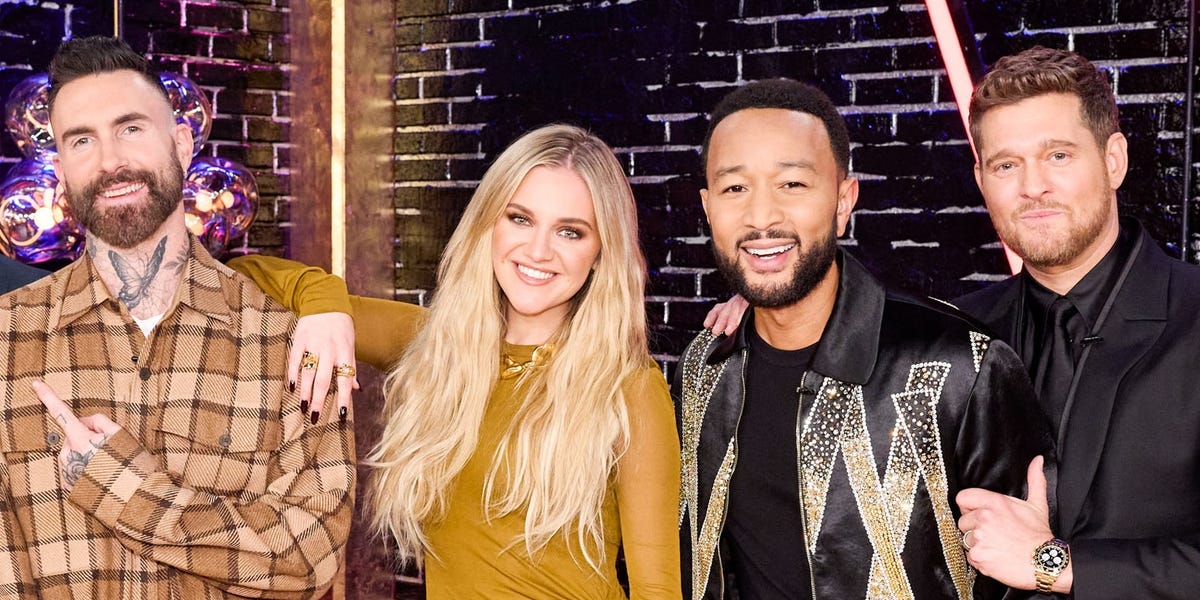
After Snoop Dogg became the first confirmed coach, NBC later revealed the complete Season 28 panel: Snoop Dogg, Michael Bublé, Reba McEntire, and Niall Horan. That lineup was notable because every coach had already appeared on the show before. Instead of introducing a brand-new coach, Season 28 leaned into familiar faces with proven chemistry, established fan bases, and very different musical identities.
Michael Bublé: The Smooth Competitor
Michael Bublé entered Season 28 with momentum. He had quickly become one of the show’s most successful recent coaches, combining polished musicianship with a playful personality. Bublé’s charm is that he can be deeply sincere one minute and hilariously theatrical the next. He understands arrangement, vocal control, phrasing, and stage presence, but he also understands that reality TV needs a little sparkle.
His presence gave Season 28 a competitive edge. When a coach has already shown that they know how to guide artists through the pressure cooker of the competition, other coaches have to step up. Bublé was not simply there to smile and compliment people. He was there to win.
Reba McEntire: Country Royalty With a Mentor’s Heart
Reba McEntire’s return brought warmth, humor, and deep country-music credibility. She has the kind of career that makes contestants stand a little straighter when she speaks. But what makes Reba valuable on The Voice is not just her legendary status. It is the way she connects performance advice to real human experience.
Reba understands storytelling. That is a huge advantage on a singing competition where technical perfection is only part of the equation. A contestant can hit every note and still leave the audience cold. Reba knows how to help singers locate the emotional center of a song, then deliver it with honesty rather than over-polished imitation.
Niall Horan: The Pop Strategist
Niall Horan returned as another familiar favorite. As a former member of One Direction and a successful solo artist, Niall understands what it means to be shaped by public voting, fan enthusiasm, and the intense spotlight of televised music competition. That gives him a practical edge when advising contestants who are suddenly learning how fast national attention can arrive.
Niall’s coaching style has often mixed humor with sharp instincts. He can joke around with contestants, then zero in on the exact detail that could improve a performance. His experience as both a group performer and solo artist also helps him guide singers through questions of identity: What makes you different? What kind of artist are you becoming? Why should viewers remember you after the song ends?
Snoop Dogg: The Vibe Architect
Snoop Dogg’s Season 28 return completed the lineup with a flavor no other coach could duplicate. He is not a traditional vocal coach in the technical sense, and that is part of the appeal. His value comes from feel, confidence, groove, emotional presence, and cultural instinct. He knows when a performance has personality. He knows when an artist owns the stage. He knows when a singer is performing the notes but not yet performing the song.
For contestants, that kind of feedback can be priceless. A show like The Voice is not only about singing well. It is about becoming memorable in a crowded field of talented people. Snoop’s coaching language helps artists think about connection, authenticity, and the invisible quality that makes a performance stick in the mind.
Why the First Coach Reveal Created Buzz
The first coach announcement for a new season of The Voice always carries extra importance. It sets the tone. It tells viewers whether the show is leaning classic, experimental, nostalgic, youthful, country-heavy, pop-focused, or celebrity-driven. Revealing Snoop Dogg first was a smart move because it instantly gave the season a headline.
Snoop’s name travels beyond the usual The Voice audience. Even people who do not watch every episode understand who he is. That makes him useful from a promotional standpoint. A headline with Snoop Dogg has more reach than a generic “returning coach announced” update. It invites casual readers to click, fans to comment, and social media to start debating whether Team Snoop could finally take the crown.
The reveal also gave NBC a chance to remind viewers of Snoop’s broader relationship with the network. His return was tied to a larger creative deal, which positioned him not just as a coach-for-hire but as part of a bigger entertainment strategy. That is important in an era when TV networks compete not only for viewers but for personalities who can move across formats, platforms, and audiences.
What Season 28 Promised Fans
Season 28 promised a mix of comfort and freshness. The comfort came from familiar coaches: no one had to learn the rules from scratch, and each coach already had a clear public identity. The freshness came from the chemistry of this exact combination. Bublé, Reba, Niall, and Snoop each represent different corners of the music world, which made the Blind Auditions more interesting.
A country singer might naturally lean toward Reba, but what if Snoop heard something special and made a surprisingly persuasive pitch? A pop vocalist might be drawn to Niall, but what if Bublé offered a more technical path? A soulful performer might expect one type of advice and receive something completely unexpected from Snoop. That is the fun of The Voice: the best coach choice is not always the most obvious one.
The season also introduced new energy around format changes and returning personalities. Host Carson Daly remained the steady presence guiding the chaos, while the coaches brought the friendly rivalry that keeps the show lively between performances. Viewers do not just tune in to hear singers. They tune in to watch coaches fight politely, flatter shamelessly, block strategically, and pretend they are not absolutely desperate to win.
How Snoop Dogg Changed the Coach Conversation
Snoop Dogg’s return helped expand the idea of what a The Voice coach can be. The show has featured pop stars, country icons, R&B singers, rock artists, and multi-genre performers. Snoop brought hip-hop history and entertainment-business wisdom into a format that is often centered on big vocal moments.
That does not mean every contestant on Team Snoop needed to rap or perform in his musical lane. Actually, the opposite is part of the appeal. Great coaches on The Voice are not limited to contestants who sound like them. They help artists sharpen identity, stage presence, confidence, and emotional delivery. Snoop’s strength is recognizing when someone has a point of view.
His return also showed that audiences respond to sincerity. Before he joined, some viewers may have expected mostly jokes and catchphrases. What they got was a coach who could be funny while still taking the artists seriously. That balance is harder than it looks. Too much comedy and the show loses emotional weight. Too much seriousness and the show starts feeling like homework with spotlights. Snoop found a middle lane.
Why Returning Coaches Matter for SEO and Fan Interest
From a web-publishing perspective, the phrase “The Voice Season 28 coach” is exactly the kind of search query fans use when they want fast answers. They want to know who is returning, who is leaving, when the season airs, and whether their favorite coach is back. A first-coach reveal article works well because it captures fans early in the news cycle, before the full season conversation becomes crowded with episode recaps, contestant rankings, and finale predictions.
Keywords such as “Snoop Dogg The Voice Season 28,” “The Voice fall 2025 coaches,” “The Voice Season 28 lineup,” and “NBC The Voice returning coaches” naturally fit the story. The key is to use them in a way that feels helpful rather than robotic. Readers do not want to feel like they are trapped inside a search-engine spreadsheet. They want clear information with a little personality.
That is why Snoop’s announcement was such strong entertainment-news material. It had a famous name, a specific season, a network connection, a fall premiere window, and fan reaction potential. In SEO terms, that is a neat little gift basket.
Fan Reaction: Excitement, Curiosity, and Team Snoop Energy
The return of Snoop Dogg gave fans something easy to rally around. Even viewers who were not sure whether he could win appreciated what he brought to the show. His first season demonstrated that he could mentor with humor and heart, and his Season 28 comeback invited fans to ask a simple question: Could this be the season Team Snoop breaks through?
Reality competition fans love a storyline. A coach trying to win for the first time is a good storyline. A returning coach with something to prove is even better. Snoop’s return gave Season 28 a built-in arc before the first Blind Audition aired. He was not just back to occupy a chair. He was back with unfinished business.
Of course, he faced serious competition. Bublé had momentum. Reba had deep credibility. Niall had a strong winning history. But that is exactly what made the lineup appealing. Nobody looked like a filler coach. Each one had a clear reason to be there, and each one had a believable path to winning over artists.
What Contestants Could Learn From Snoop Dogg
Contestants on The Voice often arrive with strong voices but unfinished artistic identities. They can sing, but they may not yet know how to package their sound, tell their story, or handle pressure. Snoop Dogg’s career offers several lessons that apply far beyond one genre.
First, identity matters. Snoop has remained recognizable for decades because his style, voice, and public persona are unmistakable. Contestants can learn from that. A technically excellent singer may impress coaches, but a distinctive artist gives viewers something to remember.
Second, ease is powerful. Some performers try so hard to prove themselves that they lose the natural quality that made them interesting. Snoop’s presence reminds artists that confidence does not always mean pushing harder. Sometimes it means relaxing enough to let the audience come to you.
Third, connection beats perfection. A flawless performance can still feel empty if the singer does not communicate emotion. Snoop often responds to feeling, vibe, and authenticity. That perspective can help contestants avoid becoming too mechanical as the competition gets tougher.
Experiences and Takeaways Related to the Season 28 Coach Reveal
For fans, the reveal of Snoop Dogg as the first Season 28 coach created the kind of small entertainment-news moment that makes following a long-running show fun again. After so many seasons, viewers know the rhythm: rumors start, coaches are guessed, social media detectives analyze schedules, and then the network finally drops the announcement. It is a familiar cycle, but the right name can still make it feel fresh.
One experience many The Voice fans share is the emotional shift that happens when a coach exceeds expectations. Snoop Dogg’s original arrival could have been treated as a celebrity experiment. Instead, viewers saw him become invested in contestants’ journeys. That kind of surprise is one reason reality TV remains powerful. People tune in expecting entertainment and end up finding moments of genuine mentorship.
Another takeaway is that coach chemistry matters almost as much as contestant talent. A great panel gives the show rhythm between performances. The banter keeps casual viewers engaged, while the coaching decisions keep dedicated fans debating. Season 28’s lineup had strong contrast: Reba’s grounded warmth, Niall’s pop charm, Bublé’s polished showmanship, and Snoop’s relaxed charisma. Together, they created a panel that felt varied without feeling random.
For aspiring singers watching at home, Snoop’s return also offered a useful reminder: there is no single path to musical credibility. Some coaches bring vocal technique. Some bring songwriting knowledge. Some bring touring experience. Some bring a deep understanding of audience connection. The best artists learn from all of it. A contestant who listens only for technical notes may miss advice about confidence. A contestant who focuses only on image may miss the importance of phrasing and emotional honesty.
From a viewer’s perspective, the first coach reveal also changes how people imagine the coming season. Before contestants are announced, coaches are the story. Fans begin predicting what kinds of artists might choose each team. Would a soul singer pick Snoop for vibe or Bublé for musical structure? Would a country-pop vocalist choose Reba’s storytelling or Niall’s modern radio instincts? These questions create anticipation before a single note is sung.
The announcement also showed how The Voice keeps itself relevant. After more than two dozen seasons, the show cannot rely only on the chair-turn gimmick. It needs personalities who make the format feel alive. Bringing back Snoop Dogg was a way to blend nostalgia, novelty, and credibility. He was familiar enough to be welcomed back, but unusual enough to keep the panel from feeling predictable.
For entertainment writers and bloggers, the lesson is clear: a good casting reveal is not just a fact; it is a doorway into analysis. Snoop’s return connects to NBC’s programming strategy, the evolution of coaching on reality TV, the role of celebrity mentors, and the way fans build emotional attachments to judges as much as contestants. That is why the story works as more than a short news brief.
Ultimately, the first Season 28 coach reveal succeeded because it gave viewers something specific to feel excited about. Snoop Dogg’s comeback promised humor, heart, and a little friendly chaos. In the world of The Voice, that is a pretty strong opening note.
Conclusion
The Voice revealing Snoop Dogg as the first coach for Season 28 in fall 2025 was a smart, buzzworthy move. His return brought star power, personality, and a mentoring style that fans had already embraced during his earlier run. Once the full lineup of Michael Bublé, Reba McEntire, Niall Horan, and Snoop Dogg came together, Season 28 promised a balanced mix of musical experience, competitive energy, and coach-panel chemistry.
For fans searching for the latest on The Voice Season 28 coaches, the big answer started with Snoop. He was the first red-chair name revealed, and his comeback helped set the tone for a fall season built around familiar faces, big personalities, and the timeless thrill of discovering a voice that makes everyone turn around.