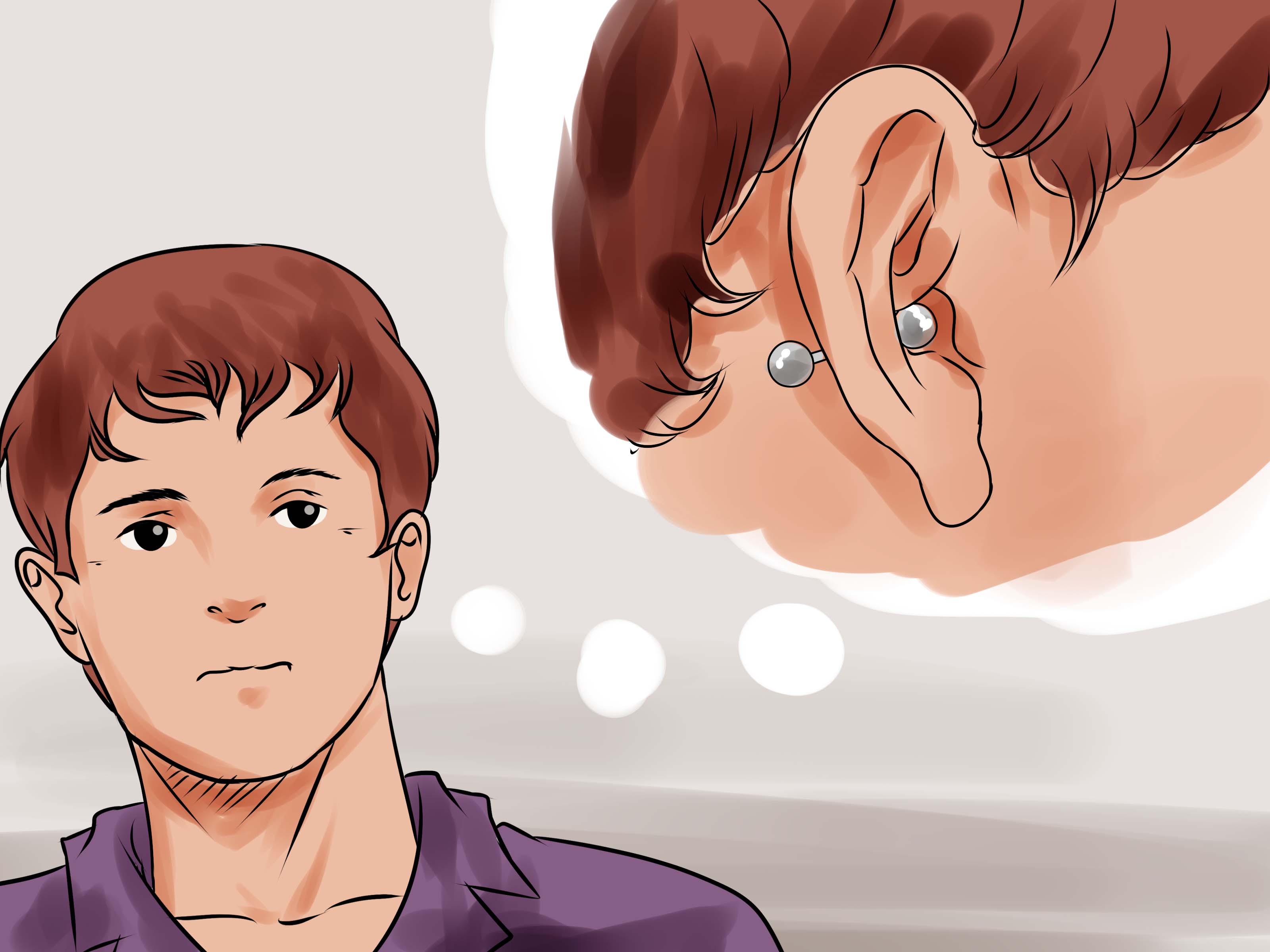
Choosing a piercing should feel exciting, not like you accidentally enrolled in a tiny-metal version of a life-or-death game show. One minute you are admiring a delicate helix piercing on someone at a coffee shop, and the next you are deep in a search spiral comparing nostril rings, navel piercings, eyebrow jewelry, septum clickers, tragus studs, and something called a “rook,” which sounds less like a piercing and more like a suspiciously elegant chess piece.
The truth is, the best piercing for you is not always the trendiest one, the boldest one, or the one your friend insists “would totally suit your vibe.” The right choice depends on your anatomy, lifestyle, pain tolerance, healing commitment, workplace rules, personal style, skin sensitivity, and how much patience you have for aftercare. A piercing is both self-expression and a small wound that needs time, cleanliness, and respect. Cute, yes. Magical, maybe. Maintenance-free? Absolutely not.
This guide breaks the decision into four smart, realistic ways to choose the best piercing for you. We will look at placement, healing time, jewelry style, safety, and real-life practicality so you can walk into a professional piercing studio with confidence instead of panic-Googling “does a conch piercing hurt” in the parking lot.
1. Match the Piercing to Your Anatomy and Face Shape
The first step in deciding which piercing is best for you is understanding that anatomy matters. A piercing that looks perfect on one person may not sit the same way on another because ears, noses, lips, navels, and cartilage folds are wonderfully individual. Your body is not a copy-paste template, even if social media sometimes pretends everyone has the same ear shape and flawless lighting.
Ear Piercings: Start With Your Ear Structure
Ear piercings are popular because they offer endless styling options, from simple lobe studs to curated ear stacks. If you are new to piercings, lobe piercings are often the easiest starting point because the tissue is soft, the pain level is usually mild, and healing is generally more straightforward than cartilage piercings.
Cartilage piercings, such as helix, forward helix, flat, conch, rook, daith, tragus, and industrial piercings, require more anatomical consideration. For example, an industrial piercing needs enough defined cartilage ridge to support a straight barbell. A snug piercing requires a very specific inner cartilage shape. A daith piercing needs a fold that can safely hold jewelry without being too shallow. If the anatomy is not right, forcing the piercing can lead to irritation, migration, poor healing, or jewelry that never sits comfortably.
That is why a good piercer may tell you “no” or recommend a different placement. Do not take it personally. A professional piercer refusing an unsuitable placement is not ruining your aesthetic dream; they are preventing your ear from becoming a long-term customer service complaint.
Nose Piercings: Think About Balance and Visibility
Nostril piercings suit many face shapes because placement can be adjusted slightly to complement the curve of the nose. A high nostril piercing creates a more delicate, editorial look but can be trickier to heal and change. A standard nostril piercing is versatile and can later hold a stud, hoop, or decorative end once fully healed.
Septum piercings are surprisingly flexible because they can look bold with ornate jewelry or subtle with a small retainer. The key is anatomy: a septum piercing should usually pass through the softer “sweet spot,” not the thick cartilage. A skilled piercer will check whether your anatomy works before marking the placement.
Facial and Oral Piercings: Consider Expression and Movement
Eyebrow, lip, labret, medusa, Monroe, and tongue piercings can be visually striking, but they interact with high-movement areas. Your mouth talks, eats, smiles, drinks coffee, and occasionally burns itself on pizza because optimism is dangerous. Oral piercings may contact teeth and gums, so jewelry fit and placement are especially important.
If you are considering lip or tongue piercings, talk to a professional piercer about swelling, jewelry length, downsizing, and potential dental irritation. The best piercing is not just the one that looks good in a selfie; it is the one that can live peacefully with your daily habits.
2. Choose Based on Lifestyle, Work, and Healing Commitment
A piercing may look effortless after it heals, but the healing period asks for real cooperation. Before choosing a piercing, ask yourself how it fits into your everyday life. This is where the fantasy version of you meets the real version of youthe one who sleeps aggressively on one side, wears headphones for hours, plays sports, has a strict workplace dress code, or forgets where they put the saline spray.
Think About Your Job or School Rules
Some workplaces are relaxed about visible piercings, while others still treat a tiny nose stud like it has personally disrupted the quarterly budget meeting. If you work in a conservative office, healthcare setting, food service environment, school, or customer-facing role with appearance guidelines, check the rules before choosing a highly visible piercing.
If discretion matters, consider piercings that are easier to hide after healing, such as certain ear piercings, navel piercings, or a septum piercing that may be flipped up with suitable jewelry once your piercer says it is safe. Do not rely on removing jewelry during healing, because fresh piercings can shrink or close quickly. Removing jewelry too soon can also trap irritation or infection and make healing more complicated.
Match the Piercing to Your Sleep Habits
Sleep matters more than many people expect. If you always sleep on your right side, getting a fresh right-ear helix piercing may turn bedtime into a nightly negotiation with pain. Pressure can irritate cartilage piercings, create bumps, and extend healing. If you want an ear piercing, choose the side you do not sleep on, or use a travel pillow so your ear can rest in the center hole without pressure.
For stomach sleepers, navel piercings can be tricky. Tight waistbands, high-rise jeans, gym leggings, and seat belts may rub the area. If your wardrobe is basically “compression clothing and determination,” a navel piercing may need extra planning.
Consider Sports, Fitness, and Hobbies
Your hobbies should influence your piercing choice. Contact sports, helmets, headphones, earbuds, swimming, dance costumes, and heavy makeup routines can all interfere with healing. A fresh tragus piercing may not enjoy earbuds. A fresh helix piercing may not appreciate a bike helmet. A fresh navel piercing may protest during core workouts. A lip piercing may complicate certain instruments, mouthguards, or sports equipment.
You do not need to abandon your hobbies, but timing matters. If you have a big swim season, tournament, performance, vacation, or helmet-heavy activity coming up, wait until your schedule gives the piercing a calmer healing window. A piercing is not a houseplant; you cannot just place it somewhere sunny and hope for the best.
Be Honest About Aftercare
Good piercing aftercare is simple but not optional. Most professional guidance recommends washing your hands before touching the piercing, cleaning with sterile saline wound wash, drying gently with clean disposable material, avoiding unnecessary twisting or rotating, and leaving the jewelry in place during healing unless a qualified piercer or healthcare professional advises otherwise.
If you know you are not ready for consistent care, choose a lower-maintenance piercing or wait. There is no shame in waiting. Your future healed piercing will thank you, probably by not becoming red, angry, and dramatic.
3. Compare Pain Level, Healing Time, and Risk
Pain is one of the first questions people ask: “How much will it hurt?” The honest answer is: it depends. Pain varies by placement, anatomy, piercer technique, jewelry, anxiety level, and personal tolerance. Some people describe a nostril piercing as a quick pinch. Others act like their nose briefly saw the afterlife. Both experiences can be real.
Beginner-Friendly Piercings
If you want a first piercing beyond standard earlobes, consider options known for relatively manageable healing. Earlobe piercings are usually beginner-friendly. A standard nostril piercing can also be a reasonable first facial piercing for many people, provided they can manage visibility and aftercare. A simple helix piercing is popular, but remember that cartilage usually heals more slowly than lobes and can be more sensitive to pressure.
Beginner-friendly does not mean risk-free. Any piercing creates an opening in the skin and can become irritated or infected if done with poor technique, unsafe equipment, low-quality jewelry, or careless aftercare.
Higher-Commitment Piercings
Some piercings demand more patience. Industrial piercings can be challenging because one piece of jewelry connects two holes, meaning irritation in one area can affect the whole piercing. Rook, snug, anti-tragus, and certain inner cartilage piercings can be anatomy-dependent and slower to calm down. Navel piercings can take a long time because clothing friction is constant. Oral piercings need careful attention because they sit in a bacteria-rich environment and may affect teeth or gums.
Higher-commitment piercings are not “bad.” They just require realistic expectations. If you want a dramatic look but have a low tolerance for long healing periods, start with something simpler and build your collection over time.
Know the Difference Between Irritation, Allergy, and Infection
Not every angry piercing is infected. Irritation can come from sleeping on the piercing, snagging it, touching it too often, using harsh cleaners, wearing poor-quality jewelry, or changing jewelry too soon. Allergic reactions, especially to nickel, may cause itchy, dry, rash-like symptoms. Infections may involve increasing redness, warmth, swelling, pain, tenderness, pus, or symptoms that worsen instead of improving.
If symptoms are severe, spreading, very painful, or do not improve quickly, contact a healthcare professional. Do not remove jewelry from a suspected infected piercing unless advised, because the hole can close and trap infection inside. This is one of those moments where “I saw a comment online” should lose to actual medical guidance.
Think About Scarring and Keloid Risk
Some people are more prone to raised scars or keloids. Keloids are overgrowths of scar tissue that can develop after skin injury, including piercings. If you have a personal or family history of keloids, talk with a dermatologist or qualified healthcare professional before getting pierced, especially in areas known for scarring issues such as cartilage.
Scarring risk is another reason to choose a reputable studio and suitable jewelry. A clean procedure, proper placement, and good aftercare reduce avoidable complications.
4. Choose Jewelry and a Professional Studio Before You Commit
The jewelry is not just decoration. For a fresh piercing, jewelry material, size, finish, and fit can make a huge difference. Low-quality jewelry may look cute in the display case but cause irritation, allergic reactions, or delayed healing. In piercing, “shiny” and “safe” are not automatically the same thing.
Pick Safe Initial Jewelry Materials
For new piercings, professional piercers often recommend implant-grade titanium, implant-grade surgical steel that meets appropriate standards, solid 14k or higher nickel-free gold, niobium, or certain biocompatible materials depending on the piercing. Titanium is a popular choice because it is lightweight and often suitable for people with metal sensitivities.
Avoid mystery metals, cheap plated jewelry, and rough or poorly polished pieces in fresh piercings. The surface of initial jewelry should be smooth, clean, and appropriate for healing tissue. Plated jewelry can wear down, exposing metals underneath. Costume jewelry may contain nickel, which is a common cause of allergic contact dermatitis.
Understand Jewelry Size and Downsizing
Fresh piercings often need jewelry with extra room for swelling. Once swelling decreases, some piercings should be downsized by a professional piercer to prevent movement, snagging, and irritation. For example, a nostril or cartilage piercing may start with a longer post and later switch to a shorter one after the initial swelling phase.
Skipping downsizing can leave you with jewelry that moves too much, catches on towels, or sits at an awkward angle. Changing jewelry too early can also irritate healing tissue, so timing should be guided by your piercer.
Evaluate the Piercing Studio
A safe piercing experience starts before the needle touches skin. Look for a clean studio with trained professionals, sterile single-use needles, proper hand hygiene, gloves, sterilized tools, clear aftercare instructions, and high-quality jewelry. The piercer should explain the process, check your anatomy, discuss risks, mark placement carefully, and answer your questions without making you feel rushed.
Red flags include vague answers about sterilization, pressure to get a piercing that may not suit your anatomy, cheap jewelry with unknown materials, poor cleanliness, reusable piercing guns for cartilage, and a general vibe that says “we disinfected this with positive thinking.”
Ask These Questions Before Getting Pierced
Before you commit, ask your piercer: Is my anatomy suitable for this placement? What jewelry material do you recommend for healing? How long is the expected healing period? Will I need downsizing? What should I avoid while healing? What signs mean I should come back to the studio? What symptoms mean I should contact a doctor?
A professional piercer will welcome good questions. If they act annoyed, that is useful information. Your body deserves someone who treats safety as part of the service, not an optional upgrade.
Popular Piercing Options and Who They May Suit Best
While the “best” piercing is personal, a few options tend to match common goals.
For a Subtle Everyday Look
Consider lobe piercings, second lobes, a tiny nostril stud, a small helix stud, or a delicate flat piercing. These can look polished without dominating your face or style.
For a Bold Statement
Consider a septum piercing, industrial piercing, eyebrow piercing, stacked nostrils, paired nostrils, or curated cartilage arrangement. These piercings draw more attention and may require more planning around work, healing, and jewelry style.
For Jewelry Lovers
If your dream is a curated ear, start with a plan instead of randomly collecting holes like souvenirs. A piercer can help map placements so studs, hoops, chains, and charms work together once healed.
For Lower Visibility
Navel piercings, certain ear piercings hidden by hair, and septum piercings with appropriate jewelry after healing may offer more discretion. However, never assume you can hide a fresh piercing by removing it during healing.
Common Mistakes to Avoid When Choosing a Piercing
One common mistake is choosing based only on trends. Trends change faster than a fresh piercing heals. If you love the piercing independent of TikTok, great. If you only want it because everyone else has it this week, wait a month and see if the obsession survives.
Another mistake is ignoring healing time. Cartilage, navel, nipple, and some facial piercings can take months or longer to fully heal. During that time, you may need to avoid pressure, friction, certain products, swimming, premature jewelry changes, and unnecessary touching.
A third mistake is choosing cheap jewelry to save money. Budget matters, but the initial piercing is not the place to gamble with mystery metal. Paying for professional placement and quality jewelry can reduce irritation and long-term problems.
The final mistake is not listening to your body. Pain that worsens, swelling that spreads, heat, pus, fever, or serious discomfort should not be ignored. Piercings are beautiful, but they are not worth pretending everything is fine while your body is clearly filing a formal complaint.
of Real-Life Experience: What People Often Learn After Choosing a Piercing
Many people begin their piercing journey with a simple idea: “I want something cute.” That is a perfectly valid starting point. But after the appointment, they quickly learn that the real decision was never only about appearance. It was about daily life. The person who chose a helix piercing may realize that their favorite over-ear headphones are suddenly the enemy. The person who got a nostril piercing may discover just how often they touch their face without thinking. The person with a new navel piercing may develop strong opinions about waistbands, seat belts, and the betrayal of high-rise denim.
One common experience is the surprise of healing. The actual piercing may take only seconds, but healing asks for patience. At first, the area may feel tender, swollen, or slightly warm. Then it may seem perfectly fine, leading many people to think, “Great, healed!” Unfortunately, piercings are excellent tricksters. Looking calm on the outside does not always mean healed on the inside. Changing jewelry too early, sleeping on it, or skipping aftercare can restart irritation. Many experienced piercing fans learn to respect the quiet phase, when the piercing looks boring but is still busy building stable tissue.
Another lesson is that quality jewelry matters more than expected. People often assume all jewelry is basically the same as long as it sparkles. Then they try a cheap piece, develop redness or itching, and suddenly become passionate scholars of implant-grade titanium. A well-fitted, smooth, high-quality piece can feel dramatically different from bargain jewelry that scratches, pinches, or irritates. Good jewelry does not just look better; it behaves better.
There is also the emotional side. A piercing can feel like a small act of ownership over your appearance. For some, it marks a new chapter, a confidence boost, or a style upgrade. For others, it is simply funand fun is allowed. Not every personal choice needs a dramatic origin story. Sometimes the reason is “I wanted a tiny gold star in my ear,” and honestly, that is enough.
People also learn the value of a great piercer. A skilled piercer does more than perform the procedure. They help choose placement, explain anatomy, recommend jewelry, calm nerves, and troubleshoot healing issues. Many piercing regrets come from rushed decisions, poor studios, or ignoring professional advice. Many piercing success stories begin with a piercer who said, “That placement may not work for you, but this one will look amazing.”
Finally, most people learn that the best piercing is the one that fits their real life, not their fantasy life. If you hate maintenance, choose something simple. If your job limits visible jewelry, plan accordingly. If you love bold style and can commit to healing, go for the statement piece. The right piercing should feel like an extension of younot a daily argument with your skin, schedule, or pillow.
Conclusion: The Best Piercing Is Personal, Practical, and Safe
Deciding which piercing is best for you comes down to four smart questions: Does it suit your anatomy? Does it fit your lifestyle? Are you ready for the healing process? Are you choosing safe jewelry and a professional studio? When all four answers line up, you are much more likely to enjoy your piercing long after the excitement of the appointment fades.
A great piercing should make you feel more like yourself. It can be subtle, bold, elegant, edgy, playful, or completely personal. Just remember that good style and good safety belong together. Choose thoughtfully, ask questions, respect aftercare, and let your piercing heal at its own pace. Your future selfand your future jewelry collectionwill be grateful.
Note: This article is for general educational purposes and should not replace advice from a qualified professional piercer, dermatologist, dentist, or healthcare provider. If a piercing becomes very painful, swollen, hot, increasingly red, or produces unusual discharge, seek professional care.