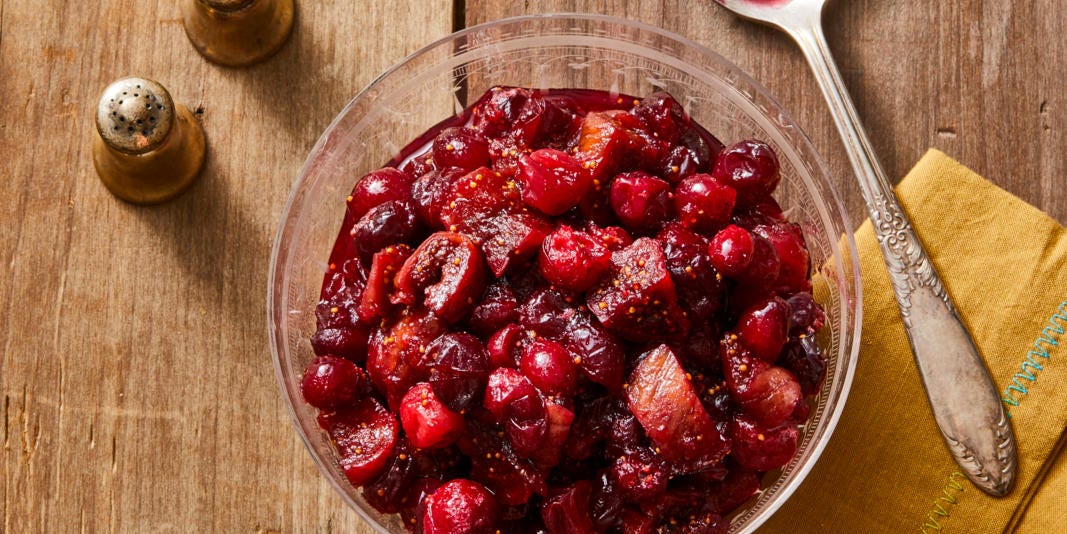
Some side dishes know their role. Mashed potatoes? Comfort specialist. Stuffing? Carb-powered crowd pleaser. Cranberry sauce? Tiny ruby-colored overachiever that cuts through rich holiday food like a polite but very determined dinner guest. And when you add sweet figs and woodsy rosemary to the mix, cranberry sauce stops being a seasonal obligation and becomes the thing people keep “just sampling” with a spoon.
This best fig and rosemary cranberry sauce recipe is bright, jammy, deeply flavorful, and easy enough for a regular Tuesday, even though it tastes like it showed up wearing a velvet blazer. The tartness of cranberries keeps everything lively, the figs add mellow sweetness and chewy depth, and rosemary gives the sauce a savory, aromatic edge that makes it feel a little more grown-up than the usual sugar rush in a bowl.
If you have been wondering how to make fig and rosemary cranberry sauce that tastes homemade, balanced, and actually memorable, this recipe gets you there without requiring a culinary degree, a candy thermometer, or emotional support from a pastry chef.
Why This Fig and Rosemary Cranberry Sauce Works So Well
The magic of this sauce is balance. Cranberries are famously tart. Figs are naturally rich and honeyed. Rosemary is fragrant but can easily get bossy if left in too long. Orange adds brightness, brown sugar brings warmth, and a small pinch of salt keeps the whole thing from tasting flat. The result is a sauce that lands somewhere between classic cranberry sauce, a rustic fruit compote, and a holiday condiment you will absolutely want to smear on leftover turkey sandwiches.
This recipe also has texture on its side. Whole cranberries burst and soften as they cook, while chopped dried figs turn plush and jammy. Instead of a one-note sauce, you get little pops of tart fruit, glossy spoonfuls of syrupy cranberry goodness, and soft bites of fig throughout.
Fig and Rosemary Cranberry Sauce Ingredients
What You’ll Need
- 1 package (12 ounces) fresh or frozen cranberries
- 8 dried Mission figs, stems removed and finely chopped
- 3/4 cup dark brown sugar
- 1/2 cup orange juice
- 1/2 cup water
- 1 sprig fresh rosemary, about 4 to 5 inches long
- 1 tablespoon finely grated orange zest
- 1/8 teaspoon fine sea salt
- 1 teaspoon balsamic vinegar, optional but excellent
Why These Ingredients Matter
Cranberries bring the signature tart bite and that gorgeous jewel-toned color. Dried Mission figs add concentrated sweetness and a soft, chewy texture that makes the sauce feel richer. Dark brown sugar gives a deeper, slightly molasses-like flavor than plain white sugar. Orange juice and zest brighten the sauce and round out the acidity. Rosemary adds an earthy, piney aroma that keeps the sweetness in check. And that tiny splash of balsamic vinegar, if you use it, adds subtle complexity without turning the sauce into salad dressing. Nobody wants that surprise at Thanksgiving.
How To Make Fig and Rosemary Cranberry Sauce
Step 1: Build the Flavor Base
In a medium nonreactive saucepan, combine the orange juice, water, brown sugar, and salt. Set the pan over medium heat and stir until the sugar dissolves. Bring the mixture to a gentle boil. This quick syrup gives the sauce a smooth, glossy foundation and ensures the figs and cranberries cook evenly.
Step 2: Add the Cranberries and Figs
Stir in the cranberries and chopped figs. Reduce the heat slightly and simmer for about 5 to 7 minutes, stirring now and then. The cranberries will begin to pop and the figs will soften. At this point, your kitchen will smell like a holiday candle that actually deserves the hype.
Step 3: Infuse With Rosemary
Add the rosemary sprig and continue simmering for another 4 to 6 minutes, or until the sauce looks glossy and thickened. If using balsamic vinegar, stir it in during the last minute of cooking. The rosemary should perfume the sauce, not dominate it, so resist the urge to throw in half the herb garden.
Step 4: Finish the Sauce Properly
Remove the pan from the heat and let the sauce cool for 5 to 10 minutes. Fish out the rosemary sprig, then stir in the orange zest. Adding the zest after the sauce cools slightly helps keep its fresh citrus flavor bright and lively instead of muted.
Step 5: Chill and Let It Set
Transfer the sauce to a bowl or storage container and let it cool completely. Refrigerate for at least 2 hours before serving. Like many great side dishes, this one improves as it rests. The flavors settle in, the texture firms up, and the whole thing becomes more cohesive.
Quick Recipe Snapshot
- Prep time: 10 minutes
- Cook time: 12 to 15 minutes
- Chill time: 2 hours
- Total time: About 2 hours 25 minutes
- Yield: 8 servings
Tips for the Best Cranberry Sauce Every Time
Don’t Overcook It
Cranberry sauce thickens as it cools. If you cook it until it looks very stiff in the pot, it may set up more like fruit paste than spoonable sauce. Aim for a consistency that looks slightly loose but glossy.
Use One Rosemary Sprig, Not a Forest
Rosemary is lovely, but it has a strong personality. One sprig is enough to give the sauce a fragrant herbal backbone. Leave it in too long, and the flavor can become medicinal or overly piney.
Chop the Figs Small
Big fig pieces can make the sauce feel chunky in the wrong way. Finely chopped figs blend into the sauce more naturally and distribute sweetness evenly.
Taste Before Serving
Once chilled, taste the sauce and adjust if needed. Want more brightness? Add a little extra orange zest. Need more sweetness? Stir in a spoonful of maple syrup or sugar. Want more tang? A few drops of orange juice or balsamic can wake it right up.
Common Mistakes to Avoid
Mistake one: using too much sugar. Cranberry sauce should be balanced, not candy masquerading as fruit. The figs already add sweetness, so this recipe keeps the sugar in check.
Mistake two: adding chopped fresh rosemary leaves instead of a whole sprig. Tiny rosemary needles can make the texture feel fussy and distracting. A whole sprig infuses flavor more elegantly and is easy to remove.
Mistake three: skipping the chill time. Warm cranberry sauce is fine. Chilled cranberry sauce that has had time to settle is dramatically better.
Easy Variations
Make It Boozy
For a dinner-party version, swap a few tablespoons of the water or orange juice for port wine. It pairs beautifully with figs and adds depth without making the sauce taste like a cocktail accident.
Add Gentle Spice
A cinnamon stick or a tiny pinch of black pepper can add warmth. Keep it subtle. This sauce is about cranberries, figs, and rosemary, not a spice cabinet rebellion.
Use Maple Syrup
Replace part of the brown sugar with maple syrup for a softer, woodsy sweetness. This version plays especially well with roast turkey, pork tenderloin, and baked Brie.
Go More Rustic
If you like a chunkier texture, mash only some of the cranberries with a spoon while cooking and leave the rest whole. That creates a more homemade, spoon-coating consistency.
What To Serve With Fig and Rosemary Cranberry Sauce
Yes, it is fantastic with turkey. That much is expected. But this fig rosemary cranberry sauce deserves a more exciting social calendar.
- Spread it on leftover turkey sandwiches
- Spoon it over baked Brie or goat cheese
- Serve it alongside roast chicken, pork loin, or duck
- Add a dollop to a holiday cheese board
- Layer it into a grilled cheese with sharp cheddar
- Use it as a topping for warm biscuits or toast the next morning
That last move may sound a little extra, but figgy cranberry sauce on buttered toast is the kind of breakfast decision that makes you feel like your life is unusually together.
How To Store It
Store the sauce in an airtight container in the refrigerator for up to 1 week. Because cranberry sauce is a classic make-ahead side dish, it is perfect for busy holiday cooking schedules. You can also freeze it for up to 2 months. Thaw it overnight in the refrigerator and give it a good stir before serving.
Can You Make It Ahead?
Absolutely, and you should. In fact, this is one of those recipes that is better after a rest. Make it a day or two before Thanksgiving, Christmas, or any roast-centered dinner. The flavors deepen, the sauce thickens slightly, and you get one less last-minute stovetop task to manage while also trying to remember where you put the serving spoon.
Frequently Asked Questions
Can I use frozen cranberries?
Yes. Frozen cranberries work beautifully here. No need to thaw them first; just add them directly to the pan and cook as directed.
Can I use fresh figs instead of dried figs?
You can, but the result will be a little different. Dried figs provide concentrated sweetness and a more jammy body. Fresh figs are milder and contain more moisture, so the sauce may cook down differently.
Can I make this recipe less sweet?
Yes. Start by reducing the brown sugar to 2/3 cup, then taste after chilling. Because cranberries vary in tartness, it is always smart to adjust based on your preference.
What if I don’t like rosemary?
You could substitute thyme for a softer herbal note, but the whole point of this recipe is that rosemary’s piney aroma works beautifully with figs and cranberries. So maybe give rosemary one more chance. It has been trying very hard.
What the Experience of Making and Serving It Feels Like
One of the best things about this recipe is that the experience matches the flavor: it feels warm, festive, and just a little fancy without becoming stressful. The first few minutes are all about anticipation. You pour the orange juice and water into the saucepan, stir in the brown sugar, and suddenly the kitchen starts giving off the kind of smell that suggests people should probably gather nearby and ask what’s cooking. Then the cranberries go in, and the quiet syrup begins to pop and hiss as the berries burst. It is one of the most satisfying little kitchen soundtracks of the holiday season.
As the figs soften, the sauce changes personality. It goes from sharp and tart to richer and rounder. The rosemary adds a subtle evergreen aroma that makes the whole thing smell unmistakably seasonal, but not in a fake candle way. In a real food way. In a “someone who knows what they’re doing made this” way, even if you are standing there in socks, stirring with one hand while looking for your roasting pan with the other.
Serving it is its own tiny moment of triumph. On a holiday table full of beige and brown dishes, this sauce arrives in a deep, glossy red with jewel-like bits of fig tucked throughout. It looks beautiful in a simple white bowl, and it almost always gets a reaction because people are used to cranberry sauce being either plain, overly sweet, or suspiciously can-shaped. This version feels thoughtful. It says, “Yes, cranberry sauce belongs here, but it also deserves a glow-up.”
The eating experience is where this sauce really earns its place. The first taste usually starts with the cranberry’s bright tang, then the figs slide in with mellow sweetness, and finally the rosemary lingers just enough to keep it interesting. It cuts through rich bites of turkey, buttery mashed potatoes, gravy, stuffing, and all the other glorious excess of a holiday plate. Instead of disappearing into the background, it resets the palate and makes the next bite taste better. That is the kind of side dish behavior we respect.
Then there are the leftovers, which may be the most underrated part of the whole experience. The next day, this sauce becomes incredibly useful. It turns an ordinary turkey sandwich into something that feels deli-worthy. It makes crackers and cheese taste more intentional. It can even rescue a plain piece of toast from breakfast boredom. A spoonful next to roast chicken or pork later in the week feels elegant and low-effort at the same time.
There is also a practical pleasure in knowing you made it ahead. While other dishes demand last-minute attention, this one is already done, chilled, and waiting in the fridge like the organized friend who arrives early and brings a good bottle of wine. That sense of preparedness matters during busy holiday cooking. It frees up stove space, lowers stress, and gives you one reliable win before the main event even starts.
In the end, the experience of making fig and rosemary cranberry sauce is not just about following a recipe. It is about creating a side dish that smells incredible, looks beautiful, tastes balanced, and keeps proving its worth long after the big meal is over. That is why this recipe feels more special than standard cranberry sauce. It is familiar enough to be comforting, different enough to be memorable, and easy enough that you will probably make it again next year without needing anyone to remind you.
Conclusion
If you want a cranberry sauce that tastes classic but not boring, this is the one to make. The cranberries bring brightness, the figs add richness, the rosemary adds elegant herbal depth, and the orange ties everything together. It is easy, make-ahead friendly, and versatile enough to show up at Thanksgiving dinner, a holiday cheese board, or lunch the next day in a leftover sandwich that honestly steals the show. In other words, this sauce does not just sit politely on the plate. It contributes.