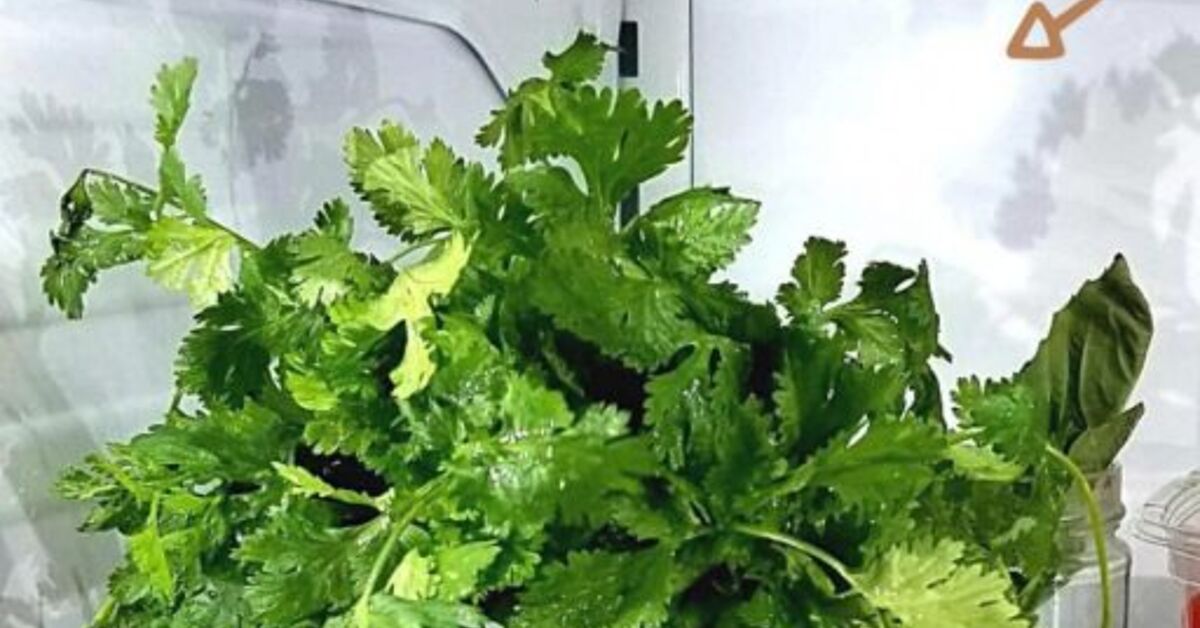
Fresh herbs are tiny bundles of culinary optimism. You buy one cheerful bunch of cilantro, tuck it into the fridge, and somehow it turns into swampy green sadness before taco night. The good news? Your herbs are not doomed. Most fresh herbs spoil quickly because they are stored either too wet, too dry, too cold, too crushed, or too forgotten behind a suspicious jar of pickles.
Learning how to store herbs in the fridge longer is less about fancy gadgets and more about understanding what each herb actually wants. Tender herbs like parsley, cilantro, dill, and mint need gentle moisture and airflow. Woody herbs like rosemary, thyme, sage, and oregano prefer a damp towel and a cozy container. Basil, dramatic as ever, often prefers the countertop instead of the refrigerator. Once you know these differences, you can keep fresh herbs crisp, fragrant, and ready for soups, salads, sauces, marinades, roasted vegetables, omelets, and that one recipe you saved three months ago but swear you are making this week.
Why Fresh Herbs Wilt So Fast in the Fridge
Fresh herbs are delicate because they are mostly water. After harvesting, they continue to lose moisture through their leaves. At the same time, excess surface water can speed up decay. This creates a frustrating kitchen paradox: herbs need humidity, but they do not want to sit in a mini rainforest. Too little moisture makes them limp. Too much moisture makes them slimy. The perfect storage method creates a balanced environment where stems can stay hydrated while leaves remain protected from condensation.
Temperature also matters. Most herbs like the cool environment of the refrigerator, especially leafy herbs such as parsley and cilantro. But some herbs, especially basil, can suffer from cold damage when stored too long in the fridge. That is why basil often turns dark, limp, and offended-looking after a night in the cold.
Another common problem is compression. Herbs stuffed into a grocery bag under apples, lettuce, and a heroic watermelon will bruise. Bruised leaves break down faster, and one damaged leaf can spread moisture and decay to the rest of the bunch. Treat herbs like fresh flowers, not like a receipt you found in your pocket.
The Two Main Herb Families: Tender vs. Hardy
The easiest way to store herbs correctly is to divide them into two groups: tender herbs and hardy herbs.
Tender Herbs
Tender herbs have soft stems and delicate leaves. Examples include parsley, cilantro, dill, mint, tarragon, chervil, and sometimes chives. These herbs usually last longer when stored upright in a jar with a small amount of water, loosely covered, and refrigerated. Think of them as little bouquets that happen to make dinner taste better.
Hardy Herbs
Hardy herbs have woody or firmer stems. Examples include rosemary, thyme, sage, oregano, marjoram, and savory. These herbs generally prefer being wrapped in a slightly damp paper towel and stored in a resealable bag or airtight container in the refrigerator. They do not need to stand in water because their stems are not as thirsty as tender herbs.
The Best Way to Store Tender Herbs in the Fridge
For parsley, cilantro, dill, and mint, the jar method is usually the winner. It keeps the stems hydrated while preventing the leaves from drying out. This method can help herbs last one to two weeks, and sometimes longer if the herbs were very fresh when purchased.
Step-by-Step Jar Method
- Remove rubber bands or twist ties. Tight bands can bruise stems and trap moisture.
- Sort the bunch. Pick out yellow, slimy, or crushed leaves. One bad leaf can make the whole bunch decline faster.
- Trim the stems. Cut about half an inch from the bottom, just like you would with flowers.
- Add water to a jar. Use about one inch of cold water. The stems should touch the water, but the leaves should not sit below the waterline.
- Place herbs upright. Keep the leaves loose and uncrushed.
- Cover loosely. Place a plastic produce bag, reusable bag, or loose cover over the leaves to maintain humidity.
- Refrigerate. Store the jar on a shelf or in the fridge door if it fits securely.
- Change the water every few days. Fresh water prevents cloudiness, odor, and stem decay.
This method works especially well for cilantro and parsley. Mint also responds nicely to the jar method, although it may need extra space because mint leaves bruise easily. Dill can be stored this way too, but its feathery leaves are fragile, so handle it gently.
How to Store Hardy Herbs in the Fridge
Rosemary, thyme, sage, and oregano do not need the flower-vase treatment. Their woody stems and sturdier leaves hold up better with a damp towel wrap. The goal is to keep them from drying out without trapping so much water that mold appears.
Step-by-Step Damp Towel Method
- Inspect the herbs. Remove any dark, mushy, or dried-out pieces.
- Do not soak them unless needed. If they are visibly dirty, rinse briefly under cool running water and dry thoroughly.
- Use a slightly damp paper towel. It should feel moist, not wet enough to drip.
- Lay herbs in a single layer. Avoid clumping thick bunches together.
- Roll gently. Wrap the herbs loosely, like a soft little herb sleeping bag.
- Place in a bag or container. Use a resealable plastic bag, silicone bag, or airtight food container.
- Store in the crisper drawer. The crisper helps maintain humidity and protects herbs from being crushed.
With this method, rosemary and thyme can often stay usable for one to two weeks. Sage may dry slightly over time, but it can still be useful in cooked dishes. Oregano and marjoram are more delicate than rosemary, so check them every few days.
Should You Wash Herbs Before Storing Them?
This is where kitchen opinions start arguing in the produce drawer. Some cooks prefer washing herbs right away so they are ready to use. Others store herbs unwashed and rinse them only before cooking. Both methods can work, but the rule is simple: never store herbs wet.
If you wash herbs before storage, dry them extremely well. Use a salad spinner, then spread them on a clean towel until surface moisture is gone. Wet leaves trapped in a bag can turn slimy quickly. If your herbs are clean and dry from the store or garden, you can wait to wash them until just before use.
For food safety, rinse fresh herbs under cool running water before eating, especially if they will be used raw in salads, salsas, dressings, or garnishes. Avoid using soap or detergent. Herbs are food, not laundry.
Special Case: How to Store Basil
Basil is the diva of the herb world. It smells heavenly, makes pesto taste like summer, and absolutely does not enjoy refrigerator chill. Cold temperatures can cause basil leaves to darken and lose their lively texture. For best results, store basil at room temperature like a bouquet.
Countertop Basil Method
- Trim the basil stems.
- Place the stems in a jar with about one inch of water.
- Keep the leaves above the waterline.
- Cover loosely with a bag if your kitchen is dry.
- Store away from direct sunlight and heat.
If you must refrigerate basil, do it briefly and protect it from cold air by wrapping it lightly in a paper towel and placing it in a container. But for maximum freshness, the countertop usually wins.
How Long Do Fresh Herbs Last in the Fridge?
Freshness depends on how old the herbs were when you bought them, how they were transported, how cold your fridge runs, and how carefully they are stored. Still, these general timelines are useful:
- Parsley: 1 to 2 weeks with the jar method.
- Cilantro: 1 to 2 weeks, sometimes longer with fresh water changes.
- Mint: 1 to 2 weeks in a jar or wrapped carefully.
- Dill: About 1 week, sometimes longer if very fresh.
- Chives: Around 1 week wrapped in a damp towel.
- Rosemary: 1 to 2 weeks wrapped in a damp towel.
- Thyme: 1 to 2 weeks in a towel and container.
- Sage: About 1 week, sometimes longer if kept dry enough.
- Oregano: Around 1 week, depending on freshness.
These are not strict expiration dates. Use your senses. Fresh herbs should smell clean and aromatic. Discard herbs that are slimy, moldy, foul-smelling, or heavily discolored.
Where to Put Herbs in the Refrigerator
The crisper drawer is a great place for hardy herbs because it helps control humidity and protects them from direct cold airflow. Tender herbs stored in jars can go on a fridge shelf or door shelf if the jar is stable. Just make sure they do not tip over every time someone reaches for ketchup.
Avoid storing herbs near very cold spots, such as the back wall of the refrigerator, where leaves can freeze. Frozen patches turn limp and dark when thawed. Also avoid placing herbs near strong-smelling foods unless they are sealed. Herbs are aromatic, but they can absorb odors too. Nobody wants mint that whispers “leftover onion.”
Common Mistakes That Make Herbs Spoil Faster
Storing Herbs in the Original Plastic Bag
The grocery store bag is usually designed for transport, not long-term freshness. It can trap too much condensation, crush leaves, or allow herbs to dry out. Transfer herbs to a better storage setup as soon as you get home.
Leaving Rubber Bands On
Rubber bands squeeze stems and create bruised spots. Remove them before storing. Your herbs deserve freedom.
Using Too Much Water
For jar storage, only stems should sit in water. Leaves submerged in water decay quickly. Remove low leaves before placing herbs in the jar.
Sealing Wet Herbs in an Airtight Container
Airtight storage is useful only when herbs are dry or wrapped with controlled moisture. If herbs are dripping wet, an airtight container becomes a tiny swamp.
Ignoring Them for a Week
Herbs need small checkups. Remove bad leaves, refresh water, and adjust towels when needed. Thirty seconds of attention can save several dollars of herbs.
Best Containers for Keeping Herbs Fresh
You do not need expensive equipment, but the right container helps. A mason jar works beautifully for tender herbs. A wide-mouth jar is easier because leaves do not get smashed. A reusable produce bag or loose plastic bag creates humidity around the leaves without pressing them down.
For hardy herbs, a shallow airtight container is excellent because it prevents crushing. Resealable bags work too, but leave a little room so the herbs are not packed tightly. Dedicated herb keeper containers can be helpful if you buy herbs often, but they are optional. A jar, towel, and bag can perform surprisingly well.
How to Revive Slightly Wilted Herbs
If your herbs look tired but not spoiled, you may be able to revive them. Trim the stems and place tender herbs in a jar of cold water for 15 to 30 minutes. For very limp parsley or cilantro, a quick soak in cold water can help restore some crispness. After soaking, dry the leaves well before storing again.
Hardy herbs are harder to revive once dried, but they can still be used in cooked dishes. Slightly tired rosemary, thyme, or sage can flavor soups, stews, roasted potatoes, compound butter, and marinades. Not every herb has to look like a magazine cover to be useful.
When to Freeze Herbs Instead of Refrigerating Them
If you know you cannot use fresh herbs within a week or two, freezing is a smart backup plan. Freezing changes texture, so frozen herbs are best for cooked dishes, sauces, soups, stews, and sautés rather than fresh garnishes.
Simple Freezing Methods
- Chopped herbs in ice cube trays: Add chopped herbs to an ice cube tray, cover with water or olive oil, freeze, then transfer cubes to a freezer bag.
- Herb oil: Blend herbs with olive oil and freeze in small portions.
- Pesto-style freezer packs: Blend basil, parsley, cilantro, or mint with oil and freeze flat in a bag.
- Whole sprigs: Freeze rosemary or thyme sprigs on a tray, then move them to a sealed bag.
Label the bag with the herb name and date. Frozen green cubes can become mysterious very quickly. Is it parsley? Cilantro? A science project? Future you will appreciate the label.
Best Uses for Herbs Before They Go Bad
Even with perfect storage, fresh herbs do not last forever. When your herbs are still flavorful but starting to fade, use them generously. Add parsley to scrambled eggs, grain bowls, roasted vegetables, or lemony pasta. Stir cilantro into tacos, rice, salsa, soups, or yogurt sauces. Chop dill into potato salad, tuna salad, cucumber salad, or creamy dressings. Add mint to iced tea, fruit salad, yogurt, or lamb dishes.
Hardy herbs are excellent for cooking. Rosemary loves roasted potatoes and chicken. Thyme works in soups, beans, mushrooms, and pan sauces. Sage pairs beautifully with butter, squash, pork, and stuffing. Oregano adds depth to tomato sauce, grilled vegetables, and Greek-inspired dishes.
Experience-Based Tips: What Actually Works in a Real Kitchen
After testing different herb storage habits in everyday cooking, one thing becomes clear: the best method is the one you will actually maintain. A perfect storage system that requires ten minutes every day will fail by Tuesday. A simple jar of parsley in the fridge door, however, is easy to see, easy to refresh, and easy to use. Visibility matters. Herbs hidden in the back of the drawer often become compost with a price tag.
For tender herbs, the jar method feels almost too simple, but it works because it solves the biggest problem: dehydration. Cilantro is a perfect example. When tossed into the fridge in its store bag, it often wilts within days. When trimmed, placed in a jar with water, loosely covered, and checked every few days, it stays perky much longer. The same goes for parsley. Flat-leaf parsley, especially, can remain bright and useful for salads, sauces, and garnishes when treated like a bouquet.
The trick is not to overfill the jar. If the bunch is crammed into a narrow container, the inner leaves get trapped and wet. A wider jar gives the leaves room to breathe. Another useful habit is removing any leaves that sit below the waterline. Those submerged leaves break down quickly and make the water unpleasant. Refreshing the water every two or three days takes less time than finding your car keys, and it makes a noticeable difference.
Hardy herbs are more forgiving, but they still appreciate care. Rosemary and thyme can survive a lot, but tossing them loose into the refrigerator makes them dry and brittle. Wrapping them in a barely damp paper towel and placing them in a container keeps them flexible and fragrant. The towel should not be soaking wet. If you squeeze it and water comes out, it is too wet. Think “morning dew,” not “dishwasher accident.”
One practical strategy is to create an herb check routine after grocery shopping. Before putting anything away, remove bands, toss damaged leaves, trim stems if needed, and choose the right method. This small setup makes herbs easier to use throughout the week. You are more likely to add dill to eggs, mint to tea, cilantro to rice, or parsley to soup when the herbs are clean, visible, and not trapped in produce-bag chaos.
Another real-world lesson: do not wait for the perfect recipe. Herbs are not museum objects. Use them casually. Add a handful to leftovers. Stir them into sauces. Sprinkle them over roasted vegetables. Mix chopped herbs into softened butter and freeze it. Make a quick green sauce with olive oil, lemon juice, garlic, and whatever herbs are getting tired. The more often you use herbs, the less often you throw them away.
Finally, accept that some herb loss is normal. A few yellow leaves do not mean failure. Remove them and keep going. Good herb storage is not about perfection; it is about giving fresh herbs a better chance to survive until dinner.
Conclusion: Fresh Herbs Deserve Better Than the Back of the Fridge
Knowing how to store herbs in the fridge longer can save money, reduce food waste, and make everyday meals taste brighter. The main idea is simple: match the storage method to the herb. Tender herbs like parsley, cilantro, dill, and mint usually last longer standing in a jar with a little water and a loose cover. Hardy herbs like rosemary, thyme, sage, and oregano do best wrapped in a slightly damp towel and stored in a bag or container. Basil is the exception that often prefers the countertop.
Keep herbs dry enough to avoid slime, moist enough to avoid wilting, and visible enough that you remember to use them. With a jar, a towel, and a little attention, your herbs can stay fresh long enough to become dinner instead of refrigerator confetti.