Some kitchen objects enter your life quietly. Others arrive with the confidence of a small sculpture that just happens to hold cheese. Hampson Woods’ London Plane – Geometric 2 belongs to that second category. It is a handmade wooden serving board shaped with crisp geometry, made from London plane wood, and designed to bring a little architectural drama to everyday meals. In plain English: it is the kind of board that makes a wedge of cheddar look like it hired a stylist.
At first glance, the board seems simple: a compact slab of pale, character-rich hardwood with an angled profile and a tactile finish. But the appeal of this piece lives in the details. The London plane tree has a distinctive grain, often showing delicate flecks and warm tonal shifts. Hampson Woods uses that natural movement rather than hiding it, which means every board feels individual. The Geometric 2 is not merely a kitchen accessory; it is a small argument for slowing down, serving food beautifully, and letting natural materials do what plastic never learned to do: age with charm.
This article explores the design, material, craftsmanship, practical use, care, styling potential, and everyday experience of owning or admiring Hampson Woods’ London Plane – Geometric 2. We will look at why London plane wood matters, why geometric wooden serving boards are popular in modern interiors, and how a modest board can upgrade a table setting without shouting, “I read design magazines,” even if, frankly, it gives you away.
What Is Hampson Woods’ London Plane – Geometric 2?
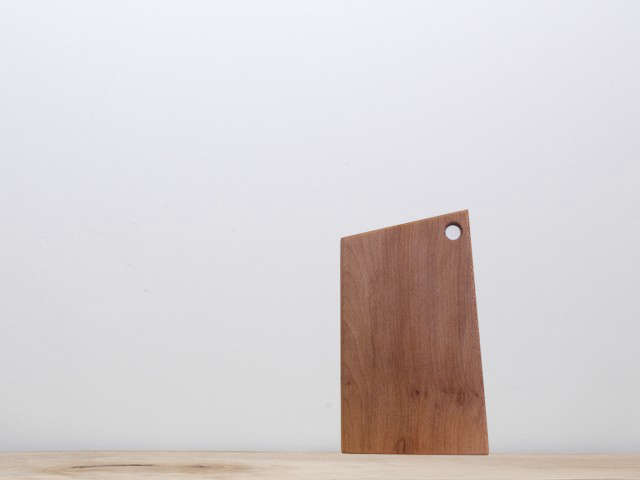
London Plane – Geometric 2 is a handcrafted wooden serving board from Hampson Woods, a British maker known for elegant wooden homewares, boards, spoons, and small-batch timber pieces. The board is made from the London plane tree, a species strongly associated with London streets, parks, and urban landscapes. The current Hampson Woods listing describes the piece as smooth to the touch, joyful to use, and marked by crisp angular beauty. Its approximate dimensions are 275 x 160 x 17 mm, making it compact enough for everyday use but visually interesting enough to sit proudly on a table.
The “Geometric 2” name points to the board’s angular silhouette. Rather than a traditional rectangle or paddle shape, it has a sharper, more sculptural profile. That shape gives it personality. It looks equally at home holding sliced fruit, bread, olives, chocolate, a small cheese pairing, or the world’s most dramatic Tuesday toast.
One of the defining qualities of Hampson Woods pieces is individuality. Because wood is not manufactured in identical sheets like plastic laminate, no two boards are exactly alike. Grain, color, flecking, and small variations in hand-finishing give each piece its own character. For people who like objects with a story, that matters. A board like this does not feel anonymous. It feels found, shaped, and invited indoors.
The Beauty of London Plane Wood
The London plane tree is widely known as a tough urban tree. It handles city life with admirable calm, which is more than many of us can say after one difficult commute. Its timber is prized for a fine texture, generally straight grain, and striking visual patterns, especially when cut in ways that reveal ray flecks. Those flecks can create a lace-like or freckled effect across the surface, giving London plane wood a quiet decorative quality.
Color can vary from creamy white and pale pinkish tan to warmer reddish-brown streaks. This range is part of the appeal. Instead of a flat, uniform surface, the board may show gentle waves, speckles, and tonal movement. In a kitchen filled with stainless steel, ceramic, and glass, that organic variation softens the scene.
Why London Plane Works for Decorative Kitchenware
London plane has a fine, even texture, which makes it pleasant to touch and suitable for smooth, refined homewares. It can be worked with hand tools and machine tools, then finished to a soft sheen. For a serving board, that combination is important. You want a surface that feels considered, not rough or awkward. You also want enough durability for practical use, because no one needs a board that panics at the sight of a cracker.
Although London plane is often used for decorative objects, furniture details, carvings, and veneer, it has found a natural role in serving boards. Its visual character rewards close viewing. Put it under soft kitchen lighting and the grain becomes part of the presentation. That is especially effective with minimalist food styling: pale cheese, dark grapes, crusty bread, smoked almonds, sliced figs, or even a very serious square of brownie.
Design Analysis: Why the Geometric Shape Matters
The main keyword here is Hampson Woods London Plane Geometric 2, but the real story is the relationship between shape and material. A rectangular board is practical. A round board is friendly. A paddle board is rustic. A geometric board, however, adds visual tension. It makes the table feel curated without becoming fussy.
The Geometric 2 board uses an angular outline to create movement. The eye follows the edge, notices the asymmetry, and then lands on the grain. That is good design: form leads attention back to material. Instead of competing with the wood, the shape frames it.
Modern, Rustic, and Minimalist at the Same Time
One reason this board works across different interiors is that it sits between several design languages. The wood gives it warmth and rustic honesty. The clean profile gives it modern discipline. The modest size gives it minimalism. The handmade finish adds human character. It is a small object, but it manages to speak fluent farmhouse, Scandinavian, modern cottage, and urban loft without changing outfits.
That makes it especially useful for people who like flexible pieces. You can place it in a white kitchen with handmade ceramics and it looks calm. Put it on a dark stone counter and it adds warmth. Hang it from a peg rail and it becomes wall decor. Use it on an outdoor table and it looks relaxed. The board does not demand a specific aesthetic; it adapts.
Practical Uses for Hampson Woods’ London Plane – Geometric 2
Because of its approximate size, Geometric 2 is best understood as a small serving board or light prep board. It is not the board you would choose for carving a whole roast or chopping a mountain of vegetables. It is more intimate than that. Think snacks, sides, appetizers, and small moments of presentation.
Best Everyday Uses
- Serving cheese, crackers, and fruit for one to three people
- Presenting toast, pastries, or breakfast breads
- Holding lemon wedges, herbs, or garnishes during cooking
- Serving small desserts, chocolates, or cookies
- Displaying candles, salt cellars, or small ceramic bowls
- Styling open shelving, kitchen counters, or dining nooks
The board’s strength is not volume; it is presence. It turns a few ingredients into a scene. A handful of olives in a tiny bowl, two slices of sourdough, and a smear of soft cheese suddenly feel like the opening act of a slow lunch. This is the emotional trick of beautiful tableware. It does not make you a better cook, but it makes your food look like it had better public relations.
How It Compares With Regular Wooden Cutting Boards
A standard cutting board is usually judged by size, thickness, knife feel, and durability. Those qualities still matter, but London Plane – Geometric 2 belongs to a slightly different category. It is part tool, part serving piece, part decorative object. That means it should be evaluated as both kitchenware and design.
Compared with a thick butcher block, this board is lighter and easier to handle. Compared with a plastic board, it has far more warmth and visual appeal. Compared with a large rectangular board, it is more distinctive but less spacious. It is not meant to replace every board in your kitchen. Instead, it fills the role of the board you actually enjoy reaching for when guests are coming overor when you decide that future you deserves nicely plated snacks.
Edge Grain, End Grain, and Serving Board Expectations
Many cutting-board discussions focus on end-grain versus edge-grain construction. End-grain boards are often praised for being gentle on knives and durable under heavy chopping. Slim serving boards, however, are usually chosen for presentation, portability, and everyday convenience. The Geometric 2 should be used with respect for its scale and finish. Light slicing is reasonable; aggressive chopping is better left to a heavier workhorse board.
In other words, use the Geometric 2 for bread, cheese, fruit, herbs, and presentation. Use a large, sturdy board for squash, meat carving, or anything involving dramatic knife energy. Your board will thank you by staying lovely longer.
Care and Maintenance: Keeping the Board Beautiful
A handmade wooden board is not difficult to maintain, but it does ask for basic manners. The golden rules are simple: hand wash only, avoid soaking, dry thoroughly, and condition the wood when it looks thirsty. Never put a wooden board in the dishwasher unless your secret goal is sadness.
How to Clean It
After use, wipe away crumbs and food residue. Wash the board by hand with mild soap and warm water. Use a soft sponge or cloth rather than an abrasive scrubber. Rinse lightly, then dry it immediately with a towel. After that, let it air-dry fully in a vertical position or on a rack so moisture does not get trapped underneath.
Do not leave the board soaking in the sink. Do not stack it while wet. Do not use harsh cleaners unless absolutely necessary. Wood expands and contracts with moisture, so a little attention goes a long way. If cared for properly, a quality wooden board can develop a richer surface over time rather than looking tired.
How to Condition It
Wooden boards benefit from periodic conditioning with food-safe mineral oil, beeswax, or a board balm designed for kitchen use. Hampson Woods uses its own HW Wood Balm on current boards. Conditioning helps reduce drying, cracking, and warping while enhancing the grain. If the surface begins to look pale, dry, or dull, it is probably asking for balm in the polite language of timber.
Apply a small amount of conditioner with a clean cloth, rub it into the surface and edges, let it absorb, then wipe away the excess. Do this monthly for frequently used boards or whenever the board feels dry. Avoid ordinary cooking oils such as olive oil or vegetable oil for long-term board care because they may become sticky or develop unpleasant odors over time.
Styling Ideas for the Geometric 2 Board
The fun of a compact geometric board is how easy it is to style. You do not need a banquet. You need contrast, texture, and a little restraint. The board already has visual interest, so let it lead.
For a Cheese Moment
Pair one soft cheese with one hard cheese, add a small pile of crackers, and finish with grapes or dried apricots. Keep the arrangement loose rather than symmetrical. The angled board shape looks best when the food follows its natural direction. A tiny bowl of honey or fig jam helps, because apparently cheese boards are legally required to include one charming little bowl.
For Breakfast
Use it for toast, butter, jam, and berries. The pale warmth of London plane wood works beautifully with golden bread and colorful fruit. A single croissant on this board looks intentional. Three croissants look like a personal philosophy.
For Open Shelving
Lean the board against a backsplash or shelf wall with ceramics, glass jars, and linen napkins. Because the shape is angular, it breaks up the repetitive lines of plates and bowls. It adds softness without becoming visually cluttered.
Why Handmade Wooden Kitchenware Still Matters
In a world full of mass-produced kitchen accessories, handmade wooden objects feel refreshingly specific. They carry evidence of material, maker, and process. The Hampson Woods approach emphasizes small-batch production, timber character, and long-lasting design. That is why a board like London Plane – Geometric 2 feels more personal than a generic product pulled from a warehouse shelf.
There is also a sustainability conversation here. Using timber with known provenance, valuing fallen or responsibly sourced trees, and making durable goods all push against disposable design. A well-made wooden board is not a seasonal trend that disappears when the next catalog arrives. It is the sort of object that can remain useful for years, picking up small signs of life along the way.
Buying Considerations Before Choosing This Board
Before buying Hampson Woods’ London Plane – Geometric 2, think about how you plan to use it. If you need a large daily chopping board, this may not be the practical first choice. If you want a beautiful small serving board, a design-forward kitchen accent, or a gift for someone who appreciates craft, it makes far more sense.
Who Will Appreciate It Most?
- Home cooks who enjoy thoughtful table presentation
- Design lovers who prefer natural materials
- Fans of handmade British kitchenware
- People who collect wooden boards, spoons, and serving pieces
- Hosts who like compact appetizer boards
- Gift buyers looking for something useful but not boring
The board is especially suitable as a housewarming gift, wedding gift, holiday present, or personal upgrade for someone who likes the ritual of serving food well. It is practical enough to avoid being precious, but beautiful enough to feel special.
500-Word Experience Section: Living With Hampson Woods’ London Plane – Geometric 2
The experience of using Hampson Woods’ London Plane – Geometric 2 begins before any food touches it. The first thing you notice is the feel. A good wooden board has a warmth that stone, metal, and plastic cannot imitate. Pick it up and it feels calm in the hand: light enough to move easily, substantial enough to feel purposeful. The angled shape gives it a quiet confidence, like it knows it is not just another rectangle in the drawer.
In daily life, the board works best when it is allowed to remain visible. Tuck it away in a cupboard and you lose half the pleasure. Lean it against the backsplash, hang it from a peg, or rest it on a shelf near your favorite mug. It becomes part of the room. The London plane grain brings a natural pattern that changes slightly with light. In the morning, it may look pale and clean beside a coffee cup. In the evening, under warmer light, it can take on a honeyed tone that makes the kitchen feel softer.
Using it for food is where the charm becomes practical. A small board encourages smaller, better-presented servings. Instead of dumping crackers from a box onto a plate, you arrange them. Instead of eating cheese straight from the fridge while pretending that counts as dinner, you slice it, add fruit, and suddenly you have a snack that respects itself. This is not magic; it is the power of a good surface. The board makes ordinary food feel considered.
It is also useful during cooking. Place lemon wedges on it while preparing fish, pile chopped herbs beside a soup pot, or use it as a landing place for bread before serving. Because it is compact, it does not take over the counter. Because it is attractive, it can move directly from prep space to table. That transition is one of its best features. Many kitchen tools are either useful or pretty. This one is both, which means it earns its space honestly.
The care routine becomes part of the ownership experience. Washing it by hand, drying it carefully, and occasionally rubbing in board balm may sound like extra work, but it creates a relationship with the object. You notice when the wood looks dry. You notice the grain becoming richer after conditioning. You notice small marks from use, and instead of looking like damage, they begin to look like memory. That is the pleasure of natural materials: they participate in your life.
Guests tend to notice the board, too. It has enough shape to invite a comment without dominating the table. Someone may ask where it came from. Someone else may run a hand over the surface. Then, inevitably, someone will place a very ordinary cracker on it and the cracker will look slightly more expensive than it has any right to look. That is when the board has done its job.
Over time, Hampson Woods’ London Plane – Geometric 2 becomes less of a “special occasion” item and more of a daily companion. It is useful for breakfast, snacks, prep, serving, and styling. It brings a handmade note to modern kitchens and a modern edge to rustic ones. Most importantly, it reminds you that small objects can improve daily routines. A board will not transform your entire life. But it may transform your toast, and honestly, that is a respectable beginning.
Conclusion
Hampson Woods’ London Plane – Geometric 2 is a small handmade board with a surprisingly large design presence. Made from London plane wood and shaped with a crisp geometric profile, it blends natural grain, craft tradition, and modern table styling. It is not meant to replace every cutting board in the kitchen. Instead, it serves a more refined role: presenting food beautifully, adding warmth to the counter, and making everyday rituals feel more intentional.
For anyone drawn to handmade wooden kitchenware, sustainable design, British craftsmanship, or display-worthy serving boards, the Geometric 2 offers a compelling mix of function and artistry. Treat it kindly, wash it by hand, condition it when needed, and let it stay visible. Beautiful tools should not spend their lives hiding in drawers.