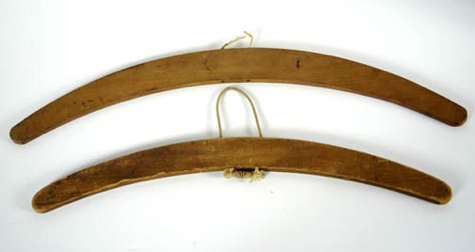
Arch shaped clothes hangers may not sound like the kind of thing that changes your life, but then again, neither did fitted sheets until you tried folding one and questioned every decision you had ever made. These hangers, also called curved clothes hangers, contoured hangers, no shoulder bump hangers, or body-form hangers, are designed with a gentle arc that better follows the natural slope of the human shoulder. In plain English: they help clothes hang like clothes, not like sad laundry flags on two pointy sticks.
The humble hanger is one of the most overlooked tools in wardrobe care. People spend real money on wool coats, silk blouses, cashmere sweaters, tailored jackets, crisp shirts, and delicate dresses, then toss them onto whatever plastic hanger came free with a clearance rack purchase in 2014. That is like buying a luxury car and parking it in a swamp. Arch shaped clothes hangers solve a simple but important problem: they distribute weight more naturally, reduce shoulder bumps, help garments keep their shape, and make the closet look less like a fabric avalanche waiting to happen.
What Are Arch Shaped Clothes Hangers?
Arch shaped clothes hangers are hangers with rounded, sloped, or curved shoulder areas instead of sharp, flat, or narrow angles. Their main purpose is to support clothing along a broader curve so the fabric does not concentrate pressure at two tiny points near the shoulder seams. This makes them especially helpful for sweaters, knit tops, blouses, dresses, jackets, cardigans, and garments made from materials that stretch, wrinkle, or show marks easily.
Traditional wire hangers are thin and convenient, but they are not exactly famous for garment compassion. They can create those strange little shoulder peaks that make a shirt look as if it is trying to grow horns. Standard plastic hangers are better, but many still have squared-off ends that press into fabric. Arch shaped hangers soften that contact point. They are built to cradle garments instead of poking them.
Why the Arch Shape Matters
The shape of a hanger affects how fabric behaves over time. Clothing has weight, and gravity is always auditioning to be the villain. When a garment hangs from a narrow or sharp hanger, the weight pulls down while the hanger pushes up at limited points. The result can be shoulder bumps, stretched necklines, distorted seams, sagging sleeves, or awkward creases.
A curved hanger spreads the garment’s weight across a wider and more natural surface. This is especially useful for knits and soft fabrics because they are more likely to stretch than woven shirts. It also helps structured clothing, such as blazers and coats, maintain their intended line. The best arch shaped clothes hangers are not just pretty closet accessories; they are small engineering decisions disguised as home organization.
Main Benefits of Arch Shaped Clothes Hangers
1. They Help Prevent Shoulder Bumps
Shoulder bumps are the tiny raised points that appear on shirts, sweaters, or blouses after hanging on the wrong hanger. They usually happen when the hanger ends press too sharply into the fabric. Arch shaped clothes hangers reduce this problem because their rounded shoulders avoid harsh pressure points.
For lightweight sweaters, fine knits, silk blends, rayon tops, and soft cotton T-shirts, a no shoulder bump hanger can be the difference between “ready to wear” and “why do I look like my shirt has antennae?” If you have ever had to steam the shoulder area of a top before leaving the house, you already understand the emotional damage caused by bad hangers.
2. They Keep Clothes Looking Better Between Wears
Good hangers help preserve garment shape. A contoured hanger supports the shoulder area, encourages better drape, and reduces the chance of weird folds forming while clothes sit in the closet. This is especially important for items you do not wash after every wear, such as blazers, coats, cardigans, wool trousers, and dress shirts.
Clothes that hang properly are also easier to inspect. You can see what you own, notice wrinkles sooner, and avoid buying a nearly identical black shirt because the first three were hiding in a dark closet corner like shy bats.
3. They Make Closets Look More Organized
Matching arch shaped hangers instantly make a closet look calmer. This is not just about vanity, although a neat closet does make you feel like the main character in a home makeover show. Uniform hangers create consistent spacing and cleaner visual lines. When hangers are different sizes, colors, and shapes, the closet can look messy even when everything is technically hung up.
Slim curved hangers, especially velvet or rubberized versions, can also save closet rod space. They create a more streamlined look than bulky plastic hangers while still offering grip and shape support. A closet with matching curved hangers feels easier to use because your eyes are not fighting a tiny plastic circus every morning.
Best Materials for Arch Shaped Clothes Hangers
Wooden Arch Hangers
Wooden arch shaped hangers are a classic choice for suits, coats, jackets, and heavier garments. The wide shoulder area provides strong support, and the solid construction helps prevent the hanger from bending under weight. For tailored pieces, wood is often the most elegant and practical option.
A good wooden hanger gives structure to the shoulder line of a blazer or coat. Look for smooth finishes, wide shoulders, a sturdy hook, and a trouser bar if you plan to hang matching pants. Cedar hangers may also help closets smell fresher, although they should not replace proper cleaning or storage habits.
Velvet Curved Hangers
Velvet arch shaped hangers are popular because they are slim, attractive, and non-slip. They are useful for blouses, dresses, wide-neck tops, camisoles, and fabrics that slide off ordinary plastic hangers. The flocked surface grips clothing gently, which helps keep garments from landing on the closet floor in a dramatic heap.
However, velvet hangers are not perfect for every situation. Avoid hanging wet clothing on low-quality velvet hangers, because dye transfer or lint can be a concern. They may also be too grippy for people who like to pull T-shirts off the hanger quickly. If your morning routine involves wrestling with your closet, rubberized or smooth plastic hangers may be better.
Rubberized Arch Hangers
Rubberized hangers combine slim design with strong grip. Many professional organizers like them because they offer the space-saving benefits of velvet without as much fuzz. They work well for slippery fabrics, lightweight jackets, children’s clothes, and everyday shirts. A rubberized arch hanger is a solid middle ground: practical, neat, and not overly fancy.
The main thing to check is the surface texture. It should hold clothing without feeling sticky or leaving marks. A gentle non-slip coating is useful; a hanger that grabs fabric like a jealous octopus is not.
Padded Arch Hangers
Padded hangers are soft, rounded, and excellent for delicate garments. They are often used for silk blouses, vintage clothing, lingerie, formalwear, and lightweight sweaters. Their cushion-like shape helps reduce pressure on fragile fabric.
The tradeoff is space. Padded hangers are usually bulkier than slim velvet or rubberized hangers. They are best used selectively for special pieces rather than every T-shirt you own. Unless your closet is the size of a boutique, padded hangers should be treated like VIP seating.
Plastic Curved Hangers
Plastic arch shaped clothes hangers are affordable, lightweight, and easy to find. Better versions have rounded ends, reinforced corners, strap notches, and smooth surfaces. They are good for everyday shirts, casual dresses, school uniforms, lightweight jackets, and laundry room use.
The downside is durability. Thin plastic hangers can bend under heavy garments. If you are hanging coats, suits, or thick sweaters, choose a sturdier option. A flimsy hanger under a heavy wool coat is not a storage system; it is a countdown.
Which Clothes Should Go on Arch Shaped Hangers?
Arch shaped clothes hangers are useful for many garments, but they shine brightest with clothing that needs shoulder support. Blazers, coats, jackets, cardigans, dresses, blouses, knit tops, and delicate shirts all benefit from a rounded hanger profile. If a garment has a defined shoulder seam, a curved hanger can help preserve the way it is meant to sit on the body.
Sweaters require special care. In general, heavy sweaters are often better folded than hung because the weight of the knit can stretch the garment over time. But if you need to hang sweaters because drawer space is limited, choose a wide, rounded, padded, or no shoulder bump hanger. Another safe method is folding the sweater over the hanger bar instead of inserting the hanger through the neckline.
How to Choose the Right Arch Shaped Hanger
Match the Hanger to the Garment
The best hanger is not always the most expensive one. It is the one that fits the garment. Use wide wooden hangers for suits, coats, and structured jackets. Use velvet or rubberized curved hangers for slippery tops and dresses. Use padded hangers for delicate fabrics. Use sturdy plastic curved hangers for everyday items.
Check the Width
Hanger width matters. If the hanger is too wide, it can push into the sleeve and create bumps below the shoulder. If it is too narrow, the garment may sag at the shoulders. Ideally, the ends of the hanger should sit close to the shoulder seam without extending far into the sleeve.
Look for Smooth Edges
A hanger should never snag fabric. Run your hand along the shoulder area, hook, and bar. If you feel rough seams, sharp corners, splinters, or exposed metal, your clothes will feel them too. Smooth edges are especially important for silk, satin, lace, fine knits, and lightweight synthetic fabrics.
Consider Closet Space
If closet space is tight, slim arch shaped hangers can make a noticeable difference. They create a cleaner line and allow garments to sit closer together. Just remember not to pack clothing so tightly that air cannot circulate. A closet should not be a compression machine with doors.
Common Mistakes to Avoid
The first mistake is using wire hangers for everything. Wire hangers are thin, bend easily, and often create shoulder marks. They are fine for temporary transport from the dry cleaner, but they should not be the permanent home for your favorite clothing.
The second mistake is hanging heavy sweaters by the shoulders. Even with a curved hanger, weight can pull the knit downward. Fold heavy sweaters on shelves or in drawers whenever possible. If hanging is necessary, use a padded or wide curved hanger and give the garment enough room.
The third mistake is buying one type of hanger for the entire wardrobe. A closet usually needs a mix: slim hangers for shirts, wide hangers for coats, clip hangers for skirts, open-ended hangers for pants, and specialty hangers for delicate items. Uniformity is nice, but garment care comes first.
Are Arch Shaped Clothes Hangers Worth It?
Yes, arch shaped clothes hangers are worth it if you care about garment shape, closet organization, and reducing ironing or steaming time. They are especially helpful for people who own sweaters, blouses, jackets, coats, dresses, or delicate fabrics. You do not need to replace every hanger overnight. Start with the clothes most likely to stretch or show shoulder bumps, then upgrade gradually.
Think of arch shaped hangers as affordable clothing insurance. They will not fix a bad laundry habit, and they will not magically make your closet bigger than your apartment. But they can help your clothes look better, last longer, and behave themselves. In the world of home organization, that is a pretty good deal.
Real-Life Experiences With Arch Shaped Clothes Hangers
The first thing most people notice after switching to arch shaped clothes hangers is not dramatic. There is no thunder, no choir, no closet door glowing like a portal to a better life. Instead, the change is quieter: shirts sit straighter, sweaters stop forming those little shoulder mountains, and the closet suddenly looks like an adult lives there. It is a small improvement, but it is the kind that greets you every morning.
One common experience is the “favorite sweater rescue.” A soft knit top that used to come off a standard hanger with two sharp bumps can look smoother after being stored on a rounded hanger. The difference becomes especially obvious with lightweight cotton knits, ribbed cardigans, and drapey blends. Instead of spending five minutes rubbing, steaming, or pretending the bumps are a fashion statement, the garment is ready faster. That may not sound glamorous, but neither is being late because your sweater has shoulders like a cartoon villain.
Another practical experience happens with jackets. A blazer on a thin hanger can slowly lose its crisp shoulder line, especially if it is crowded between heavier garments. When moved to a wide wooden arch hanger, the jacket has room to rest in its natural shape. The shoulder seams are supported, the front panels hang more evenly, and the whole piece looks more intentional. It feels less like storage and more like wardrobe care.
In small closets, slim arch shaped hangers can also change the mood of the space. Replacing mismatched plastic, wire, and random promotional hangers with one consistent style makes the closet easier to scan. Clothes stop tangling as much. Empty hangers are easier to collect. Laundry day feels slightly less like a medieval punishment. The closet may still be small, but it becomes less chaotic.
There are also lessons learned through trial and error. Velvet hangers are great for slippery dresses, but they can be annoying for basic cotton T-shirts if you like quick removal. Wooden hangers are excellent for coats and suits, but they take up more room. Padded hangers feel luxurious, but using them for every item can eat up closet space fast. Rubberized hangers are practical, but the coating should feel smooth rather than tacky. The best setup usually comes from mixing hanger types instead of expecting one heroic hanger to do every job.
The biggest experience-based takeaway is simple: arch shaped clothes hangers make you more aware of how clothing is stored. Once you see the difference, it becomes harder to ignore bad hangers. You start noticing which garments need better support, which sweaters should be folded, and which clothes you have not worn since a mysterious era called “maybe someday.” In that sense, better hangers can accidentally become a closet edit. They do not just hold clothes; they help you understand your wardrobe.
Conclusion
Arch shaped clothes hangers are a smart upgrade for anyone who wants a cleaner closet and better-looking clothes. Their curved design helps reduce shoulder bumps, supports garment shape, improves visibility, and brings order to one of the most frequently used spaces in the home. Whether you choose wooden hangers for coats, velvet hangers for dresses, rubberized hangers for everyday shirts, or padded hangers for delicate pieces, the goal is the same: give your clothes the support they deserve.
A hanger may be small, but it has a daily job. Choose the wrong one, and your clothes can stretch, slip, crease, or develop odd marks. Choose the right arch shaped hanger, and your wardrobe becomes easier to maintain, easier to browse, and much more pleasant to use. Your closet may not send you a thank-you card, but your sweaters probably would if they had tiny stationery.