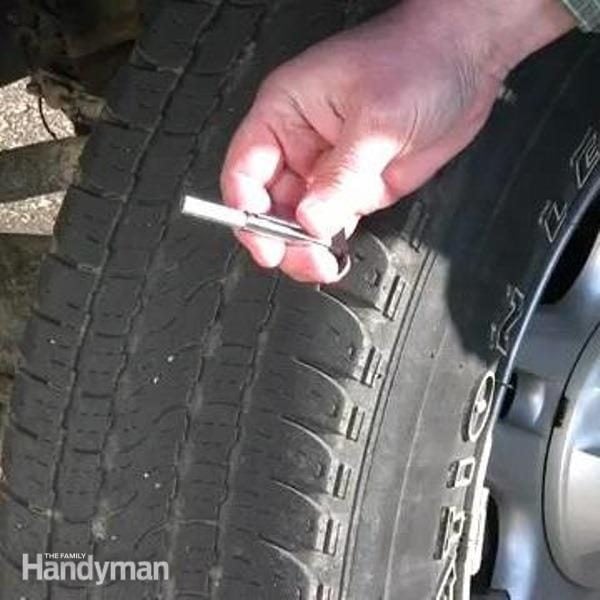
Knowing how to check tire tread is one of those small car-care skills that can save you money, stress, and possibly a very dramatic roadside phone call. Tire tread may not look excitingno one has ever whispered, “Wow, look at those grooves” at a dinner partybut those grooves are what help your tires grip the road, push water aside, and stop your vehicle when life throws a red light, a rainy curve, or a squirrel with poor timing into your path.
The good news? You do not need to be a mechanic, own a lift, or speak fluent “garage.” You can check tire tread at home using a penny, a quarter, built-in tread wear bars, or a simple tread depth gauge that costs less than most drive-through lunches. This guide explains how to inspect your tires, what different tread depths mean, when to replace tires, and how to spot uneven wear before it becomes expensive.
Why Tire Tread Matters More Than Most Drivers Think
Tire tread is not just decorative rubber sculpture. It is engineered to maintain traction, especially when roads are wet, dirty, snowy, or uneven. The channels in the tread help move water away from the tire so the rubber can stay in contact with the road. When tread gets too shallow, your vehicle may take longer to stop, feel less stable in rain, and become more vulnerable to hydroplaning.
In the United States, tire tread depth is commonly measured in 32nds of an inch. Many new passenger tires begin around 10/32 inch or 11/32 inch of tread depth, although the exact number depends on tire type and design. By the time a tire reaches 2/32 inch, it is generally considered worn out and should be replaced. But here is the catch: “legal” and “smart in heavy rain” are not always the same thing. A tire can still be above the minimum and yet perform noticeably worse in wet conditions.
That is why many safety-minded drivers start shopping for replacement tires when tread reaches around 4/32 inch, especially if they drive often in rain, commute at highway speeds, carry family passengers, or live somewhere with sudden storms. Think of 2/32 inch as the final alarm bell, not the first gentle reminder.
Video: How to Check Tire Tread in Under Two Minutes
Suggested video placement: Insert your instructional video here showing the penny test, quarter test, tread wear bars, and tread depth gauge method.
Simple video script: “Today we are checking tire tread depth. Park safely, turn the steering wheel for better access, inspect the tread grooves, use a penny with Lincoln’s head upside down, compare with a quarter for extra safety, then confirm with a tread depth gauge. Check the inside, center, and outside grooves of each tire. If any spot is at 2/32 inch, replace the tire. If you are around 4/32 inch and drive in wet weather, start planning for new tires.”
A short video works well for this topic because tire tread is visual. Readers can see exactly where to place a coin, how wear bars look, and how a tread depth gauge sits inside the groove. If you publish this article on a website, place the video near the top so visitors can watch first, then scroll down for the full explanation.
Tools You Can Use to Check Tire Tread
1. The Penny Test
The penny test is the classic driveway method. Place a penny into the tire’s main tread groove with Abraham Lincoln’s head upside down and facing you. If the top of Lincoln’s head is covered by tread, the tire has more than 2/32 inch remaining in that spot. If you can see the entire head, your tire is at or below the commonly used replacement threshold.
The penny test is easy and quick, but it is not the most precise method. It mainly tells you whether the tire is extremely worn. If your tires pass the penny test but look shallow, do not celebrate like you just won the Indy 500. Use another method to get a better reading.
2. The Quarter Test
The quarter test is useful because it gives you an earlier warning. Place a quarter into the tread groove with George Washington’s head upside down. If the tread does not reach the top of Washington’s head, your tire may be around 4/32 inch or lower. That does not always mean panic, but it does mean you should start paying closer attention, especially if you drive in rain.
For many everyday drivers, the quarter test is a more practical “start planning” signal than the penny test. The penny tells you when the party is basically over. The quarter tells you when the lights have flickered and the host is stacking chairs.
3. Tread Wear Indicator Bars
Most modern tires include tread wear indicator bars built into the grooves. These are small raised bars of rubber running across the tread channels. When the surrounding tread wears down until it is flush with those bars, the tire has reached about 2/32 inch and should be replaced.
Wear bars are convenient because they are already part of the tire. The downside is that they appear most useful when the tire is already near the end of its safe life. They are not ideal for tracking gradual wear early, but they are excellent for confirming that a tire has become too worn.
4. Tire Tread Depth Gauge
A tire tread depth gauge is the most accurate home method. You place the probe into the tread groove, press the base flat against the tread blocks, and read the measurement. Gauges may be mechanical, digital, or color-coded. Any of them can work well if used correctly.
When using a gauge, measure multiple spots: inner groove, center groove, outer groove, and several places around the tire. A single reading can fool you. Tires do not always wear evenly, and the lowest measurement is the one that matters most.
Step-by-Step: How to Check Tire Tread Correctly
Step 1: Park on a Safe, Flat Surface
Park your vehicle on level ground, turn off the engine, and set the parking brake. Avoid checking tires on a steep driveway or busy roadside unless absolutely necessary. Safety first. Looking heroic while crouched next to traffic is not the goal.
Step 2: Turn the Steering Wheel
For front tires, turn the steering wheel left or right to expose more of the tread. This makes it easier to inspect the inner and outer edges. Many drivers only look at the visible center tread, but hidden inside-edge wear can be the real villain.
Step 3: Inspect the Tire Visually
Before measuring, look for obvious problems. Check for bald patches, cracks, bulges, cuts, cords showing through, nails, screws, or objects lodged in the tread. If you see a bulge on the sidewall, do not ignore it. That tire should be inspected by a professional as soon as possible.
Step 4: Measure the Main Grooves
Use a penny, quarter, or tread depth gauge in the main circumferential grooves. Do not measure on top of the raised tread blocks or on the wear bar itself. You want the depth of the groove, not the height of a random rubber mountain.
Step 5: Check Several Locations
Measure at least three areas across the tire: inner, center, and outer tread. Then repeat this at a few points around the tire. If one area measures 5/32 inch and another measures 2/32 inch, the tire is not “basically 5/32.” The worn area is the warning sign.
Step 6: Repeat for All Four Tires
Each tire can wear differently depending on alignment, inflation, suspension condition, driving habits, and whether the vehicle is front-wheel drive, rear-wheel drive, all-wheel drive, or four-wheel drive. Do not assume one tire represents the whole set. Tires are like siblings: related, but not always behaving the same.
Step 7: Record the Measurements
Write down your readings. For example: front left 6/32, front right 5/32, rear left 7/32, rear right 7/32. Tracking tread depth over time helps you notice uneven wear early and decide when rotation, alignment, or replacement is needed.
What Tire Tread Depth Numbers Mean
6/32 Inch or Deeper
A tread depth of 6/32 inch or deeper is generally considered healthy for most normal driving. Your tires should still have good ability to channel water and maintain traction, assuming they are properly inflated, not damaged, and not too old.
5/32 Inch
At 5/32 inch, your tires may still be usable, but you should begin monitoring them more often. If winter weather, frequent rain, mountain roads, or long highway trips are part of your life, this is a good time to think ahead rather than wait until the tread is gasping for retirement.
4/32 Inch
At 4/32 inch, wet traction can be reduced compared with newer tires. Many drivers choose to replace tires around this point if they regularly drive in rain or at highway speeds. The tire may still be above the common legal minimum, but stopping distance and hydroplaning resistance may not feel as confident as before.
3/32 Inch
At 3/32 inch, tire replacement should be a priority. You are close to the common wear-out threshold, and the tire has limited tread left for wet-road performance. This is not the time to plan a long rainy road trip and hope your tires are feeling generous.
2/32 Inch or Less
At 2/32 inch or less, the tire is worn out and should be replaced. The tread is too shallow to perform as designed, especially in wet conditions. If your tire reaches the wear bars or fails the penny test, schedule replacement promptly.
How Often Should You Check Tire Tread?
Check tire tread at least once a month and before long trips. It is also smart to inspect tread when seasons change, after hitting a pothole, before a road trip, or whenever you notice vibration, pulling, reduced traction, or unusual road noise.
Pair tread checks with tire pressure checks. Underinflation and overinflation can both cause uneven wear. Low pressure often wears the outer edges, while overinflation may wear the center more quickly. Correct pressure helps tires last longer, improve fuel efficiency, and maintain better handling.
For many drivers, the easiest routine is simple: first weekend of the month, check pressure, check tread, look for damage, and make sure the spare tire is not being ignored like the mysterious tool in the trunk that no one remembers buying.
Common Tire Wear Patterns and What They Mean
Center Wear
If the center of the tire is wearing faster than the edges, the tire may be overinflated or the tire construction may not be ideal for the load and driving conditions. Check the recommended pressure on the vehicle’s door placard, not the maximum pressure printed on the tire sidewall.
Edge Wear
If both outer edges are wearing faster than the center, underinflation is a common cause. It may also happen from hard cornering or carrying heavy loads. Inflate tires to the recommended pressure and inspect them regularly.
One-Sided Wear
If only the inside or outside edge is wearing quickly, alignment may be off. This can happen after pothole impacts, curb strikes, worn suspension components, or normal use over time. A wheel alignment can help prevent new tires from being chewed up too soon.
Cupping or Scalloping
Cupping looks like uneven dips around the tire. It may be linked to worn shocks, struts, suspension issues, imbalance, or irregular rotation habits. If the tire feels bumpy or noisy, have a professional inspect it.
Patchy Wear
Random bald spots or patchy tread can signal balance problems, suspension issues, or internal tire damage. Do not ignore it. Tires should wear in a fairly predictable pattern. When they start looking like a topographic map, something needs attention.
When Should You Replace Tires?
Replace tires immediately if tread depth reaches 2/32 inch, if tread wear bars are flush with the tread, or if any part of the tire shows cords, bulges, severe cracking, or structural damage. Also consider replacement earlier if tread is around 4/32 inch and you frequently drive in wet weather.
Age matters too. A tire with decent tread can still become unsafe if the rubber is old, cracked, or degraded. Heat, sunlight, storage conditions, and driving habits all affect tire aging. If your tires are six years old or older, have them inspected regularly even if the tread looks acceptable.
For all-wheel-drive vehicles, tread depth differences between tires can be especially important because mismatched tire circumference may stress drivetrain components. If one tire is damaged and the others are partly worn, ask a qualified tire professional whether you need one tire, two tires, four tires, or a shaved tire matched to the existing set.
Tips to Make Tire Tread Last Longer
Rotate your tires according to your vehicle owner’s manual or tire manufacturer recommendations. Many vehicles benefit from rotation around every 5,000 to 7,500 miles, but the right interval depends on your vehicle and tire type. Rotation helps even out wear between front and rear tires.
Maintain proper tire pressure. Check pressure when tires are cold because driving heats the air inside the tire and can raise the reading. Use the pressure listed on the driver-side door placard or owner’s manual.
Keep your wheels aligned. If your vehicle pulls to one side, the steering wheel sits crooked, or your tires show one-sided wear, schedule an alignment check. Alignment problems can ruin tires quickly, and tires are too expensive to sacrifice to a pothole grudge match.
Drive smoothly. Hard braking, aggressive cornering, fast starts, and repeated curb kisses all wear tires faster. Smooth driving is not just calmer; it is cheaper.
Real-World Experience: What Checking Tire Tread Teaches You Over Time
After you check tire tread a few times, you start noticing patterns that most drivers miss. The first lesson is that tires rarely wear evenly by accident. A vehicle that looks perfectly normal from the outside may have one tire quietly wearing down on the inside edge. From a standing position, everything seems fine. But once you turn the steering wheel and crouch down, there it is: a thin inside shoulder that has been doing its best impression of a pencil eraser.
One practical experience many drivers share is the “almost fine” tire. The center groove might measure 5/32 inch, which sounds acceptable, but the outer groove may be closer to 3/32 inch. That tire is not as healthy as the best number suggests. This is why measuring across the full width of the tread matters. A tire should be judged by its lowest safe reading, not its most flattering angle. Tires, unfortunately, do not get to choose their profile picture.
Another lesson is that wet roads change everything. On dry pavement, a worn tire may still feel acceptable during normal city driving. Then rain arrives, and suddenly the car feels less planted, braking takes longer, or the steering feels lighter through puddles. That is often when people realize tread depth is not just a maintenance number. It is a real-world safety margin.
Checking tread before a road trip is especially valuable. Imagine planning a long drive, loading the car, buying snacks, creating the perfect playlist, and then discovering halfway through a storm that your tires are near the wear bars. Not ideal. A five-minute tread check before leaving can prevent a lot of anxiety later. If your tires are around 4/32 inch and the forecast looks wet, replacing them before the trip may be the more comfortable choice.
Parents and new drivers can also turn tread checks into a simple learning habit. Show a teen driver how to use the penny test, then show them a tread depth gauge. Explain that tire safety is not about being paranoid; it is about understanding the only four contact patches connecting the vehicle to the road. Each patch is roughly the size of a hand. That is a small amount of rubber doing a very big job.
Another real-world tip: take photos of your tread readings or keep notes in your phone. Record the date, mileage, and measurements for each tire. Over several months, this creates a useful wear history. If the front tires lose tread much faster than the rear tires, it may be time to rotate more consistently. If one tire wears strangely, it may point to alignment or suspension trouble.
Finally, do not let tire tread checks become a once-a-year ritual performed only when inspection time arrives. Tires change gradually, and gradual problems are easy to ignore. A monthly check helps you catch slow leaks, uneven wear, embedded nails, and tread loss before they turn into expensive surprises. The habit is simple: look, measure, record, and act when needed. Your tires will not send you a polite email when they are worn out, so this tiny routine does the talking for them.
Conclusion
Learning how to check tire tread is simple, quick, and genuinely useful. Use the penny test for a fast warning, the quarter test for earlier wet-weather awareness, wear bars for a visual replacement signal, and a tread depth gauge for the most accurate reading. Measure more than one spot, check every tire, and pay attention to uneven wear patterns.
If your tire tread is at 2/32 inch, replace the tire. If it is around 4/32 inch and you drive often in rain, begin planning for replacement. Healthy tire tread improves traction, braking, water evacuation, and overall confidence behind the wheel. In other words, those little grooves are working harder than they look.
SEO Tags
Note: This article is for general educational purposes. For damaged tires, severe uneven wear, sidewall bulges, or uncertain tread readings, have the tire inspected by a qualified tire professional before driving long distances.