A smile can do a lot of heavy lifting. It can open a door, calm a room, make a photo feel warmer, and help a person feel seen again. But for millions of people around the world, smiling is not so simple. Missing teeth, untreated decay, infections, pain, and embarrassment can turn something natural into something carefully hidden.
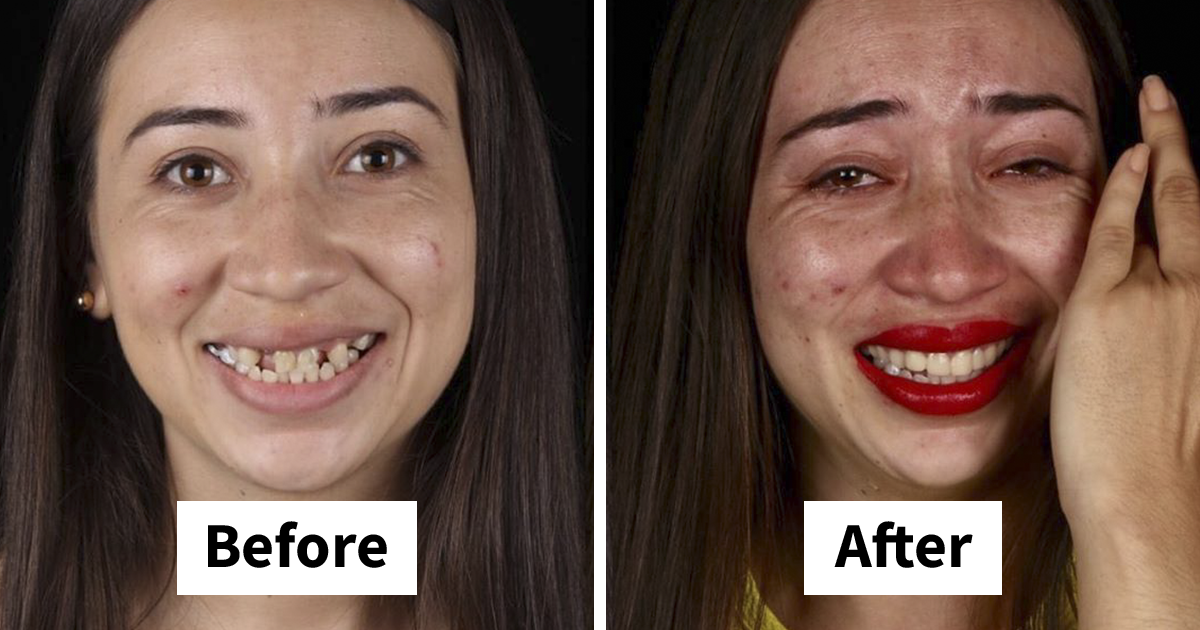
That is why the story of Brazilian dentist Dr. Felipe Rossi has captured attention far beyond the dental chair. Rossi, the founder of the nonprofit organization Por1sorriso, has traveled with volunteer teams to provide free dental care to people who could not otherwise afford treatment. His work became widely known through before-and-after smile transformation photos that show more than cosmetic change. They show relief, confidence, dignity, and in many cases, a person finally smiling without covering their mouth.
The title may sound like a feel-good internet story, and yes, it definitely has that “restore your faith in humanity before lunch” energy. But beneath the viral photos is a serious issue: dental care is health care, and too many people still treat it like a luxury item placed somewhere between spa days and gold-plated toaster ovens.
Who Is Dr. Felipe Rossi?
Dr. Felipe Rossi is a Brazilian dentist known for creating Por1sorriso, a nonprofit dental charity focused on bringing free oral care to vulnerable communities. Through organized missions, Rossi and his volunteer colleagues have offered services such as cleanings, restorations, root canals, and other essential treatments to people living in poverty or remote areas.
His mission is simple but powerful: restore smiles for people who have lived with dental pain, social shame, or limited access to professional care. The work has reached communities in Brazil and parts of Africa, including places where dental clinics are scarce and treatment costs are far beyond what many families can manage.
What makes the story so memorable is not only the dentistry itself. It is the emotional contrast between the “before” and “after.” In the first image, many people look tense, shy, or hesitant. In the second, the face changes. Shoulders relax. Eyes brighten. The smile arrives like it has been waiting backstage for years.
Why Free Dental Care Matters So Much
It is easy to underestimate oral health until a toothache shows up and starts behaving like a tiny villain with a hammer. Untreated dental problems can affect eating, speaking, sleeping, working, learning, and social relationships. A person with visible tooth damage may avoid job interviews, school photos, dating, public speaking, or even laughing in a group.
Dental disease is not just about appearance. Cavities, gum disease, and tooth loss can reduce quality of life and contribute to broader health challenges. Public health organizations have repeatedly emphasized that oral health is connected to overall well-being. When people cannot access dental care, small problems often become larger, more painful, and more expensive to treat.
For low-income families, the barriers are not hard to understand. Dental care may require money, transportation, time off work, childcare, insurance, and nearby providers. Remove even one of those supports and the appointment becomes difficult. Remove several, and the appointment becomes a fantasy. That is where mobile and volunteer dental missions can make an enormous difference.
The Power Behind the 30 Transformations
The 30 smile transformations associated with Rossi’s work are not just dramatic before-and-after photos. They represent different types of change that dental care can create in someone’s life. Some transformations may involve replacing missing teeth. Others may focus on restoring damaged teeth, cleaning, repairing decay, treating infection, or improving the appearance of a smile that a person has hidden for years.
Below are 30 types of transformations that help explain why this story resonates with so many people.
1. From Pain to Relief
For people with untreated dental infections or severe decay, treatment can mean the first pain-free day in months or even years.
2. From Hiding to Smiling
Many patients who once covered their mouths begin smiling openly after their teeth are restored.
3. From Shame to Confidence
A damaged smile can create deep embarrassment. A restored smile can help rebuild self-worth.
4. From Isolation to Connection
When people feel comfortable smiling, they may become more willing to interact socially.
5. From Job Anxiety to Opportunity
Confidence in appearance can help someone feel more prepared for interviews and workplace interactions.
6. From Difficulty Eating to Better Nutrition
Missing or painful teeth can limit food choices. Dental treatment can make eating easier and more comfortable.
7. From Emergency Problems to Planned Care
Volunteer dentistry often helps people who have waited until dental issues became urgent.
8. From Fear to Trust
Kind treatment can help patients who fear the dentist feel safer about future care.
9. From Silence to Laughter
A restored smile can bring back the simple joy of laughing without hesitation.
10. From “I Can’t Afford It” to “I Was Helped”
Free care removes the financial wall that keeps many people from treatment.
11. From Stigma to Dignity
Dental problems are often unfairly judged. Treatment reminds patients they deserve respect, not shame.
12. From Neglect to Prevention
After receiving treatment, patients may better understand daily habits like brushing, flossing, and regular checkups.
13. From Damaged Teeth to Restored Function
Restorations do more than improve looks. They help teeth work properly again.
14. From Hopelessness to Possibility
Some patients may believe nothing can be done. Seeing change happen can be life-altering.
15. From Invisible to Valued
Free dental missions tell underserved people: your health matters, and so do you.
16. From Temporary Fixes to Real Treatment
Many people rely on painkillers or home remedies. Professional care addresses the cause.
17. From Children Watching Pain to Families Seeing Hope
When adults receive care, children see that health problems can be treated with compassion.
18. From Broken Front Teeth to a Camera-Ready Smile
Visible front-tooth repair often creates one of the most dramatic emotional changes.
19. From Gum Problems to Healthier Habits
Cleanings and education can help patients understand gum health and plaque control.
20. From Avoiding Mirrors to Looking Again
After treatment, many people regain the courage to look at themselves with kindness.
21. From Dental Despair to Community Celebration
In underserved areas, one person’s transformation often encourages others to seek help.
22. From Limited Speech to Clearer Communication
Teeth affect speech. Restoring missing or damaged teeth can help some patients speak more comfortably.
23. From Exhaustion to Rest
Chronic tooth pain can interrupt sleep. Treatment can bring real rest back.
24. From Embarrassing Photos to Proud Memories
A smile makeover can change how someone feels about family pictures and life events.
25. From Dental Trauma to Gentle Care
Patients who have had bad experiences may begin to trust health professionals again.
26. From One Smile to a Ripple Effect
When someone receives help, the emotional impact often spreads through their family and community.
27. From Volunteers to Changemakers
The dentists, assistants, and organizers involved also experience transformation through service.
28. From Charity to Human Connection
The best missions do not treat people like projects. They treat them like neighbors.
29. From Viral Photos to Real Conversations
The images spark discussion about poverty, health care access, and the value of oral health.
30. From a Single Appointment to a New Beginning
For many patients, dental treatment becomes the first step toward renewed confidence and healthier living.
More Than Cosmetic Dentistry
One reason Rossi’s transformations are so powerful is that they challenge a common misunderstanding. Many people see smile makeovers and think only of beauty. But dental care is not just a beauty service. Teeth help people chew, speak, maintain facial structure, and avoid pain and infection.
Of course, appearance matters too. Pretending it does not would be like pretending nobody notices when their haircut goes wrong. A smile is part of how people present themselves to the world. When poor oral health changes that presentation, it can affect confidence, relationships, and daily participation in life.
The best part of this story is that it does not reduce patients to their teeth. Instead, it shows that teeth are connected to stories. A repaired smile may belong to a mother who wants to laugh with her children, a worker hoping to get hired, a young person tired of being teased, or an elder who wants to feel proud again.
The Bigger Problem: Dental Care Is Still Out of Reach for Many
Even in countries with advanced dental technology, access is unequal. Rural communities may lack nearby providers. Low-income families may delay care because of cost. Adults without dental insurance may wait until pain becomes unbearable. And when preventive care is missing, emergency care becomes the backup plan, which is a little like waiting for your kitchen to catch fire before buying a smoke alarm.
In underserved regions, the challenges can be even more intense. Clinics may be far away, supplies limited, and public health systems stretched thin. Some people may have never had a professional cleaning. Others may live with broken or infected teeth because treatment competes with food, rent, school costs, and transportation.
That is why projects like Por1sorriso attract attention. They do not solve the entire global dental access crisis, but they demonstrate what happens when skilled professionals bring care directly to people who need it most.
What Makes These Smile Transformations So Emotional?
The emotional reaction comes from contrast. Before treatment, the patient may look guarded. After treatment, the same person often appears brighter, lighter, and more comfortable being photographed. The difference is not only in the mouth. It is in the whole face.
There is also something universal about the story. Most people know what it feels like to be self-conscious, even if the reason is small. Now imagine carrying that feeling every day because of a visible health issue you cannot afford to fix. When that burden is lifted, the joy is easy to understand.
These transformations remind us that health care is deeply personal. A filling, crown, cleaning, or denture may sound ordinary on a treatment chart. In real life, it can mean attending a family celebration without hiding, applying for work with more courage, or smiling at a grandchild without turning away.
How Volunteer Dental Missions Work
Dental missions require much more than a dentist and a suitcase full of toothbrushes. Successful outreach often involves planning, screening patients, transporting equipment, sterilizing instruments, coordinating volunteers, managing supplies, and following safety protocols. Teams may include dentists, dental assistants, hygienists, translators, local organizers, and community leaders.
The work can be physically demanding. Volunteers may treat large numbers of patients in a short time, often in temporary clinical settings. They must balance speed with quality, compassion with efficiency, and immediate relief with long-term education. In short, it is not a casual weekend hobby unless your hobbies include logistics, dentistry, and heroic levels of coffee.
Still, the payoff is enormous. A mission can relieve pain, restore function, teach prevention, and connect communities with ongoing care resources. When done ethically, it also respects local needs and avoids the “drop in, take photos, disappear” approach that can make charity feel more like performance than partnership.
Lessons From Dr. Rossi’s Work
1. Talent Becomes More Powerful When Shared
Rossi’s story shows that professional skills can become tools of service. A dentist can give more than a brighter smile; he can give comfort, opportunity, and confidence.
2. Small Changes Can Create Big Life Shifts
A repaired tooth may seem small to an outsider. To the person receiving care, it can change how they eat, speak, work, and interact.
3. Visibility Can Inspire Action
The before-and-after photos are compelling because they make inequality visible. They show what untreated dental problems look like and what compassionate care can do.
4. Oral Health Deserves Public Attention
Dental care should not be treated as optional. Preventive services, education, and affordable treatment can reduce pain and improve quality of life.
Experiences Related to the Topic: What a Free Smile Transformation Can Feel Like
Imagine a person who has spent years mastering the closed-mouth smile. They know the angles. They know when to turn away. They know how to laugh quietly, how to place a hand over their lips, and how to avoid being the person in the front row of a photo. Their teeth may hurt, but the emotional discomfort can hurt too. Every conversation becomes a small calculation: Can they see my teeth? Did they notice? Are they judging me?
Now imagine that same person hearing that a volunteer dental team is coming to town. At first, there may be disbelief. Free dental treatment sounds too good to be true, especially to someone who has spent years pricing care they cannot afford. There may also be fear. Dental anxiety is real, and many people delay care not because they do not care about their health, but because they are afraid of pain, cost, or embarrassment.
The first appointment can feel overwhelming. A patient might sit in the chair with years of shame packed into one nervous smile. A compassionate dentist understands that the mouth is not just a set of teeth. It is connected to memory, identity, confidence, and sometimes trauma. The best care begins with respect: explaining what will happen, listening without judgment, and making sure the patient feels like a person, not a problem to be fixed.
During treatment, the experience may shift from fear to relief. Pain that once seemed permanent begins to feel solvable. A damaged tooth is repaired. A missing tooth is replaced. Stains are cleaned. Infection is treated. The patient may not know every technical term, and honestly, dental terminology can sound like a secret language invented by very serious people in lab coats. But they understand the feeling: something is changing.
The mirror moment is often the most emotional. That is the instant when a patient sees the new smile for the first time. Some laugh. Some cry. Some stare quietly because the reflection looks familiar and new at the same time. For a person who has avoided mirrors, that moment can feel like meeting themselves again.
Afterward, life does not magically become perfect. Dental care cannot erase poverty, fix every hardship, or solve every health barrier. But it can remove one heavy obstacle. The person may speak more freely, apply for a job, attend a social event, or smile in a family photo without rehearsing how to hide. That is why these transformations matter. They are not only about teeth. They are about re-entering life with less pain and more confidence.
For volunteers, the experience can be equally powerful. Dentists and assistants may arrive thinking they are giving treatment, but they often leave with a deeper understanding of health inequality. They see how preventable problems become severe when care is unavailable. They also see how quickly kindness can change the atmosphere in a room. A dental chair becomes more than equipment; it becomes a place where dignity is restored.
For communities, the impact can continue after the mission ends. People talk. They share what happened. They encourage neighbors to seek help. Children see adults being treated with care and may become less afraid of dentists. Local organizers learn what services are most needed. The best transformation is not one perfect smile; it is a community beginning to believe that oral health belongs to everyone.
Conclusion
The story of the Brazilian dentist who travels to treat the teeth of people in poverty for free is powerful because it combines skill, compassion, and visible results. Dr. Felipe Rossi and Por1sorriso remind us that dentistry is not only about polishing teeth until they shine like tiny kitchen tiles. It is about health, dignity, and the freedom to smile without fear.
The 30 transformations are moving because they show what happens when care reaches people who have been left out. Behind every restored smile is a human story: pain relieved, confidence rebuilt, and hope returned. In a world where bad news travels faster than a toddler with a marker near a white couch, stories like this matter. They show that professional talent can become public good, and that one smile can be the beginning of something much bigger.