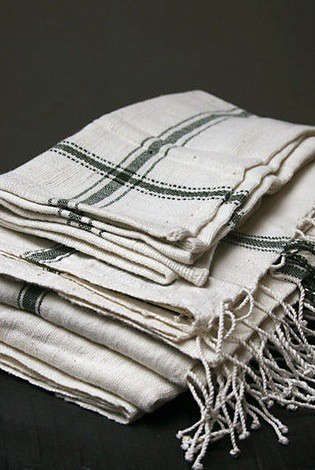
Some home collections whisper. An Ethiopian cotton collection usually does something better: it speaks in texture. Not loud, not flashy, not trying too hard to win a staring contest with your wallpaper. Just confident texture, beautiful hand, and the kind of quiet craftsmanship that makes people stop mid-sentence, reach out, and say, “Wait, what is this made of?”
That reaction makes sense. Ethiopian cotton has earned a loyal following in the design world because it bridges two things shoppers rarely get in one package: lived-in softness and strong visual character. In today’s market, the phrase Ethiopian Cotton Collection often points to a curated group of handwoven pieces such as throws, pillows, bath mats, towels, table linens, and sometimes scarves or blankets that combine traditional Ethiopian weaving techniques with modern colors, cleaner silhouettes, and easy-to-live-with styling.
In other words, this is not your average stack of basic cotton goods pretending to be special because someone added tassels. Ethiopian cotton collections tend to have an actual point of view. They celebrate natural fibers, artisan skill, tactile richness, and patterns that feel rooted in tradition without looking trapped in the past. That mix is exactly why these pieces keep showing up in design conversations, editor roundups, and stylish retail collaborations.
What Makes an Ethiopian Cotton Collection Stand Out?
The first thing is the fiber itself. Ethiopian cotton is often described as thick, soft, and full of body, which helps explain why it translates so well into throws, towels, pillows, and other textiles that are supposed to be touched, used, washed, and loved rather than admired from a safe museum distance. The texture tends to feel less slippery and overly polished than mass-produced cotton goods, and that is part of the charm. It has presence.
The second ingredient is the weaving tradition behind it. Many of the most admired pieces in an Ethiopian cotton collection are hand-spun, handwoven, and sometimes hand-dyed. That process creates subtle variation, visual depth, and the kind of texture that machines can imitate only in the same way a karaoke machine can imitate Aretha Franklin: technically possible, emotionally suspicious.
Then there is the design language. Ethiopian cotton collections often feature stripes, checks, grids, bands of color, tonal neutrals, and graphic motifs that feel architectural. Some lean soft and minimal, with creamy ivory, charcoal, stone, and sand. Others go brighter, introducing saffron, rust, cobalt, berry, gold, or layered black-and-white patterning. The common thread is balance. Even when the palette gets bold, the textiles usually remain elegant and grounded.
From Heritage Craft to Modern Home Style
One reason Ethiopian cotton collections feel so compelling is that they are not merely decorative. They are part of a larger story about craft, continuity, and reinterpretation. Designers and brands working in this space often draw on longstanding Ethiopian textile traditions while updating scale, color, and function for contemporary homes. That means a pattern that might have inspired a traditional garment or woven textile can reappear as a throw pillow for a Brooklyn brownstone, a bath mat for a minimalist bathroom, or a table runner in a California dining room.
That blend of old and new is a major reason the category has grown. Shoppers want homes with soul, but they also want pieces that fit into modern life. Ethiopian cotton collections answer both needs. They feel storied without becoming costume-like. They feel global without drifting into trend-chasing. They feel handmade without looking fragile or fussy.
A good collection also respects the intelligence of the customer. It does not ask you to choose between beauty and usefulness. It says, quite reasonably, “You may have both.” Imagine that.
Why Designers and Shoppers Keep Falling for It
1. The texture is the headline
Plenty of textiles look nice in photographs and then arrive at your door with all the charisma of a napkin. Ethiopian cotton tends to do the opposite. It photographs well, yes, but its real power shows up in person. The weave has dimension. The yarn has character. The finish feels human. Whether the piece is a towel, a pillow cover, or a bed runner, the hand-feel usually becomes the selling point.
2. It softens into daily life
Many Ethiopian cotton pieces are made to be used, not babied. That matters. A collection becomes more appealing when it can move from guest-room fantasy into actual life. Shoppers appreciate textiles that soften over time, become more absorbent with washing, and still hold onto their identity. Ethiopian cotton collections often hit that sweet spot between practical and precious.
3. The patterns feel timeless, not trendy
Another reason these collections work so well is their visual restraint. Even the boldest pieces usually rely on strong geometry rather than gimmicks. That makes them easy to mix into homes that are modern, eclectic, coastal, rustic, or quietly luxurious. A striped Ethiopian cotton throw can live happily on a leather chair, a linen sofa, or the foot of a bed without looking confused about its purpose.
4. They support a more thoughtful kind of shopping
Consumers are increasingly paying attention to how things are made, who makes them, and whether a product feels disposable. Ethiopian cotton collections appeal to that mindset because they often highlight artisan partnerships, natural materials, and slower production methods. That does not automatically make every product perfect, but it does create more transparency and meaning than your average mystery-fabric impulse buy.
What You’ll Usually Find in an Ethiopian Cotton Collection
A strong Ethiopian cotton collection is rarely just one item repeated in six colors and called a lifestyle moment. Instead, it usually spans multiple categories, allowing the material and the weaving tradition to show up throughout the home.
Throws and blankets
This is often where people fall in love first. Ethiopian cotton throws are lightweight enough to drape easily but substantial enough to add texture and warmth. They work for layering on sofas, accent chairs, and beds. The best ones look relaxed rather than sloppy, which is a harder trick than retail websites would have you believe.
Pillows
Pillows are a natural home for Ethiopian cotton because they showcase the weave up close. Graphic stripes, woven checks, tonal neutrals, and bold contrast patterns all perform well here. A single pillow can add structure to a room; a group can create rhythm without making the sofa look like it joined a marching band.
Bath mats and towels
This category deserves more respect than it gets. Ethiopian cotton bath textiles often combine absorbency, softness, and visual interest in a way standard terry rarely does. A handwoven bath mat or towel adds texture to a bathroom instantly, which is helpful because bathrooms are notorious for becoming cold, hard, and slightly too pleased with their own tile.
Table linens and kitchen textiles
Tablecloths, runners, napkins, and hand towels made from Ethiopian cotton bring warmth to dining spaces without making them feel overstyled. They are especially effective in homes that lean simple and neutral, where texture does the heavy lifting. A striped Ethiopian cotton tablecloth can make an everyday table setting feel intentional, while a set of woven hand towels can upgrade a kitchen faster than a dramatic speech about organization.
Scarves and wearable textiles
Some collections also extend beyond the home. Scarves, wraps, and shawls made from Ethiopian cotton or cotton blends show how versatile the material can be. These pieces often carry the same hallmarks as home textiles: handwoven texture, light drape, breathable comfort, and pattern with personality.
How to Style an Ethiopian Cotton Collection at Home
The easiest mistake people make with artisanal textiles is overexplaining them in the room. You do not need every object to announce that it has traveled, read poetry, and knows a ceramicist. Ethiopian cotton works best when it is allowed to bring texture and character naturally.
Start with one anchor piece. A throw at the end of the bed, a pillow on a neutral sofa, or a hand towel in a powder room can be enough to shift the mood of the space. Once you understand the palette and texture, add a second piece that complements rather than matches exactly. These textiles tend to shine when paired with wood, linen, clay, matte black metal, woven baskets, and natural stone.
In minimalist interiors, Ethiopian cotton adds warmth. In colorful homes, it adds structure. In traditional spaces, it offers a fresh counterpoint. In modern rooms, it keeps things from feeling sterile. That versatility is a big reason collections like this have staying power. They are not one-room wonders.
For bedrooms, consider a cotton throw or bed runner paired with simple bedding in white, oatmeal, charcoal, or muted earth tones. For living rooms, use one bold geometric pillow with one quieter textured pillow to avoid visual chaos. For bathrooms, swap generic mats and towels for woven versions that feel intentional. For dining spaces, a handwoven runner or tablecloth instantly makes the table feel more collected and less “I found this during a panic click at midnight.”
How to Shop an Ethiopian Cotton Collection Smartly
Not every product labeled “artisan” deserves your money, so it helps to shop with a little discernment. First, look at material details. Is it 100% Ethiopian cotton or a cotton blend? Neither answer is automatically wrong, but transparency matters. Second, read how the piece is made. Hand-spun and handwoven textiles usually have more dimension than flat, factory-made imitations.
Third, pay attention to function. Is the towel absorbent and machine washable? Is the throw lightweight or heavy? Is the pillow cover lined? Is the dye process explained? Good collections tend to answer practical questions clearly because they know beauty alone does not keep a textile in rotation.
Finally, think about how many jobs the piece can do. Some Ethiopian cotton throws can double as travel wraps or light bed layers. Some tablecloths can function as coverlets. Some hand towels are equally at home in kitchens and bathrooms. Versatility makes a collection feel more valuable and more livable.
Why the Ethiopian Cotton Collection Keeps Resonating
At its best, an Ethiopian cotton collection gives shoppers something the modern home market often forgets to offer: authenticity with polish. It proves that handmade does not have to mean rustic in a limiting way, and modern does not have to mean stripped of history. These textiles sit in that beautiful middle ground where story, utility, and design all get along.
That is also why they continue to resonate with editors, designers, and thoughtful consumers. The category fits the larger shift toward homes that feel personal, layered, and intentional. People want fewer throwaway goods and more pieces that age well, feel good, and spark conversation. Ethiopian cotton does that naturally.
And let’s be honest: in a world overflowing with fake texture printed onto synthetic fabric, the real thing is refreshing.
Living With an Ethiopian Cotton Collection: The Experience
Living with an Ethiopian cotton collection is less like decorating with objects and more like changing the atmosphere of a home one touchpoint at a time. The experience begins with the obvious thing: the feel. There is a softness to Ethiopian cotton that does not come across as slick or overly processed. It feels breathable, textured, and somehow both airy and grounded. The first time you pick up a handwoven throw or towel, you notice that it has personality. It bends differently. It drapes differently. It feels like someone made a decision at every step rather than feeding a design into a machine and hoping for the best.
That tactile quality changes the way you use things. A throw is no longer just an accessory arranged for company and then ignored for three weeks. It becomes the blanket you reach for during early coffee, movie night, a rainy afternoon, or the slightly dramatic “I’m reading tonight” mood we all pretend is a personality trait. A hand towel stops being background fabric and becomes part of the room’s rhythm. A pillow is not just color; it is texture against your arm, structure against a soft sofa, a visual pause in the room.
There is also an emotional experience tied to these pieces. Ethiopian cotton collections often bring warmth without heaviness. A room feels more relaxed, but also more considered. The textiles add a layer of humanity. They do not flatten the space into showroom perfection; they give it pulse. Even in a very modern room, a handwoven Ethiopian cotton piece can soften edges and make the whole environment feel more welcoming.
Another part of the experience is visual. These textiles have a way of catching light that mass-produced cotton often lacks. The weave creates tiny highs and lows, and the pattern reads differently throughout the day. Morning light might pull out the cream and flax tones. Evening light might deepen the charcoal, rust, or gold. It is subtle, but it keeps the textile alive in the space. That quality is especially rewarding in rooms that rely on natural materials and quiet contrast rather than loud décor tricks.
Then there is the satisfaction of living with things that do not feel disposable. You wash them, use them, fold them, toss them over a chair, move them from room to room, and they become more familiar rather than more forgettable. That is a rare quality in home goods. Many trendy purchases peak the day they arrive. Ethiopian cotton often does the opposite. It settles in. It becomes part of your routines. It earns its place.
Perhaps the best experience of all is that these pieces invite appreciation without demanding ceremony. They are beautiful, but they are not intimidating. They carry craft, but they are made for life. You do not have to save them for special occasions. In fact, they are often best when used daily, when the towel is slightly softened from laundering, the throw has taken on the folds of a favorite chair, and the pillow looks perfectly at ease rather than freshly staged. That is when an Ethiopian cotton collection feels most convincing: not in a product photo, but in a real home, doing real work, and making the everyday look better than it has to.
Final Thoughts
An Ethiopian cotton collection is more than a shopping category. It is a design approach built around natural fibers, handwoven texture, everyday usefulness, and cultural depth. Whether you are drawn to striped throws, graphic pillows, soft towels, or simple table linens, the appeal comes down to the same thing: these textiles feel alive. They bring warmth, material honesty, and visual richness into a home without trying too hard.
That is a rare combination, and it is exactly why Ethiopian cotton continues to stand out in a crowded market. It offers comfort with character, craftsmanship with relevance, and beauty that holds up after the photo is taken. For shoppers who want their homes to feel layered, modern, and genuinely lived in, this collection earns its place one woven piece at a time.