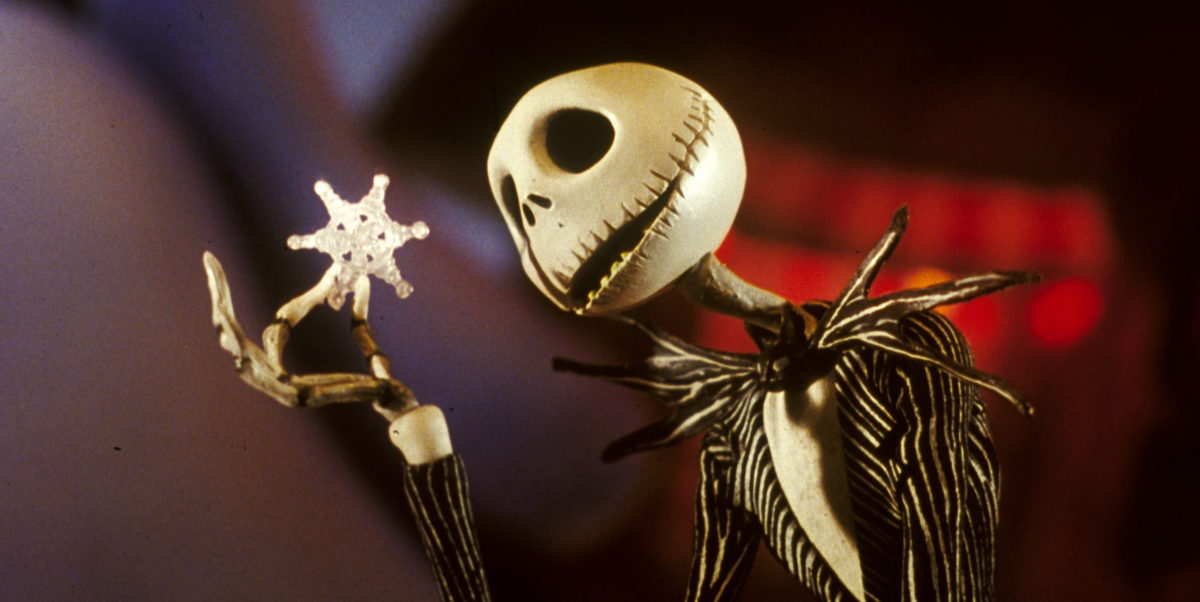
Few holiday debates can turn a cozy family movie night into a courtroom drama faster than this one: Is The Nightmare Before Christmas a Christmas movie or a Halloween movie? It sounds like a simple question until Jack Skellington struts into the room wearing pinstripes, singing about Halloween, kidnapping Santa, delivering terrifying toys, and somehow making both spooky-season people and Christmas-card people feel personally represented.
The 1993 stop-motion musical, directed by Henry Selick and produced from a story by Tim Burton, has become one of the rare films that can sit comfortably between a bowl of Halloween candy and a plate of Christmas cookies. It has skeletons, ghosts, vampires, witches, graveyards, and one very committed bogeyman. It also has Santa Claus, snow, presents, sleigh bells, Christmas Town, and a main character who becomes dangerously enthusiastic about holiday cheer. In other words, it is either the perfect two-holiday masterpiece or the cinematic equivalent of wearing a Santa hat to a haunted house.
So, what is the answer? The honest one: The Nightmare Before Christmas is both a Halloween movie and a Christmas movie, but it leans slightly more Halloween in style and slightly more Christmas in story. That is exactly why the debate refuses to diemuch like several characters in Halloween Town.
The Case for The Nightmare Before Christmas as a Halloween Movie
If you judge a movie by its atmosphere, The Nightmare Before Christmas arrives wearing a Halloween costume and never fully takes it off. The opening number, “This Is Halloween,” does not exactly whisper subtlety. It announces the film’s identity with dancing monsters, creepy creatures, jack-o’-lanterns, and enough spooky charm to make a haunted mansion ask for decorating tips.
Halloween Town Is the Movie’s Home Base
The story begins in Halloween Town, a world built entirely around scares. Jack Skellington is not just a random skeleton with excellent posture; he is the Pumpkin King, the celebrity-level mastermind behind Halloween. The town’s citizens include vampires, witches, werewolves, a rag doll, a mad scientist, a two-faced mayor, and Oogie Boogie, who appears to have been designed by someone who asked, “What if a burlap sack had jazz hands and serious villain energy?”
Most of the movie’s visual language belongs to Halloween. The color palette is dark, twisted, and gothic. The hills curl. The shadows stretch. The architecture looks like it had a long conversation with German Expressionism and came away slightly more dramatic. Even when the plot moves toward Christmas, the characters interpret everything through Halloween logic. Presents become shrunken heads, wreaths become menacing snakes, and holiday cheer gets filtered through the local motto: when in doubt, make it scream.
The Release Timing Supports Team Halloween
The movie’s release history also helps the Halloween argument. It premiered in October 1993 and reached wide theatrical release just before Halloween. That timing matters because studios usually do not release a movie full of monsters, pumpkins, graveyards, and a villain named Oogie Boogie in late October by accident. It was positioned perfectly for audiences craving something spooky but not too scary.
Over time, the film has become a seasonal favorite during October. Halloween playlists feature “This Is Halloween.” Stores fill up with Jack and Sally merchandise before trick-or-treaters hit the sidewalks. Disneyland’s Haunted Mansion Holiday blends the film’s characters into a seasonal attraction that celebrates both eerie and festive moods, but it begins its reign during the fall. Culturally, Jack Skellington has become one of Halloween’s unofficial mascots, somewhere between a carved pumpkin and that neighbor who starts decorating on September 1.
Some Creators Have Called It Halloween
The Halloween side also has heavyweight support. Director Henry Selick once called it a Halloween movie during a public Q&A. Composer Danny Elfman, who wrote the songs and provided Jack’s singing voice, has also said he personally sees it as a Halloween movie, even while acknowledging that the story is obviously about Christmas. When the man who sings “This Is Halloween” weighs in, Team Halloween gets to put a pumpkin-shaped trophy on the shelf.
The Case for The Nightmare Before Christmas as a Christmas Movie
Now let’s give the Christmas crowd its candy cane-shaped gavel. If you judge a movie by plot, theme, and emotional resolution, The Nightmare Before Christmas has a strong claim to being a Christmas movie. After all, the title is not The Nightmare Before Halloween. Jack does not discover Labor Day Town. The entire conflict begins because he falls in love with Christmas.
The Story Is About Jack Discovering Christmas
Jack’s crisis is not that he has lost the Halloween spirit. If anything, he is too good at Halloween. He has mastered every scream, every scare, every annual routine. His problem is creative burnout. Then he discovers Christmas Town, and the movie shifts into a story about wonder, longing, misunderstanding, and the danger of grabbing someone else’s holiday like it is the last cookie on the plate.
Christmas Town is presented as magical, warm, bright, and deeply mysterious to Jack. He studies it like a scientist who has found a new element called “Ho-ho-honium.” He wants to understand presents, stockings, snow, lights, and Santa Claus. His obsession with Christmas drives the entire plot. Without Christmas, there is no kidnapping of Santa, no skeletal reindeer, no disastrous toy delivery, and no final rescue mission.
The Climax Happens on Christmas Eve
Many classic Christmas movies are built around a holiday crisis. Someone misunderstands Christmas, loses Christmas, commercializes Christmas, steals Christmas, saves Christmas, or learns what Christmas really means while snow falls in a suspiciously perfect way. The Nightmare Before Christmas follows that structure more closely than people often admit.
Jack tries to take over Christmas and fails spectacularly. His gifts terrify children. The military shoots him out of the sky. Santa is trapped by Oogie Boogie. Christmas is nearly ruined. Then Jack realizes his mistake, rescues Santa, and restores the holiday to the person who actually knows how to run it. That is a very Christmas-movie arc: chaos, humility, redemption, and a renewed appreciation for joy, generosity, and belonging.
Christmas Changes Jack
The emotional heart of the film is not simply that Jack learns “do not steal Santa’s job.” That would be a workplace ethics seminar with songs. Jack learns that he does not need to abandon who he is to feel alive again. Christmas inspires him, but it also forces him to see his own identity more clearly. He returns to Halloween not defeated, but refreshed.
That message fits many Christmas stories. The season often becomes a mirror: characters discover what they lack, what they value, and whom they love. Jack’s experience brings him back to himself and opens his eyes to Sally, who has been quietly trying to keep everyone from turning Christmas into a haunted garage sale.
Why the Movie Works as Both
The reason The Nightmare Before Christmas remains so beloved is that it does not simply mix Halloween decorations with Christmas ornaments. It understands both holidays as emotional experiences. Halloween lets people explore fear, imagination, disguise, and mischief. Christmas is associated with wonder, generosity, family, tradition, and renewal. The film puts those two emotional worlds in conversation.
It Is a Story About Holiday Identity
Each holiday town in the film has a specific identity. Halloween Town scares. Christmas Town delights. The problem begins when Jack assumes he can transplant the surface details of Christmas into Halloween Town without understanding the spirit behind them. He copies the look but misses the meaning. That is why his Christmas becomes a mess: he has the sleigh, the suit, and the presents, but not the emotional grammar of the holiday.
This is where the film becomes surprisingly thoughtful. It suggests that traditions are more than decorations. A holiday is not just a playlist, a color scheme, or a seasonal aisle at the store. It is a shared language. Jack loves Christmas sincerely, but he tries to translate it using Halloween vocabulary. The result is hilarious, disastrous, and oddly relatable to anyone who has ever attempted an ambitious holiday project and ended up surrounded by hot glue, regret, and glitter.
The Visuals Say Halloween, the Plot Says Christmas
A simple way to settle the debate is this: the movie looks like Halloween but moves like Christmas. Its setting, characters, humor, and design are spooky. Its conflict, moral lesson, and climax are Christmas-driven. That balance is not a flaw; it is the secret recipe.
Think of it as a holiday layer cake. The frosting is Halloween: dark, quirky, creepy, and delightfully weird. The cake itself is Christmas: a story about rediscovering wonder, saving Santa, correcting selfish mistakes, and letting snow fall over a town that usually specializes in screams. Nobody should have to choose between frosting and cake. We are civilized people. We eat both.
What Genre Is The Nightmare Before Christmas?
Officially, the film is often described as a stop-motion animated musical fantasy with comedy, horror, and holiday elements. That genre blend matters because it proves the movie was never designed to fit neatly into one box. It is not pure horror. It is not a traditional Christmas comedy. It is not a simple children’s musical. It is a gothic fairy tale with seasonal identity issues, and that is meant as a compliment.
The stop-motion animation gives the film a handcrafted quality that still feels special decades later. Every crooked smile, stitched seam, and tiny movement contributes to its charm. The film’s Oscar nomination for visual effects also shows how technically remarkable it was for its time. Today, when computer animation can create entire galaxies before lunch, the tactile quality of The Nightmare Before Christmas still feels alive because viewers can sense the artists’ hands behind it.
Why Fans Keep Arguing About It
The debate continues because viewers use different definitions of a holiday movie. Some people define a Christmas movie by whether Christmas is essential to the plot. By that standard, The Nightmare Before Christmas qualifies. Remove Christmas and the story collapses like a gingerbread house in a rainstorm.
Other people define a Halloween movie by mood, imagery, and seasonal feeling. By that standard, the film also qualifies. Remove Halloween Town, Jack, Sally, Oogie Boogie, and the spooky citizens, and you no longer have the same movie. You have a confused Christmas special searching for its skeleton.
That is why both sides are right, depending on the rulebook. The film is Christmas by narrative engine and Halloween by artistic soul. It is the rare movie that can be watched on October 31, November 1, Thanksgiving weekend, Christmas Eve, or a random Tuesday when life needs more singing skeletons.
So, Is It More Christmas or More Halloween?
If forced to choose one, the best answer is: The Nightmare Before Christmas is slightly more of a Halloween movie because Halloween shapes its identity, characters, music, and visual world from beginning to end. However, it is also absolutely a Christmas movie because Christmas drives the plot, creates the central conflict, and delivers the emotional payoff.
In SEO-friendly plain English: The Nightmare Before Christmas is both a Christmas and Halloween movie, making it one of the best holiday crossover films ever made. That answer may not satisfy the person at the party who came prepared with a 42-slide presentation, but it is the answer that best respects the movie’s design.
The Best Time to Watch The Nightmare Before Christmas
The ideal viewing window begins in October and ends whenever your household stops humming “What’s This?” under its breath. Halloween night is perfect because the movie’s monsters and macabre jokes fit the mood. Early November works because the story captures the strange emotional bridge between spooky season and the winter holidays. December works because the Christmas storyline hits harder when lights, trees, and cookies are already in the room.
For families, it can become a two-season tradition: watch it once near Halloween for the scares, then again near Christmas for the heart. The first viewing belongs to pumpkins. The second belongs to snow. Jack Skellington, being a generous skeleton, can handle both.
Personal Experiences and Holiday Reflections: Why This Debate Is So Fun
One of the best things about the Nightmare Before Christmas debate is that it rarely feels mean-spirited. It is the kind of argument people enjoy having because nobody is truly losing. Team Halloween gets the opening song, the gothic designs, the monsters, the graveyard humor, and the fact that Jack Skellington is basically the patron saint of spooky elegance. Team Christmas gets the title, the Santa rescue, the Christmas Eve climax, the snow, the presents, and the emotional lesson about understanding the true spirit of a holiday.
In real life, the movie often becomes part of family tradition precisely because it refuses to stay in one seasonal lane. Some people first discover it as children during Halloween, when the creepy characters feel exciting but safe. It is spooky without being cruel, weird without being too frightening, and musical enough to soften the shadows. Years later, those same viewers may rewatch it in December and suddenly notice that Jack’s story is not only about pumpkins and skeletons. It is about exhaustion, curiosity, mistakes, and learning to appreciate what you already do well.
That is probably why adults keep returning to it. Jack’s boredom with Halloween feels familiar to anyone who has ever been good at a job, hobby, or role and still felt restless. He wants a new spark. He wants wonder. Unfortunately, his solution is to reorganize Christmas without consulting the Christmas department, which is a bold management strategy and also a lawsuit waiting to happen. Still, his longing is understandable. He is not trying to destroy Christmas; he is trying to feel inspired again.
Watching the movie around Halloween can feel like stepping into a playful haunted carnival. The jokes land differently when pumpkins are on porches and candy is waiting in plastic bowls. Oogie Boogie feels like the perfect seasonal villain, and Halloween Town seems like the place all decorations go after the stores put them on clearance. The songs have the energy of a costume party where every guest is a little too committed, in the best possible way.
Watching it near Christmas creates another experience. Suddenly, Christmas Town glows brighter. Jack’s wonder feels more touching. The snow at the end feels less like a visual gag and more like a gift. Sally’s quiet patience stands out. Santa’s return restores order, but Jack’s change of heart gives the movie warmth. It becomes a reminder that loving something does not mean possessing it. Sometimes respect is the real holiday magic, which is less catchy than “jingle bells” but far more useful.
Many viewers also connect with the film because it validates being a little unusual during the holidays. Not everyone experiences Christmas as pure sparkle, and not everyone experiences Halloween as pure fright. Some people love the cozy and the creepy at the same time. They want peppermint cocoa in a mug shaped like a skull. They want twinkle lights next to black candles. They want a Christmas tree with ornaments that look like tiny bats. The Nightmare Before Christmas gives those people permission to enjoy both moods without apology.
That is the real reason this question never gets old. The movie is not confused; it is generous. It gives Halloween fans a Christmas story and Christmas fans a Halloween world. It lets viewers decide what they need from it each year. One October, it may feel like the ultimate spooky-season musical. One December, it may feel like a strange but sincere Christmas classic. Either way, Jack is still singing, Sally is still wise, Zero is still the best ghost dog in cinema, and the holidays are better for having them.
Conclusion
So, is The Nightmare Before Christmas a Christmas or Halloween movie? The smartest answer is both, with a slight Halloween edge in style and a strong Christmas core in story. It begins in Halloween Town, travels through Christmas Town, and ends by showing that each holiday has its own magic. Jack Skellington’s mistake is not loving Christmas; it is assuming he can master it without understanding it. His journey gives the film its lasting charm.
Whether you watch it with candy corn, gingerbread, or a suspicious combination of both, The Nightmare Before Christmas remains one of the most beloved holiday movies because it refuses to choose just one season. It is spooky, sweet, funny, heartfelt, and beautifully strange. In other words, it is exactly what happens when Halloween and Christmas share a sleigh and neither one agrees to drive.