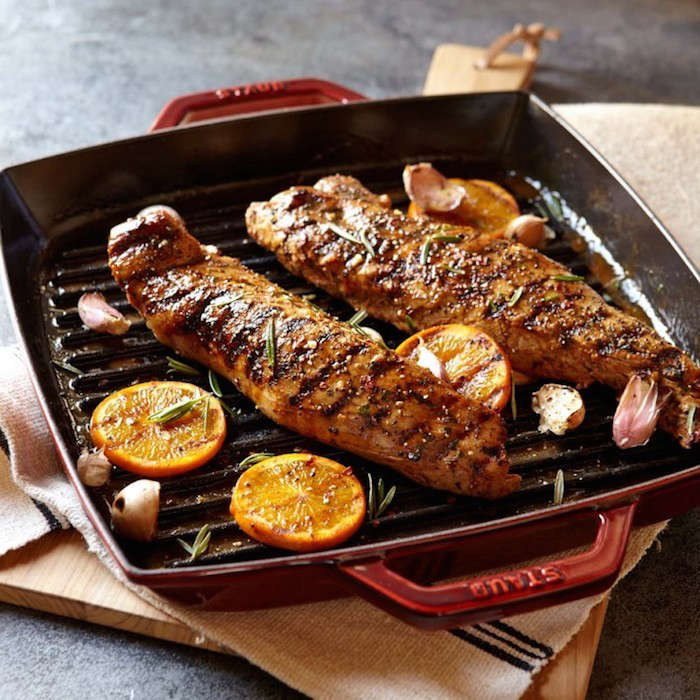
The Staub Cast-Iron Double-Handled Grill Pan is the kind of cookware that makes a weeknight chicken breast feel like it has suddenly developed vacation plans. It brings the drama of grill marks, the seriousness of French-made cast iron, and the convenience of indoor cooking into one sturdy pan. No backyard? No charcoal? No problem. This pan is built for cooks who want the flavor and texture of grilling without arguing with the weather, the smoke alarm, or a propane tank that mysteriously becomes empty the moment steak hits the menu.
Staub is known for premium enameled cast iron, and this grill pan follows the brand’s usual formula: strong heat retention, handsome oven-to-table design, and a textured matte-black enamel interior that does not require traditional seasoning. The double-handled design also gives it a practical advantage over long-handled grill pans, especially when moving it from stovetop to oven or carrying it to the table while wearing oven mitts.
This in-depth review explores what makes the Staub grill pan special, where it performs beautifully, where it asks for patience, and whether it deserves a permanent spot in your kitchen.
What Is the Staub Cast-Iron Double-Handled Grill Pan?
The Staub Cast-Iron Double-Handled Grill Pan is an enameled cast iron indoor grill pan designed to sear meat, poultry, fish, vegetables, sandwiches, fruit, and even bread. Instead of a flat cooking surface, it has raised ridges that lift food above the base of the pan. Those ridges create grill marks while allowing fat and juices to collect below the food rather than letting everything simmer in its own puddle.
Most shoppers will see this style in square or round versions, often in matte black, graphite grey, dark blue, cherry, or other Staub colors depending on the retailer and season. The key idea stays the same: it is a heavy, durable, heat-holding grill pan made for indoor grilling and high-heat browning.
Key Features at a Glance
- Material: enameled cast iron
- Interior: textured matte-black enamel
- Handles: two side handles for easier lifting and oven-to-table serving
- Cooking surface: raised grill ridges for searing and fat drainage
- Stovetop compatibility: gas, electric, ceramic, and induction
- Oven safety: commonly rated up to 500°F
- Care: dishwasher-safe on many listings, but hand washing is recommended
- Origin: made in France
Why Enameled Cast Iron Matters
Traditional bare cast iron has a loyal fan club, and rightly so. It gets hot, stays hot, and can last for generations. But it also needs seasoning, careful drying, and occasional maintenance. The Staub grill pan takes the heat performance of cast iron and adds an enamel coating that protects the pan from rust and eliminates the need for seasoning.
This is a major benefit for busy home cooks. You can wash it with soap, dry it thoroughly, and put it away without treating it like a tiny iron pet that needs emotional support. The matte-black enamel interior is not a slippery nonstick coating, so do not expect eggs to moonwalk across the surface. Instead, it is designed for browning, searing, and developing flavor.
The textured enamel also helps create better contact between the food and the pan’s ridges. When preheated properly, the Staub cast iron grill pan can leave strong grill marks on steaks, chicken thighs, zucchini strips, burgers, pork chops, shrimp skewers, and thick slices of sourdough.
Design and Build Quality
The first thing most people notice is the weight. This is not a flimsy pan that slides around like it is trying to escape dinner duty. It feels substantial, balanced, and serious. That weight is part of the performance: cast iron absorbs heat slowly but holds it exceptionally well once hot.
The double handles are one of the best design choices. A long handle can be useful on a standard skillet, but with a heavy grill pan, two side handles often feel safer and more balanced. They make it easier to lift the pan with both hands, move it into the oven, or carry it to the table. They also help the pan fit more neatly in cabinets because there is no long handle sticking out like a cookware antenna.
Raised Ridges for Grill Marks
The ridges are not just decorative. They concentrate heat where the food touches the pan, helping create those dark seared lines people associate with outdoor grilling. They also raise food above rendered fat and juices, which is especially helpful for burgers, sausages, bacon-wrapped foods, marinated chicken, and vegetables that release moisture.
That said, grill marks are not magic. The pan must be hot, the food must be dry, and the cook must resist the ancient human instinct to poke, wiggle, flip, lift, and inspect every twelve seconds. Put the food down, let it sear, and allow the pan to do its job.
Cooking Performance: Where This Pan Shines
The Staub Cast-Iron Double-Handled Grill Pan performs best when used for foods that benefit from intense surface heat. Steak is an obvious example. A well-preheated Staub grill pan can create a deep, flavorful crust while leaving the inside juicy. Chicken breasts and thighs also work well, especially when patted dry and lightly oiled before cooking.
Vegetables may be the secret star. Zucchini, eggplant, asparagus, bell peppers, mushrooms, corn ribs, and onions develop smoky-looking char lines and concentrated sweetness. Even if the flavor is not identical to charcoal grilling, the texture and appearance are far more exciting than steaming vegetables into sadness.
The pan is also excellent for sandwiches. A grilled cheese, panini, or pressed Cuban-style sandwich gets crisp ridges and a beautiful toasted look. Add a grill press if you want extra contact, but even without one, the pan can deliver a crisp exterior and melty center.
Best Foods to Cook in a Staub Grill Pan
- Ribeye, strip steak, filet mignon, and skirt steak
- Chicken breasts, thighs, and cutlets
- Pork chops and tenderloin medallions
- Salmon, tuna steaks, shrimp, and scallops
- Zucchini, peppers, onions, mushrooms, and asparagus
- Halloumi, paneer, and thick tofu slices
- Grilled peaches, pineapple, and romaine lettuce
- Panini, grilled cheese, and toasted flatbreads
How to Use the Staub Cast-Iron Double-Handled Grill Pan
The most important rule is simple: preheat slowly. Enameled cast iron does not love sudden thermal shock. Start on low or medium-low heat for a few minutes, then increase gradually to medium or medium-high. This helps the pan heat evenly and reduces the chance of food sticking too aggressively.
Once the pan is hot, brush food lightly with oil rather than pouring a large amount directly into the pan. Too much oil can pool between the ridges and smoke. A thin coating on the food gives better browning and less mess.
Simple Steak Method
- Pat the steak dry with paper towels.
- Season with salt, pepper, and a small amount of oil.
- Preheat the Staub grill pan gradually until hot.
- Place the steak on the ridges and leave it alone for several minutes.
- Rotate 45 degrees if you want crosshatch grill marks.
- Flip once, finish to your preferred doneness, and rest before slicing.
This same approach works for chicken, pork, and thick vegetables. Dry food, hot pan, minimal movement. That is the holy trinity of grill pan cooking.
Cleaning and Care
Cleaning a grill pan is slightly more work than cleaning a flat skillet. Those ridges that make your chicken look restaurant-worthy also create little valleys where browned bits can hide. The good news is that Staub’s enamel does not require seasoning, and mild soap is fine.
Let the pan cool before washing. Do not blast a hot pan with cold water unless you enjoy creating kitchen drama. Once it is warm or cool, use hot water, dish soap, and a nylon brush or non-scratch sponge. For stuck-on food, add warm water to the pan and let it soak briefly. You can also simmer a little water in the pan to loosen stubborn bits.
Although many listings describe Staub enameled cast iron as dishwasher-safe, hand washing is the better long-term move. Dishwashers can dull the exterior enamel over time, and a pan this handsome deserves better than being blasted next to cereal bowls and mystery forks.
Care Tips for Longer Life
- Preheat gradually instead of using sudden high heat.
- Use wooden, silicone, or nylon utensils when possible.
- Avoid steel wool and harsh abrasive cleaners.
- Let the pan cool before rinsing.
- Dry thoroughly before storing.
- Store with a pan protector or towel if stacking with other cookware.
Staub Grill Pan vs. Traditional Cast Iron Grill Pan
A bare cast iron grill pan is often less expensive and can develop a natural nonstick seasoning over time. It can also tolerate rougher handling. However, it requires more maintenance, especially after washing. If neglected, bare cast iron may rust.
The Staub enameled cast iron grill pan is easier to maintain because it does not need seasoning. It also has a polished, premium look that works well for serving at the table. The trade-off is cost and care: enamel is durable, but it can chip if abused. You should avoid banging metal utensils against it or dropping it into the sink like a medieval weapon.
For cooks who love low-maintenance cookware with strong heat retention, Staub is a compelling upgrade. For cooks who want the cheapest possible route to grill marks, a basic cast iron pan may be enough.
Pros and Cons
Pros
- Excellent heat retention for searing and browning
- Raised ridges create attractive grill marks
- Enameled interior requires no seasoning
- Works on gas, electric, ceramic, and induction cooktops
- Oven-safe for finishing foods or keeping dishes warm
- Double handles make lifting more secure
- Beautiful enough for oven-to-table serving
- Made in France with premium craftsmanship
Cons
- Heavier than aluminum or nonstick grill pans
- Premium price compared with basic cast iron
- Ridges take extra effort to clean
- Handles become hot during cooking
- Not as smoke-free as some nonstick indoor grill options
Who Should Buy the Staub Cast-Iron Double-Handled Grill Pan?
This pan is ideal for home cooks who want indoor grilling performance, premium materials, and cookware that looks as good as it cooks. It makes sense for apartment dwellers, steak lovers, vegetable grillers, induction cooktop users, and anyone who wants year-round grill-style meals without outdoor equipment.
It is also a strong choice for people who like cast iron performance but do not want the upkeep of raw cast iron. If you have avoided traditional cast iron because seasoning sounds like a part-time job, Staub’s enamel makes the experience more approachable.
However, it may not be the best choice if you want lightweight cookware, ultra-fast cleanup, or a budget pan for occasional use. The Staub grill pan is an investment piece. It rewards frequent cooking, proper care, and a little patience.
Practical Cooking Tips for Better Results
First, do not overcrowd the pan. Crowding traps steam, and steam is the enemy of a good sear. Cook in batches if necessary. Second, dry your ingredients carefully. Wet chicken or damp vegetables will steam before they brown. Third, use moderate oil. A light coating helps food release and brown, but too much oil creates smoke and splatter.
Fourth, learn your stove. Cast iron holds heat, so once the pan is hot, you may not need the burner as high as you think. Medium-high is often plenty. Finally, let food release naturally. If a steak or chicken breast sticks hard, it may not be ready to flip. Give it another minute and try again.
Extended Experience Notes: Living With the Staub Cast-Iron Double-Handled Grill Pan
Using the Staub Cast-Iron Double-Handled Grill Pan regularly changes the way you think about quick meals. At first, it feels like “special occasion cookware” because it is heavy, beautiful, and honestly a little intimidating. Then you realize it is just as useful on a Tuesday night when dinner needs to happen before everyone starts eating crackers over the sink.
One of the best experiences is cooking chicken. Plain chicken breasts can be deeply boring, the culinary equivalent of reading a printer manual. But when they are patted dry, seasoned with garlic powder, smoked paprika, salt, pepper, and a little olive oil, the Staub pan gives them defined grill marks and a more satisfying texture. Slice the chicken over salad, rice bowls, tacos, or pasta, and suddenly meal prep looks intentional instead of desperate.
Vegetables are another pleasant surprise. Thick zucchini planks, halved baby peppers, mushrooms, and red onion wedges come out with a lightly charred appearance and concentrated flavor. The pan makes vegetables feel less like a side dish apology and more like something people actually reach for first. A squeeze of lemon and a sprinkle of flaky salt at the end can make them taste bright and restaurant-like.
The double handles matter more than expected. With a long-handled cast iron pan, moving from stovetop to oven can feel awkward because all the weight pulls forward. The Staub double-handled design feels steadier. You still need oven mitts because the handles get hot, but the pan is easier to control with two hands. This is especially useful when the pan contains steaks, hot oil, or vegetables that you would rather not launch onto the kitchen floor.
Cleanup is the one area where expectations should be realistic. This is not a rinse-and-done pan. The ridges create grooves, and grooves collect flavorful little bits that later become stubborn little bits. The best habit is to clean it soon after it cools. Add warm water, let it sit, then use a nylon brush to work between the ridges. If you do that, cleanup is manageable. If you leave it overnight, congratulations: tomorrow you have a cooking project and an archaeology project.
Over time, the Staub grill pan becomes especially useful for meals that need texture. Toasted sandwiches, grilled shrimp, salmon fillets, pork chops, halloumi, and even peach halves all benefit from the pan’s heat. It also encourages simpler cooking. You do not need complicated sauces when good browning does half the work. A little salt, oil, heat, and patience can carry the meal.
The biggest lesson is that the pan performs best when treated like cast iron, not like nonstick. Preheat gradually, avoid rushing, and let food sear before moving it. Once you understand that rhythm, the Staub Cast-Iron Double-Handled Grill Pan becomes less of a luxury object and more of a reliable kitchen tool. It is not the lightest pan, the cheapest pan, or the easiest pan to scrub, but it brings a satisfying sense of craft to everyday cooking.
Conclusion: Is the Staub Cast-Iron Double-Handled Grill Pan Worth It?
The Staub Cast-Iron Double-Handled Grill Pan is worth considering if you want premium indoor grilling performance, serious heat retention, and an elegant design that can move from stovetop to oven to table. Its enameled cast iron construction makes it easier to maintain than traditional cast iron, while the raised ridges deliver the visual payoff of grill marks and the practical benefit of lifting food above excess fat.
It is not perfect. It is heavy, it costs more than basic grill pans, and cleaning the ridges takes effort. But for cooks who value durability, browning power, and beautiful cookware, Staub makes a strong case. Think of it as a year-round grill companion for people who want steakhouse vibes without standing outside in questionable weather holding tongs like a survival tool.
If you cook meat, fish, vegetables, sandwiches, or grill-style meals often, this pan can earn its space. Treat it well, preheat it patiently, and it may become one of those kitchen pieces you reach for far more often than expected.
SEO Tags
Note: Product specifications, colors, sizes, and availability may vary by retailer and model. Always confirm the exact product details before purchasing.