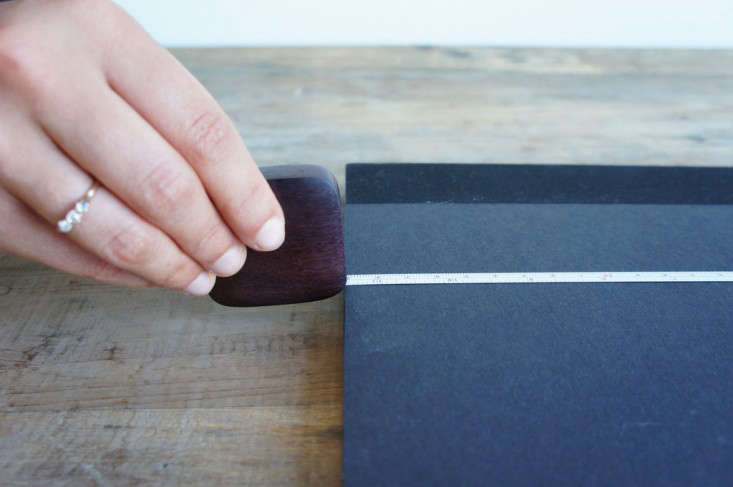
A rosewood tape measure sounds like the sort of object that belongs on a mahogany desk beside a fountain pen, a leather notebook, and someone who says “craftsmanship” without blinking. But it is more than a pretty little tool. A rosewood tape measure combines practical measuring function with the warmth, weight, and decorative charm of one of the most admired hardwoods in the world.
At its simplest, a rosewood tape measure is a measuring tape housed in, trimmed with, or styled around rosewood. Depending on the design, it may be a compact sewing tape, a pocket measuring tool, a handmade woodworking accessory, a decorative gift item, or a collectible desk tool. What makes it special is not only the tape inside, but the tactile pleasure of the case: dark reddish-brown grain, smooth polish, and a natural elegance that says, “Yes, I measure things, but I do it with class.”
In a world full of plastic gadgets and neon-yellow contractor tapes, the rosewood tape measure feels refreshingly intentional. It is for people who like tools that do their job and look good doing it. Think woodworkers, tailors, antique lovers, interior designers, crafters, architects, gift buyers, and anyone who has ever looked at a junk drawer and thought, “This could use a little dignity.”
What Is a Rosewood Tape Measure?
A rosewood tape measure is a measuring device that uses a flexible tape and features rosewood as a key design material. The tape itself may be made of cloth, fiberglass, plastic, or metal, while the outer case may be turned, carved, inlaid, or laminated with rosewood. Some versions are small and round, designed for sewing baskets and craft kits. Others are rectangular or box-shaped, intended as elegant desk accessories or luxury gifts.
The phrase can also refer to vintage-style measuring tools made with rosewood handles or wooden housings. These are especially appealing to people who enjoy traditional hand tools. While a modern rubberized tape measure may survive a tumble from a roof, a rosewood tape measure belongs more naturally in a studio, workshop, drawer, boutique, or carefully arranged tool chest where nobody uses a chisel as a bottle opener.
Why Rosewood Makes This Tool Feel Special
Rosewood has long been associated with fine furniture, musical instruments, luxury boxes, decorative veneers, and heirloom-quality objects. The name “rosewood” is commonly used for several dense, richly colored hardwoods, often from the Dalbergia genus, though not every wood sold under the rosewood name is botanically identical. What most varieties share is visual drama: deep brown, purple, red, black, or golden streaks running through the grain.
That grain is the star of the show. A rosewood tape measure does not need glitter, rhinestones, or a motivational quote printed in cursive. The wood already has personality. One piece may look like dark chocolate with espresso swirls. Another may glow with reddish warmth. Another may have black striping sharp enough to make a zebra jealous.
Durability and Density
Many rosewood species are dense and hard, which is one reason they have been used for musical instruments, handles, decorative objects, and furniture. In a tape measure case, that density can create a satisfying hand feel. It feels substantial without being clunky. It also gives the product an impression of permanence, which is exactly what you want from an object whose entire job is telling you whether your shelf is actually 36 inches or just emotionally 36 inches.
Natural Beauty
Rosewood is prized because it looks finished even before it is finished. After sanding and polishing, the grain can become glossy, deep, and almost three-dimensional. This makes it ideal for small tools and accessories, where a tiny surface must carry a lot of visual impact. A rosewood tape measure may be small, but it rarely looks cheap.
Common Types of Rosewood Tape Measures
Not all rosewood tape measures are made for the same person or the same task. Some are decorative and delicate; others are practical enough for daily measuring. Understanding the main styles helps you pick the right one instead of accidentally buying a gorgeous object that cannot survive your toolbox, your toddler, or your ambitious weekend project.
1. Sewing and Tailoring Rosewood Tape Measures
These are usually compact, lightweight, and fitted with a soft flexible tape. They are useful for measuring fabric, body dimensions, hems, curtains, quilts, and craft materials. A rosewood case adds a boutique feel, making the tool a lovely gift for sewists, fashion students, costume makers, and quilters.
2. Woodworking-Inspired Rosewood Tape Measures
Some tape measures are designed with woodworkers in mind, even if they are not heavy-duty construction tapes. They may feature a wooden casing, engraved markings, brass details, or a traditional hand-tool aesthetic. These are best for light shop use, layout planning, cabinet checks, and design work rather than rough framing.
3. Desk and Gift Tape Measures
A rosewood tape measure can also be a classy desk accessory. It is useful for measuring picture frames, notebooks, small furniture pieces, packaging, or random objects that suddenly become fascinating during a slow afternoon. These are often purchased as executive gifts, Father’s Day presents, stocking stuffers, or “I know you already have tools, but this one is pretty” gifts.
4. Vintage or Antique Rosewood Measuring Tools
Collectors may search for older measuring tools made with rosewood, brass, or other traditional materials. Vintage examples can vary widely in accuracy, so they are often appreciated more as collectible objects than as primary measuring instruments. They look wonderful on a shelf, but before using one to build cabinets, test it against a reliable rule. History is charming; inaccurate shelves are less charming.
How Accurate Is a Rosewood Tape Measure?
The accuracy of a rosewood tape measure depends on the tape, not the rosewood. The wooden case may be beautiful, but it does not magically make a stretched cloth tape honest. A high-quality measuring tape should have clear markings, consistent spacing, a stable blade or flexible strip, and a reliable end point.
For precision work, especially woodworking, metalworking, cabinetry, or technical layout, accuracy matters. Professional measuring tapes are often judged by tolerance standards, and even small errors can multiply across a project. A tiny mistake on one board becomes a bigger mistake when repeated across drawers, shelves, and trim pieces. This is how a “quick little project” becomes a philosophical crisis in the garage.
Check the End Hook
On retractable metal tape measures, the end hook is intentionally loose so it can compensate for inside and outside measurements. However, hooks can bend, loosen too much, or become unreliable. Many experienced woodworkers check the hook against a trusted steel rule or use the “burn an inch” method, starting from the 1-inch mark and subtracting later. Just remember to subtract correctly. Forgetting that step is how a 24-inch board becomes modern art.
Use One Tape for One Project
When consistency matters, use the same tape measure throughout a project. Two different tapes may vary slightly, especially if one is old, damaged, stretched, or cheaply made. If you measure with one tape and cut with another, you may invite chaos into your workshop wearing a tool belt.
Best Uses for a Rosewood Tape Measure
A rosewood tape measure is best when beauty and light-to-medium utility matter equally. It is not usually the first choice for roofing, concrete work, framing lumber, muddy job sites, or any task involving the phrase “throw me that tape.” But in the right setting, it is both useful and delightful.
For Sewing and Crafts
Rosewood tape measures work beautifully in sewing rooms and craft spaces. The smooth wooden case feels better than plastic, and the compact size fits neatly into a notions box. It can measure fabric, ribbon, waistlines, sleeve lengths, quilt blocks, embroidery hoops, and all those mysterious scraps of fabric that crafters swear they will use someday.
For Interior Design
Designers and decorators often need to measure small spaces, furniture, lamp bases, frames, shelves, and textiles. A rosewood tape measure looks professional without appearing industrial. Pulling one from a bag during a client consultation gives off a refined impression, as though you definitely know where the sofa should go.
For Woodworking Layout
In woodworking, a rosewood tape measure can serve as a light-duty layout tool, especially for measuring boards, checking rough lengths, or planning parts. For final precision, pair it with a steel rule, marking knife, combination square, or story stick. The best woodworkers know that measuring is only half the job; transferring the measurement cleanly is where the magic happens.
For Gifts and Collecting
A rosewood tape measure makes a memorable gift because it is useful, attractive, and uncommon. It suits people who appreciate handmade objects, traditional tools, sewing, woodworking, architecture, antiques, or desk accessories. Unlike novelty mugs, it does not scream “I panicked and bought this near the checkout line.”
How to Choose a Good Rosewood Tape Measure
When shopping for a rosewood tape measure, look beyond the word “rosewood” in the product title. The best choice should balance appearance, function, sourcing, and durability.
Look at the Tape Material
For sewing, a soft flexible tape is ideal. For household measuring, a retractable metal blade may be more useful. For decorative use, either can work as long as the markings are readable. Make sure the numbers are clear, the tape retracts smoothly, and the units match your needs. In the United States, inch markings are common, but metric markings are helpful for crafts, international patterns, and precision layout.
Check the Case Construction
A rosewood case should feel smooth, solid, and well finished. Watch for rough edges, uneven seams, weak retraction buttons, or loose decorative parts. If the tape measure uses brass or metal accents, they should be fitted cleanly. A beautiful wood case loses points if the tape jams every third pull like it is auditioning for a drama.
Ask About the Wood
Because many rosewoods are regulated or sensitive from a conservation standpoint, responsible sourcing matters. Reputable sellers should be transparent about the material, especially if the product uses genuine Dalbergia rosewood. Some modern products use alternative woods, reclaimed stock, veneers, or rosewood-style finishes to achieve the look without contributing to irresponsible harvesting.
Consider Size and Portability
A small round tape measure may be perfect for sewing but too short for room measurements. A longer retractable tape may be more practical for home projects but less elegant in a small craft kit. Match the length to the job. A 60-inch tailor’s tape and a 25-foot contractor tape are both measuring tools, but they live very different lives.
Rosewood, Sustainability, and Responsible Buying
Rosewood has a complicated history. Its beauty has made it desirable for luxury furniture, guitars, decorative objects, and specialty goods. That demand has also contributed to overharvesting and illegal trade in some regions. Because of this, several rosewood species are regulated under international trade rules.
For buyers, the practical takeaway is simple: choose responsibly sourced products. Look for clear descriptions, reclaimed wood, certified wood, legal sourcing statements, or reputable makers. Avoid suspiciously cheap “genuine rare rosewood” products that provide no details. When a price looks too good to be true, the tree may have paid the difference.
This does not mean every rosewood tape measure is automatically problematic. It means buyers should be thoughtful. A small accessory made from reclaimed or legally sourced wood can be a beautiful and responsible purchase. The goal is not to panic; it is to shop with both eyes open.
How to Care for a Rosewood Tape Measure
Rosewood is durable, but a tape measure case is still a small wooden object with moving parts. Treat it with reasonable care and it can stay attractive for years.
Keep It Dry
Avoid leaving a rosewood tape measure in damp areas, wet toolboxes, bathrooms, or outdoor spaces. Moisture can affect wood, finish, metal springs, and tape materials. If it gets wet, wipe it dry promptly and allow it to air out before storing.
Avoid Harsh Sunlight
Direct sunlight can fade or change the color of wood over time. Store your tape measure in a drawer, box, sewing kit, or shaded shelf. A little daylight is fine; roasting it on a windowsill like a tiny wooden pancake is not ideal.
Clean Gently
Use a soft dry cloth for routine cleaning. If needed, use a barely damp cloth and dry immediately. Avoid soaking the case, spraying cleaners directly onto it, or using abrasive pads. For finished wood, heavy oils and silicone polishes are often unnecessary and may leave residue.
Protect the Tape Mechanism
Do not yank the tape too aggressively or let it snap back violently. This can damage the spring, stretch a flexible tape, chip the case, or weaken the end tab. Let it retract smoothly. Yes, the snap-back sound is satisfying. No, the tool does not appreciate your percussion solo.
Rosewood Tape Measure vs. Regular Tape Measure
A standard contractor tape measure is built for rugged speed. It usually has a durable plastic or rubberized case, a locking blade, strong standout, bold markings, and job-site toughness. A rosewood tape measure is typically more refined, decorative, and personal. It is less about surviving drywall dust and more about making everyday measuring feel pleasant.
That distinction matters. If you are framing a house, buy the rugged tape. If you are measuring fabric, planning home décor, checking furniture dimensions, or gifting a tool lover something elegant, a rosewood tape measure makes more sense. In short: one belongs on a construction site; the other belongs where people still know where they put the good scissors.
Practical Measuring Tips for Better Results
No matter how handsome your rosewood tape measure is, good technique improves accuracy. First, keep the tape straight and flat against the object being measured. A sagging or angled tape can add error. Second, read the mark from directly above instead of from the side. Third, mark with a sharp pencil or marking knife when precision matters.
For woodworking, consider transferring measurements directly from one part to another instead of relying only on numbers. This traditional approach reduces arithmetic mistakes and keeps parts consistent. For sewing, avoid stretching a flexible tape tightly around curves unless the measurement specifically requires snugness. Fabric and bodies both dislike being treated like lumber.
Who Should Buy a Rosewood Tape Measure?
A rosewood tape measure is ideal for someone who enjoys beautiful tools and uses a measuring tape in gentle or moderate settings. It is especially suitable for sewists, quilters, crafters, interior designers, collectors, woodworkers, architects, stationery lovers, and people who appreciate heirloom-style accessories.
It is also excellent for gift-giving because it feels personal without being overly specific. You do not need to know someone’s shirt size, ring size, favorite candle scent, or complicated coffee order. If they make, design, decorate, sew, collect, or occasionally measure things while muttering, they can probably use it.
Common Mistakes to Avoid
Buying Only for Looks
Beauty matters, but function still counts. Make sure the tape is readable, smooth, and long enough for the intended use.
Assuming It Is Job-Site Tough
Most rosewood tape measures are not designed for rough construction. Treat them as refined tools, not indestructible bricks with numbers.
Ignoring Sourcing
Because rosewood can be sensitive from a conservation perspective, responsible buying is part of owning the material well.
Using It for High-Precision Work Without Checking
Always compare a new tape measure against a trusted ruler or known standard before relying on it for exact work.
Real-Life Experience: Living With a Rosewood Tape Measure
The first thing you notice about a rosewood tape measure is that people pick it up even when they do not need to measure anything. That is a surprisingly good test of design. Plastic tools are grabbed when necessary; beautiful tools are handled because they invite attention. A rosewood tape measure has that quality. It feels smooth in the hand, slightly weightier than expected, and far more charming than the average tape hiding in a kitchen drawer under batteries, rubber bands, and one mysterious Allen wrench.
In a sewing room, it changes the mood of small tasks. Measuring a hem or checking fabric width becomes a little more enjoyable because the tool feels intentional. It is the same reason people like good scissors, wooden thread racks, or ceramic pin dishes. The work may be practical, but the environment matters. When tools are beautiful, the process feels less like a chore and more like a ritual.
In a home office or design studio, a rosewood tape measure earns its keep during quick checks. How wide is that frame? Will this organizer fit on the shelf? Is the side table really 18 inches deep, or did the product listing exaggerate like a dating profile? A compact tape measure is easy to keep nearby, and the rosewood case makes it nice enough to leave on the desk instead of hiding it in a drawer.
For woodworking, the experience is a bit more nuanced. A rosewood tape measure can be wonderful for planning, rough layout, and checking dimensions, but it should not be the only measuring tool in the shop. Serious layout often benefits from a steel rule, square, marking gauge, story stick, or direct transfer method. Still, there is something satisfying about using a wooden-cased tape in a woodworking space. It visually belongs there. It feels like a cousin of the hand plane, the marking knife, and the old cabinetmaker’s rule.
The best use may be as a “clean hands” tape measure. Keep the rugged tape near the sawdust, glue, and outdoor projects. Keep the rosewood tape near the bench, desk, sewing basket, or design table. That way, it stays attractive while remaining genuinely useful. It becomes the tape you reach for when you are measuring carefully, not when you are crawling under a deck wondering why you agreed to help.
As a gift, the rosewood tape measure performs unusually well because it feels both practical and thoughtful. It says, “I know you make things,” without forcing the recipient into a specific hobby category. A quilter can use it. A decorator can use it. A collector can display it. A woodworker can appreciate it. Even someone who only occasionally measures furniture before online shopping can enjoy it. It is small, handsome, and useful enough to avoid the dreaded fate of many gifts: becoming clutter with a bow.
Over time, a rosewood tape measure can develop the kind of quiet familiarity that good everyday objects often gain. It may pick up tiny marks, a softened edge, or a richer patina from handling. That is part of the appeal. Unlike disposable tools, it does not feel temporary. It feels like something you might keep, lend carefully, and maybe even remember where you put. No promises, of course. Tape measures are famous for disappearing the moment you need them, which may be their only proven supernatural ability.
The overall experience is simple: a rosewood tape measure makes measuring feel less ordinary. It will not build the shelf for you, correct your math, or stop you from saying “measure twice, cut once” after already cutting wrong. But it brings beauty to a basic task, and that matters. Everyday tools shape everyday habits. When a tool feels good, looks good, and works well, you are more likely to use it carefully. That may be the real value of a rosewood tape measure: not just measurement, but a small reminder to slow down and get it right.
Conclusion
A rosewood tape measure is more than a measuring tool with a pretty case. It is a blend of function, craft, and visual warmth. It offers practical value for sewing, crafting, design, light woodworking, collecting, and gifting, while also bringing the richness of rosewood into everyday use. The key is choosing wisely: look for clear markings, smooth operation, good construction, and responsible sourcing.
If you need a job-site bruiser, choose a heavy-duty contractor tape. But if you want a measuring tool that feels personal, elegant, and useful, a rosewood tape measure is a small luxury that earns its place. It proves that even the humble act of measuring a shelf, sleeve, frame, or fabric panel can have a little style. And honestly, if we must keep measuring twice, we might as well enjoy the tool.