Note: This original article is written for web publication in standard American English and is based on real child-safety, hygiene, playground, and environmental-health guidance.
A backyard sandbox looks innocent: a square of sand, a few buckets, one plastic dinosaur missing a leg, and suddenly your child is the chief architect of a tiny civilization. But a sandbox is also an outdoor container that can collect moisture, leaves, insects, animal waste, broken toys, and mystery objects no parent wants to identify before coffee.
The good news? Keeping a sandbox safe and sanitary is not complicated. It does not require a hazmat suit, a laboratory, or a parent group chat meltdown. It requires the right sand, a good cover, regular inspections, handwashing, and a simple maintenance routine. Whether you have a small turtle-shaped sandbox on the patio or a large wooden play area in the yard, these 12 steps will help keep the space cleaner, safer, and more fun for kids.
Why Sandbox Safety Matters
Sand play supports creativity, sensory development, fine motor skills, and cooperative play. Children dig, scoop, pour, build, measure, pretend, negotiate, and occasionally declare themselves mayor of Sand Town. But because sandboxes sit outside, they need thoughtful care. Uncovered sand can attract cats, raccoons, rodents, insects, and other wildlife. Wet sand can become compacted and unpleasant. Debris can hide sharp objects. Dirty hands and toys can move germs from the sandbox to mouths, snacks, and faces in about three seconds flat.
A safe sandbox is not a sterile sandbox. Children are supposed to get a little dusty while playing outdoors. The goal is to reduce avoidable hazards: contaminated sand, unsafe materials, standing water, splinters, pests, and poor hygiene habits. Think of sandbox care as the backyard version of brushing teeth: quick, routine, and much easier than fixing a problem later.
How to Keep Your Sandbox Safe and Sanitary: 12 Steps
1. Choose the Right Location
Start with placement. A sandbox should sit in a level, well-drained area where adults can easily supervise play. Avoid placing it near garbage cans, compost piles, standing water, pet areas, bird feeders, or dense shrubs where wildlife may hide. A partly shaded spot is ideal because sand can become hot in direct summer sun, but avoid placing the box directly under messy trees that constantly drop sap, berries, twigs, or leaves.
If your home was built before 1978 or your yard may have contaminated soil, keep the sandbox away from bare soil near old painted structures, roads, garages, or peeling exterior paint. A clean sandbox can create a safer play zone, but only if it is protected from surrounding dirt and dust.
2. Build with Safe, Smooth Materials
The sandbox frame matters as much as the sand. Use smooth, sturdy, child-safe materials such as untreated cedar, redwood, plastic, or composite lumber designed for outdoor use. Avoid old railroad ties, salvaged industrial wood, and any material that may be treated with creosote or unknown chemicals. Those materials do not belong anywhere near small hands, bare legs, or snack time.
Check the frame for sharp corners, exposed screws, splinters, cracks, or loose boards. If you build a wooden sandbox, sand down rough edges and use hardware that sits flush. A sitting ledge can be helpful, but it should be wide and stable enough that children do not tip backward while negotiating the real estate rights to a sandcastle.
3. Use Clean, Washed Play Sand
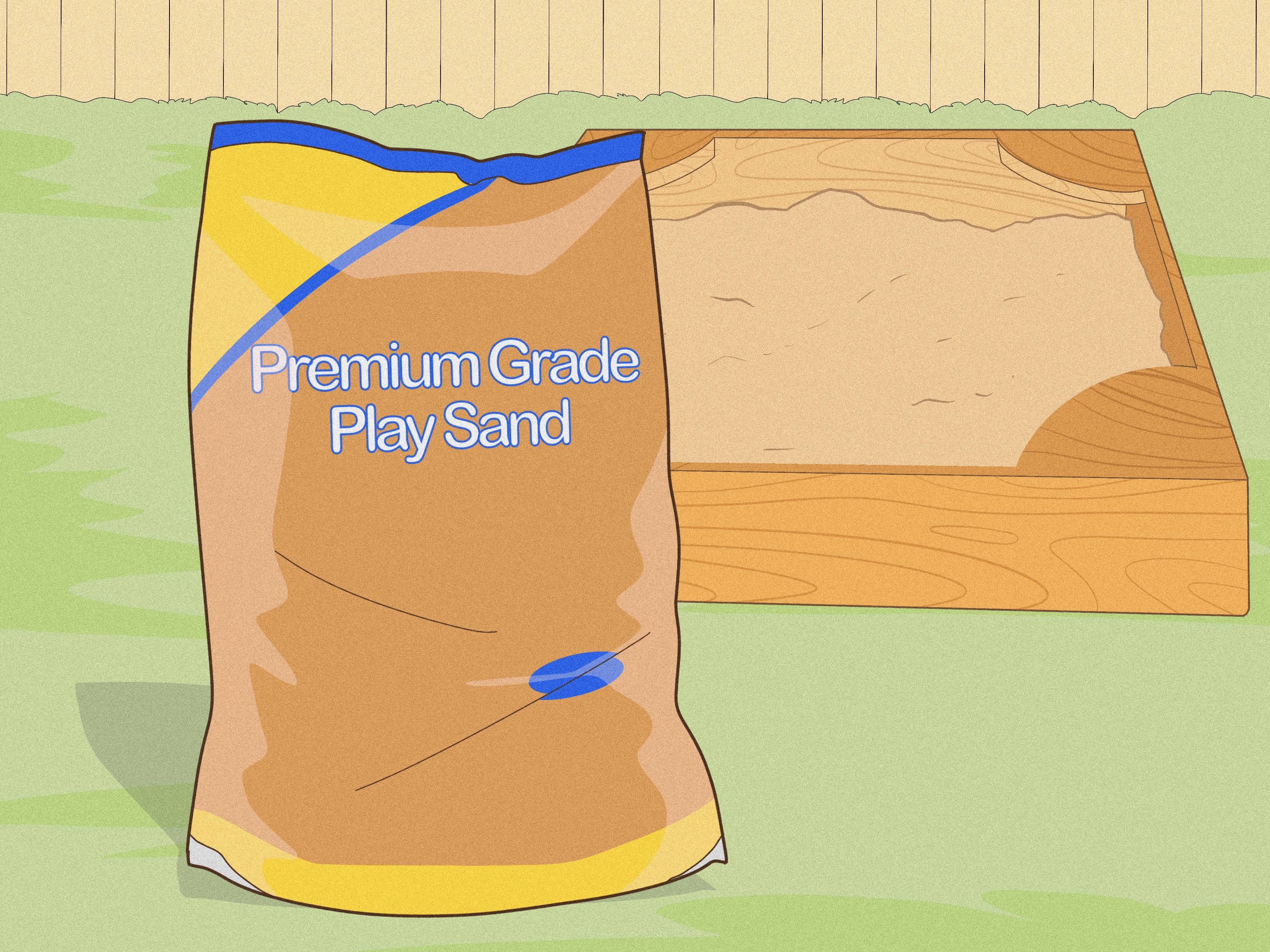
Not all sand is sandbox sand. Choose bagged play sand labeled for children’s sandboxes. Quality play sand is typically washed, dried, screened, and graded to remove larger particles and debris. Avoid construction sand, masonry sand, fill sand, beach sand, or sand from unknown outdoor sources. Beach sand may seem romantic until you remember it can contain shells, glass, organic debris, animal waste, and whatever vacationers left behind.
Before pouring new sand into the sandbox, inspect the bags. Do not use torn, wet, moldy, or contaminated bags. Once filled, the sand should be deep enough for digging but not so deep that toys disappear forever into the sandbox underworld. For most home sandboxes, several inches of sand is enough for scooping, molding, and imaginative play.
4. Install a Proper Drainage Layer
Water is one of the fastest ways to turn a cheerful sandbox into a compacted, sour-smelling mess. Good drainage keeps sand from staying soaked after rain. If your sandbox sits directly on the ground, place a landscape fabric barrier underneath before adding sand. This helps separate clean sand from soil while allowing water to drain.
Avoid using solid plastic sheeting under the entire sandbox unless you create drainage holes or a sloped base. Solid plastic can trap water and create a swampy layer underneath. If the sandbox is on a patio or deck, raise it slightly or use a design that allows water to escape. The goal is simple: rain goes out, mud stays out, sand dries naturally.
5. Cover the Sandbox Every Time It Is Not in Use
If there is one golden rule of sandbox hygiene, this is it: cover the sandbox. A fitted cover helps keep out cats, raccoons, rodents, birds, leaves, sticks, rain, and airborne debris. It also discourages the sandbox from becoming the neighborhood’s most exclusive animal restroom.
Choose a cover that is secure but breathable. A heavy tarp can block rain, but if it seals in moisture, it may encourage mildew or unpleasant odors. A rigid lid, ventilated cover, or fitted mesh-and-rain cover combination often works better. Make sure the cover cannot trap a child underneath. Covers should be easy for adults to use, secure in wind, and removed before play begins.
6. Inspect the Sand Before Play
Before children climb in, give the sandbox a quick scan. Look for animal droppings, insects, sharp objects, broken toys, cigarette butts, glass, leaves, mushrooms, or standing water. Use a small rake or shovel to gently turn the top layer and check for anything suspicious. This takes less than a minute and can prevent a lot of trouble.
If you find animal feces, do not simply scoop the visible piece and carry on as if nothing happened. Remove the contaminated sand around it, dispose of it safely, wash your hands, clean tools, and consider replacing more sand if contamination is widespread. If raccoon activity is suspected, be especially cautious because raccoon feces can carry parasites that are dangerous to humans.
7. Keep Pets Out
Even the family cat who “would never” absolutely might. Dogs may dig, bury toys, or track in dirt. Cats may treat uncovered sand like a luxury litter box with excellent ventilation. Keep pets out of the sandbox and train children not to bring pet toys into it.
If pets share the yard, the cover becomes even more important. Place the sandbox away from dog runs, litter box cleaning areas, and places where animals usually relieve themselves. After pet accidents nearby, clean the surrounding area before sandbox play resumes.
8. Wash Hands Before and After Sand Play
Handwashing is one of the simplest and most effective sandbox safety habits. Children should wash hands before play if they have been eating, using the bathroom, handling pets, or playing in dirt. They should wash again after sandbox time, especially before snacks or meals.
Soap and running water are best when hands are visibly dirty. Hand sanitizer can be useful when water is not available, but it does not remove sand, soil, or grime as well as washing. For young children, make handwashing part of the routine: “Shoes off, hands washed, snack next.” This works better than yelling “Don’t touch your face!” every 11 seconds, although every parent has tried.
9. Clean Sandbox Toys Regularly
Buckets, shovels, molds, trucks, and plastic animals spend a lot of time being buried, chewed, stepped on, and abandoned in rainstorms. Wash sandbox toys regularly with warm water and mild soap. Rinse well and let them dry completely before storing them.
Remove cracked toys, sharp-edged tools, rusty metal pieces, and anything small enough to pose a choking hazard for toddlers. Store toys in a covered bin instead of leaving them in the sand. A toy bin with drainage holes is helpful because wet toys sealed in a closed container can grow funky faster than leftover broccoli in a lunchbox.
10. Rake, Turn, and Air Out the Sand
Fresh air helps sand dry and reduces musty odors. After play, rake the sand to break up clumps and remove leaves or debris. On dry sunny days, leave the cover off for a short supervised period to let moisture evaporate. Then cover the sandbox again.
Do not soak the sandbox with water as a cleaning method. Wetting sand may make it better for castles, but too much moisture can create compaction and drainage problems. If children use water during play, keep it moderate and allow the sand to dry afterward.
11. Replace Sand When Needed
Even well-maintained sand does not last forever. Replace sand when it smells bad, stays wet, is contaminated by animal waste, contains many insects, has visible mold, or has mixed with soil and debris. Many families refresh sand once or twice a year, often in spring and late summer, depending on weather, use, drainage, and local wildlife.
After flooding, replace sandbox sand rather than trying to rescue it. Floodwater can carry sewage, chemicals, debris, and bacteria. If the sandbox has been submerged or exposed to runoff, remove the sand, clean the structure, allow it to dry, and refill with new play sand.
12. Set Simple Sandbox Rules
Rules help children enjoy sand play without turning the sandbox into a tiny demolition derby. Keep rules short and easy to remember:
- No throwing sand.
- No eating sand.
- No food or drinks in the sandbox.
- Keep shoes, dirty toys, and pet toys out if that is your family rule.
- Wash hands after playing.
- Tell an adult if you see poop, bugs, glass, or anything strange.
Children follow rules better when they understand the reason. “Sand stays low because eyes do not like sand” works better than a long lecture. For toddlers and preschoolers, repeat the same rules every time. For older kids, let them help inspect and rake the sandbox. Give them a job title if necessary. “Chief Sand Safety Officer” has a nice ring to it.
Extra Safety Tips for Different Weather Conditions
After Rain
Remove the cover, check for pooling water, rake the sand, and allow it to dry before play. If the sand smells sour or remains wet for days, drainage needs improvement.
During Hot Weather
Check sand temperature with your hand before children sit or dig. Provide shade, water breaks, sunscreen, and outdoor play times outside peak heat when possible.
After Windy Days
Inspect for branches, trash, sharp debris, and blown-in leaves. Wind can turn a sandbox into a collection basket for the entire neighborhood.
After Wildlife Sightings
If you see raccoons, stray cats, rodents, or repeated animal tracks near the sandbox, keep it covered, inspect carefully, and consider moving attractants such as pet food, birdseed, open trash, and fallen fruit away from the play area.
Common Sandbox Mistakes to Avoid
Using the wrong sand: Construction sand may contain rough particles or unwanted debris. Use play sand made for children’s sandboxes.
Leaving the sandbox uncovered: An uncovered sandbox is an open invitation to animals, leaves, rain, and mystery contamination.
Letting children eat while playing: Snacks plus sandy fingers equals a crunchy and unhygienic experience. Keep food outside the sandbox.
Ignoring drainage: If water cannot escape, sand stays wet, compacted, and unpleasant.
Keeping broken toys: Cracked plastic can create sharp edges and collect grime. Retire damaged toys quickly.
Assuming “outdoor” means “self-cleaning”: Sunshine helps, but it does not magically remove animal waste, trash, or germs. A little maintenance goes a long way.
How Often Should You Clean a Sandbox?
A practical sandbox cleaning schedule can be simple. Before every play session, inspect the sand and remove obvious debris. Weekly, rake and turn the sand, wash frequently used toys, and check the cover and frame. Monthly, inspect drainage, look for pests, tighten hardware, and remove any sand that has mixed heavily with soil or leaves. Seasonally, refresh or replace sand as needed and deep-clean the sandbox structure.
High-use sandboxes, childcare sandboxes, and public play spaces need more frequent attention than a small backyard sandbox used by one or two children. The more children, animals, rain, and falling leaves involved, the more often maintenance should happen.
When to Replace the Entire Sandbox
Sometimes replacing sand is not enough. Consider replacing the sandbox structure if the frame is rotting, splintering, unstable, moldy, or difficult to cover securely. A sandbox that cannot drain or cannot be sealed from animals will keep creating the same problems. Upgrading to a better design may save time, money, and frustration.
For families with very young children, choose a sandbox with rounded corners, a secure lid, and a size that allows easy adult reach. For older kids, a larger dig area may be worth it, but only if maintenance remains manageable. Bigger sandbox, bigger kingdom, bigger cleaning routine.
Real-Life Experience: What Actually Works for Keeping a Sandbox Clean
From real backyard experience, the biggest difference between a clean sandbox and a neglected one is not the price of the sandbox. It is the routine. The families who have the best luck usually make sandbox care automatic: uncover, inspect, play, rake, store toys, cover. That five-step rhythm prevents most problems before they become gross.
One useful habit is keeping a small “sandbox station” nearby. This can be as simple as a lidded plastic bin with a hand rake, small trash bag, toy brush, towel, and a bottle of water for rinsing tools. When everything is close, adults are more likely to do a quick cleanup instead of thinking, “I’ll come back later,” which is the famous last phrase before three weeks of leaves move in.
Another lesson: covers must be convenient. A cover that requires two adults, six clips, and the emotional strength of a camping trip will not be used consistently. The best cover is the one you can secure in under a minute. Rigid lids work well for small sandboxes. For larger wooden boxes, a framed mesh cover plus a rain-resistant tarp can be effective, especially if the area gets lots of leaves. Just make sure water does not pool on top, because pooled water attracts mosquitoes and can sag into the sand.
Parents also learn quickly that toys need boundaries. Leaving every bucket, truck, dinosaur, spoon, and unidentified plastic treasure in the sand makes cleaning harder. A separate toy bin keeps the sandbox easier to rake and helps toys dry. It also makes it obvious when something breaks. If a shovel cracks or a truck loses a sharp plastic wheel, it can be removed before a child finds it with bare feet.
Handwashing is another routine that works best when it is not treated as optional. Kids resist random instructions, but they accept patterns. “After sandbox, we wash hands” becomes normal when it happens every time. Some families keep a small outdoor handwashing setup near the play area, while others make the bathroom sink the official final stop before snacks. Either way, the rule should be boringly consistent.
Weather teaches its own lessons. After heavy rain, even a covered sandbox may need drying time. If sand is damp but clean, rake it and let it air out on a sunny day. If it smells bad, has flood exposure, or shows signs of animal contamination, replace it. Trying to save questionable sand is rarely worth the worry. Fresh play sand is cheaper than wondering what your child just sat in.
Wildlife prevention is mostly about removing invitations. Secure trash lids, avoid leaving pet food outside, clean up fallen fruit, and keep birdseed away from the sandbox area. Raccoons, rodents, and stray cats are not impressed by your parenting standards. They are impressed by easy food, shelter, and quiet corners. A tidy yard makes the sandbox less interesting to them.
Finally, involve children in simple maintenance. Preschoolers can help put toys in the bin. Older kids can help rake, spot leaves, and report anything unusual. This turns sandbox care into part of play rather than a boring adult chore. It also teaches children that fun spaces deserve care. A sandbox is a tiny construction site, art studio, bakery, dinosaur dig, and moon base. Keeping it clean protects all of those adventures.
Conclusion
A safe, sanitary sandbox does not need to be perfect. It needs to be covered, drained, inspected, cleaned, and filled with the right sand. By choosing safe materials, keeping animals out, washing hands, maintaining toys, and replacing sand when needed, you can give children a play space that feels wonderfully messy without becoming truly dirty.
The best sandbox care routine is the one you can actually follow. Keep it simple, keep it visible, and make it part of every play session. With a little attention, your backyard sandbox can stay what it is meant to be: a place for castles, roads, pretend cupcakes, dinosaur excavations, and childhood memories that do not require a disinfecting panic afterward.