Walking looks simple. You stand up, move one foot, then the other, and suddenly you are a fitness person with excellent taste in sidewalks. But while walking is one of the easiest, cheapest, and most underrated forms of exercise, it is not completely mistake-proof. Small habitsslouching, overstriding, wearing tired shoes, staring at your phone like it owes you moneycan turn a healthy walk into a less effective or even uncomfortable routine.
The good news? Most common walking mistakes are easy to fix once you notice them. Better posture, smarter pacing, supportive shoes, and a little planning can help you walk farther, feel better, burn more energy, and reduce your risk of aches, trips, and “Why does my knee sound like bubble wrap?” moments.
This guide breaks down the most common walking mistakes, explains why they matter, and shows you how to correct them with practical, real-world tips.
Why Walking Technique Matters More Than People Think
Walking is low-impact, accessible, and beneficial for heart health, endurance, mood, balance, and weight management. Health organizations commonly recommend at least 150 minutes of moderate-intensity aerobic activity per week, and brisk walking is one of the easiest ways to reach that goal. But “easy” does not mean “automatic.” If your walking form is inefficient, your body may work harder in the wrong places.
Think of your body like a car. Good alignment helps everything run smoothly. Poor alignment makes the tires wear unevenly, the engine complain, and the driver question their life choices. Walking with poor form can create extra stress on the feet, knees, hips, back, shoulders, and neck. Even if you are not injured, bad habits can limit your speed, endurance, and enjoyment.
1. Wearing the Wrong Shoes
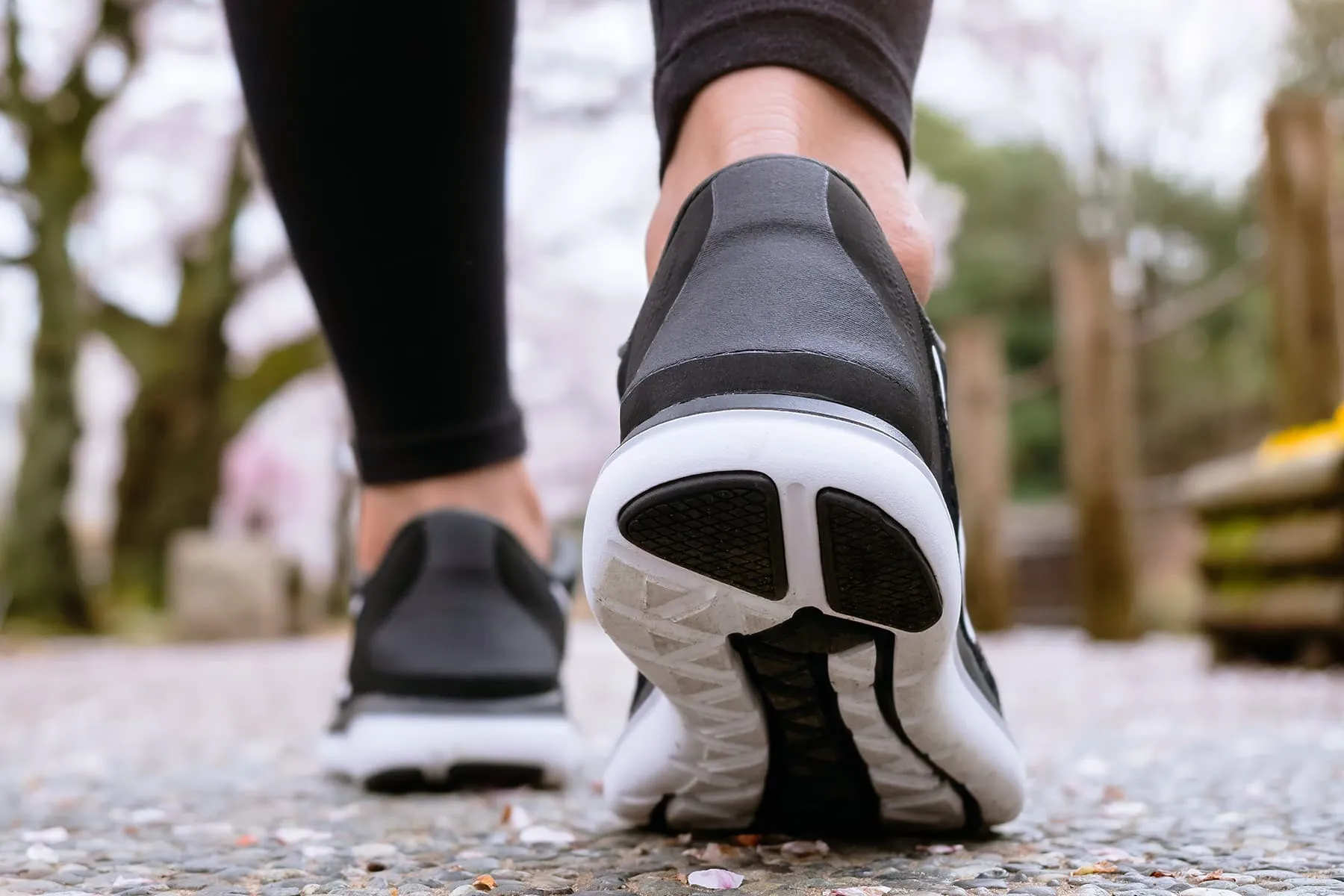
One of the biggest walking mistakes is treating any shoe as a walking shoe. Old sneakers, flat fashion shoes, unsupportive slip-ons, and shoes with worn-out soles can all make walking less comfortable. Your feet absorb force with every step, so footwear matters.
Why It Is a Problem
Poor shoes can contribute to blisters, heel pain, arch discomfort, knee strain, and unstable footing. Shoes that are too tight may rub and irritate the skin. Shoes that are too loose can cause sliding, toe gripping, and balance issues. If the soles are worn unevenly, your stride may change without you realizing it.
How to Fix It
Choose walking shoes with cushioning, arch support, a stable heel, flexible soles, and enough room in the toe box. Shop later in the day if your feet tend to swell. Replace walking shoes when the support feels flat, the tread is worn, or the heel leans to one side. A good walking shoe should feel comfortable immediately; it should not require a dramatic “break-in journey” worthy of a survival documentary.
2. Slouching While You Walk
Many people bring their desk posture outside. Shoulders roll forward, the head drops, the chest collapses, and the walk becomes less “healthy outdoor movement” and more “human question mark.”
Why It Is a Problem
Slouching can make breathing less efficient, strain the neck and upper back, and reduce your arm swing. It may also shift your center of gravity forward, which can affect balance and increase the chance of tripping, especially on uneven ground.
How to Fix It
Walk tall without being stiff. Imagine a string gently lifting the crown of your head. Keep your eyes forward, chest open, shoulders relaxed, and ribs stacked over your hips. Your posture should feel confident, not military. You are walking for wellness, not reporting to sidewalk inspection duty.
3. Looking Down Too Much
Checking the ground occasionally is smart, especially on cracked sidewalks or trails. But staring straight down for an entire walk can create neck tension and poor posture.
Why It Is a Problem
Looking down pulls the head forward, which increases strain on the neck and shoulders. It also reduces your awareness of what is aheadpeople, bikes, cars, dogs, low branches, or that one sprinkler with personal boundaries issues.
How to Fix It
Keep your gaze about 10 to 20 feet ahead. Scan the ground with your eyes rather than dropping your whole head. This helps you maintain posture while still noticing obstacles.
4. Overstriding
Overstriding means taking steps that are too long, usually with the front foot landing far ahead of the body. Many walkers do this when they try to go faster.
Why It Is a Problem
A long stride can create a braking effect. Instead of moving smoothly forward, your front leg lands like a stop sign. This may increase stress on the heels, shins, knees, hips, and lower back. It can also make walking feel clunky and tiring.
How to Fix It
To walk faster, increase your cadence rather than stretching your stride. Take slightly quicker, shorter steps and let your foot land closer under your body. Your stride should feel smooth and rolling, not like you are trying to step over an invisible puddle every two seconds.
5. Swinging Your Arms Incorrectly
Your arms are not decorative accessories. They help balance your body, support rhythm, and improve walking efficiency. But many walkers either barely move their arms or swing them wildly across the body.
Why It Is a Problem
Too little arm movement can limit momentum. Too much cross-body swinging can rotate the torso excessively and waste energy. Tight fists and raised shoulders can also create tension in the neck and upper back.
How to Fix It
Bend your elbows around 90 degrees and swing your arms naturally forward and back, not across your chest. Keep hands relaxed, as if you are lightly holding potato chips you do not want to crush. Your shoulders should stay low and easy.
6. Walking Too Slowly for Your Goal
A casual stroll is still movement, and it absolutely countsespecially if you are starting from a sedentary routine. But if your goal is cardiovascular fitness, weight management, or endurance, walking at the same leisurely pace every time may limit your results.
Why It Is a Problem
Moderate-intensity walking usually means your heart rate rises, your breathing becomes faster, and you can talk but not sing comfortably. If every walk feels as easy as browsing the cereal aisle, your body may not be getting enough challenge to improve fitness.
How to Fix It
Use the talk test. During a brisk walk, you should be able to speak in sentences but not belt out a full Broadway number. Add intervals by walking faster for 30 to 60 seconds, then returning to an easier pace. Repeat several times. This keeps walks interesting and helps improve stamina.
7. Doing Too Much Too Soon
Motivation is wonderful. Motivation plus brand-new shoes plus a sudden five-mile walk after months on the couch? That is how calves file complaints.
Why It Is a Problem
Rapidly increasing distance, speed, hills, or frequency can overload muscles, tendons, joints, and feet. Common warning signs include shin pain, heel pain, knee soreness, hip discomfort, and unusual fatigue.
How to Fix It
Build gradually. Start with a distance and pace you can complete comfortably. Increase total walking time by small amounts each week. Add hills, speed, or longer routes one change at a time. Rest days are not laziness; they are part of the training plan.
8. Ignoring Warm-Ups and Cool-Downs
Because walking feels natural, people often skip the warm-up. That may be fine for a gentle stroll, but if you are doing brisk walking, hills, or intervals, your body appreciates a transition period.
Why It Is a Problem
Starting too fast can make your muscles feel tight and your breathing feel rushed. Ending abruptly after a hard walk may leave you lightheaded or stiff.
How to Fix It
Begin with 5 minutes of easy walking before increasing pace. Finish with 5 minutes of slower walking. Afterward, stretch calves, hamstrings, hip flexors, and feet if they feel tight. No need to perform a full yoga retreat in the drivewayjust give your body a polite beginning and ending.
9. Walking the Same Route at the Same Pace Forever
Routine helps build consistency, but too much sameness can lead to boredom and fitness plateaus. Your body adapts to repeated effort.
Why It Is a Problem
If you walk the same flat route at the same speed every day, your endurance may improve at first and then stall. Mentally, the routine can become dull, making it easier to skip walks.
How to Fix It
Mix it up. Try a hill route, park path, neighborhood loop, treadmill incline, or interval day. Add one longer walk each week if your body tolerates it. Variety challenges different muscles and keeps your brain from saying, “Ah yes, mailbox number 47 again.”
10. Holding Tension in the Shoulders and Hands
Some walkers unknowingly hike their shoulders toward their ears or clench their fists. This often happens in cold weather, during fast walking, or when people are concentrating.
Why It Is a Problem
Tension wastes energy and may contribute to neck, shoulder, and upper-back discomfort. It can also interfere with natural arm swing.
How to Fix It
Every few minutes, do a quick tension check. Drop your shoulders, loosen your jaw, soften your hands, and breathe deeply. Your walk should energize you, not turn you into a moving stress sculpture.
11. Staring at Your Phone
Walking while texting is common, but it is not exactly peak human performance. Your pace slows, posture collapses, and awareness drops.
Why It Is a Problem
Phone distraction increases the risk of trips, collisions, and unsafe road crossings. It also changes your walking form by pulling your head and shoulders forward.
How to Fix It
Use audio for music, podcasts, or directions, but keep the volume low enough to hear your surroundings. Stop walking if you need to type. For safety, treat crosswalks like crosswalksnot like bonus scrolling zones.
12. Forgetting Hydration and Weather Planning
Short walks may not require much preparation, but longer walks, hot weather, cold weather, and high humidity deserve attention.
Why It Is a Problem
Dehydration, overheating, sunburn, poor visibility, and slippery surfaces can turn a healthy habit into a risky outing. In cold weather, overdressing can lead to sweating, then chilling. In hot weather, underestimating heat can cause dizziness or exhaustion.
How to Fix It
Bring water for longer walks or warm days. Wear breathable layers, sun protection, and reflective gear when visibility is low. Choose safe, well-lit routes and watch for uneven surfaces. If the weather looks dramatic enough to deserve background music, adjust your plan.
13. Using Weights the Wrong Way
Carrying hand weights or wearing ankle weights may seem like an easy upgrade. More weight equals more results, right? Not always.
Why It Is a Problem
Hand weights can change arm swing and increase strain on shoulders, elbows, and wrists. Ankle weights may alter gait and stress the knees, hips, or lower back. For many people, they add risk without much benefit.
How to Fix It
If you want more challenge, increase pace, add hills, use intervals, or include separate strength training sessions. If you prefer weighted walking, consider a properly fitted weighted vest and start light. People with joint pain, balance concerns, or medical conditions should ask a qualified professional before adding load.
14. Ignoring Pain
There is a difference between normal effort and pain. Mild muscle fatigue is expected. Sharp, persistent, or worsening pain is not a badge of honor.
Why It Is a Problem
Ignoring pain can turn a minor irritation into a longer-term injury. Heel pain, shin pain, swelling, numbness, chest discomfort, unusual shortness of breath, or dizziness should not be brushed aside.
How to Fix It
Slow down, shorten the walk, switch surfaces, check your shoes, and rest when needed. If pain continues, worsens, or affects daily life, consult a healthcare professional. Your body sends warning signals for a reason; it is not just being dramatic for attention.
15. Skipping Strength and Balance Training
Walking is excellent, but it does not train every muscle equally. Strong legs, hips, glutes, core, and feet support better walking mechanics.
Why It Is a Problem
Weak hips or core muscles can contribute to poor alignment, lower-back discomfort, knee stress, and balance issues. Lack of strength training may also limit walking speed and endurance.
How to Fix It
Add simple strength exercises two days per week: squats to a chair, calf raises, step-ups, glute bridges, side leg lifts, and gentle core work. Balance drills, such as standing on one foot near a sturdy surface, can also support safer walking.
16. Treating 10,000 Steps as a Magic Number
Step goals can be motivating, but 10,000 steps is not a universal requirement. Some people benefit from fewer steps, especially beginners, older adults, or people managing joint pain. Others may enjoy more.
Why It Is a Problem
Chasing a number at all costs can lead to overuse, frustration, or ignoring how your body feels. Fitness should improve your life, not turn your watch into a tiny wrist boss.
How to Fix It
Use step counts as feedback, not judgment. If you currently walk 3,000 steps per day, increasing to 4,000 or 5,000 may be meaningful. Focus on consistency, comfort, pace, and gradual progress.
17. Poor Treadmill Habits
Treadmills are convenient, but they create their own walking mistakes. Holding the rails, leaning forward, setting the incline too high, or walking too fast can reduce benefits and increase strain.
Why It Is a Problem
Holding the rails changes posture and reduces natural arm swing. Too much incline may stress calves, Achilles tendons, and lower backs. Speed that is too fast may cause overstriding or unsafe footing.
How to Fix It
Use the rails only for balance when needed. Stand tall, choose a pace you can control, and increase incline gradually. Clip on the safety key if available. The treadmill should feel like training, not like a conveyor belt audition.
How to Walk Better: A Simple Form Checklist
- Keep your head up and eyes forward.
- Relax your shoulders and keep your chest open.
- Bend your elbows and swing arms forward and back.
- Land with your foot close to your body, not far ahead.
- Take shorter, quicker steps when increasing speed.
- Wear supportive, comfortable walking shoes.
- Warm up, cool down, and progress gradually.
- Pay attention to pain, weather, hydration, and surroundings.
Real-Life Experiences: What Common Walking Mistakes Feel Like
One of the easiest ways to understand walking mistakes is to imagine everyday walkers, because most problems do not begin with a dramatic injury. They begin quietly. For example, someone starts walking after dinner to lose weight and improve energy. The first week feels great. By week two, they decide more is better and jump from 15 minutes to 60 minutes a day. At first, they feel proud. Then the heel starts aching in the morning. The knees feel cranky on stairs. Suddenly, the walking habit feels less like self-care and more like a negotiation with body parts.
The lesson is not that walking is dangerous. The lesson is that progression matters. A smarter experience would be adding 5 to 10 minutes at a time, choosing comfortable shoes, and taking rest days. Many people succeed not because they walk the farthest on day one, but because they walk again on day two, day ten, and day one hundred.
Another common experience involves posture. Picture a busy professional who spends all day at a computer. They head outside for a brisk walk, but their shoulders stay rounded, their head leans forward, and their phone remains in one hand. After 30 minutes, their legs feel fine, but their neck feels like it has been holding a meeting with gravity. Once they begin walking tall, looking ahead, relaxing the shoulders, and saving texts for stops, the same route feels easier.
Then there is the “weekend warrior walker.” This person does very little movement Monday through Friday, then tries to make up for it with a giant Saturday walk. The intention is admirable, but the body usually prefers consistency over surprise parties. A better plan is to add shorter walks during the week and keep the longer weekend route at a comfortable pace.
Shoe mistakes are also easy to recognize. Many walkers use old running shoes that look fine from above but are worn down underneath. They may notice one foot rolling inward, one knee feeling irritated, or new blisters appearing. Replacing shoes, choosing the correct size, and wearing proper socks can make walking feel dramatically better.
Finally, many walkers learn that pace changes everything. A slow stroll can clear the mind, but a brisk walk challenges the heart and lungs. The best routine often includes both: easy walks for recovery and stress relief, brisk walks for fitness, and occasional hills or intervals for variety. Walking is not about perfection. It is about paying attention, making small corrections, and building a routine your body actually wants to repeat.
Conclusion
Walking is one of the most practical forms of exercise, but the way you walk matters. Common walking mistakespoor posture, wrong shoes, overstriding, phone distraction, skipped warm-ups, and doing too much too sooncan reduce your results and increase discomfort. Fortunately, the fixes are simple. Stand tall, choose supportive footwear, use a natural arm swing, build gradually, stay aware of your surroundings, and listen when your body gives feedback.
The best walking routine is not the most extreme one. It is the one you can do consistently, safely, and enjoyably. Walk with purpose, not punishment. Your heart, joints, mood, and future self will appreciate every well-placed step.
Note: This article was created from synthesized guidance from reputable U.S. health, medical, fitness, and safety organizations. It is educational content and should not replace personalized advice from a healthcare professional.