Love can make people feel brave, hopeful, awkward, dramatic, and occasionally like they are starring in a secret indie movie nobody asked for. So if you are wondering whether it is okay to hide a relationship from your parents, you are definitely not the first person to ask. The honest answer is not a simple yes or no. Sometimes privacy is normal. Sometimes secrecy is a warning sign. And sometimes keeping a relationship hidden is less about romance and more about safety.
That is why this question deserves a grown-up answer, not a cheesy slogan. In many cases, hiding a relationship from your parents is understandable, especially in the early stages when you are figuring out your own feelings. But if the relationship stays secret for a long time, or if the secrecy is driven by fear, pressure, or manipulation, it can become emotionally exhausting and unhealthy. The goal is not to shame anyone for keeping something private. The goal is to figure out whether the secrecy is protecting your peace or slowly wrecking it.
Privacy and Secrecy Are Not the Same Thing
Let’s clear up the biggest confusion first. Privacy is healthy. Secrecy can get messy.
Privacy means you are allowed to keep some parts of your life personal while you decide what you want, how you feel, and when you are ready to talk. That is normal. Not every crush needs a press conference. Not every new relationship needs a family meeting with snacks.
Secrecy, on the other hand, usually comes with stress. It often means you are actively hiding, lying, covering tracks, or splitting your life into two different versions. One version is for the people who know. The other version is for the people who do not. That takes energy. A lot of it. Over time, it can turn a relationship that should feel warm and supportive into one that feels tense, risky, and weirdly administrative.
If your relationship requires constant excuses, secret accounts, fake alibis, or that stomach-drop feeling every time your phone lights up, you are probably not dealing with simple privacy anymore.
When Hiding a Relationship Can Be Understandable
There are situations where keeping a relationship from your parents makes emotional sense, at least for a while. The key word is understandable, not automatically ideal.
1. You are still figuring out whether the relationship is even real
In the beginning, some relationships are barely a relationship. You like each other, you text a lot, your brain turns into a microwave whenever their name appears, but you are still figuring out what this is. It is reasonable not to announce anything until you know whether this is serious, casual, or just a three-week chapter that will soon be replaced by a playlist and regret.
2. Your parents tend to overreact
Some parents hear the word “dating” and instantly act like civilization is collapsing. If you know the first reaction will be intense, dramatic, or full of assumptions, it makes sense to wait until you are ready for the conversation. Timing matters. So does emotional preparation.
3. Your family has strict cultural or religious expectations
In many families, relationships are not viewed as purely personal choices. They are connected to values, tradition, gender expectations, religion, and family reputation. In that kind of environment, someone may hide a relationship not because they are doing something wrong, but because the emotional stakes feel huge. This does not make them dishonest by nature. It makes them human and stuck in a difficult balancing act.
4. You are worried about your safety or stability
This is the most serious category. If telling your parents could realistically lead to emotional abuse, threats, being kicked out, being controlled, being isolated, or being put in danger, secrecy is not just a romantic choice. It becomes a safety issue. In that case, the better question is not “Should I confess?” It is “Who is safe for me to talk to?” A trusted adult, school counselor, relative, therapist, or mentor may be the right starting point.
When Keeping It Secret Is Probably Not a Good Sign
Now for the other side of the story. Sometimes secrecy is not protecting the relationship. It is protecting a problem.
1. Your partner wants the relationship hidden indefinitely
This is one of the clearest red flags. If one person insists the relationship stay secret forever, ask why. Are they embarrassed? Are they already involved with someone else? Are they trying to avoid accountability? Are they isolating you from people who care about you? A healthy relationship can survive daylight. It does not need to live permanently like a raccoon in a dumpster behind a restaurant.
2. You feel anxious more than happy
A relationship should not feel perfect all the time, but it should not regularly leave you jumpy, insecure, or isolated. If hiding the relationship makes you feel jealous, ashamed, nervous, or emotionally disconnected from everyone else, that is worth taking seriously.
3. Secrecy is being used to control you
If your partner says things like “Don’t tell your parents, they’ll ruin this,” or “No one understands us, it’s me and you against the world,” be careful. That can sound romantic in movies, but in real life it can be a setup for control. Isolation is not intimacy. A healthy partner does not need to cut you off from your support system.
4. You are lying all the time
One small omission can become ten bigger lies very quickly. Once the secret requires constant deception, the relationship may start damaging your trust with the people around you, especially if those people are generally safe and caring. That does not mean parents must know every detail of your life. It means a relationship should not force you into a double life.
What Your Parents Might See That You Do Not
This part is annoying, but important. Parents are not always right. However, they are not always wrong either.
If your parents dislike your relationship, it is worth asking whether they are reacting to the idea of you dating, or to something specific about the person you are dating. Those are very different situations.
Sometimes parents object because they are controlling, overly strict, or struggling with the fact that you are growing up. Other times, they may notice things you have minimized: disrespect, pressure, jealousy, manipulation, mood swings, insults disguised as jokes, or the way your partner talks to you when things do not go their way.
You do not have to obey every parental opinion like it came engraved on stone tablets. But if several trusted people are raising the same concern, pause before dismissing it. When the people who care about you all notice the same smoke, there may actually be a fire.
Questions to Ask Yourself Before You Decide
If you are not sure whether hiding your relationship is okay, ask yourself these questions:
- Am I keeping this private for a short time, or hiding it long term?
- Do I feel calm about this choice, or constantly stressed?
- Is the secrecy my idea, our mutual choice, or mostly my partner’s demand?
- Do I feel more connected to my support system, or more cut off from it?
- Would I feel relieved if a trusted adult knew?
- Am I afraid of disappointment, or afraid of actual harm?
- If my best friend were in this exact situation, what would I tell them?
That last question is sneaky, but useful. We are often much wiser about other people’s lives than our own.
How to Talk to Your Parents If You Decide to Tell Them
If you decide disclosure is the healthier move, do not choose the worst possible moment. That means not during a screaming match, not when someone is late for work, and ideally not during a family event where one weird uncle is already yelling about politics.
Pick the setting carefully
Choose a relatively calm time. A car ride, walk, quiet evening, or one-on-one conversation may go better than a dramatic group reveal.
Keep it simple
You do not need a courtroom speech. Try something direct: “I want to tell you something important. I’ve been seeing someone, and I was nervous to bring it up because I didn’t know how you’d react.”
Say what you need
If you want them to listen first, say that. If you want less interrupting and more breathing, say that too. Families are not mind readers. Most are barely decent text responders.
Expect emotion, not instant perfection
Even loving parents may need time. Surprise can come out as anger, fear, or too many questions too quickly. Their first response may not be their best response. Give the conversation room to breathe.
What to Do If Telling Your Parents Does Not Feel Safe
Not every family is emotionally safe. That is simply true. In some homes, openness is encouraged. In others, honesty comes with punishment, humiliation, rejection, or fear.
If that is your situation, you do not need to force a risky conversation just to prove you are honest. Instead, focus on support and stability.
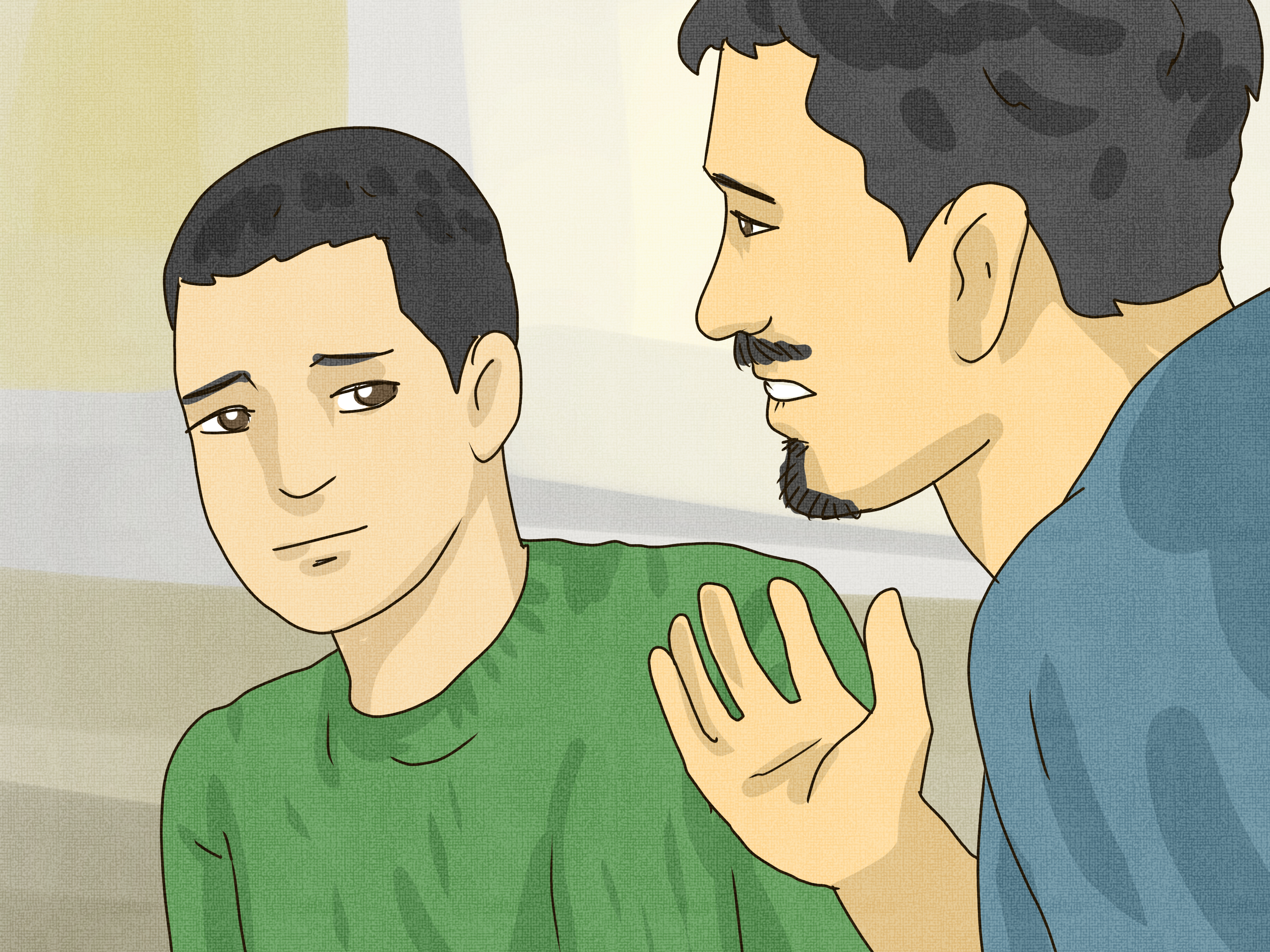
Talk to someone who is more likely to respond with care and practical help. That could be a school counselor, older sibling, aunt, uncle, coach, therapist, youth leader, or another trusted adult. The goal is not to build a perfect movie scene. The goal is to make sure you are not carrying a heavy situation alone.
This matters even more if the relationship involves intense conflict, pressure, controlling behavior, or fear. If the relationship itself feels unsafe, secrecy only makes it easier for problems to grow in the dark.
So, Is It Okay?
Sometimes, yes. Permanently, usually no.
It can be okay to keep a relationship private for a while when you are still figuring it out, preparing for a difficult conversation, or protecting yourself in an unsafe family situation. But a healthy relationship usually moves better in an environment where at least one trustworthy adult or support person knows what is going on.
If the secrecy is making you feel smaller, more isolated, more dishonest, or more controlled, it is probably not serving you. If it is giving you time to think clearly, protect your peace, and make safe choices, that is different.
The real question is not just whether it is okay to hide a relationship from your parents. The real question is what the secrecy is costing you, and whether there is a safer, healthier way to carry the truth.
Final Thoughts
Relationships are supposed to add something good to your life: warmth, support, growth, laughter, maybe even those ridiculous grins you get from reading one text message five times. But if a relationship can only survive in hiding, it is fair to ask why.
You do not owe the entire world access to your private life. You are allowed boundaries. You are allowed timing. You are allowed to protect yourself. But you also deserve a relationship that does not trap you between fear and secrecy.
If your parents are imperfect but basically safe, honest conversation is often healthier than long-term hiding. If your home situation is unsafe, your first job is not confession. It is support. Either way, the best relationships are not the ones that force you to disappear. They are the ones that let you stay fully yourself.
Experiences People Commonly Describe When They Hide a Relationship
Many people who keep a relationship from their parents describe the first stage as thrilling. Everything feels more intense because it is private. Text messages seem more meaningful. Small moments feel huge. There is a sense of “this is ours,” and for a little while that can feel exciting rather than stressful. Some say the secrecy almost tricks them into believing the relationship is deeper than it is, simply because it feels dramatic. The hidden quality can make ordinary dating look like a grand emotional adventure.
Then the middle stage often starts. This is where the mental juggling begins. People talk about checking their phones too quickly, deleting messages, changing names in contacts, inventing reasons to go out, and constantly thinking two moves ahead. Even when nothing bad is happening, they feel like they are always on alert. Some describe guilt because they are lying to parents who genuinely care about them. Others describe resentment because they feel they should not have to hide in the first place. It becomes less about romance and more about management.
Another common experience is loneliness. This surprises people. They assume being in a relationship means feeling less alone, but secrecy can create the opposite effect. You may not feel free to talk honestly when you are confused, hurt, or unsure. You cannot easily ask for advice. You may feel cut off from the people who usually help you think clearly. If the relationship is good, you cannot celebrate it openly. If the relationship is bad, you may feel stuck protecting it. That is a rough deal either way.
Some people also realize that hiding the relationship changes how they see their partner. A caring partner may understand your fear and respect your pace, without pressuring you. An unhealthy partner may use the secrecy to gain more control, acting as if your private bond proves you should trust them more than everyone else. This is where people often begin to notice a major difference between romance and isolation. Romance feels connecting. Isolation feels like your world is shrinking.
There are also people who say hiding the relationship gave them time they truly needed. They were able to sort out their feelings, wait for a calmer moment, and tell their parents in a more thoughtful way later. In those stories, secrecy was temporary and purposeful. It was not driven by shame or pressure. It was more like emotional breathing room.
And then there are those who never told their parents because telling them would have created real danger. Their stories are different. They are not mostly about nervousness. They are about safety, housing, identity, control, or fear of being rejected. For them, the most helpful step was not sudden disclosure. It was finding one trustworthy adult who could listen, help them think, and remind them they did not have to handle everything alone.
What all these experiences have in common is simple: secrecy always has an emotional cost. The question is whether that cost is temporary and manageable, or whether it is a sign that something deeper is wrong.