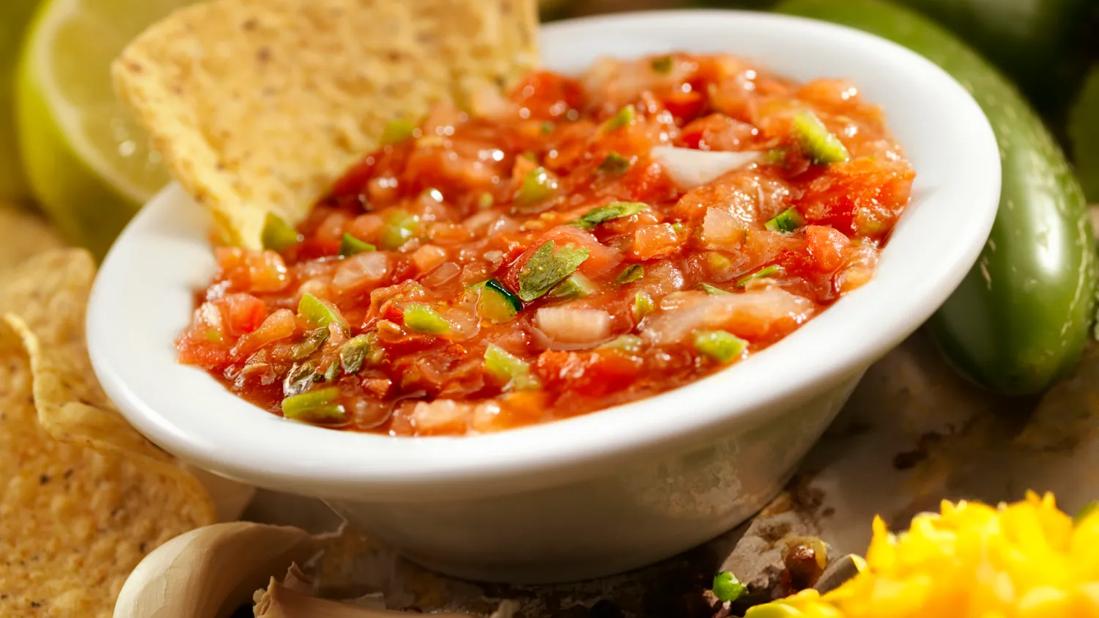
Some recipes politely sit on the table. This red and green pepper salsa walks in wearing sunglasses, carrying tortilla chips, and asking where the party is. Bright, crunchy, fresh, and just spicy enough to make your taste buds pay attention, this homemade salsa is the kind of easy recipe that makes you wonder why you ever bought the jarred stuff in the first place.
Red and green bell peppers are the stars here, and they play very different roles. Red peppers bring natural sweetness, a juicy bite, and that gorgeous ruby color that makes the bowl look like it has its own lighting crew. Green peppers add a crisp, slightly grassy flavor that keeps the salsa fresh and balanced. Add tomatoes, onion, cilantro, lime juice, garlic, and a little jalapeño, and suddenly you have a dip, topping, side dish, and snack hero all in one bowl.
This recipe for red and green pepper salsa is designed for real kitchens: no complicated equipment, no mysterious chef tricks, and no ingredient that requires a treasure map. You can chop it by hand for a chunky salsa, pulse it in a food processor for a restaurant-style texture, or lightly roast the peppers for a smoky version that tastes like summer got invited to dinner.
Why You’ll Love This Red and Green Pepper Salsa
The beauty of red and green pepper salsa is that it feels fresh without being fussy. It is colorful enough for a party platter, simple enough for a Tuesday lunch, and flexible enough to work with tacos, grilled chicken, eggs, fish, rice bowls, quesadillas, and yes, the classic “standing at the counter with chips” situation.
Unlike some tomato-heavy salsas that can turn watery after a few minutes, bell peppers give this recipe crunch and structure. The red pepper softens the flavor with sweetness, while the green pepper keeps things lively. Lime juice adds brightness, cilantro brings a fresh herbal note, and jalapeño gives a little kick without bullying everyone at the table.
This salsa is also naturally light and packed with produce. Bell peppers are known for their crisp texture and vitamin-rich profile, especially red peppers, which are often praised for their vitamin C content. But let’s be honest: the first reason to make this salsa is not because it sounds virtuous. It is because it tastes like your chips finally found their purpose.
Ingredients for Red and Green Pepper Salsa
This recipe makes about 3 cups of salsa, enough for 6 to 8 servings as an appetizer or topping.
Main Ingredients
- 1 large red bell pepper, finely diced
- 1 large green bell pepper, finely diced
- 2 medium Roma tomatoes, seeded and diced
- 1/2 cup red onion, finely diced
- 1 jalapeño pepper, seeded and minced
- 1/3 cup fresh cilantro, chopped
- 2 tablespoons fresh lime juice
- 1 tablespoon apple cider vinegar or white vinegar
- 1 small garlic clove, grated or minced
- 1/2 teaspoon kosher salt, plus more to taste
- 1/4 teaspoon ground cumin
- 1/4 teaspoon black pepper
- 1 teaspoon honey or sugar, optional
Optional Add-Ins
- 1/2 cup corn kernels for sweetness
- 1/2 cup black beans for a heartier salsa
- 1 diced avocado for creaminess
- 1 minced serrano pepper for extra heat
- 1 tablespoon olive oil for a smoother finish
How to Make Red and Green Pepper Salsa
Step 1: Prep the Vegetables
Wash the bell peppers, tomatoes, jalapeño, and cilantro thoroughly. Cut the red and green bell peppers in half, remove the seeds and white ribs, then dice them into small, even pieces. Aim for pieces about the size of a corn kernel. This gives the salsa a scoopable texture, which is extremely important unless you enjoy chasing runaway pepper chunks across your plate.
Seed the Roma tomatoes before dicing. This small step helps prevent the salsa from becoming watery. If you prefer a juicier salsa, you can leave some of the tomato gel intact, but for a crisp pepper-forward salsa, seeded tomatoes work best.
Step 2: Mince the Aromatics
Finely dice the red onion and mince the jalapeño. For a mild salsa, remove the jalapeño seeds and inner ribs. For medium heat, leave in some of the seeds. For spicy salsa, add a serrano pepper or use two jalapeños. Just remember: you can always add more heat, but removing it is much harder unless you own a time machine.
Step 3: Mix the Salsa
In a medium bowl, combine the diced red bell pepper, green bell pepper, tomatoes, red onion, jalapeño, cilantro, garlic, lime juice, vinegar, salt, cumin, and black pepper. Stir gently until everything is evenly coated.
Taste the salsa. If the peppers taste very sharp or the tomatoes are not especially sweet, add a teaspoon of honey or sugar. This does not make the salsa sweet; it simply balances the acidity and brings the flavors together.
Step 4: Let It Rest
Cover the bowl and refrigerate the salsa for at least 20 minutes before serving. This resting time lets the lime juice, salt, and aromatics mingle with the peppers. Think of it as a tiny flavor conference where everyone finally agrees on the agenda.
Step 5: Serve and Enjoy
Give the salsa one final stir before serving. Taste again and adjust with more lime juice, salt, or cilantro if needed. Serve chilled or at cool room temperature with tortilla chips, tacos, grilled meats, eggs, or rice bowls.
Chunky Salsa vs. Blended Salsa
This red and green pepper salsa can go two ways: chunky or blended. Chunky salsa is crisp, colorful, and ideal when you want texture. It is perfect for chips, taco toppings, grilled fish, and salads. Blended salsa is smoother and more spoonable, making it great for burritos, quesadillas, nachos, and marinades.
To make a blended version, add half of the prepared salsa to a food processor and pulse 3 to 5 times. Do not puree it completely unless you want pepper soup with ambitions. Stir the pulsed mixture back into the chunky half for a balanced texture.
Fresh or Roasted: Which Version Is Better?
The fresh version is bright, crunchy, and garden-style. It tastes clean and lively, with the bell peppers providing a refreshing snap. This is the version to make when you want something fast, colorful, and crisp.
The roasted version is deeper, sweeter, and slightly smoky. To make it, place the red and green bell peppers, jalapeño, and tomatoes on a baking sheet. Broil them for 6 to 10 minutes, turning once, until the skins blister in spots. Let them cool, chop them, and mix with the remaining ingredients. Roasting softens the peppers and adds a richer flavor that works beautifully with grilled chicken, steak tacos, or roasted vegetables.
Both versions are delicious. The fresh salsa says “picnic.” The roasted salsa says “backyard cookout with someone’s uncle guarding the grill like a national monument.”
Flavor Tips for the Best Homemade Pepper Salsa
Use Fresh Lime Juice
Bottled lime juice has its place in some food preservation recipes, but for fresh salsa flavor, squeeze a real lime. Fresh lime juice tastes brighter and cleaner, and it makes the peppers pop.
Dice Everything Evenly
Even chopping is the secret to great texture. If one piece of onion is huge and another is microscopic, every bite tastes different. A consistent dice gives you balanced flavor in every scoop.
Salt, Wait, Then Taste Again
Salsa changes as it rests. Salt pulls juices from the vegetables, lime mellows the onion, and the garlic spreads its flavor through the bowl. Taste right after mixing, then taste again after 20 minutes before making final adjustments.
Control the Heat
For mild red and green pepper salsa, use half a jalapeño and remove all seeds. For medium heat, use one whole jalapeño. For a hotter salsa, add serrano pepper, a pinch of cayenne, or a dash of hot sauce. The goal is flavor first, fire-breathing dragon second.
What to Serve With Red and Green Pepper Salsa
This salsa is far more than a chip dip, although it is excellent at that job and should probably put it on a résumé. Spoon it over fish tacos, chicken tacos, shrimp bowls, breakfast burritos, scrambled eggs, grilled steak, roasted potatoes, or black bean nachos.
It also works as a quick salad topper. Add a few spoonfuls to greens with grilled chicken and avocado, and suddenly lunch looks intentional. Stir it into cooked rice for an easy side dish, or fold it into quinoa with black beans for a simple meal-prep bowl.
For parties, serve it in a white or clear bowl so the red and green colors stand out. Add blue corn chips, yellow corn chips, and sliced vegetables around it for a platter that looks festive without requiring a degree in food styling.
Storage and Food Safety Tips
Because this is a fresh salsa made with cut produce, it should be refrigerated in a covered container. Keep it cold until serving and return leftovers to the refrigerator promptly. For best flavor and texture, enjoy it within 3 to 4 days.
Do not leave fresh salsa sitting out for long periods, especially at summer parties or outdoor cookouts. A good rule is to refrigerate perishable foods within 2 hours, or within 1 hour when the temperature is above 90°F. If the salsa has been sitting out too long, it is better to discard it than gamble with your stomach. Your chips deserve confidence, not chaos.
This recipe is intended for fresh refrigerator storage, not shelf-stable canning. If you want to can salsa, use a tested canning recipe from a trusted food preservation source and follow the ingredient ratios exactly. Fresh salsa recipes can be delicious, but they are not automatically safe for water-bath canning because peppers, onions, and tomatoes vary in acidity.
Recipe Variations
Sweet Corn Pepper Salsa
Add 1/2 cup of cooked corn kernels. Corn brings sweetness and makes the salsa especially good with grilled chicken, tacos, and summer salads.
Black Bean Pepper Salsa
Add 1/2 cup of rinsed and drained black beans. This turns the salsa into a more filling appetizer and gives it a Tex-Mex feel.
Mango Red and Green Pepper Salsa
Add 1 diced ripe mango and reduce the honey or sugar. Mango makes the salsa tropical, juicy, and fantastic with fish tacos or shrimp.
Smoky Roasted Pepper Salsa
Roast the bell peppers, jalapeño, tomatoes, and garlic before chopping. Add a small pinch of smoked paprika or chipotle powder for a deeper smoky flavor.
Avocado Pepper Salsa
Fold in 1 diced avocado just before serving. This version is creamy, colorful, and best eaten the same day.
Common Mistakes to Avoid
The first mistake is over-blending. A food processor is useful, but it can turn salsa into a watery puree in seconds. Pulse gently and stop while you can still see distinct bits of pepper and tomato.
The second mistake is skipping acid. Lime juice and vinegar do more than add tang; they balance the sweetness of the red pepper and the bite of the onion. Without acid, salsa can taste flat.
The third mistake is using too much raw onion. Onion is wonderful, but it should not introduce itself before everything else. If your onion tastes very sharp, rinse the diced onion under cold water and pat it dry before adding it to the salsa.
The fourth mistake is serving the salsa immediately without resting. Yes, you can eat it right away. No, it will not be at its best. Give it at least 20 minutes, and the flavor will reward your patience like a tiny edible thank-you card.
Experience Notes: What Making Red and Green Pepper Salsa Teaches You
The first time you make red and green pepper salsa, you may think the recipe is almost too simple. Chop peppers, add tomatoes, squeeze lime, stir, done. But after making it a few times, you start noticing the small details that separate “pretty good salsa” from “why is everyone standing around the bowl?” salsa.
One of the biggest lessons is that pepper size matters. A large, juicy red bell pepper can make the salsa sweeter and softer, while a firm green pepper gives it a crisp bite. When both are diced evenly, the salsa feels balanced. When the pieces are too big, the peppers take over the bowl like they own the lease. A smaller dice makes every scoop easier and gives you that perfect mix of pepper, tomato, onion, cilantro, and lime in one bite.
Another helpful experience is learning how much lime to use. At first, two tablespoons may seem like plenty. But if your tomatoes are sweet or your peppers are especially mild, an extra squeeze can make the whole recipe wake up. Lime is not just sourness; it is the spotlight. It makes the cilantro taste fresher, softens the onion, and gives the salsa that clean finish people expect from homemade salsa.
Resting time is also more important than it looks. Freshly mixed salsa can taste a little separated, as if every ingredient is still introducing itself. After 20 to 30 minutes in the refrigerator, the salt draws out just enough juice to create a light dressing. The garlic mellows, the onion relaxes, and the peppers absorb some of the lime. It becomes one salsa instead of a vegetable meeting.
Serving this salsa also teaches you how versatile it is. At a casual snack table, it disappears with tortilla chips. At dinner, it can brighten grilled chicken or fish. At breakfast, it turns scrambled eggs into something that feels like brunch, even if you are wearing mismatched socks and drinking coffee from yesterday’s mug. It is especially good on tacos because the crunch of the peppers gives contrast to soft tortillas and savory fillings.
The roasted version brings its own lesson: heat changes personality. Fresh bell peppers are crisp and bright, while roasted peppers are sweeter and more relaxed. If fresh salsa is a sunny afternoon, roasted salsa is sunset. Both are worth making, and the best version depends on the meal. For grilled foods, smoky roasted salsa feels natural. For chips, salads, and fresh tacos, the raw version keeps everything lively.
Finally, homemade salsa reminds you that simple food rewards attention. You do not need fancy ingredients. You need fresh produce, a sharp knife, enough acid, enough salt, and the wisdom not to blend everything into oblivion. Make it once, and you have a solid recipe. Make it three times, and you start adjusting it like a pro: more jalapeño for taco night, mango for fish, black beans for a heartier dip, avocado when you want applause. That is the joy of red and green pepper salsa. It is easy enough for beginners and flexible enough to keep experienced home cooks interested.
Conclusion
Red and green pepper salsa is fresh, colorful, crunchy, and wildly useful. It can be a dip, topping, side dish, or flavor booster for almost any casual meal. The combination of sweet red bell pepper, crisp green bell pepper, juicy tomato, lime, cilantro, onion, and jalapeño creates a salsa that tastes bright without being complicated.
Make it fresh when you want crunch, roast the peppers when you want smoky depth, and customize it with corn, black beans, mango, or avocado when the mood strikes. Just keep it refrigerated, serve it cold or cool, and prepare for the bowl to empty faster than expected.

