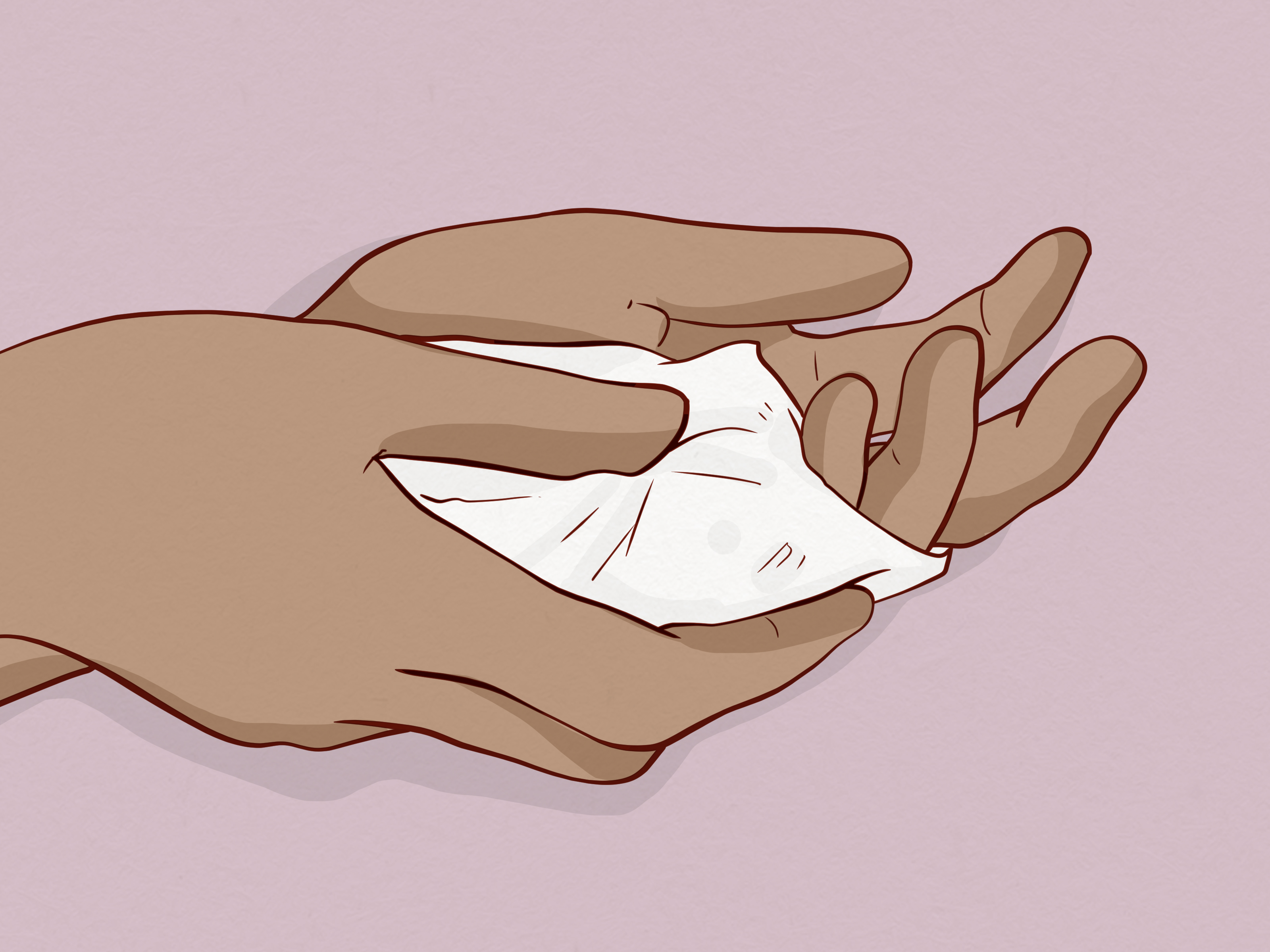
So, you finished waxing, admired your smooth skin for exactly three seconds, and then noticed a sticky little patch of Veet wax clinging to you like it pays rent. Do not panic. Leftover wax residue is common after using wax strips, especially if the skin was slightly damp, the strip was not removed quickly enough, or the wax warmed up too much during use. The good news: you usually do not need harsh scrubbing, mystery chemicals, or a dramatic bathroom meltdown to fix it.
The safest way to remove Veet wax from skin is to loosen the residue gently, protect the skin barrier, and avoid anything that can cause irritation after hair removal. Freshly waxed skin is already a little sensitive because waxing removes hair from the root and lightly exfoliates the surface. That means your skin needs calm, not chaos. Think soft cloths, gentle oils, lukewarm water, and patiencenot fingernails, alcohol, or hot showers.
This guide explains six simple and safe DIY methods for removing Veet wax from skin, plus practical aftercare tips, common mistakes to avoid, and real-life experiences that can help you rescue your skin from the sticky situation without turning it into a red, angry tomato.
Why Veet Wax Sticks to Skin
Veet wax strips are designed to grip hair, but sometimes the wax also holds onto the skin. This can happen when the wax strip is warmed too much between your hands, pressed too firmly, pulled off too slowly, or used on skin that has lotion, sweat, oil, deodorant, or moisture on it. Wax may also cling more stubbornly around curved areas, such as ankles, knees, underarms, or the bikini line, where the strip does not always sit perfectly flat.
Another important point: water alone usually will not remove wax well. Wax is not like spilled juice that disappears with a splash of water. It is oil-loving, which means oils and oily wipes are generally much better at breaking it down. That is why most wax kits include finishing wipes, and why household oils can be helpful when those wipes are missing, dried out, or used up before the job is done.
Before You Start: Skin-Safe Rules
Before trying any DIY wax removal method, pause for a quick skin check. If the area is bleeding, burned, blistered, extremely swollen, or intensely painful, do not keep rubbing it. Rinse gently with cool or lukewarm water and consider getting medical advice. If you have mild redness or a normal post-wax sting, choose the gentlest method first.
Do This First
- Wash your hands before touching freshly waxed skin.
- Use a soft cotton pad, clean washcloth, or tissue.
- Work slowly and gently; let the product dissolve the wax instead of forcing it off.
- Use lukewarm water only, never hot water, right after waxing.
- Stop if your skin starts burning, stinging sharply, or becoming more irritated.
Avoid These Skin Irritants
- Rubbing alcohol, acetone, nail polish remover, or perfume.
- Rough towels, exfoliating gloves, sugar scrubs, or loofahs on the same day.
- Very hot water, steam, saunas, or intense workouts immediately after waxing.
- Fragranced lotions, strong acids, retinol, or harsh acne treatments on the waxed area.
1. Use the Veet Finishing Wipe First
The easiest way to remove Veet wax from skin is to use the finishing wipe that comes with many Veet waxing products. These wipes are made for post-wax cleanup and are usually oil-based, so they help dissolve leftover wax without aggressive rubbing.
How to Do It
- Open the finishing wipe and place it directly over the sticky wax residue.
- Press gently for 20 to 30 seconds so the oil can soften the wax.
- Wipe in small, slow strokes instead of scrubbing back and forth.
- Repeat on any remaining sticky patches.
- Rinse lightly with lukewarm water if your skin feels too oily.
This method is ideal for small leftover spots on the legs, arms, or underarms. If the wipe feels dry, do not drag it across your skin. A dry wipe can create friction, and friction after waxing is basically your skin’s least favorite party guest. Move on to one of the oil methods below instead.
2. Apply Baby Oil or Mineral Oil
Baby oil and mineral oil are classic choices for removing wax residue because they are slippery, simple, and effective. They help break the grip between the wax and your skin, making it easier to wipe away the sticky film. This method is especially useful when you have several small patches of wax left behind.
How to Remove Wax with Baby Oil
- Pour a small amount of baby oil or mineral oil onto a cotton pad.
- Place the cotton pad over the waxy area and let it sit for 30 to 60 seconds.
- Gently wipe in the direction of hair growth.
- Use a fresh cotton pad if the first one becomes too sticky.
- Clean the area with lukewarm water and a mild cleanser if needed.
Use only a small amount at first. More oil is not always better; sometimes it just turns your bathroom into a slip-and-slide audition. If you are removing wax from your legs, be careful when standing up afterward because oil can make skin and floors slippery.
3. Try Coconut Oil or Olive Oil
If you do not have baby oil, a small amount of coconut oil or olive oil can also help remove Veet wax from skin. These pantry-friendly oils can soften residue and reduce the need for harsh rubbing. Coconut oil is thicker at cooler room temperatures, while olive oil is liquid and easy to spread.
How to Use Coconut Oil or Olive Oil
- Scoop or pour a small amount of oil into clean hands.
- Warm it only by rubbing it between your palms; do not microwave it.
- Massage lightly over the wax residue for 30 seconds.
- Wipe away the loosened wax with a soft cloth or cotton pad.
- Wash gently with a mild, fragrance-free cleanser if the area feels greasy.
This method works well for larger areas such as legs, but be cautious on acne-prone areas like the face, chest, or back. Heavy oils can feel too rich for some skin types and may clog pores in people who are already prone to breakouts. For facial wax residue, use the smallest amount possible and cleanse gently afterward.
4. Use Petroleum Jelly for Stubborn Spots
Petroleum jelly can be helpful for thick, stubborn wax patches that refuse to leave politely. Because it is occlusive and slippery, it can soften sticky residue and create enough glide to lift wax without scraping the skin.
How to Remove Wax with Petroleum Jelly
- Apply a thin layer of petroleum jelly over the wax residue.
- Let it sit for one to two minutes.
- Use a soft tissue or cotton pad to wipe the area gently.
- Repeat once if needed.
- Clean the skin with lukewarm water and a gentle cleanser.
Petroleum jelly is best for small stubborn spots, not for coating an entire leg like a glazed donut. A thin layer is enough. If you use too much, the cleanup can become messier than the original wax problem.
5. Use a Warm, Damp Cloth After Oil
A warm, damp cloth can help finish the cleanup after you have loosened the wax with oil. The key word is warm, not hot. Freshly waxed skin can be sensitive to heat, and hot water may increase redness or discomfort.
How to Do It Safely
- First, apply baby oil, coconut oil, olive oil, or a finishing wipe to soften the wax.
- Wet a clean washcloth with lukewarm water.
- Press the cloth over the area for 10 to 15 seconds.
- Wipe gently in one direction.
- Pat dry with a clean towel instead of rubbing.
This two-step approach works better than water alone. The oil loosens the wax, and the cloth removes the oily residue and any remaining stickiness. It is a good option for people who dislike the greasy feeling oils leave behind.
6. Cleanse Gently and Soothe the Skin
Once the wax is gone, your job is not quite finished. Post-wax skin deserves a little kindness. A gentle cleanse removes leftover oil, while a soothing product helps calm the area. Choose a mild, fragrance-free cleanser and avoid strong soaps, scrubs, or exfoliating acids for at least 24 to 48 hours.
Simple Aftercare Routine
- Rinse the waxed area with lukewarm water.
- Use a gentle, fragrance-free cleanser if oil remains.
- Pat the skin dry with a soft towel.
- Apply a light, non-comedogenic moisturizer or pure aloe vera gel.
- Wear loose, breathable clothing to reduce friction.
If the skin feels warm or tender, apply a cool compress wrapped in a clean cloth for five to ten minutes. Do not put ice directly on the skin. Direct ice can irritate the surface and make a mildly annoyed patch of skin file a formal complaint.
What Not to Do When Removing Veet Wax from Skin
When wax residue is stuck, it is tempting to attack it with whatever is nearby. Please resist. The wrong product can irritate freshly waxed skin, cause dryness, or make redness worse.
Do Not Scrape Wax Off with Fingernails
Fingernails can create tiny scratches, especially after waxing when skin is more delicate. Scratching may also introduce bacteria and increase the risk of bumps or irritation.
Do Not Use Alcohol or Acetone
Rubbing alcohol, acetone, and nail polish remover are far too harsh for post-wax skin. They can strip natural oils, sting badly, and damage the skin barrier. Save acetone for nail polish, not your poor underarm.
Do Not Re-Wax the Same Sticky Area Immediately
If wax remains after pulling a strip, do not repeatedly apply new strips to the same spot. Over-waxing can cause redness, bruising, broken skin, or a burning sensation. Remove residue with oil instead and give the area time to recover.
Do Not Use Exfoliating Scrubs Right Away
Waxing already exfoliates the skin. Adding a scrub immediately afterward can lead to irritation. Wait at least a day or two before gentle exfoliation, and only exfoliate if the skin looks calm.
How to Prevent Wax Residue Next Time
The best wax cleanup is the one you barely need. A few small changes before and during waxing can reduce sticky leftovers and make the whole process smoother.
Start with Clean, Dry Skin
Before using Veet wax strips, make sure your skin is clean, dry, and free from lotion, oil, deodorant, sweat, or sunscreen. Wax grips better when there is no slippery layer between the strip and the hair.
Warm the Strip Correctly
Rub the wax strip between your hands as directed, but do not overheat it. If the wax becomes too soft, it may smear instead of lifting cleanly. If your room is very warm, you may need less warming time.
Pull Quickly and Close to the Skin
A slow pull can leave more wax behind and may hurt more. Hold the skin taut, pull the strip back quickly, and keep it close to the skin rather than yanking upward. Think “fast and flat,” not “launching a rocket.”
Do a Patch Test
If you are using a new wax product, test it on a small area first and wait as directed on the product packaging. This is especially important if you have sensitive skin, allergies, or a history of irritation from hair removal products.
When to Seek Help
Most wax residue can be removed safely at home. However, you should stop DIY treatment and consider professional advice if you notice severe burning, blistering, open skin, pus, spreading rash, intense swelling, or redness that lasts more than two days. You should also be extra careful if you are using medications or skin care products that make skin more sensitive, such as retinoids, acne treatments, chemical exfoliants, or certain prescription products.
Waxing is not ideal for skin that is sunburned, irritated, inflamed, freshly exfoliated, cut, scraped, or already sore. If your skin is having a bad day, do not invite wax to the meeting.
Real-Life Experiences: What Removing Veet Wax from Skin Actually Feels Like
Anyone who has used at-home wax strips knows the experience can go from “spa day” to “why am I glued to myself?” very quickly. The first common experience is the tiny sticky patch that appears after waxing the legs. It often happens around the shin or ankle, where the strip may not press evenly. In this case, the finishing wipe usually works well. The trick is to press the wipe onto the wax for a few seconds before moving it. Many people make the mistake of swiping immediately, but giving the oil time to soften the wax makes the process much easier.
Another familiar situation is running out of finishing wipes halfway through. This is when baby oil becomes the quiet hero of the bathroom cabinet. A cotton pad with a few drops of baby oil can remove the residue without much effort. The biggest lesson from this method is not to rush. When people scrub quickly, they often create more redness than necessary. When they let the oil sit for a minute, the wax usually wipes away with less drama.
Some people prefer coconut oil because it is already in the house. It can work beautifully, especially on legs and arms. However, the experience is not always perfect for everyone. On the face or bikini line, coconut oil may feel too heavy, particularly for people who break out easily. In those cases, a lighter oil or the original finishing wipe may be a better choice. The main idea is to match the method to the body area. Legs can usually handle richer oils; the face often needs a lighter touch.
A very common mistake is trying to remove leftover wax in the shower with hot water. At first, this seems logical. Hot water melts things, right? Unfortunately, wax residue often smears instead of disappearing, and the heat can make freshly waxed skin feel more irritated. A better experience is to use oil first, then follow with a lukewarm damp cloth. This combination feels cleaner and usually removes the sticky film faster.
People with sensitive skin often learn that aftercare matters as much as wax removal. Even when the wax comes off easily, the skin may stay pink or tender for a while. A cool compress, loose clothing, and a fragrance-free moisturizer can make a big difference. Tight jeans after waxing the legs can feel like a personal betrayal. Soft shorts, loose pants, or breathable cotton clothing are much kinder choices for the first day.
Another practical lesson: do not keep re-waxing the same sticky spot. Many beginners assume that if wax remains, another strip will fix it. Instead, repeated waxing can make the skin sore and increase the risk of irritation. Once the hair removal step is done, switch to cleanup mode. Oil removes wax residue; wax strips remove hair. When each tool does its own job, your skin has a much better day.
The best overall experience comes from preparation. Clean, dry skin, correct strip warming, a fast pull, and a finishing wipe nearby can prevent most problems. It also helps to wax when you are not rushing. At-home waxing five minutes before leaving the house is how people end up wearing long pants in July and whispering, “We do not speak of the ankle incident.” Give yourself time, keep oil nearby, and treat your skin gently afterward.
Conclusion
Removing Veet wax from skin does not have to be painful, messy, or complicated. The safest DIY methods use oil-based products, soft cloths, gentle cleansing, and soothing aftercare. Start with the Veet finishing wipe if you have one. If not, baby oil, mineral oil, coconut oil, olive oil, or a small amount of petroleum jelly can help loosen stubborn wax residue. Follow with lukewarm water, a mild cleanser, and a calming moisturizer or aloe vera gel.
The golden rule is simple: dissolve, do not scrub. Freshly waxed skin is sensitive, so avoid harsh chemicals, hot water, exfoliating scrubs, and repeated waxing over the same area. With the right approach, you can remove sticky wax, calm your skin, and get back to enjoying that smooth finishminus the unwanted glue effect.
Note: This article is for general educational purposes and is not a substitute for medical advice. If you have severe irritation, burns, blisters, signs of infection, or symptoms that do not improve, contact a qualified healthcare professional or dermatologist.