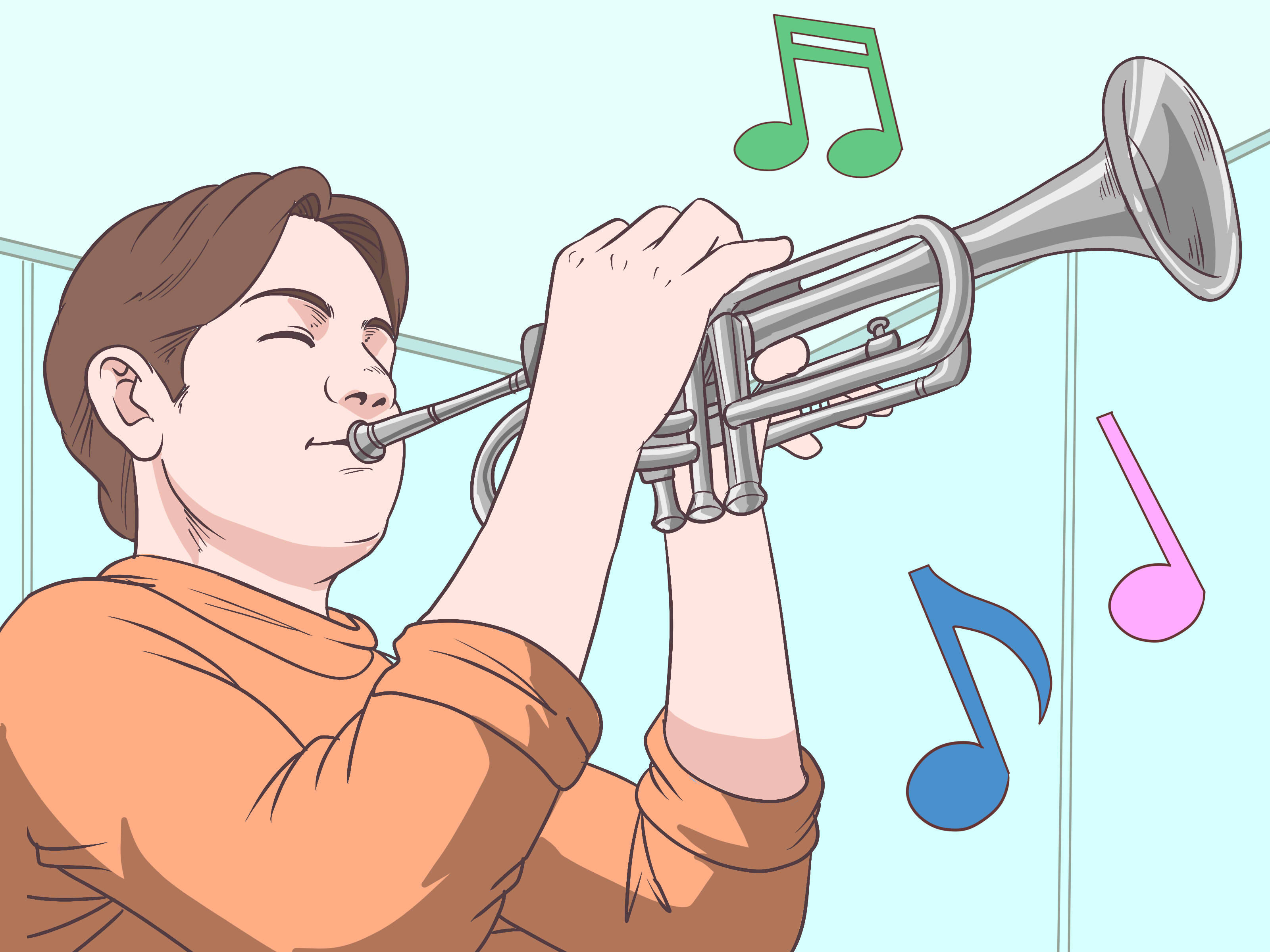
Learning how to double tongue on trumpet can feel a little like teaching your tongue to tap dance while your lungs run the lighting booth. At first, the technique may sound uneven, clunky, or suspiciously like a duck arguing with a metronome. That is normal. Double tonguing is not magic, and it is definitely not reserved for trumpet players born with superhero-level articulation. It is a learnable brass technique built from simple pieces: steady air, clean syllables, relaxed tongue motion, and patient practice.
Double tonguing helps trumpet players articulate fast passages that are too quick or too tiring for regular single tonguing. Instead of using only one syllable, such as “ta” or “tu,” you alternate two syllables, usually “ta-ka,” “tu-ku,” “da-ga,” or “du-gu.” The front syllable uses the front of the tongue, while the second syllable uses the middle or back part of the tongue. When the two motions become even, your articulation can move faster without forcing the tongue to work like it is late for a train.
This guide breaks double tonguing trumpet technique into four practical steps. You will learn how to prepare your air, shape the syllables, practice slowly with control, and transfer the skill into real music. The goal is not just speed. Speed without clarity is just musical confetti. The real goal is a clean, even, flexible articulation that sounds like music instead of a typewriter falling down the stairs.
What Is Double Tonguing on Trumpet?
Double tonguing is a multiple articulation technique used by brass players to play repeated notes quickly. In single tonguing, the player usually articulates each note with one syllable, such as “ta,” “tu,” “da,” or “du.” That works beautifully at moderate tempos, but eventually the tongue reaches its speed limit. Double tonguing solves that problem by alternating a front-of-the-mouth syllable with a second syllable formed farther back in the mouth.
The classic beginner version is “ta-ka, ta-ka.” Some players prefer “tu-ku” because it feels rounder. Others like “da-ga” or “du-gu” because those syllables can produce a softer, more connected sound. There is no universal magic syllable. The best choice is the one that lets you keep your tone open, your jaw relaxed, and your airflow moving forward.
One important point: double tonguing should not mean chopping the air into tiny little pieces. The tongue lightly interrupts the air stream; it does not slam a door on it. Good trumpet articulation starts with air, not with tongue gymnastics. If the air stops, the tone gets thin, the rhythm gets bumpy, and the trumpet begins filing a formal complaint.
Why Trumpet Players Learn Double Tonguing
Trumpet music often includes fast repeated notes, brilliant fanfare figures, technical studies, march passages, and solo repertoire that demand more speed than single tonguing can comfortably provide. Double tonguing gives the player another gear. It is especially helpful in sixteenth-note passages, fast repeated notes on one pitch, quick scale patterns, and energetic classical or concert band music.
But the technique is not only about playing faster. Practicing double tonguing can improve overall trumpet articulation because it forces you to listen closely to the beginning of every note. You learn whether the “ka” sounds weaker than the “ta,” whether your air is steady, and whether your tongue is doing too much work. In other words, double tonguing is a speed tool, but it is also a truth serum. It reveals exactly what is happening inside your playing.
Step 1: Build a Clean Single Tongue First
Start with the “ta” or “tu” syllable
Before you double tongue, make sure your single tongue is clear and relaxed. If your single tonguing is tense, late, or inconsistent, double tonguing will simply double the problem. That is not progress; that is cloning your mistakes.
Begin with a comfortable middle-register note, such as second-line G or open C in the staff. Take a full breath, set your embouchure, and play four steady quarter notes using “ta” or “tu.” Keep the air moving between notes. Think of the tongue as a small valve that releases the sound, not a hammer striking the note into existence.
Try this simple exercise:
- Set a metronome to 60 beats per minute.
- Play four quarter notes on one comfortable pitch.
- Rest for four beats.
- Repeat the pattern using half notes, quarter notes, and eighth notes.
- Listen for a consistent tone at the beginning, middle, and end of every note.
Your tone should remain full, centered, and easy. If the sound gets pinched, check your shoulders, jaw, and throat. A tense body makes a tense sound. Trumpet players love working hard, but the instrument usually rewards smart effort more than heroic struggle.
Keep the air first
A common articulation mistake is trying to tongue harder when the notes are unclear. In many cases, the real problem is not the tongue; it is the air. If the air stream is weak, the tongue has nothing stable to release. Imagine trying to slice bread that is actually pudding. Not ideal.
Blow a steady stream of air through the phrase, then let the tongue interrupt that stream lightly. The note should begin cleanly without a harsh explosion. Practice saying “tu-tu-tu-tu” while blowing air through the syllables. Then do the same thing on the mouthpiece alone. Finally, move to the trumpet. This progression helps your body understand that articulation rides on air support.
Step 2: Learn the Back Syllable by Itself
Practice “ka,” “ku,” “ga,” or “gu” without the trumpet
The second syllable is the part that usually gives players trouble. The “ka” or “ku” syllable can feel awkward at first because it uses a different part of the tongue. Many beginners make the back syllable too heavy, too throaty, or too late. The result is a lopsided “TA-ka-TA-ka” pattern where the first note sounds like a trumpet and the second note sounds like it came from the basement.
Start away from the instrument. Speak the syllable slowly:
- “ka, ka, ka, ka”
- “ku, ku, ku, ku”
- “ga, ga, ga, ga”
- “gu, gu, gu, gu”
Notice which option feels easiest and most natural. Softer syllables like “ga” or “gu” often help players avoid a harsh attack. Brighter syllables like “ka” or “ku” may create clearer separation. There is room for both approaches, depending on style, tempo, and musical context.
Move the back syllable onto the mouthpiece
Once you can say the syllable clearly, try it with air only. Whisper “ku-ku-ku-ku” without using your voice. Then buzz it gently on the mouthpiece. Do not worry about playing loudly. Focus on making each attack even. If the syllable feels stuck, lighten it. The motion should be small, quick, and forward-moving.
Next, play the back syllable on the trumpet using a comfortable pitch. Try four slow quarter notes using only “ku” or “gu.” It may sound strange. That is fine. You are isolating the weak side of the technique, like training your non-dominant hand to brush your teeth. It is awkward, humbling, and occasionally hilarious, but it works.
Use this exercise:
- Play “ku-ku-ku-ku” as quarter notes at 60 beats per minute.
- Rest for four beats.
- Repeat on G, F, E, and back to G.
- Keep the tone as close as possible to your normal “tu” articulation.
The goal is not to make the back syllable louder than the front syllable. The goal is to make it equal. In good double tonguing, listeners should not hear a strong-weak-strong-weak wobble. They should hear a clean, steady stream of articulated notes.
Step 3: Combine the Syllables Slowly
Use “ta-ka” or “tu-ku” at a comfortable tempo
Now it is time to combine the two motions. Start slowly. Very slowly. Slower than your ego wants. Your ego may want to begin at a heroic tempo and pretend you are already in a concerto finale. Politely send your ego to get a snack.
Set the metronome to 50 or 60 beats per minute. On one comfortable note, play four eighth notes using “ta-ka-ta-ka.” Then rest. Keep the notes even. The “ta” and “ka” should match in length, volume, and tone quality. If the “ka” disappears, slow down. If the tone gets tight, use more air and less tongue pressure.
Try this pattern:
- One measure: “ta-ka-ta-ka” as eighth notes
- One measure: rest
- Repeat four times
- Then play the same pattern on a neighboring pitch
When that feels comfortable, switch to sixteenth notes at the same tempo. Do not rush the transition. Clean slow practice builds the coordination that fast playing depends on. Messy slow practice builds messy fast playing, which is less of a technique and more of a public safety concern.
Use rhythms to smooth out the motion
Rhythmic variation is one of the best ways to improve double tonguing trumpet technique. Instead of repeating endless “ta-ka-ta-ka” patterns, change the rhythm so your tongue learns flexibility.
Practice these patterns on one pitch:
- Long-short: “taa-ka, taa-ka”
- Short-long: “ta-kaa, ta-kaa”
- Groups of four: “ta-ka-ta-ka”
- Accent the first note: “TA-ka-ta-ka”
- Accent the second note: “ta-KA-ta-ka”
Accenting the second syllable is especially useful because it strengthens the weaker side of the motion. Many players avoid this because it feels uncomfortable. That discomfort is useful information. It points directly to the part of the technique that needs attention.
Step 4: Apply Double Tonguing to Scales and Music
Move from one note to simple scales
Once your double tongue feels steady on one pitch, begin moving through simple patterns. Start with five-note scales. For example, play C-D-E-F-G-F-E-D-C using “ta-ka” on each note. Keep the tempo slow and the sound connected. Do not let the fingers and tongue start a small civil war. They need to coordinate.
Try this five-note pattern:
- C-D-E-F-G-F-E-D-C
- Use “ta-ka” on each pitch as eighth notes.
- Repeat in several keys.
- Increase the tempo only when the sound remains even.
Then practice short scale bursts in sixteenth notes. Begin with two beats of double tonguing and two beats of rest. Short bursts prevent fatigue and help you maintain quality. Long, sloppy repetitions may build endurance, but they can also train bad habits with impressive dedication.
Use real trumpet music
After single-note drills and scales, bring double tonguing into actual music. Choose a short passage with repeated sixteenth notes or quick articulated patterns. First, sing or speak the rhythm using “ta-ka.” Then finger the passage silently while saying the syllables. Finally, play it at a slow tempo.
Do not wait until a passage is extremely fast before using double tonguing. Practice the technique at moderate tempos so it becomes part of your normal playing vocabulary. A good double tongue should not feel like an emergency button labeled “Use Only When Panicking.” It should feel like a natural option.
Common Double Tonguing Mistakes
Stopping the air between notes
The most common mistake is stopping the air. Double tonguing should interrupt the air stream, not destroy it. Think of the tongue as a tiny gate opening and closing in a steady river. If the river dries up, the gate does not matter.
Making the “ka” too heavy
If the second syllable sounds clumsy, practice it alone. Use “ku” or “gu” instead of “ka” if that helps. Keep the motion forward and light. Avoid pulling the tongue too far back, because that can make the sound delayed or swallowed.
Practicing too fast too soon
Speed is the reward, not the starting point. Use a metronome and increase tempo gradually. If the notes become uneven, return to the previous tempo. This is not failure. This is quality control, and quality control is what keeps your trumpet from sounding like it is buffering.
Ignoring tone quality
Do not let articulation practice become separate from music. Every note should still have a good trumpet sound. If your tone gets thin, harsh, or airy, reset your breath and embouchure. A fast double tongue with a bad tone is like a sports car with square wheels: technically impressive, but nobody wants the ride.
A Simple 10-Minute Double Tonguing Practice Routine
You do not need to practice double tonguing for an hour a day. In fact, short focused sessions are usually better. The tongue is a small muscle system, and it gets tired. When it gets tired, it gets sloppy. When it gets sloppy, it starts making artistic decisions you did not approve.
Minute 1-2: Air and single tongue
Play easy quarter notes and eighth notes on a comfortable pitch. Focus on steady air and clean “tu” attacks.
Minute 3-4: Back syllable only
Practice “ku” or “gu” slowly on one note. Match the tone to your normal articulation as closely as possible.
Minute 5-6: Slow double tongue
Play “tu-ku-tu-ku” on one pitch with a metronome. Keep the rhythm even and relaxed.
Minute 7-8: Rhythmic variations
Use long-short, short-long, and accented patterns. Listen for balance between the front and back syllables.
Minute 9-10: Scale or music application
Apply the technique to a five-note scale or a short phrase from your music. Keep the tempo controlled and finish before fatigue ruins the party.
How Long Does It Take to Learn Double Tonguing?
Most players do not master double tonguing in a weekend. You may understand the concept quickly, but the coordination takes time. Some trumpet players feel basic improvement within a few weeks of consistent practice. Developing a smooth, fast, performance-ready double tongue may take months or longer, depending on your current articulation, practice habits, and musical goals.
The key is consistency. Five to ten minutes a day is more useful than one heroic practice session every two weeks. The tongue learns through repetition, but it must be good repetition. Practice slowly enough that your body can succeed. Then increase the tempo in small steps.
Experience Section: Real-World Lessons from Learning Double Tonguing
Many trumpet players have the same first experience with double tonguing: they learn the words “ta-ka,” try it once, and immediately wonder if their tongue came with a warranty. The front syllable feels familiar, but the back syllable sounds weak, late, or invisible. This is one of the most normal stages in the process. The “ka” side simply has not been trained to articulate trumpet notes with the same confidence as the “ta” side.
One helpful experience is practicing the syllables while walking, waiting, or doing something simple away from the instrument. Saying “tu-ku-tu-ku” quietly without the trumpet can help the motion feel less mysterious. The important part is not volume; it is smoothness. If the spoken syllables are uneven, the played version will probably be uneven too. The trumpet is honest like that. Painfully honest, sometimes.
Another common discovery is that the best double tonguing often feels easier than expected. Beginners may try to force the syllables, using too much jaw, throat, or tongue pressure. But strong double tonguing usually comes from a smaller motion. The tongue does not need to travel across the entire mouth like it is sightseeing. It only needs to interrupt the air cleanly and return to a neutral position. When players finally reduce the effort, the sound often becomes clearer and faster almost immediately.
It also helps to practice on notes that feel comfortable. Starting too high can create tension. Starting too low can make the articulation feel slow and muddy. Middle-register notes are usually the best training zone because the embouchure is stable and the air response is predictable. Once the technique works there, it can gradually expand upward, downward, louder, softer, and into different styles of music.
Recording yourself is another eye-opening experience. While playing, you may think the “ta” and “ka” are perfectly even. Then you listen back and hear “TA-ka-TA-ka” with the subtlety of a marching elephant. That is not bad news. It is useful feedback. Try accenting the weaker syllable, slowing the tempo, and using a softer syllable such as “du-gu.” Over time, the pattern becomes more balanced.
The most encouraging lesson is that double tonguing improves in layers. First, you understand the motion. Then you make the back syllable speak. Then you even out the two syllables. Then you add speed. Then you apply it to music without thinking about every single movement. Each layer takes patience, but none of it requires mystery. If you practice with steady air, relaxed syllables, and honest listening, your double tongue will become faster, cleaner, and more musical. And yes, one day the technique that once sounded like a kitchen appliance may actually feel smooth, easy, and fun.
Conclusion
Learning how to double tongue on trumpet is really a process of training coordination. You build a clean single tongue, strengthen the back syllable, combine both motions slowly, and then apply the technique to scales and music. The secret is not brute force. It is relaxed repetition, steady airflow, and careful listening.
Remember: double tonguing should sound even, clear, and musical. Do not chase speed before control. Practice the “ka” or “ku” syllable by itself, use a metronome, keep the air moving, and stop before fatigue turns your clean technique into alphabet soup. With daily focused practice, double tonguing becomes less of a weird tongue trick and more of a powerful musical tool.