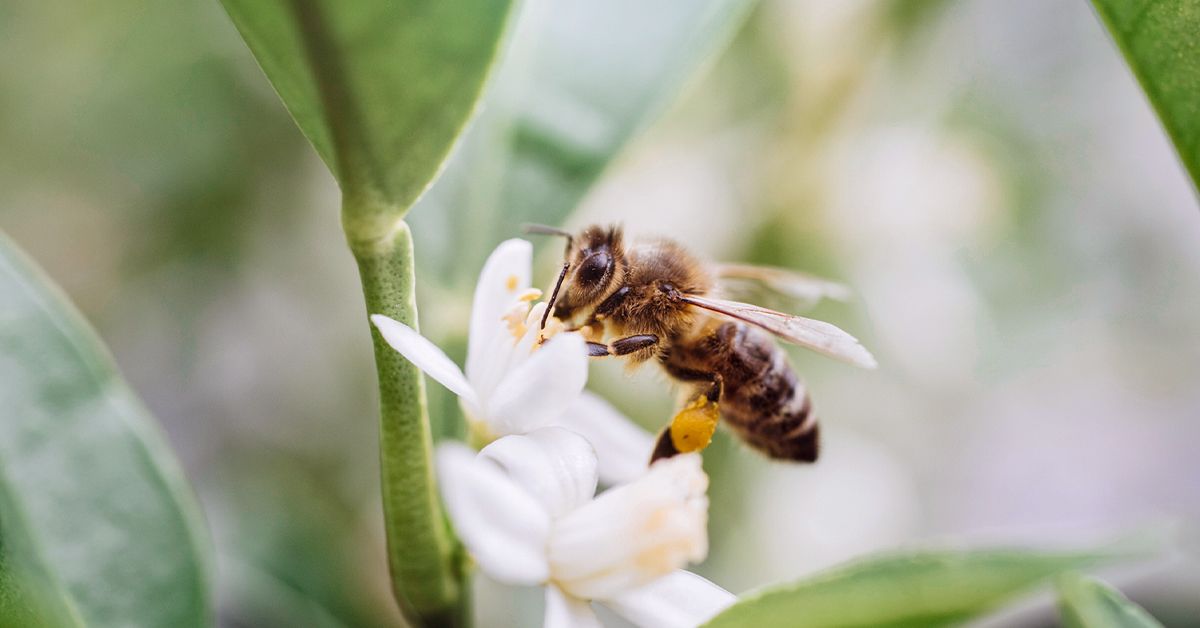
Bee pollen sounds like something a tiny wellness coach in a striped sweater would recommend between flower visits. But this golden, grainy substance has earned serious attention in the world of functional foods. Packed with plant compounds, amino acids, vitamins, minerals, and antioxidants, bee pollen is often called a “superfood.” That word gets tossed around a lot, of courseusually by foods wearing capes they did not technically earnbut bee pollen does have an interesting nutritional profile.
Before we crown it king of the pantry, here is the balanced truth: bee pollen may support health in several ways, but it is not a cure-all. Many bee pollen benefits are based on laboratory research, animal studies, traditional use, and a smaller number of human studies. That means it can be a useful addition to a healthy routine for some people, but it should not replace medical care, prescribed medication, or the unglamorous basics like sleep, movement, and actual vegetables.
This guide explores the top 11 health benefits of bee pollen, how to use it, who should avoid it, and what real-life experience with bee pollen may look like. Spoiler: it goes very well with yogurt, but it does not make you immune to bad decisions at midnight snack time.
What Is Bee Pollen?
Bee pollen is a natural mixture created when honeybees collect flower pollen and combine it with nectar, enzymes, and bee secretions. The bees pack these tiny granules into pellets and carry them back to the hive as a food source. For humans, bee pollen is usually sold as dried granules, capsules, tablets, or powder.
The exact makeup of bee pollen depends on the plants visited by the bees, the region, the season, and processing methods. That is why one jar may taste mildly floral and sweet while another has a more earthy, grassy flavor. Think of it as the farmers market of supplements: charming, variable, and occasionally surprising.
Bee Pollen Nutrition: Why People Call It a Superfood
Bee pollen contains a broad mix of nutrients, including carbohydrates, protein, amino acids, fatty acids, vitamins, minerals, flavonoids, carotenoids, and phenolic compounds. It is not meant to be your main protein source, but it can add a small nutritional boost to foods like smoothies, oatmeal, yogurt, and smoothie bowls.
Its biggest appeal is not one single nutrient. Instead, bee pollen stands out because it contains a wide variety of bioactive compounds. These compounds may help explain why bee pollen is studied for antioxidant, anti-inflammatory, immune-supporting, and metabolic effects.
Bee Pollen: 11 Top Health Benefits
1. Provides a Concentrated Source of Nutrients
One of the most practical bee pollen benefits is its nutrient density. Bee pollen contains protein, amino acids, vitamins, minerals, and plant compounds in a compact form. A spoonful will not replace a balanced diet, but it can add variety to meals that are already healthy.
For example, adding bee pollen to Greek yogurt with berries creates a snack that includes protein, fiber, antioxidants, and a little natural sweetness. Add a sprinkle of nuts, and suddenly your snack has more layers than a family group chat.
2. Supplies Antioxidants That Help Fight Oxidative Stress
Bee pollen contains antioxidant compounds such as flavonoids, carotenoids, and phenolic acids. Antioxidants help neutralize free radicals, unstable molecules that can contribute to oxidative stress when they build up in the body.
Oxidative stress is associated with aging and many chronic health concerns. While eating bee pollen does not make you invincible, antioxidant-rich foods can support the body’s natural defense systems. Bee pollen may be one small part of a bigger antioxidant-friendly diet that includes berries, leafy greens, colorful vegetables, legumes, herbs, and tea.
3. May Support a Healthy Inflammatory Response
Inflammation is not always bad. Your body uses inflammation to heal injuries and fight infections. The problem begins when inflammation becomes persistent or excessive. Bee pollen has been studied for compounds that may help regulate inflammatory pathways.
Some research suggests bee pollen may reduce certain inflammatory markers, but the evidence is still developing. The best way to think about this benefit is “supportive,” not “miraculous.” Bee pollen may complement an anti-inflammatory lifestyle that includes good sleep, regular activity, stress management, and a diet rich in whole foods.
4. May Help Support Immune Function
Bee pollen contains nutrients and plant compounds that may support normal immune function. Its antioxidants may also help protect immune cells from oxidative damage. Some laboratory studies suggest bee pollen may have antimicrobial properties, meaning it may help limit the growth of certain microbes under controlled conditions.
However, there is an important caution: bee pollen can trigger allergic reactions in some people, especially those with pollen allergies, bee product allergies, or sensitivities to plants like ragweed, chrysanthemums, or daisies. So while bee pollen is promoted for immune support, it is not appropriate for everyone. Your immune system should not have to file a complaint after breakfast.
5. May Support Heart Health
Bee pollen is being studied for possible effects on cholesterol, blood lipids, and blood vessel health. Some animal and preliminary studies suggest bee pollen may support healthier lipid balance and help protect against oxidative stress that affects cardiovascular tissues.
That said, people should not use bee pollen as a replacement for cholesterol medication, blood pressure treatment, or heart-healthy lifestyle habits. If your goal is cardiovascular wellness, the foundation is still a balanced diet, movement, not smoking, healthy weight management, blood pressure control, and medical guidance when needed.
6. May Support Liver Health
The liver is the body’s hardworking filter, chemistry lab, and cleanup crew. Bee pollen has been studied in animal models for possible liver-protective effects, especially related to antioxidant activity. Some findings suggest it may help reduce oxidative stress in liver tissue.
Human evidence is still limited, so this benefit should be framed carefully. Bee pollen may support general wellness, but it cannot “detox” the liver in the dramatic way many supplement ads suggest. Your liver is already detoxifying every day. It does not need a glittery marketing campaign; it needs less alcohol, balanced nutrition, hydration, and medical care when something is wrong.
7. May Support Metabolic Health
Bee pollen has attracted interest for its potential role in metabolic wellness, including blood sugar balance and lipid metabolism. Some studies suggest bee pollen’s antioxidants and bioactive compounds may influence pathways related to glucose and fat metabolism.
This does not mean bee pollen treats diabetes or replaces medical nutrition therapy. Anyone with diabetes, insulin resistance, or metabolic syndrome should work with a healthcare provider. Bee pollen may be a small addition to a meal plan, but it should not be used as a shortcut around evidence-based care.
8. May Promote Skin and Wound-Healing Support
Bee pollen has been studied for skin-related benefits, largely because of its antioxidant, anti-inflammatory, and antimicrobial potential. Some animal research suggests bee pollen extracts may support wound healing when used topically in specific preparations.
For everyday use, people usually consume bee pollen rather than apply it to wounds. Do not sprinkle random pantry bee pollen onto cuts, burns, or irritated skin. That is not skincare; that is a craft project with consequences. For wounds, burns, infections, or slow-healing skin, seek proper medical treatment.
9. May Help With Menopause-Related Discomfort
Some small human studies have explored bee pollen or pollen-based products for menopause-related symptoms such as hot flashes. Results are interesting but not strong enough to make broad promises. Still, this area is one reason bee pollen continues to appear in women’s wellness discussions.
Anyone with a history of hormone-sensitive conditions, breast cancer, or ongoing hormone therapy should speak with a clinician before using bee pollen or pollen extracts. Natural does not always mean automatically safe, especially when hormones and medical treatments are involved.
10. May Support Prostate and Urinary Comfort
Pollen extractsnot always the same as raw bee pollen granuleshave been studied for prostate-related symptoms, including chronic prostatitis and urinary discomfort. Some research suggests pollen-based formulas may help reduce inflammation and improve symptoms in certain men.
This benefit is promising but specific. If someone has pelvic pain, frequent urination, burning, fever, or urinary changes, they should not self-diagnose with a supplement. Prostate and urinary symptoms can have many causes and deserve medical evaluation.
11. May Add Natural Energy and Recovery Support
Many people use bee pollen as a natural energy-supporting food. It contains carbohydrates, amino acids, and micronutrients, which may make it a useful topping before a walk, gym session, or busy workday. Its slightly sweet flavor also makes it easy to add to simple meals.
Still, bee pollen is not a stimulant like caffeine. It will not turn you into a productivity superhero who answers emails with one hand while meal-prepping with the other. Its energy benefit is more nutritional than dramatic: it may help round out a balanced snack that supports steady fuel.
How to Use Bee Pollen Safely
Bee pollen is easy to use, but it should be introduced slowly. Start with a very small amount, such as a few granules or one-quarter teaspoon, especially if you have never tried it before. If no reaction occurs, some people gradually increase to one teaspoon daily. Product labels vary, so follow the instructions on your specific supplement.
Popular ways to use bee pollen include sprinkling it over yogurt, blending it into smoothies, stirring it into oatmeal after cooking, adding it to chia pudding, or using it as a topping for fruit bowls. Avoid heating bee pollen heavily, because high heat may reduce some delicate compounds.
Who Should Avoid Bee Pollen?
Bee pollen is not safe for everyone. People with pollen allergies, bee sting allergies, or allergies to bee products should avoid it unless a healthcare professional says otherwise. Allergic reactions may include itching, swelling, hives, wheezing, dizziness, throat tightness, or anaphylaxis, which is a medical emergency.
Pregnant and breastfeeding people are generally advised to avoid bee pollen because safety data is limited. Children should not use bee pollen unless a pediatrician approves it. People taking blood thinners such as warfarin should also speak with a healthcare provider because bee pollen may interact with anticoagulant therapy and increase bleeding risk.
Because dietary supplements are not approved by the FDA for safety and effectiveness before they are sold, choose bee pollen from reputable brands that provide quality testing and clear labeling. Avoid products that promise to cure diseases, melt fat overnight, reverse aging, or make your immune system “bulletproof.” Your immune system is complex, not a cartoon shield.
How to Choose a Quality Bee Pollen Product
When buying bee pollen, look for simple ingredient lists, transparent sourcing, and third-party testing when available. Freshness matters because bee pollen contains sensitive compounds that may degrade over time. Store it according to package directions, often in a cool, dry place or refrigerator after opening.
Granules are best for sprinkling over foods, while capsules may be more convenient for people who dislike the flavor. Powder blends can work in smoothies, but check labels carefully for added sugar, fillers, or vague “proprietary blends.” A good bee pollen product should not require a detective board with red string to understand what is inside.
Bee Pollen Experiences: What It Can Feel Like in Real Life
Adding bee pollen to a daily routine often starts with curiosity. Maybe a friend mentions it, maybe a jar catches your eye at a health food store, or maybe you see those sunny yellow granules online and think, “Well, that looks like wellness confetti.” The first experience is usually all about taste and texture. Bee pollen has a lightly sweet, floral, sometimes earthy flavor. Some batches taste almost honey-like, while others are grassy or slightly bitter depending on the flowers visited by the bees.
A practical first experience might be adding a tiny sprinkle to plain Greek yogurt with blueberries and walnuts. The bee pollen gives a gentle crunch and a warm floral note. It is not candy, but it can make a simple breakfast feel more interesting. People who enjoy smoothie bowls often like bee pollen because it looks beautiful on top of banana, berries, chia seeds, and nut butter. The visual appeal is realyour breakfast suddenly looks like it has a publicist.
Some users say they feel more energized when they use bee pollen consistently. This may be because they are adding it to nutrient-rich meals rather than taking it alone. For example, a smoothie with spinach, berries, protein, yogurt, and bee pollen is likely to feel better than skipping breakfast and hoping coffee will negotiate with your nervous system. In that sense, bee pollen can become a helpful ritual: a small reminder to build a better meal.
Other people notice no dramatic change, and that is completely normal. Supplements do not work like light switches. Bee pollen may support wellness in subtle ways, but it is not supposed to create instant transformation. If someone expects one teaspoon to fix stress, poor sleep, low activity, and a diet built around beige snacks, disappointment is likely. Bee pollen works best as a supporting character, not the whole movie.
The most important real-life experience is safety. A cautious person starts small and watches for symptoms. If the mouth tingles, the throat feels tight, the skin breaks out in hives, breathing changes, or swelling occurs, bee pollen should be stopped immediately and medical help may be needed. People with seasonal allergies should be especially careful. Just because bees made it does not mean your immune system will send a thank-you card.
For people who tolerate it well, bee pollen can be a fun and flavorful addition to a wellness routine. It encourages more colorful meals, pairs nicely with whole foods, and adds a small dose of plant-based compounds. The best experience is realistic: enjoy it for what it is, respect what it is not, and use it as one piece of a healthy lifestyle that still includes sleep, movement, hydration, medical checkups, and vegetables that do not arrive in chip form.
Conclusion
Bee pollen is one of nature’s more fascinating foods: part flower, part bee craft, part nutrition booster, and part conversation starter. Its potential health benefits include antioxidant support, anti-inflammatory activity, immune support, heart health support, metabolic wellness, liver protection, skin and wound-healing potential, menopause-related comfort, prostate support, and natural energy support.
Still, the smartest approach is balanced. Bee pollen may be beneficial for some people, but human research remains limited, and safety matters. It can cause serious allergic reactions and may interact with medications. If you are pregnant, breastfeeding, allergic to pollen or bee products, managing a medical condition, or taking blood thinners, ask a healthcare professional before trying it.
Used wisely, bee pollen can be a bright, flavorful addition to smoothies, yogurt, oatmeal, and snack bowls. Just remember: it is a supplement, not a superhero. Let it support your healthy habitsnot replace them.