Note: This article is for educational purposes only and should not replace advice from a qualified health care professional. If allergy symptoms are severe, new, unusual, or linked with wheezing, chest tightness, fever, facial pain, or discolored nasal drainage, contact a clinician.
Introduction: When Allergy Season Feels Like It Bought a One-Way Ticket
Once upon a time, seasonal allergies were somewhat predictable. Tree pollen showed up in spring, grass pollen followed in late spring and early summer, ragweed made its dramatic entrance in late summer and fall, and then a hard frost politely shut the whole sneeze festival down. Now? Allergy season often feels less like a season and more like a clingy roommate who refuses to move out.
Many people are noticing that their noses are stuffier earlier in the year, their eyes itch for longer, and their usual allergy plan no longer works as well as it once did. This is not just imagination, and it is not because your immune system suddenly developed a hobby. Warming temperatures, higher carbon dioxide levels, air pollution, fewer frost days, and longer growing seasons can all help plants produce pollen earlier, longer, and sometimes in greater amounts.
The good news is that worsening allergy seasons do not mean you are doomed to spend half the year clutching tissues like a Victorian poet with a sinus problem. With the right plan, you can reduce pollen exposure, choose medicines wisely, improve indoor air, and know when it is time to get professional help.
Why Allergy Seasons Are Getting Worse
Longer Growing Seasons Mean Longer Pollen Seasons
Plants respond to weather. When spring arrives earlier and fall frost comes later, trees, grasses, and weeds have a longer window to grow and release pollen. In practical terms, this means people who used to prepare for allergies in April may now need to start watching pollen levels in February or March, depending on where they live.
Ragweed is a classic example. It is one of the most notorious fall allergy triggers in the United States, and it can keep producing pollen until frost arrives. If frost is delayed, ragweed gets extra time on stage. Unfortunately, ragweed is not the kind of performer anyone asked for an encore from.
More Carbon Dioxide Can Mean More Pollen
Higher levels of carbon dioxide can stimulate plant growth. For some allergenic plants, that can mean more pollen production. More pollen in the air increases the odds that sensitive immune systems will react with sneezing, congestion, itchy eyes, and that familiar “my face has become a faucet” sensation.
Air Pollution Can Make Symptoms Feel Worse
Pollen is annoying on its own, but air pollution can make the situation more complicated. Pollutants may irritate the nose, throat, sinuses, and lungs, making airways more inflamed and more reactive. For people with asthma, pollen plus poor air quality can be a particularly rough combination.
Mold Can Join the Party
Wetter weather, heavy rain, flooding, and humidity can encourage mold growth indoors and outdoors. Mold spores can trigger allergy and asthma symptoms in sensitive people. That means an allergy plan should not focus only on pollen; indoor humidity, leaks, damp basements, bathrooms, and air circulation matter too.
Common Symptoms of Seasonal Allergies
Seasonal allergies, also called allergic rhinitis or hay fever, happen when the immune system reacts to harmless airborne substances as if they were threats. The body releases chemicals such as histamine, and the result is a lineup of symptoms that can make a perfectly nice day feel like a nasal betrayal.
- Sneezing
- Runny or stuffy nose
- Itchy nose, mouth, throat, or ears
- Red, watery, or itchy eyes
- Postnasal drip
- Coughing, especially from drainage
- Sinus pressure or facial fullness
- Fatigue from poor sleep or constant symptoms
Allergies can sometimes look like a cold, sinus infection, flu, or COVID-19. A helpful clue is timing: allergy symptoms often flare when pollen counts rise and may improve with allergy medicine or when you spend time indoors with filtered air. Fever, body aches, thick discolored nasal drainage, or significant facial pain may point to infection or another issue, so it is wise to seek medical advice.
Step One: Start Before Symptoms Attack
Use the Calendar, but Trust the Forecast
The old allergy calendar is less reliable than it used to be. Instead of waiting for the first sneeze, start checking local pollen forecasts and the Air Quality Index before your usual allergy season begins. Many allergy medicines work best when started before symptoms are fully raging.
Think of it like placing sandbags before the flood, not after your living room becomes a lake. If you know tree pollen usually bothers you in spring, begin monitoring conditions several weeks early. If ragweed is your enemy, prepare before late summer. People with year-round symptoms may need a more consistent plan.
Keep an Allergy Symptom Log
A simple symptom log can make a big difference. Track the date, weather, pollen count, air quality, outdoor activities, medicine used, and symptom severity. After a few weeks, patterns often appear. You may learn that windy days are your enemy, mowing the lawn is a disaster, or sleeping with the window open turns your bedroom into a pollen hotel.
Step Two: Reduce Pollen Exposure Without Becoming a Hermit
Check Pollen Counts Daily
On high-pollen days, plan outdoor activities strategically. Pollen levels are often worse on dry, windy days and may temporarily drop after rain. If you exercise outside, consider shifting your workout to a lower-pollen time, choosing an indoor gym, or wearing a mask when levels are high.
Close Windows at Home and in the Car
Fresh air sounds lovely until it delivers a pollen buffet directly to your sofa. During peak pollen season, keep windows closed and use air conditioning when possible. In the car, use recirculated air during high-pollen drives.
Shower and Change Clothes After Being Outside
Pollen clings to hair, skin, clothes, shoes, and pets. After spending time outdoors, especially after gardening, mowing, hiking, or sports, change clothes and shower before bed. This prevents pollen from transferring to sheets and pillows, where it can bother you all night.
Do Not Dry Laundry Outside During Peak Pollen
Line-dried sheets may smell charmingly fresh, but during allergy season they can also become giant pollen napkins. Dry bedding and clothes indoors or in a dryer when pollen counts are high.
Wear Sunglasses or a Mask Outdoors
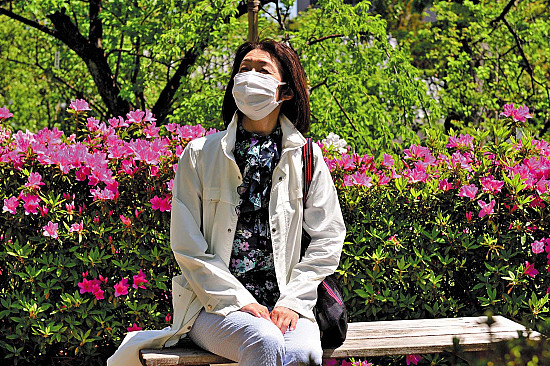
Sunglasses can help reduce pollen contact with the eyes. A well-fitting mask can reduce how much pollen you inhale while gardening, mowing, walking, or commuting on high-pollen days. This is especially useful if your symptoms are triggered quickly when you step outside.
Step Three: Make Your Home an Allergy-Smart Zone
Use HEPA Filtration
A HEPA filter can capture very small airborne particles, including pollen, dust, and mold spores. Consider using a portable HEPA air cleaner in the bedroom, since sleep quality often suffers during allergy season. If your HVAC system can handle a higher-efficiency filter, replace filters regularly according to the manufacturer’s instructions.
Focus on the Bedroom First
Your bedroom should be the cleanest air zone in the house. Keep windows closed, wash bedding weekly, shower before bed, and avoid tossing pollen-covered clothes onto the bed. If pets go outdoors, consider keeping them out of the bedroom during peak pollen season. Yes, your dog may take this personally. Your sinuses will not.
Control Humidity
Humidity that is too high can encourage mold and dust mites. A dehumidifier may help in damp areas such as basements. Fix leaks quickly, run bathroom fans, and avoid letting damp towels or laundry sit around. Mold prevention is not glamorous, but neither is coughing at 2 a.m.
Vacuum and Dust Strategically
Use a vacuum with a HEPA filter if possible. Damp dusting can reduce the amount of dust and pollen stirred into the air. If cleaning triggers symptoms, wear a mask or ask another household member to handle the dustiest jobs during peak season.
Step Four: Choose Allergy Medicines Wisely
Antihistamines
Antihistamines reduce or block histamine-related symptoms such as sneezing, itching, runny nose, and watery eyes. Many newer oral antihistamines are less sedating than older options, but some people still feel sleepy. Always read labels carefully, especially before driving, working with machinery, or giving medicine to children.
Nasal Corticosteroid Sprays
Nasal corticosteroid sprays reduce inflammation in the nasal passages and are often among the most effective options for persistent nasal allergy symptoms, especially congestion. They usually work best when used consistently and correctly. Aim the spray slightly outward, away from the center wall of the nose, to reduce irritation and nosebleeds.
Antihistamine Nasal Sprays and Eye Drops
If your main problems are sudden sneezing, itchy nose, or watery eyes, an antihistamine nasal spray or allergy eye drops may help. Eye symptoms can be especially frustrating because rubbing the eyes often makes irritation worse. Wash hands, rinse pollen off your face, and use eye drops as directed.
Saline Rinses
Saline nasal rinses can help flush pollen, mucus, and irritants from the nasal passages. They are drug-free and useful for many people, but safety matters. Use distilled, sterile, or previously boiled and cooled water. Do not use plain tap water for nasal rinsing unless it has been properly boiled and cooled.
Decongestants
Decongestants may relieve stuffiness for some people, but they are not right for everyone. People with high blood pressure, heart conditions, glaucoma, prostate issues, or certain medication interactions should ask a health care professional before using them. Nasal decongestant sprays should generally be used only for a short period because overuse can cause rebound congestion.
Step Five: Know When to See an Allergist
If your symptoms are getting worse every year, interfering with sleep, triggering asthma, causing frequent sinus problems, or not improving with over-the-counter medicine, it may be time to see an allergist. Allergy testing can identify specific triggers, which makes your plan more precise.
Immunotherapy, including allergy shots or certain under-the-tongue tablets, may be an option for people with persistent symptoms. Unlike quick-relief medicine, immunotherapy aims to train the immune system to become less sensitive to specific allergens over time. It is not an overnight fix, but for the right patient, it can provide longer-term relief.
Special Considerations for People With Asthma
Allergies and asthma often travel together like an unpleasant buddy comedy. Pollen, mold, and air pollution can trigger coughing, wheezing, chest tightness, and shortness of breath. If you have asthma, follow your asthma action plan, keep rescue medicine available, and talk with your clinician if allergy seasons are making breathing symptoms worse.
Watch air quality as carefully as pollen counts. On days with high pollen, wildfire smoke, ozone, or other pollutants, consider moving exercise indoors and keeping windows closed. If breathing symptoms escalate quickly or do not improve with prescribed medication, seek urgent medical care.
A Practical Daily Allergy Routine
Morning
- Check pollen and air quality forecasts.
- Take preventive medicine as directed.
- Close windows before pollen drifts indoors.
- Wear sunglasses or a mask if pollen is high.
Afternoon
- Avoid mowing, leaf blowing, or gardening on high-pollen days if possible.
- Use car air conditioning on recirculate.
- Drink water to soothe throat irritation from postnasal drip.
Evening
- Change clothes after outdoor time.
- Shower before bed and rinse pollen from hair.
- Run a HEPA air purifier in the bedroom.
- Use saline rinse safely if it is part of your plan.
Experience-Based Tips: What Coping With Worse Allergy Seasons Looks Like in Real Life
Living through a rough allergy season is not just about choosing a medicine. It is about building small habits that protect your day from being hijacked by pollen. Many people only realize how much pollen follows them indoors after they make one simple change: showering before bed. The first night may feel like no big deal, but after several nights, the difference can be obvious. Less pollen on the pillow often means less sneezing at 3 a.m., fewer itchy eyes in the morning, and less of that “I slept under a lawn mower” feeling.
Another real-world lesson is that timing matters. Waiting until symptoms are already severe can make allergy control harder. People often say, “My medicine stopped working,” when the problem is that they started too late or used it inconsistently. Nasal steroid sprays, for example, are not magic sneeze erasers after one spray. They work best with regular use. The experience is more like brushing your teeth than taking a pain reliever: consistency wins.
Outdoor routines also need adjustment. A person who loves morning runs may notice that certain weeks are brutal, especially when tree or grass pollen is high. Moving the run indoors for a few days can feel disappointing, but it may prevent an entire day of congestion. Gardeners can wear a mask, shower afterward, and save heavy yard work for lower-pollen days. Parents can keep a change of clothes near the door for kids after sports practice. None of these steps is dramatic, but together they reduce the pollen load your body has to battle.
The bedroom deserves special respect. In many homes, it becomes the accidental pollen archive: open windows, outdoor clothes on chairs, pets on blankets, and hair full of pollen on the pillow. Creating a cleaner sleep zone can be one of the most effective lifestyle changes. Keep windows shut, wash sheets weekly, run a HEPA purifier, and keep outdoor shoes away from sleeping areas. This is not about creating a laboratory. It is about giving your immune system one room where it can stop shouting.
People with worsening allergy seasons also learn to take air quality seriously. A day can have moderate pollen but poor air quality, and symptoms may still flare. Smoke, ozone, and pollution can irritate airways, especially in people with asthma. Checking both pollen and air quality gives a fuller picture than checking pollen alone.
Finally, there is no medal for suffering through allergies without help. If symptoms are affecting sleep, work, school, exercise, or asthma control, seeing an allergist is a practical step, not an overreaction. Allergy testing, prescription options, and immunotherapy can turn a chaotic season into a manageable one. The goal is not to live in a bubble. The goal is to enjoy spring flowers, summer grass, and fall leaves without feeling personally attacked by every plant in the neighborhood.
Conclusion: Build a Smarter Allergy Plan Before the Pollen Arrives
Worsening allergy seasons are becoming a reality for many people, but a smart plan can make them far more manageable. Start early, track pollen and air quality, reduce exposure, keep indoor air cleaner, use medicines correctly, and seek medical advice when symptoms are severe or persistent.
The best allergy strategy is not one heroic move. It is a collection of small, repeatable habits: checking forecasts, closing windows, showering before bed, using HEPA filtration, taking medication before symptoms explode, and knowing when to call a professional. Pollen may be getting more aggressive, but your response can get smarter too.