Note: Amelie and Friends is best understood today as a remembered Chichester dining gem, design case study, and West Sussex travel inspiration rather than a currently operating restaurant.
Some restaurants disappear from the map but stay stubbornly alive in memory. Amelie and Friends in West Sussex is one of those places. Once located on North Street in the historic cathedral city of Chichester, this much-loved bistro blended local produce, thoughtful design, European comfort food, and the relaxed charm of a country-city escape. It was not the kind of restaurant that needed velvet ropes, a whispering maître d’, or a menu that required a Latin dictionary. Its appeal came from something warmer: a sense that good food, good design, and good company could share the same table without arguing over who ordered the fries.
Although Amelie and Friends eventually closed, its story still has value for travelers, design lovers, food writers, restaurant owners, and anyone curious about what makes a small independent restaurant feel memorable. It sat in Chichester, a compact West Sussex city known for Roman walls, Georgian streets, a famous cathedral, cultural venues, independent shops, and easy access to the South Downs and the coast. In other words, it had exactly the sort of setting where a stylish bistro could become part of a perfect day out.
This article explores the story of Amelie and Friends in West Sussex, what made it stand out, how it reflected Chichester’s character, and why its mix of rustic interiors, fresh cooking, and local spirit still feels relevant today.
What Was Amelie and Friends?
Amelie and Friends was a restaurant and bistro in Chichester, West Sussex, formerly based at 31 North Street. The restaurant was associated with owners Rowland and Mary Leach, who brought a country-meets-city sensibility to the project. It was presented as a gastronomic venture built around good ingredients, original cooking, pastries made fresh on the premises, and a strong visual identity.
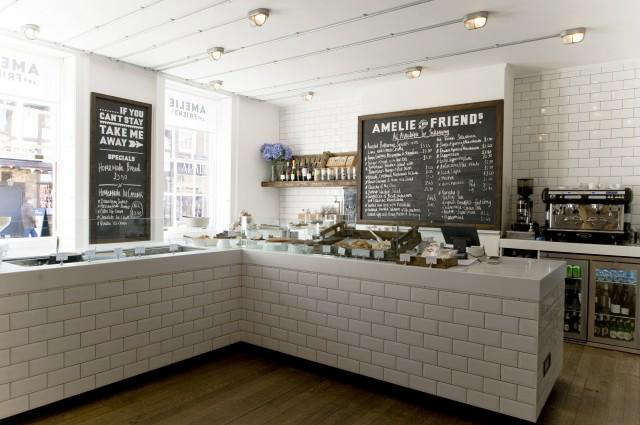
The restaurant’s public image leaned into warmth rather than stiffness. Instead of trying to look like a grand dining temple where diners fear using the wrong fork, Amelie and Friends felt approachable. The descriptions and images connected to the venue point toward an industrial-rustic atmosphere: subway tiles, wood-framed chalkboards, simple furniture, white walls, dark floors, and an airy dining room. It was stylish, but not in the “please do not touch the chair” way. It looked lived-in, useful, and welcoming.
Food-wise, Amelie and Friends was often described as a European-style bistro. That meant recognizable dishes with care behind them: steak frites, fish and chips, poached chicken, cocktails, pastries, and seasonal cooking. It was the sort of restaurant where lunch could be casual, dinner could feel special, and nobody had to pretend they understood foam.
Why Chichester Was the Right Home for Amelie and Friends
Chichester is one of West Sussex’s most attractive small cities. It has a long history, including Roman origins, a traditional street layout, ancient city walls, the Market Cross, and the landmark Chichester Cathedral. The city is small enough to explore comfortably on foot but layered enough to reward slow wandering. That matters because Amelie and Friends was not just a restaurant in isolation. It was part of a wider Chichester experience.
A visitor could walk the Roman walls, browse independent shops, visit the cathedral, stop by a gallery, and then sit down for a bistro meal without needing a car, hiking boots, or heroic levels of planning. North Street, where the restaurant was located, is one of Chichester’s central routes, making it a natural place for shoppers, theatergoers, day-trippers, and locals to gather.
Chichester also has a strong cultural personality. It is close to Chichester Festival Theatre, Pallant House Gallery, Goodwood, the South Downs, and the coastal villages around Chichester Harbour. That mix of heritage, art, countryside, and food created the right backdrop for a restaurant like Amelie and Friends. It was not trying to be London in miniature. It felt rooted in West Sussex, which is a much better trick.
The Restaurant Design: Rustic, Industrial, and Friendly
One reason Amelie and Friends continues to attract interest is its design. The branding and interior work associated with the restaurant helped create a strong identity, and the look has aged well because it was based on durable materials and clear personality rather than trend-chasing.
Subway Tile and Chalkboard Charm
Subway tile can go wrong quickly. Use too much and a restaurant begins to feel like a very clean train station. At Amelie and Friends, however, the tile worked because it was balanced with wood, chalkboards, warm lighting, and casual bistro details. Chalkboards added movement and informality. They suggested daily specials, changing ingredients, and a kitchen that was actually cooking rather than simply reheating its greatest hits.
Branding That Felt Personal
The restaurant’s identity was not limited to a logo slapped on a menu. Branding extended into packaging, interior styling, printed materials, and the general atmosphere. This is where Amelie and Friends offers a useful lesson for modern restaurants: branding is not decoration. It is the total feeling guests take away. A menu, a pastry box, a sign, a chair, and a staff greeting all tell the same storyor, if handled badly, five different stories that refuse to sit together at lunch.
A Space Made for Real Meals
The interior descriptions suggest a restaurant that felt bright and easy to inhabit. White walls and dark wooden floors gave the space contrast. The dining room was airy enough for daytime meals but intimate enough for dinner. This matters because many restaurants look good in photographs and terrible after forty-five minutes in a hard chair under lighting that makes soup look like evidence. Amelie and Friends seemed designed for actual people eating actual food.
The Food: European Bistro Cooking with West Sussex Character
Amelie and Friends was not famous for one single gimmick dish. Its appeal came from bistro cooking handled with care. A European bistro menu works when it respects simplicity. Steak frites must have properly cooked steak and crisp fries. Fish and chips must have light batter, moist fish, and chips that make you briefly forgive every potato you have ever underestimated. Pastries must taste fresh, not like they have been waiting since Tuesday for someone with low standards.
The restaurant’s emphasis on local produce also connected it to West Sussex. The county is surrounded by farms, markets, coastal suppliers, vineyards, and countryside producers. For a Chichester restaurant, local sourcing was not just a fashionable phrase. It was practical and sensible. Fresh ingredients from nearby suppliers give a menu seasonal rhythm, and diners can often taste the difference between food that traveled across the county and food that has been on a longer journey than they have.
Amelie and Friends was also recognized in the wider food world. It appeared as a new Bib Gourmand listing in the Michelin Guide Great Britain and Ireland 2014. Bib Gourmand recognition is associated with good food at moderate prices, which fits the restaurant’s remembered personality: serious cooking without the intimidating price tag or ceremonial fuss.
Why Amelie and Friends Still Matters
It might seem odd to write about a restaurant that has closed. But closed restaurants can still teach us a great deal. In fact, they often teach more than current restaurants because their stories are complete. We can see what people remembered, what worked, what changed, and how the location evolved afterward.
It Shows the Power of Place
Amelie and Friends worked because it belonged to Chichester. Its character made sense in a city of historic streets, cultural outings, independent shopping, and relaxed day trips. A restaurant does not need to shout when its surroundings already have a good speaking voice.
It Shows the Value of a Clear Concept
The restaurant combined bistro food, local produce, fresh pastries, friendly service, and a carefully designed interior. That is a clear concept. Many restaurants fail because they try to be everything: cocktail lounge, fine-dining destination, brunch palace, coworking space, birthday venue, and spiritual retreat for sourdough enthusiasts. Amelie and Friends had a more focused identity, and that helped people remember it.
It Shows That Design and Food Should Work Together
A beautiful restaurant with forgettable food is a showroom. A great kitchen in an uncomfortable room is a missed opportunity. Amelie and Friends is remembered because the food and design appeared to support the same mood: relaxed, polished, local, and quietly creative.
A Mini Travel Guide Inspired by Amelie and Friends
Even though Amelie and Friends is no longer open, travelers can still build a Chichester day around the qualities it represented: good food, historic streets, independent businesses, and a slower West Sussex rhythm.
Start with Chichester Cathedral
Chichester Cathedral dominates the city skyline and gives the center much of its identity. Visitors can explore the cathedral, admire its architecture, and learn about centuries of local history. Its detached medieval bell tower is especially distinctive, giving Chichester one of those details that makes travel writers reach happily for their notebooks.
Walk the Roman City Walls
Chichester’s Roman walls are among the city’s most enjoyable features. Walking them gives visitors a sense of the city’s scale and history. It is also a useful way to justify lunch. Few things make a plate of fries feel more deserved than announcing, with great seriousness, “I walked ancient walls today.”
Browse North Street and the City Center
North Street remains part of Chichester’s central shopping and dining area. The city’s four main streets meet near the Market Cross, and the surrounding lanes offer independent shops, galleries, cafés, and restaurants. This is the kind of center where wandering is not a failure of planning; it is the plan.
Add a Cultural Stop
Chichester is well known for culture. Depending on the day, visitors might include Chichester Festival Theatre, Pallant House Gallery, The Novium Museum, or a nearby Goodwood event. Amelie and Friends belonged to this broader ecosystem of day trips, meals, conversation, and local discovery.
Lessons for Restaurant Owners and Designers
Amelie and Friends offers several practical lessons for anyone opening or rethinking a restaurant today.
1. Make the Concept Easy to Understand
Guests should know what kind of experience they are entering within the first few minutes. Amelie and Friends communicated bistro comfort, fresh food, and design confidence quickly. That clarity reduces friction. Diners relax when they understand the promise.
2. Let Local Ingredients Shape the Menu
Local produce gives a restaurant a reason to exist where it exists. A Chichester bistro should not feel interchangeable with a restaurant in an airport terminal. The more a menu reflects nearby farms, fisheries, bakeries, and seasonal suppliers, the more memorable it becomes.
3. Use Design to Create Warmth, Not Distance
Design should welcome guests, not make them feel underdressed for the furniture. The industrial-rustic look of Amelie and Friends worked because it supported warmth and informality. The space looked thoughtful but still human.
4. Build a Brand Beyond the Sign
Menus, packaging, interiors, staff tone, photography, and social presence should feel connected. Amelie and Friends understood that a restaurant brand is an ecosystem. When every detail belongs to the same story, guests remember it more easily.
Experiences Related to Amelie and Friends in West Sussex
To understand the lasting appeal of Amelie and Friends, imagine a day in Chichester built around the mood the restaurant represented. The morning begins with a train ride or a short drive into the city. You step out into a place that feels historic without acting like a museum. The streets are walkable, the buildings have character, and the city center has that pleasant West Sussex balance of elegance and everyday usefulness. It is polished, but not precious.
You start near the Market Cross, where Chichester’s main streets meet. From there, North Street draws you into the rhythm of the city. Shop windows, old facades, independent businesses, and passing locals create the feeling of a place that has learned how to keep history in daily use. This is not a destination where the past sits behind glass. It is part of the route to coffee, lunch, errands, art, and conversation.
Before lunch, you wander toward Chichester Cathedral. The cathedral brings scale and stillness to the city. Even travelers who are not especially interested in architecture can feel the shift in atmosphere around it. The stone, the spire, the green spaces, and the separate bell tower create a sense of ceremony. Then, a few streets away, the mood changes again: shops, cafés, galleries, and restaurants pull the city back into the present.
This is where a place like Amelie and Friends made sense. After walking, browsing, and pretending not to be hungry while absolutely being hungry, a relaxed bistro would feel like a reward rather than a formal appointment. You would want a table with enough room for shopping bags, a menu with recognizable pleasures, and a room where design adds charm without making lunch feel like an audition. The imagined order is simple: something crisp, something seasonal, something with potatoes, and perhaps a pastry because civilization depends on such decisions.
After lunch, the day might continue with a gallery visit, a loop around the Roman walls, or a drive toward the South Downs. In warmer weather, Chichester Harbour or the Witterings could add sea air to the itinerary. In cooler months, the pleasure is more interior: warm dining rooms, cathedral stone, theater lights, and the comfort of a city small enough to enjoy without rushing. That is the real experience connected to Amelie and Friends. It is not only about one former restaurant. It is about the kind of day it belonged to.
For food lovers, the experience also highlights the importance of memory in dining. We remember restaurants not only by what was on the plate but by who sat across from us, what the room sounded like, how the light came through the windows, and whether the meal helped the day feel complete. Amelie and Friends seems to have occupied that category: a restaurant that became part of people’s Chichester stories. The doors may have closed, but the atmosphere it represented still offers a useful guide to enjoying West Sussex well: walk slowly, eat thoughtfully, notice the details, and never underestimate the emotional power of excellent chips.
Conclusion: A Chichester Bistro Worth Remembering
Amelie and Friends in West Sussex was more than a place to eat. It was a small but memorable expression of Chichester’s charm: historic yet fresh, stylish yet relaxed, local yet quietly ambitious. Its combination of European bistro cooking, fresh pastries, thoughtful branding, and industrial-rustic design made it stand out during its time on North Street.
Today, the restaurant is no longer operating, but its story remains useful. For travelers, it points toward the pleasures of Chichester: Roman walls, cathedral views, independent shops, art, culture, and good food. For restaurant owners, it shows the importance of a clear concept, local sourcing, and design that makes people feel welcome. For design lovers, it remains a reminder that the best interiors do not just photograph well; they help people feel at home.
In the end, Amelie and Friends is a reminder that restaurants can leave a legacy even after the last table has been cleared. Some places feed people for a few years and then disappear. The better ones keep feeding imagination long after closing time.