Salvaged tub fillers are the bathroom-design equivalent of finding a leather-bound first edition in a thrift shop: old, character-rich, slightly mysterious, and capable of making a room feel instantly more interesting. In a world full of shiny new fixtures that look as if they were designed by a committee named “Rectangle,” a salvaged tub filler brings history, patina, craftsmanship, and a little architectural drama to the bath.
But here is the twist: a vintage tub filler is not just a pretty spout. It is plumbing. It has to move water safely, fit the tub correctly, meet modern expectations, and avoid turning your relaxing soak into a detective story involving leaks, mismatched valves, and a plumber quietly muttering under the sink. The good news? With the right approach, salvaged bath fixtures can be beautiful, practical, and surprisingly durable.
This guide explains what salvaged tub fillers are, where they work best, how to choose one, what to inspect before buying, and how to blend antique charm with modern performance. Think of it as your friendly field guide to vintage bathroom treasure huntingminus the dusty warehouse sneezing.
What Are Salvaged Tub Fillers?
A tub filler is the faucet system that fills a bathtub. A salvaged tub filler is typically an older, reclaimed, antique, or vintage fixture removed from a previous home, hotel, apartment building, school, estate, or commercial property. Many come from architectural salvage yards, antique plumbing dealers, historic renovation suppliers, estate sales, and specialty restoration shops.
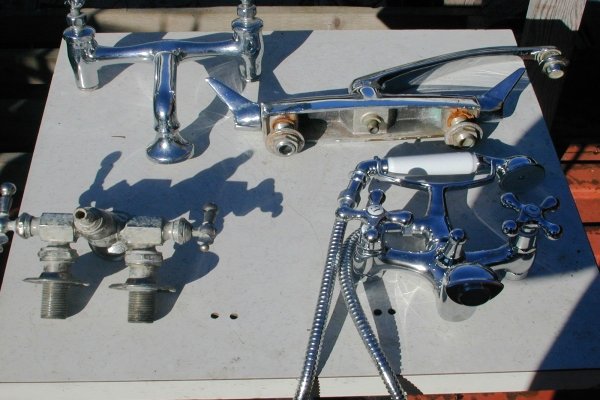
Unlike a brand-new tub faucet, a salvaged tub filler may carry signs of age: worn nickel plating, porcelain handle labels, patinated brass, exposed risers, cross handles, or old-fashioned diverters for hand showers. These details are exactly why homeowners, designers, and old-house lovers chase them. A salvaged filler can make a clawfoot tub feel authentic, give a renovated bathroom a period-correct focal point, or add warmth to a modern room that needs something with a pulse.
Common Types of Salvaged Tub Fillers
Most salvaged tub fillers fall into a few major categories. Understanding the differences will save you from buying a gorgeous fixture that fits absolutely nothing in your bathroom, which is a special kind of renovation heartbreak.
- Wall-mounted tub fillers: Installed on the wall above the tub. These are common in alcove bathrooms and some clawfoot tub setups.
- Deck-mounted tub fillers: Installed on the rim or ledge of the tub. Many vintage clawfoot tubs have predrilled holes for this style.
- Freestanding or floor-mounted tub fillers: Installed through the floor beside a freestanding tub. These can look spectacular but require careful rough-in planning.
- Clawfoot tub faucets: Often exposed and decorative, sometimes paired with supply lines, shutoff stops, a drain assembly, and a hand shower.
- Telephone-style hand shower fillers: Vintage-inspired fixtures with a handheld spray attachment, often seen in classic bath restorations.
Why Homeowners Love Salvaged Tub Fillers
The appeal of salvaged bathroom fixtures is not hard to understand. They look different because they are different. Older fixtures were often made with substantial brass, porcelain, nickel, cast metal, and mechanical parts that could be serviced rather than tossed out. That repairable nature is one reason vintage plumbing still attracts attention.
They Add Instant Character
A salvaged tub filler can become the jewelry of the bathroom. In a white-tile bath, aged brass handles and a curved spout add warmth. In a moody powder-blue or deep-green bathroom, polished nickel brings a classic hotel feeling. On a restored clawfoot tub, the right vintage filler says, “Yes, I belong here,” instead of “I was panic-ordered online at midnight.”
They Support Sustainable Design
Reusing architectural pieces keeps materials out of landfills and reduces the demand for newly manufactured products. A salvaged tub filler is not just stylish; it is part of a larger movement toward reuse, restoration, and thoughtful renovation. Sustainability looks especially good when it comes with cross handles.
They Can Be Better Made Than Expected
Many older fixtures were built from heavy metal components and designed to be repaired. That does not automatically mean every salvaged filler is safe or usable, but it does mean a high-quality vintage piece may be worth rebuilding. A skilled plumbing restorer can often replace washers, seats, stems, packing, cartridges, supply connections, and worn seals.
What to Check Before Buying a Salvaged Tub Filler
Buying salvaged plumbing is part design decision, part inspection project, and part “please don’t let this leak behind the wall.” Before you fall in love with a fixture, slow down and examine it carefully.
1. Measure the Tub Hole Spacing
Vintage tubs often have specific hole spacing for rim-mounted faucets. Some clawfoot tub faucets use 3 3/8-inch centers, while others may require 7-inch centers or adjustable swing arms. Wall-mounted and floor-mounted fixtures also have rough-in measurements that must match the existing plumbing or be planned before construction begins.
Measure the distance between holes from center to center. Do not guess. Guessing is how beautiful faucets become expensive paperweights.
2. Inspect the Threads and Connections
Look closely at supply connections, mounting nuts, unions, and threaded areas. Damaged threads can make installation difficult or impossible without custom adapters. If fittings are corroded, stripped, cracked, or frozen in place, factor repair costs into the purchase price.
3. Check for Cracks and Pitting
Surface patina is charming. Structural cracks are not. Inspect the valve body, spout base, handle stems, and any exposed supply tubes. Heavy corrosion or deep pitting can weaken metal and create future leak points.
4. Test Handle Movement
Handles should turn, even if they feel stiff. Frozen handles may be repairable, but they can also signal internal corrosion. If the seller says, “It probably just needs a little love,” translate that as “Ask a professional before you pay antique prices.”
5. Confirm Missing Parts
Many salvaged tub fillers are sold incomplete. Common missing pieces include escutcheons, supply lines, shutoff valves, diverter parts, hand shower hoses, mounting hardware, and drain assemblies. Some parts can be sourced; others may need to be custom fabricated.
Modern Safety Matters: Lead, Scalding, and Backflow
Vintage charm is wonderful, but modern plumbing safety exists for good reasons. Older brass plumbing fixtures may contain more lead than current standards allow for new plumbing products. Lead exposure is a serious concern, especially in fixtures used for drinking water. Bathtub fillers are not usually drinking-water fixtures, but water still touches the fixture, and local codes may affect what can legally be installed.
Before installing any salvaged tub filler, ask a licensed plumber whether the fixture is appropriate for your home and local code. In many cases, homeowners choose restored antique fixtures for appearance while using modern internal parts, approved supply lines, and updated valves where possible.
Anti-Scald Protection
Older tub fillers were not always designed with modern anti-scald technology. Today, bathroom safety often includes pressure-balancing or thermostatic mixing valves to help reduce sudden temperature swings. This is especially important in homes with children, older adults, or anyone with reduced mobility.
A beautiful vintage faucet should not be allowed to surprise bathers with water hotter than expected. The goal is “luxury soak,” not “cartoon steam cloud.”
Hand Showers and Backflow Protection
If your salvaged tub filler includes a hand shower, backflow prevention may be required. A handheld shower can potentially be submerged in bathwater, creating a situation where contaminated water could be drawn back into the potable water system if pressure changes occur. Modern plumbing standards typically address this with vacuum breakers or approved backflow prevention devices.
Restored Antique vs. Reproduction Tub Fillers
One of the biggest decisions is whether to buy a true salvaged tub filler or a new reproduction. Both can be good choices depending on your priorities.
Choose a Salvaged Tub Filler If…
- You want authentic age, patina, and period detail.
- You are restoring a historic home and want a fixture that feels original.
- You have access to a qualified plumbing restorer.
- You are comfortable with inspection, repair, and possible custom fitting.
- You love the idea of reusing architectural materials.
Choose a Reproduction Tub Filler If…
- You want vintage style with modern certifications and warranties.
- You need predictable installation dimensions.
- You prefer readily available replacement parts.
- You want finishes like polished chrome, brushed nickel, oil-rubbed bronze, matte black, or unlacquered brass.
- You are working with a tight construction schedule.
Many homeowners land somewhere in the middle: they use a vintage tub, antique mirror, salvaged lighting, and a reproduction tub filler that looks period-correct but performs like a modern fixture. That is not cheating. That is called sleeping at night.
Best Bathroom Styles for Salvaged Tub Fillers
Salvaged tub fillers are surprisingly flexible. They are not limited to Victorian homes or clawfoot tubs, although they certainly shine there.
Historic and Period Bathrooms
For Craftsman, Victorian, Edwardian, Colonial Revival, Tudor, and early-20th-century homes, salvaged tub fillers can help preserve architectural continuity. Pair them with hex tile, subway tile, pedestal sinks, medicine cabinets, and cast-iron tubs for a cohesive period look.
Modern Farmhouse Bathrooms
Aged brass or nickel tub fillers work beautifully with shiplap, marble, wood vanities, and freestanding tubs. The fixture adds authenticity so the room does not feel like it was assembled entirely from a trending-products page.
Industrial Bathrooms
Exposed supply lines, bridge-style faucets, and patinated metal finishes can add grit and texture to industrial spaces. Salvaged tub fillers pair well with concrete, black steel, old brick, and reclaimed wood.
Minimalist Bathrooms
In a simple bathroom, one antique piece can be powerful. A salvaged tub filler beside a clean-lined soaking tub creates contrast: old meets new, ornate meets quiet, story meets spa.
How to Match a Salvaged Tub Filler With Your Tub
The tub and filler must work together physically and visually. Start with the tub type, then decide the mounting style.
Clawfoot Tubs
Clawfoot tubs often look best with exposed plumbing. A wall-mounted or rim-mounted salvaged tub filler may be appropriate if the tub has matching holes. If the tub has no faucet holes, a freestanding filler may be better, but it will require floor plumbing.
Freestanding Soaking Tubs
Modern freestanding tubs often pair well with floor-mounted fillers. If you want a salvaged look, consider a restored floor-mounted vintage-style filler or a reproduction with aged finish options. Be sure the spout reaches far enough over the tub wall to prevent splashing.
Alcove Tubs
Wall-mounted tub fillers are usually the most practical option for alcove tubs. True salvaged wall fixtures can work, but internal valves and code compliance should be reviewed carefully.
Drop-In and Platform Tubs
Deck-mounted fillers are common for drop-in tubs. The platform must have enough space for handles, spout reach, service access, and cleaning. A cramped deck-mounted filler can look awkward and be annoying to maintain.
Finishes: Patina, Polish, or Replate?
Finish is where salvaged tub fillers get fun. Some homeowners want the aged look exactly as found. Others prefer a restored finish that looks clean but not brand-new. Common options include polished nickel, chrome, brass, bronze, and unlacquered brass.
Preserving Patina
If the metal has a warm, even patina, consider leaving it alone. Patina adds depth and tells the story of age. Clean gently with mild soap and a soft cloth. Avoid harsh abrasives unless a restoration professional recommends them.
Polishing Brass
Brass can often be polished, but polished brass requires maintenance if it is unlacquered. Some people love the living finish as it darkens over time. Others panic the first time it spots. Know which personality you are before choosing raw brass.
Replating
Replating can make an old tub filler look elegant and fresh. Nickel plating is a classic choice for vintage bathrooms. Chrome is brighter and easier to coordinate with modern fixtures. Replating costs vary, but it can be worthwhile for a high-quality fixture with good bones.
Installation Tips for Salvaged Tub Fillers
Installing salvaged plumbing is not the best place to audition for your first DIY plumbing adventure. Even experienced homeowners often bring in a licensed plumber, especially when walls, floors, valves, or supply lines need modification.
Plan Before Tile Goes In
Rough-in dimensions must be confirmed before walls are closed or tile is installed. For wall-mounted and floor-mounted tub fillers, placement affects comfort, splash control, service access, and visual balance.
Use Shutoff Valves
Accessible shutoff valves make maintenance easier. With older fixtures, serviceability matters. A future repair should not require dismantling half the bathroom and questioning every life choice that led to the remodel.
Test Before Final Installation
Pressure-test restored or salvaged fixtures whenever possible. Check for leaks at handles, spout joints, unions, supply lines, and diverters. A fixture that looks perfect on a shelf may behave differently under water pressure.
Keep Replacement Parts in Mind
Ask whether replacement washers, stems, seats, cartridges, hoses, and handles are available. Some old parts can be matched; others are rare. A reputable dealer or restorer should be honest about serviceability.
Where to Find Salvaged Tub Fillers
Good sources include architectural salvage yards, antique plumbing specialists, historic-house suppliers, estate sales, online marketplaces, local renovation reuse stores, and specialty bath restoration companies. The best sellers provide measurements, condition notes, clear photos, and return policies. The worst sellers provide one blurry photo and the immortal phrase “untested.” Proceed accordingly.
When shopping online, ask for close-up images of the underside, valve body, threads, handle stems, spout, diverter, and any maker’s marks. If a fixture is described as “restored,” ask exactly what that means. Was it polished only? Rebuilt internally? Pressure-tested? Replated? Fitted with new seals? Restored can mean many things, from “museum-worthy” to “we wiped it with a rag.”
Cost Considerations
The cost of salvaged tub fillers varies widely. A simple untested vintage faucet may be inexpensive, while a fully restored, replated, pressure-tested antique tub filler can cost as much as or more than a new high-end fixture. The purchase price is only one part of the budget.
Budget for These Possible Costs
- Professional inspection
- Internal rebuilding
- Replacement washers, stems, seats, or seals
- Replating or polishing
- Custom adapters or supply lines
- Backflow prevention devices
- Anti-scald or mixing valve upgrades
- Licensed plumber installation
- Tile, wall, or floor changes for rough-in adjustments
A salvaged fixture can still be worth it, but it should be treated like a restoration component, not a discount-bin shortcut.
Common Mistakes to Avoid
Buying for Looks Only
A tub filler can be stunning and still unusable. Always check measurements, condition, plumbing compatibility, and missing parts before buying.
Ignoring Local Code
Plumbing codes vary by location. Before installation, verify requirements for lead content, backflow prevention, anti-scald protection, and fixture approvals.
Mixing Too Many Finishes
Salvaged fixtures can mix beautifully with modern hardware, but too many finishes can look chaotic. Choose one dominant finish and one supporting finish for a controlled, collected look.
Forgetting Maintenance
Vintage plumbing may need occasional tightening, washer replacement, polishing, or inspection. That maintenance is part of the charmunless you pretend it does not exist.
Real-World Experience: What It Is Like to Use Salvaged Tub Fillers
Living with a salvaged tub filler is a little like living with an old house itself: rewarding, beautiful, and occasionally full of personality. The first thing most people notice is the weight. A true vintage brass tub filler often feels substantial in the hand. The handles turn with a mechanical confidence that newer lightweight fixtures sometimes lack. There is a small ritual to using one: turning the hot and cold handles separately, adjusting the blend, watching water arc from a curved spout, and feeling as if your bath has been upgraded from “daily routine” to “small domestic ceremony.”
One common experience is that guests notice the fixture immediately. People may not comment on your perfectly practical towel bar, but they will absolutely ask about the antique tub faucet. It becomes a conversation piece because it looks like it came from somewhere. Maybe a 1920s apartment building. Maybe a grand old hotel. Maybe a home where someone once listened to radio dramas while filling a cast-iron tub. Salvaged pieces invite imagination, and bathrooms rarely get credit for being imaginative.
The second experience is more practical: installation can take patience. Salvaged tub fillers rarely behave like standard boxed fixtures from a home center. A plumber may need to adjust supply lines, source adapters, rebuild stems, or recommend a mixing valve. Sometimes the fixture arrives with an odd measurement that made perfect sense in 1915 and now makes everyone reach for a specialty catalog. This does not mean the project is doomed. It means planning matters. The happiest homeowners are the ones who treat the fixture as part of the design process early, not as a last-minute decorative accessory.
Maintenance is usually manageable, but expectations should be realistic. A salvaged tub filler may need new washers after years of use. A hand shower hose may need replacement. An unlacquered brass finish may darken, spot, or develop uneven color. Some people adore that change; others prefer polished nickel or chrome because the finish stays more predictable. Before choosing a living finish, imagine how you will feel when it no longer looks exactly like the day it was installed. If the answer is “delighted,” brass may be your friend. If the answer is “I will panic-clean it at 11 p.m.,” choose a more stable finish.
Another real-world lesson is that salvaged tub fillers look best when the rest of the bathroom gives them room to shine. They do not need a museum set around them. In fact, pairing an antique filler with simple tile, clean walls, and modern lighting can make the fixture stand out even more. The trick is balance. Too many antique pieces can make a bathroom feel like a stage set. One or two strong salvaged elements can make it feel curated and personal.
Comfort also matters. A beautiful floor-mounted filler placed too far from the tub can splash. A wall-mounted spout that does not project far enough can send water onto the rim. Handles placed awkwardly can be hard to reach from outside the tub. These details sound small until you use the tub every week. The best installations consider how the bather will turn the water on, test the temperature, rinse the tub, clean around the base, and access shutoff valves. Beauty is important, but water has no respect for aesthetics when gravity gets involved.
The best part of living with a salvaged tub filler is the sense of permanence. It can make a remodeled bathroom feel less like a trend and more like a room that has evolved over time. New bathrooms sometimes look too perfect, almost like nobody has been invited to exhale in them. A salvaged fixture softens that feeling. It brings evidence of use, craft, and age. It reminds you that good design does not always have to be new; sometimes it just needs to be rescued, repaired, and given a second chance to do its job beautifully.
Conclusion
Salvaged tub fillers offer a rare combination of beauty, sustainability, history, and craftsmanship. They can transform a bathroom from standard to memorable, especially when paired with the right tub, finish, and installation plan. The key is to treat them as real plumbing fixtures first and decorative objects second. Measure carefully, inspect thoroughly, plan for safety, and involve a qualified plumber or restoration expert when needed.
Whether you are restoring a clawfoot tub, designing a period-inspired bath, or adding one soulful detail to a modern space, a salvaged tub filler can be a smart and stylish choice. It brings the kind of character no factory-fresh fixture can fakeand it fills the tub, too, which is always a helpful feature.
Note: Salvaged tub fillers should be evaluated for plumbing compatibility, local code requirements, lead concerns, backflow protection, and anti-scald safety before installation.