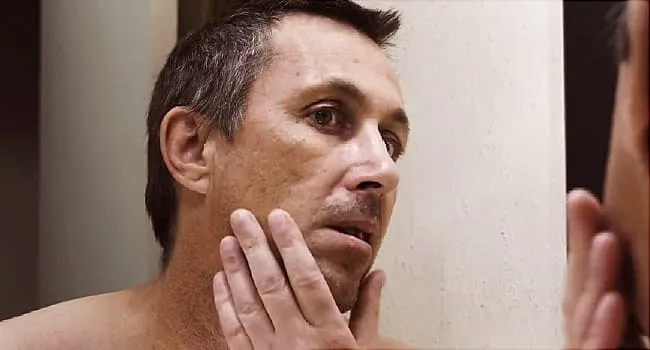
Facial psoriasis has a special talent for showing up exactly where you would prefer it not to: around the hairline, eyebrows, forehead, nose, upper lip, cheeks, and sometimes near the eyelids. Unlike a dry elbow patch you can hide under a sweater, facial psoriasis likes the spotlight. It can feel itchy, tight, flaky, tender, or simply annoying enough to make you side-eye every mirror in the house.
The good news? While psoriasis is a chronic immune-related skin condition, a gentle and consistent self-care routine can help calm irritation, protect the skin barrier, reduce visible flaking, and make flare-ups easier to manage. The goal is not to attack your face with every “miracle” serum on the internet. Your face is not a science fair volcano. The goal is to support sensitive skin, avoid common triggers, and work with your dermatologist when medication is needed.
This guide covers practical, dermatologist-aligned self-care tips for facial psoriasis, including cleansing, moisturizing, sun protection, makeup, shaving, stress management, trigger tracking, and real-life routines that actually fit into normal human life.
What Makes Facial Psoriasis Different?
Psoriasis happens when the immune system becomes overactive and speeds up the growth cycle of skin cells. Instead of shedding normally, cells build up and form inflamed, scaly patches. On the face, those patches may appear as dry, thickened, red, pink, purple, brown, or silvery areas depending on skin tone.
Facial psoriasis can be tricky because facial skin is thinner and more sensitive than skin on places like elbows, knees, or the scalp. Products that are tolerable on the body may sting, burn, or worsen irritation on the face. This is especially important around the eyes, where psoriasis may cause dryness, discomfort, redness, and in some cases vision-related concerns. If psoriasis appears on or near the eyelids, it is time to involve a dermatologist rather than freestyle with random creams from the bathroom cabinet.
Build a Gentle Facial Psoriasis Routine
1. Cleanse Like You Are Negotiating Peace
Facial psoriasis does not need aggressive scrubbing. In fact, scrubbing flakes off with enthusiasm usually makes the skin angrier. Choose a gentle, fragrance-free cleanser designed for sensitive skin. Wash with lukewarm water, not hot water, because heat can increase dryness and irritation.
Use your fingertips instead of a washcloth or cleansing brush. Pat the skin dry with a soft towel, leaving it slightly damp before applying moisturizer. Think of it as “spa day,” not “power-wash the driveway.”
2. Moisturize Early, Often, and Without Fragrance
Moisturizer is one of the simplest and most useful tools in facial psoriasis self-care. It helps reduce dryness, soften scale, improve comfort, and support the skin barrier. Look for fragrance-free creams or ointments with barrier-supporting ingredients such as ceramides, glycerin, hyaluronic acid, petrolatum, or dimethicone.
Apply moisturizer after washing your face, before sunscreen in the morning, and before bed at night. During a flare, you may need a thin layer more often throughout the day. Avoid “natural fragrance,” essential oils, heavy perfumes, and products that tingle. In skin care, “tingle” is often marketing language for “your face may file a complaint.”
3. Use Sunscreen Every Day
Sunburn can trigger or worsen psoriasis, so daily sun protection matters. Choose a broad-spectrum sunscreen with SPF 30 or higher. Many people with sensitive or psoriasis-prone facial skin prefer mineral sunscreens containing zinc oxide or titanium dioxide because they may be less irritating. Tinted mineral sunscreen can also help reduce the look of redness or discoloration without heavy makeup.
Apply sunscreen every morning to exposed skin, including the ears, neck, hairline, and around the brows if tolerated. Reapply when outdoors, sweating, or after wiping your face. The right sunscreen is the one you will actually wear, so texture matters. If one formula burns, pills, or makes you look like a powdered donut, try another.
Know What to Avoid During a Facial Psoriasis Flare
Skip Harsh Exfoliation
When flakes appear, it is tempting to exfoliate them into oblivion. Resist. Scrubs, strong acids, rough washcloths, cleansing brushes, and at-home peels can injure the skin and potentially trigger more psoriasis activity. This reaction, where psoriasis appears in areas of skin injury, is often called the Koebner phenomenon.
If scale is thick, ask a dermatologist whether a specific ingredient, such as low-strength salicylic acid, is appropriate for your face. Some scale-softening ingredients can be helpful on the scalp or body but too irritating near the eyes, nose, or mouth.
Avoid Fragranced Skin Care and Makeup
Fragrance is one of the most common irritants for sensitive skin. That includes perfume, essential oils, botanical extracts, and products labeled “clean” or “natural” that still smell like a boutique candle aisle. Choose fragrance-free products whenever possible.
Also be careful with alcohol-heavy toners, astringents, retinoids, benzoyl peroxide, strong vitamin C formulas, and “brightening” products during active flares. These may be useful for some skin concerns, but facial psoriasis usually prefers a minimalist routine.
Do Not Use Strong Steroid Creams on the Face Without Guidance
Topical corticosteroids are commonly used for psoriasis, but the face requires caution. Lower-potency options may be recommended for sensitive areas, while stronger steroids can increase the risk of side effects such as skin thinning, visible blood vessels, acne-like bumps, or irritation when used incorrectly. Dermatologists may also prescribe nonsteroid options, such as topical calcineurin inhibitors, vitamin D analogs, roflumilast, tapinarof, or other treatments depending on your skin and medical history.
Translation: prescription treatment can be very helpful, but the face is not the place for guessing games.
Self-Care Tips for Specific Facial Areas
Hairline and Forehead
Facial psoriasis often overlaps with scalp psoriasis around the hairline. Use a gentle facial cleanser on the forehead and a dermatologist-recommended shampoo or scalp treatment if plaques extend into the scalp. Keep hair products simple. Gels, sprays, dry shampoos, fragranced oils, and pomades can irritate skin along the hairline.
Eyebrows
Flaking in the eyebrows may be psoriasis, seborrheic dermatitis, or a combination of both. Avoid tweezing, waxing, or threading during a flare, because skin trauma can worsen symptoms. If you use brow makeup, choose fragrance-free products and remove them gently with a mild cleanser or micellar water followed by moisturizer.
Nose and Upper Lip
The folds around the nose and upper lip are easily irritated by wiping, blowing the nose, spicy food, toothpaste residue, and shaving. Use soft tissues, apply a thin layer of bland moisturizer or ointment to dry areas, and rinse away toothpaste residue after brushing. If patches crack, ooze, or become painful, check in with a healthcare provider to rule out infection or another skin condition.
Eyelids and Around the Eyes
Do not apply over-the-counter steroid creams, exfoliating acids, or psoriasis body products near the eyes unless your clinician specifically tells you to. The eye area is delicate, and irritation here can become more than cosmetic. If you notice eyelid swelling, eye pain, blurred vision, or persistent redness, seek medical care.
Makeup and Facial Psoriasis: How to Cover Without Causing Chaos
Makeup is optional. Confidence is not. Some people feel better bare-faced; others prefer a little coverage. If you use makeup, keep the routine gentle and removable.
Start with moisturizer and sunscreen. Let each layer settle before applying makeup. Choose noncomedogenic, fragrance-free products labeled for sensitive skin. Tinted mineral sunscreen, lightweight concealer, or a hydrating foundation can help even tone without creating a heavy, cracked look over plaques.
Avoid matte, drying formulas during flares because they can emphasize scale. Do not pick flakes before applying makeup. Instead, moisturize, wait, and use a damp sponge with light tapping motions. At night, remove makeup gently. Never sleep in it, even if you are exhausted and the couch has claimed you as family.
Shaving and Facial Hair Care
For people who shave facial hair, psoriasis can make grooming feel like defusing a tiny razor-shaped bomb. Use a sharp, clean razor or consider an electric trimmer to reduce friction. Shave after softening the skin with lukewarm water, use a fragrance-free shaving cream or gel, and shave in the direction of hair growth.
After shaving, rinse with cool or lukewarm water and apply a bland moisturizer. Skip alcohol-based aftershaves. They may smell classic, but your skin barrier may interpret them as betrayal.
Track Your Triggers Without Becoming a Detective in a Trench Coat
Common psoriasis triggers include stress, infections, skin injury, certain medications, smoking, heavy alcohol use, weather changes, and sometimes diet-related patterns. Triggers vary from person to person, so the best approach is simple tracking.
Keep notes for a few weeks. Record flare timing, sleep, stress, illness, new skin products, shaving, sun exposure, alcohol, and major diet changes. You do not need a 47-tab spreadsheet unless that brings you joy. A phone note works fine.
If you notice a pattern, bring it to your dermatologist. Do not stop prescribed medications because you suspect a connection; ask your healthcare provider first.
Manage Stress Because Your Skin Reads the Room
Stress does not mean psoriasis is “all in your head.” Psoriasis is immune-related and inflammatory. However, stress can influence flare-ups for many people, and facial symptoms can create more stress. That loop is unfair, but it is also common.
Helpful stress tools include short walks, breathing exercises, yoga, meditation, journaling, therapy, better sleep routines, and saying no to things that deserve a respectful but firm “absolutely not.” Even five minutes of slow breathing before bed can help your nervous system downshift.
Support Skin From the Inside, Without Falling for Miracle Cures
No single diet cures psoriasis. Still, general health habits can support the body and may help some people reduce flare severity. Aim for a balanced eating pattern with vegetables, fruits, whole grains, lean proteins, beans, nuts, and omega-3-rich fish if you eat seafood. Limit highly processed foods, excessive sugar, and heavy alcohol if you notice they worsen symptoms.
Staying hydrated helps overall health, but water alone will not moisturize plaques from the inside like a magical fountain. You still need topical moisturizer. Sleep and movement also matter because poor sleep and inactivity can increase stress on the body.
When to See a Dermatologist
Self-care is supportive, not a replacement for medical treatment. See a dermatologist if facial psoriasis is recurring, spreading, painful, affecting your eyes, not improving after a couple of months, or making daily life emotionally difficult. Also seek care if plaques crack, bleed, ooze, swell, or show signs of infection.
Modern psoriasis treatment has improved dramatically. Topical medicines, light therapy, oral medications, and biologics may be options depending on severity and location. You do not have to “just live with it” while your face stages a flaky rebellion.
A Simple Daily Routine for Facial Psoriasis
Morning Routine
Wash with a gentle fragrance-free cleanser or rinse with lukewarm water if your skin is very dry. Apply a fragrance-free moisturizer while skin is slightly damp. Use prescribed medication exactly as directed, allowing time between layers if your dermatologist recommends it. Finish with broad-spectrum SPF 30 or higher.
Evening Routine
Remove sunscreen and makeup gently. Cleanse without scrubbing. Apply prescribed treatment if part of your plan. Seal with moisturizer. If patches are very dry, ask your dermatologist whether a thin layer of petrolatum over moisturizer is appropriate for specific areas.
Flare-Day Routine
Keep it boring. Cleanser, medication if prescribed, moisturizer, sunscreen, and patience. Pause exfoliants, fragranced products, peels, waxing, and experimental serums until the skin calms.
Experiences Related to Self-Care Tips for Facial Psoriasis
Living with facial psoriasis is not just about managing skin. It is about managing mornings, mirrors, social plans, and the tiny emotional gymnastics that happen when your face decides to be unpredictable. Many people describe the first challenge as figuring out what is actually helping. One week a moisturizer feels soothing; the next week a new cleanser turns the cheeks into a five-alarm situation. That is why the most useful experience-based lesson is this: change one product at a time. If you introduce a new cleanser, sunscreen, and foundation on the same day, and your skin flares, you will have no idea which product started the drama.
Another common experience is the “flake panic” before work, school, dates, photos, or video calls. The instinct is to scrub, peel, or cover everything with heavy makeup. Unfortunately, that often makes the area look rougher by noon. A better approach is to soften first. Apply moisturizer, wait several minutes, then gently press on tinted sunscreen or a small amount of hydrating concealer if desired. The goal is not perfect skin texture. The goal is comfortable skin that can get through the day without cracking, burning, or making you think about it every seven seconds.
People with facial psoriasis also learn that confidence has to be practiced, not magically downloaded. Some days you may feel fine. Other days a flare near your eyebrow may feel like it has its own zip code. Having a simple sentence ready can help: “It is psoriasis; it is not contagious.” Most people do not need more information than that. You are not required to host a dermatology seminar in the grocery store aisle.
Weather is another real-life factor. Cold, dry air can make facial psoriasis tighter and flakier, while heat and sweat may sting. In winter, a richer moisturizer at night and a humidifier in the bedroom can make mornings less crispy. In summer, sunscreen becomes even more important, but texture matters. A greasy sunscreen may slide around; a drying one may sting. Finding the right formula can take trial and error, and that is normal.
Finally, the emotional side deserves attention. Facial psoriasis can affect self-esteem because it is visible. It may make people avoid photos, cancel plans, or feel uncomfortable being looked at closely. Self-care should include more than products. It can include support groups, therapy, honest conversations with friends, and dermatology visits focused not only on “how it looks” but also on how it feels to live with it. The most successful routines are usually gentle, repeatable, and realistic. They fit into real life, where people oversleep, run out of moisturizer, forget sunscreen occasionally, and still deserve kindness from themselves.
Conclusion
Facial psoriasis can be stubborn, visible, and emotionally exhausting, but thoughtful self-care can make a meaningful difference. The best routine is gentle, fragrance-free, consistent, and paired with medical treatment when needed. Cleanse softly, moisturize generously, protect against sunburn, avoid skin trauma, track triggers, and treat the face as the delicate real estate it is.
Most importantly, do not blame yourself for flare-ups. Psoriasis is not caused by poor hygiene, and it is not contagious. With the right care plan, support, and a little patience, your skin can become calmer, more comfortable, and less likely to hijack your day.