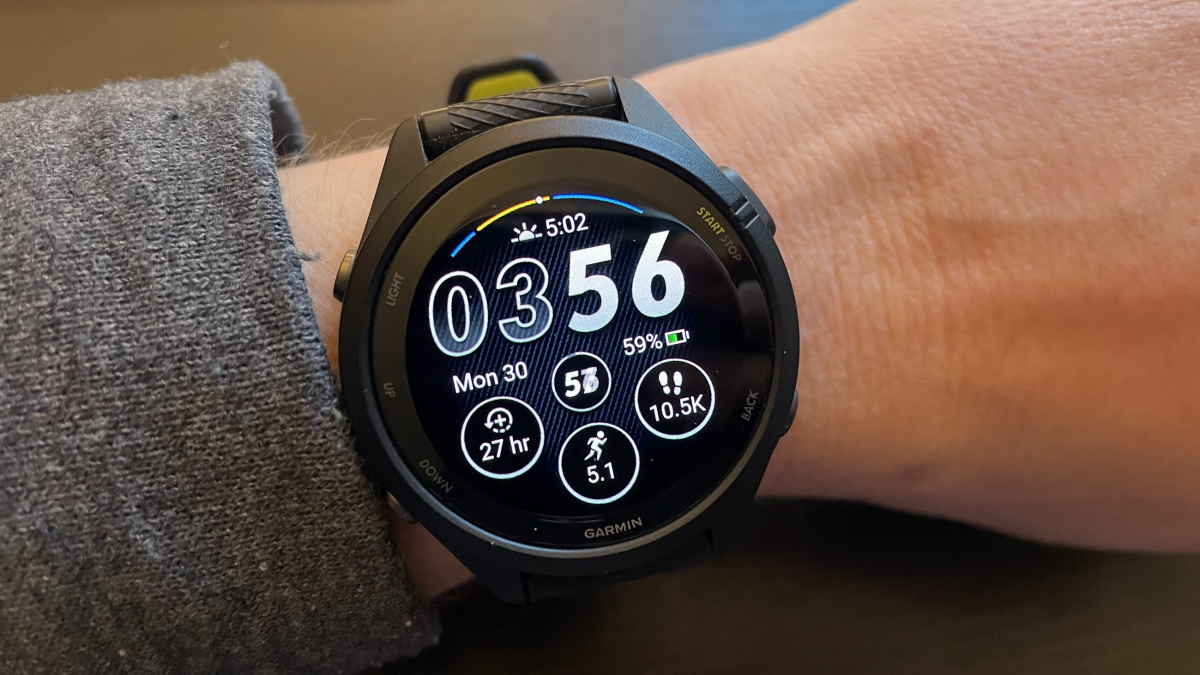
As a marathon runner, I have a complicated relationship with walking pads. On one hand, I love almost anything that helps people move more. On the other hand, I have spent enough long-run miles arguing with my hamstrings to know that not every fitness trend deserves a victory lap.
Walking padsalso called under-desk treadmills or compact treadmillshave exploded in popularity for a simple reason: modern life involves a heroic amount of sitting. We sit for work, sit in traffic, sit to watch TV, and then wonder why our hips feel like they were assembled with old office furniture. A walking pad promises a tempting solution: slide a slim treadmill under your desk, stroll while answering emails, and quietly become the kind of person who “gets steps in” before lunch.
After using walking pads through the lens of a distance runner, I can say this: they are not magic, they are not a marathon training replacement, and they will not turn a spreadsheet session into the Boston Marathon. But they can be surprisingly useful. They are best when treated as a movement tool, not a performance machine. Think of them as the fitness equivalent of sneaking vegetables into pasta saucesmall, practical, and more powerful than they look.
What Is a Walking Pad?
A walking pad is a compact treadmill designed mostly for low-speed walking. Unlike a traditional treadmill, many models do not have large handrails, bulky consoles, steep incline motors, or high top speeds. Most are built to fit under a standing desk, bed, or sofa, which makes them especially attractive for apartments, home offices, and anyone whose “gym room” is actually a corner between the laundry basket and a suspicious pile of charging cables.
Most walking pads are designed for speeds around 0.5 to 4 miles per hour, although some hybrid models go faster. They usually have a smaller motor, shorter belt, remote control, LED display, and wheels for storage. The basic idea is simple: instead of sitting for hours, you walk slowly while working, watching TV, taking calls, or reading.
Why a Marathon Runner Even Cares About Walking Pads
Marathon runners already walk and run plenty, right? Yes and no. Training for 26.2 miles includes long runs, speed work, easy runs, strength training, mobility, and recovery. But many runners still spend the rest of the day sitting at a desk. That matters because a one-hour run does not automatically erase eight or nine hours of stillness.
Walking pads help solve a different problem from running. They are not about improving your 10K pace. They are about reducing sedentary time, improving circulation, and making gentle movement easier to fit into normal life. For runners, that can support recovery. For non-runners, it can make daily physical activity feel less like a dramatic life makeover and more like something you can do while answering emails about a meeting that could absolutely have been a message.
What I Love About Walking Pads
1. They Make Movement Ridiculously Convenient
The best exercise is often the exercise you can actually repeat. Walking pads remove several common barriers: bad weather, lack of time, gym anxiety, neighborhood safety concerns, and the motivational black hole that appears after dinner. You do not need to change clothes, pack a bag, or negotiate with the weather app. You just step on and move.
For people who work from home, this convenience is huge. A 20-minute walk during email cleanup, a 10-minute stroll after lunch, and another 15 minutes during a webinar can add up quickly. That kind of low-friction movement is where walking pads shine.
2. They Help Break Up Sitting Time
Health organizations consistently encourage adults to move more and sit less. Walking pads are useful because they make movement part of the day instead of something squeezed into the margins. You can still do a traditional workout, but the walking pad helps fill the long inactive spaces between workouts.
As a runner, I notice the difference most in my hips, calves, and lower back. On days when I sit too long, my first mile often feels like I borrowed someone else’s legs. Gentle walking keeps my body warmer and less stiff, especially during heavy training blocks.
3. They Are Great for Easy Recovery Movement
After a long run, I do not always want another “workout.” But I do want blood flow. Easy walking can help loosen the legs without adding much stress. A walking pad lets me keep the effort extremely low, which is the point. Recovery walking should feel almost boring. If you are sweating like you are being chased by a goose, you are doing too much.
For marathon runners, this can be especially helpful the day after a long run or workout. Ten to thirty minutes at a gentle pace may help reduce that wooden-leg feeling. It is not a cure-all, but it is more productive than sitting frozen in one position while your calves file a complaint.
4. They Make Winter and Bad-Weather Walking Easier
Outdoor walking is wonderful until it is raining sideways, freezing, dangerously hot, or covered in enough pollen to turn your face into a faucet. A walking pad gives you an indoor backup plan. This is especially helpful for people who want consistent steps but do not always have safe or comfortable outdoor conditions.
For runners, consistency matters. A walking pad will not replace outdoor training, but it can keep daily movement steady when the weather is being dramatic.
5. They Can Improve Focus for Certain Tasks
Slow walking can be surprisingly good for light work: reading, brainstorming, phone calls, webinars, inbox sorting, and simple admin tasks. I often feel more alert when walking gently than when sitting in a chair and slowly merging with it.
The trick is matching the task to the pace. Walking while thinking through ideas? Great. Walking while editing a tiny spreadsheet formula that could ruin your entire budget? Maybe sit down, my friend.
What I Hate About Walking Pads
1. Many Belts Are Too Short for Tall or Long-Striding Users
This is my biggest complaint as a runner. Many walking pads are compact, which is great for storage but not always great for stride comfort. If the belt is too short or narrow, you may shorten your stride, stare down at your feet, or feel like you are walking on a moving doormat.
Before buying, check the belt length and width, not just the total machine size. A longer belt usually feels more natural, especially for taller users or anyone with a naturally long stride.
2. They Are Not Built for Real Running
Despite the marketing, most walking pads are for walking. Even if a model technically reaches jogging speed, that does not mean it feels stable, spacious, or durable enough for regular running. Traditional treadmills usually have stronger motors, better cushioning, larger belts, sturdier frames, and safety rails.
As a marathon runner, I would not use a typical walking pad for tempo runs, intervals, hill workouts, or long treadmill runs. That is like using a butter knife to chop firewood: bold, but not wise.
3. Cheap Models Can Feel Flimsy
Walking pads range from budget-friendly to surprisingly expensive. Some affordable models work well for light use, but others have questionable motors, short warranties, inaccurate speed readings, or mystery-brand customer service that disappears faster than snacks after a long run.
Look for weight capacity, warranty, return policy, motor rating, belt dimensions, noise level, and user reviews that mention long-term use. A walking pad does not need to be fancy, but it should feel stable and safe.
4. Typing While Walking Has a Learning Curve
Walking and typing at the same time sounds easy until your sentence becomes “Please find attached the quarterly banana report.” Slow speeds help, but not every task works well on a walking pad. Precision work, design tasks, detailed editing, coding, and intense writing may be easier while sitting or standing still.
My sweet spot is usually 1 to 2 miles per hour for work tasks. Faster than that, my typing gets weird and my mouse control starts acting like it had espresso.
5. Safety Matters More Than People Admit
Because walking pads look simple, it is easy to underestimate them. But they are still moving belts. You can trip, step off awkwardly, lose balance, or get distracted. Use the safety key if your model has one, start slowly, keep the area clear, wear proper shoes, and avoid multitasking with anything that requires intense focus or sudden movements.
Set the walking pad on a flat surface, keep cords out of the way, and avoid using it when you are exhausted. Marathon runners know fatigue makes everyone clumsy. The floor does not care about your weekly mileage.
Walking Pad vs. Treadmill: Which One Is Better?
A walking pad is better for low-speed movement, desk use, small spaces, and casual daily steps. A traditional treadmill is better for running, incline workouts, speed sessions, and structured cardio training. They overlap, but they are not the same tool.
If your goal is to walk while working, choose a walking pad. If your goal is to train for races indoors, buy a real treadmill. If your goal is to convince yourself you will use both every day forever, please also budget for honesty.
How to Choose a Good Walking Pad
Check Belt Size First
A bigger belt usually means a more comfortable stride. Compact storage is nice, but not if you feel trapped while walking. Taller users should pay extra attention to belt length.
Look at Speed Range
For desk walking, 0.5 to 4 miles per hour is usually enough. For jogging, consider a sturdier hybrid model with rails and a higher top speed, but understand that it still may not replace a full treadmill.
Consider Noise and Vibration
If you live upstairs, work near other people, or take video calls, noise matters. Some walking pads are quiet enough for calls; others sound like a suitcase full of bees. A treadmill mat can help reduce vibration.
Review Weight Capacity and Warranty
Choose a model with a user weight capacity comfortably above your body weight. A better warranty can also signal stronger build quality, especially if you plan to use the walking pad daily.
Think About Storage
Measure your space before buying. Check height, length, wheel placement, and whether the machine can slide under furniture. “Compact” means nothing if it becomes a permanent hallway obstacle.
How I Use a Walking Pad Without Overdoing It
My rule is simple: walking pad time should support my running, not sabotage it. On hard training days, I keep it short and easy. On rest days, I use it for light movement, not secret extra cardio. During peak marathon training, I am especially careful because the body does not care whether steps came from a run, a walking pad, or pacing around the kitchen wondering where I put my keys.
A realistic routine might look like this:
- 10 minutes after breakfast to loosen up
- 20 to 30 minutes during emails or calls
- 10 minutes after lunch for digestion and energy
- Short recovery walks on non-running days
That is enough to reduce sitting without turning every workday into an accidental ultra-marathon.
Who Should Consider a Walking Pad?
A walking pad may be a smart buy if you work from home, sit for long periods, want more daily steps, dislike bad-weather walks, or need low-impact movement. It can also be useful for runners who want gentle recovery movement without adding intensity.
It may not be ideal if you have balance issues, need handrails, want to run fast, live in a noise-sensitive building, or do work that requires constant precision. Anyone with medical concerns, recent injuries, or dizziness should get professional guidance before using one.
My Marathon Runner Verdict: Love It, With Conditions
I love walking pads for what they are: simple movement machines that make it easier to stop sitting all day. I hate them when they are marketed as miracle fitness devices or mini treadmills that can do everything. They cannot.
A walking pad will not replace long runs, strength training, outdoor walks, mobility work, or a well-rounded fitness routine. But it can make everyday movement easier, and that is not a small thing. Health is often built in boring little blocks: a walk after lunch, a stretch before bed, a few extra steps during a meeting. Walking pads make those blocks easier to stack.
For a marathon runner, the walking pad is not the star of the show. It is the reliable supporting characterthe one who keeps the plot moving while the flashy workouts get all the applause.
Extra Experience Notes: What I Learned After Living With a Walking Pad
The first thing I learned is that walking pads reveal your habits with uncomfortable honesty. Before using one regularly, I assumed I moved a lot because I run. Then I looked at my non-running hours and realized I had the daytime movement pattern of a decorative houseplant. A morning run felt great, but afterward I could sit for hours without noticing. The walking pad changed that by making movement visible and easy.
At first, I made the classic mistake: too much, too soon. Because the pace felt easy, I stayed on longer than planned. One hour became two. Two became “why are my feet tired when I barely exercised?” That was the lesson. Low intensity is still volume. If you are marathon training, walking-pad miles count as time on your feet. They may not feel hard in the moment, but they can add fatigue, especially in the calves, arches, and hips.
My best results came when I used the walking pad in short blocks. Ten or twenty minutes at a time felt refreshing. It helped me warm up before easy runs and kept me from stiffening after long runs. I especially liked using it during casual calls, podcast listening, or reading articles. For deep writing, I had mixed results. Some brainstorming improved because walking loosened my thoughts. But final edits? No. My commas started wandering around like tourists.
Shoes also mattered more than expected. Barefoot walking seemed comfortable for about five minutes, then my feet informed me they had formed a committee and voted against it. Lightweight running shoes worked best. I also learned to keep the speed humble. Desk walking is not a race. Around 1.5 miles per hour, I could work comfortably. Above 2.5, my attention shifted from the screen to staying coordinated, which is not ideal when writing anything more complex than “sounds good, thanks.”
Storage was another reality check. A walking pad is compact compared with a treadmill, but it is still a piece of equipment. If it is annoying to pull out, plug in, and move, you will use it less. The best setup is the one that removes friction. I kept mine near the desk with a mat underneath, which made it easy to step on for short sessions. Convenience is not a bonus feature; it is the whole point.
Would I recommend one? Yes, with realistic expectations. A walking pad is not a personality, a training plan, or a shortcut to elite fitness. It is a tool. For me, it works best as active recovery, desk movement, and a way to keep my body from turning into office furniture between runs. I still want outdoor miles, fresh air, hills, sunlight, and the occasional dramatic finish to a workout. But for ordinary weekdays, the walking pad earns its spot. It makes movement easier, and sometimes easier is exactly what makes a habit stick.
Conclusion
Walking pads are not perfect, but they solve a real problem: too many people spend too much of the day sitting. From a marathon runner’s perspective, their biggest strength is not intense fitness; it is consistency. They help add gentle, repeatable movement to normal routines, especially for remote workers, busy professionals, and runners who want easy recovery steps.
The downsides are real. Some models are flimsy, belts can be too short, typing takes practice, and safety should not be ignored. But when you choose the right model and use it wisely, a walking pad can be a practical, low-impact way to move more without making your life feel like one long fitness challenge.
My honest take: I love walking pads as a daily movement tool. I hate the hype that makes them sound like tiny treadmills with superhero powers. Use one for what it does besteasy walking, less sitting, better workday energyand it may become one of the simplest upgrades in your fitness routine.