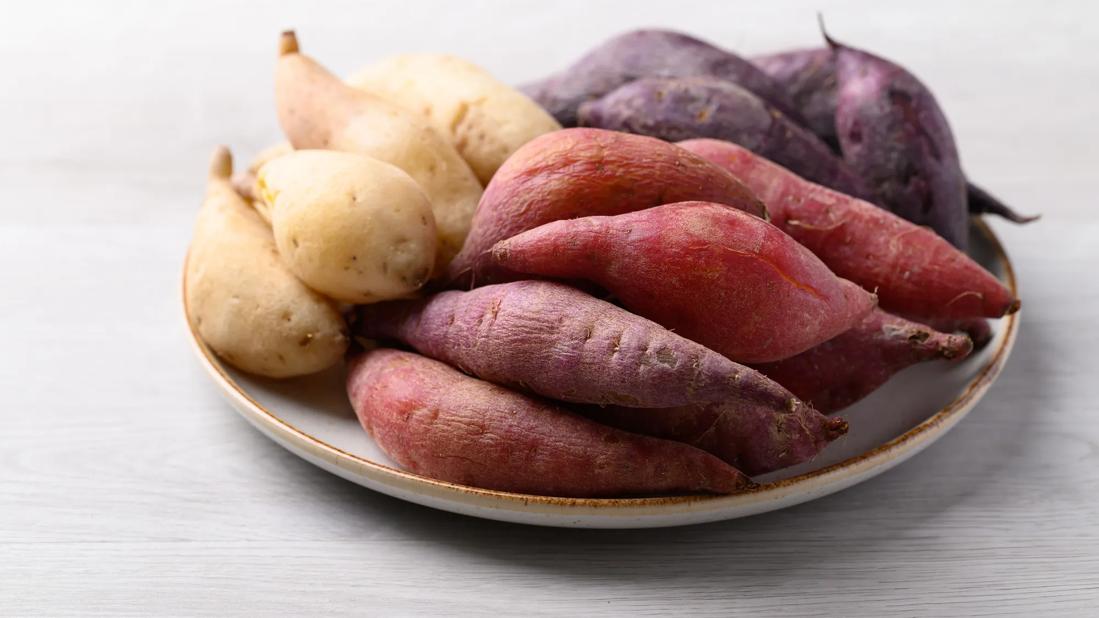
Sweet potatoes have a way of making healthy eating feel suspiciously cozy. They are naturally sweet, beautifully orange, easy to roast, mash, bake, stuff, cube, or sneak into breakfast, and they do not require a culinary degree or a dramatic kitchen torch to taste good. But beyond their comfort-food personality, sweet potatoes are genuinely nutrient-dense. They deliver fiber, potassium, vitamin C, manganese, vitamin B6, antioxidants, and a famous orange pigment called beta-carotene, which the body can convert into vitamin A.
That combination makes sweet potatoes much more than a Thanksgiving side dish hiding under marshmallows. When prepared simply and paired wisely, they can support eye health, digestion, heart health, immune function, blood sugar balance, and long-lasting energy. In other words, the sweet potato is not just wearing a health halo because it is orange and polite. It has the nutrition facts to back it up.
This guide breaks down the biggest sweet potato benefits, explains why they matter, and shows practical ways to enjoy them without turning every serving into dessert wearing a vegetable costume.
Are Sweet Potatoes Healthy?
Yes, sweet potatoes are healthy for most people. They are whole-food carbohydrates, meaning they provide energy along with useful nutrients instead of empty calories. A medium sweet potato is naturally low in fat, contains no cholesterol, and offers a helpful mix of fiber, vitamins, minerals, and plant compounds. Orange sweet potatoes are especially rich in beta-carotene, while purple sweet potatoes contain anthocyanins, the same family of colorful antioxidants found in foods like blueberries and purple cabbage.
Of course, preparation matters. A baked sweet potato topped with olive oil, Greek yogurt, black beans, cinnamon, or herbs is a different nutritional story from sweet potato fries deep-fried and salted like they are trying to win a county fair. Sweet potatoes are healthy, but they are not magic. They work best as part of a balanced plate with protein, healthy fats, and non-starchy vegetables.
1. Sweet Potatoes Support Eye Health With Beta-Carotene
One of the best-known benefits of sweet potatoes comes from their bright orange color. That glow is largely due to beta-carotene, a plant pigment and antioxidant that the body can convert into vitamin A. Vitamin A plays a key role in healthy vision, especially the ability to see in low-light conditions. It also helps maintain the surface of the eye, including the cornea.
No, eating sweet potatoes will not give you superhero night vision. You will not suddenly spot your keys in a dark room like a nutrition-powered owl. But getting enough vitamin A does help support normal eye function. For people who do not eat much dairy, eggs, fish, or other vitamin A sources, orange vegetables like sweet potatoes can be a valuable addition.
How to get more beta-carotene from sweet potatoes
Beta-carotene is fat-soluble, which means your body absorbs it better when you eat it with a little fat. That does not mean drowning your sweet potato in butter. A small drizzle of olive oil, a spoonful of tahini, sliced avocado, chopped nuts, or a side of salmon can help your body make better use of those carotenoids.
Cooking also makes beta-carotene easier to access because heat softens plant cell walls. Roasting, steaming, baking, and boiling are all useful options. Keeping the skin on adds extra fiber and antioxidants, as long as you scrub it well first.
2. Sweet Potatoes Promote Better Digestion
Sweet potatoes are a good source of dietary fiber, and fiber is one of the most underrated nutrients in the American diet. Fiber helps keep digestion moving, supports regular bowel movements, and feeds beneficial gut bacteria. That is not glamorous, but neither is a sluggish digestive system. Sometimes health is simply being able to zip your jeans without negotiating with your intestines.
Sweet potatoes contain both soluble and insoluble fiber. Soluble fiber forms a gel-like texture in the digestive tract, which can slow digestion and help with fullness. Insoluble fiber adds bulk to stool and helps food move through the intestines. Together, they make sweet potatoes a gut-friendly carbohydrate choice.
Why the skin matters
If you peel sweet potatoes every time, you may be tossing out some helpful fiber. The skin contributes texture, nutrients, and plant compounds. Try cutting scrubbed sweet potatoes into wedges, roasting them skin-on, and seasoning them with smoked paprika, garlic powder, rosemary, or cinnamon. The result is crisp at the edges, soft in the center, and far more exciting than a plain boiled vegetable pretending to have a personality.
3. Sweet Potatoes Can Support Heart Health
Sweet potatoes can fit beautifully into a heart-healthy eating pattern. They provide potassium, a mineral that helps balance sodium in the body and supports healthy blood pressure. Potassium is important for normal muscle and nerve function, including the heart muscle. Many people eat too much sodium and not enough potassium-rich whole foods, so adding vegetables like sweet potatoes can help improve that balance.
Fiber also plays a role in heart health. Diets higher in fiber are associated with better cholesterol levels and improved cardiometabolic health. Sweet potatoes will not cancel out a diet built on processed meats, sugary drinks, and couch-based cardio, but they can be one smart part of a bigger heart-friendly pattern.
Heart-smart serving ideas
For a simple heart-conscious meal, top a baked sweet potato with black beans, salsa, avocado, chopped cilantro, and a squeeze of lime. You get fiber from the sweet potato and beans, potassium from the sweet potato and avocado, and plenty of flavor without needing a salt avalanche. Another option is a roasted sweet potato bowl with leafy greens, grilled chicken or tofu, pumpkin seeds, and a yogurt-herb sauce.
People with kidney disease or those who have been told to limit potassium should speak with a healthcare professional before increasing high-potassium foods. For most healthy adults, however, potassium-rich vegetables are a major nutritional win.
4. Sweet Potatoes Offer Steady Energy
Carbohydrates are often treated like the villain in a low-budget nutrition drama, but the body needs carbohydrates for energy. The key is choosing carbohydrates that bring nutrients to the party. Sweet potatoes do exactly that. They contain complex carbohydrates, fiber, and micronutrients, making them a better choice than many refined starches.
Because sweet potatoes contain fiber, they digest more slowly than foods made mostly from refined flour or added sugar. That slower digestion can help provide steadier energy. This is especially useful for busy mornings, active afternoons, or workout days when your body needs fuel that does not disappear after one dramatic blood sugar spike.
Great before or after exercise
Sweet potatoes are popular among athletes and active people because they provide carbohydrates along with potassium and other nutrients. Try a baked sweet potato with eggs for breakfast, roasted sweet potato cubes with chicken after a workout, or mashed sweet potato with lentils for a plant-based recovery meal. The goal is not to eat a mountain of sweet potatoes. The goal is to use them as a satisfying, nutrient-rich energy source.
5. Sweet Potatoes Help With Fullness and Weight Management
No single food causes weight loss by itself, despite what the internet sometimes promises while waving a before-and-after photo like a magic wand. However, sweet potatoes can support weight management because they are filling, flavorful, and fiber-rich. Foods that help you feel satisfied can make it easier to build meals that are nourishing without feeling like punishment.
A medium sweet potato can be surprisingly satisfying, especially when paired with protein and healthy fat. Compare that with a bowl of chips or a sugary snack that disappears quickly and leaves you looking for the next snack fifteen minutes later. Sweet potatoes offer volume, texture, natural sweetness, and nutrients in one package.
Use sweet potatoes to upgrade meals
Instead of thinking of sweet potatoes only as a side dish, use them as a base. Stuff one with turkey chili, chickpeas, cottage cheese, scrambled eggs, or sautéed vegetables. Add them to grain bowls, soups, tacos, salads, or breakfast hash. Their natural sweetness also helps reduce the need for heavy sauces or added sugar.
Portion still matters. Sweet potatoes are nutritious, but they are still a carbohydrate-rich food. A good everyday serving might be one medium sweet potato or about one cup cooked, depending on your energy needs, activity level, and overall meal plan.
6. Sweet Potatoes Provide Antioxidants That Protect Cells
Sweet potatoes contain antioxidants, which are compounds that help protect cells from oxidative stress. Oxidative stress is a normal part of life, but too much of it is linked with inflammation and chronic disease risk. Eating a variety of colorful plant foods gives your body different antioxidants that work in different ways.
Orange sweet potatoes are rich in beta-carotene. Purple sweet potatoes contain anthocyanins. White and yellow varieties still offer useful nutrients, though their antioxidant profiles differ. This is why “eat the rainbow” is more than a cute phrase for lunchbox posters. Different colors often signal different plant compounds.
Orange vs. purple sweet potatoes
If you usually buy orange sweet potatoes, keep doing that. They are widely available, affordable, and rich in beta-carotene. But if you spot purple sweet potatoes at a farmers market or grocery store, try them. They have a denser texture, earthy sweetness, and a gorgeous color that makes dinner look like you tried harder than you did. Purple sweet potatoes are especially good roasted, steamed, or mashed with a little olive oil and sea salt.
Sweet Potatoes and Blood Sugar: What to Know
Sweet potatoes taste sweet, so it is reasonable to wonder whether they are good for blood sugar. The answer depends on portion size, preparation, and what you eat with them. Sweet potatoes contain carbohydrates, so they can raise blood sugar. However, they also provide fiber and nutrients, making them a smarter carbohydrate choice than many refined foods.
Boiled or steamed sweet potatoes may have a gentler effect on blood sugar than fried or heavily roasted versions, depending on cooking time and variety. Pairing sweet potatoes with protein, healthy fat, and non-starchy vegetables can also help slow digestion. For example, a sweet potato with grilled chicken and broccoli is likely to be more blood-sugar-friendly than a giant sweet potato casserole loaded with brown sugar and marshmallows.
People with diabetes do not necessarily need to avoid sweet potatoes, but they should watch portions and monitor how their own body responds. A registered dietitian or healthcare provider can help personalize carbohydrate choices.
Best Ways to Cook Sweet Potatoes
Sweet potatoes are flexible enough to handle almost any cooking method. The healthiest option depends on what you add and how often you eat it.
Baked sweet potatoes
Baking brings out natural sweetness and creates a soft, creamy center. Slice one open and add Greek yogurt, cinnamon, black beans, herbs, or a small drizzle of olive oil.
Roasted sweet potatoes
Roasting creates caramelized edges and deep flavor. Cut them into cubes or wedges, toss lightly with olive oil, and season with paprika, cumin, garlic, rosemary, or chili powder.
Steamed sweet potatoes
Steaming keeps the texture moist and works well for meal prep. Steamed cubes can be added to salads, bowls, soups, or breakfast plates.
Mashed sweet potatoes
Mash them with a splash of milk, olive oil, cinnamon, nutmeg, or roasted garlic. You do not need a pile of sugar to make them taste rich.
Air-fried sweet potatoes
Air frying can deliver crisp edges with less oil than deep frying. Keep the seasoning bold and the oil modest.
Common Mistakes That Make Sweet Potatoes Less Healthy
Sweet potatoes are nutritious, but the toppings can turn them from everyday health food into dessert wearing a vegetable hat. Here are a few mistakes to avoid:
- Adding too much sugar: Sweet potatoes already have natural sweetness. Cinnamon, vanilla, nutmeg, or orange zest can boost flavor without much added sugar.
- Deep frying too often: Sweet potato fries can be delicious, but deep frying adds extra fat and calories. Enjoy them occasionally, not as the only way you eat sweet potatoes.
- Skipping protein: A sweet potato alone may not keep you full for long. Pair it with eggs, fish, beans, tofu, turkey, yogurt, or cottage cheese.
- Peeling every time: The skin adds fiber and texture. Scrub it well and keep it when possible.
- Oversized portions: Bigger is not always better. Choose a portion that fits your meal and energy needs.
Simple Sweet Potato Meal Ideas
Need practical inspiration? Try these easy combinations:
- Breakfast hash: Roasted sweet potatoes with eggs, spinach, onions, and avocado.
- Loaded lunch potato: Baked sweet potato with black beans, salsa, Greek yogurt, and cilantro.
- Sheet-pan dinner: Sweet potato cubes with salmon, broccoli, olive oil, garlic, and lemon.
- Vegetarian bowl: Sweet potatoes with quinoa, chickpeas, kale, tahini, and pumpkin seeds.
- Cozy soup: Sweet potato, carrots, ginger, lentils, and vegetable broth blended until creamy.
- Snack plate: Roasted sweet potato wedges with hummus or a yogurt-based dip.
Personal Experience: What Sweet Potatoes Teach Us About Healthy Eating
One of the best things about sweet potatoes is that they make healthy eating feel normal, not dramatic. Some “healthy foods” arrive with a long list of instructions, a high price tag, and the emotional warmth of a cardboard bookmark. Sweet potatoes are different. They are affordable, easy to find, simple to cook, and friendly to almost every style of eating. You can put them in a meal-prep container on Sunday and still feel grateful on Wednesday, which is more than many leftovers can claim.
In real life, sweet potatoes are useful because they solve several food problems at once. Need a quick lunch? Microwave a sweet potato, split it open, and add beans, salsa, and avocado. Need a kid-friendly vegetable? Roast sweet potato wedges until the edges caramelize and serve them with a dip. Need something filling after a workout? Pair mashed sweet potatoes with grilled chicken, tofu, or eggs. Need a comforting dinner that does not leave you feeling like you swallowed a bowling ball? Make a sweet potato and lentil soup with ginger, garlic, and a little coconut milk.
The experience of eating sweet potatoes regularly also shows how small upgrades matter. You do not have to overhaul your entire diet overnight. Replacing a refined side dish with roasted sweet potatoes can add fiber, potassium, and antioxidants to the plate. Keeping the skin on can increase texture and fullness. Pairing sweet potatoes with protein can turn a snack into a balanced meal. Adding herbs and spices can make the dish feel restaurant-level without requiring a sauce made mostly of sugar and salt.
Another practical lesson is that healthy food has to taste good or it will not last. People rarely stick with meals they resent. Sweet potatoes are naturally satisfying because they bring sweetness, creaminess, and color. They can lean savory with chili powder and lime, cozy with cinnamon and nutmeg, fresh with yogurt and herbs, or hearty with beans and greens. That flexibility keeps them from becoming boring. And boredom is the silent villain of many healthy eating plans.
Sweet potatoes also remind us that carbohydrates are not the enemy. The quality of the carbohydrate matters. A sweet potato comes packaged with fiber, water, minerals, and plant compounds. That is very different from a sugary drink or refined pastry. When you eat sweet potatoes in reasonable portions and combine them with protein, fat, and vegetables, they can help create meals that feel satisfying and steady rather than restrictive.
For anyone trying to build a healthier routine, sweet potatoes are a dependable starting point. They do not require perfection. They only ask to be washed, cooked, seasoned, and not buried beyond recognition under a mountain of marshmallows every single time. Keep them simple most days, dress them up when you want something special, and let them prove that nutritious food can be both useful and genuinely enjoyable.
Conclusion
Sweet potatoes deserve their healthy reputation. They support eye health with beta-carotene, promote digestion with fiber, contribute to heart health with potassium and nutrient density, provide steady energy, help with fullness, and offer antioxidants that support overall wellness. They are also easy to cook, budget-friendly, and versatile enough for breakfast, lunch, dinner, and snacks.
The healthiest way to enjoy sweet potatoes is to keep the preparation balanced. Choose baking, steaming, roasting, boiling, or air frying more often than deep frying. Eat the skin when you can. Pair them with protein and healthy fats. Use spices, herbs, citrus, yogurt, beans, greens, or olive oil instead of relying on sugar-heavy toppings.
Sweet potatoes are not a miracle food, but they are a smart, delicious, nutrient-rich food. And honestly, that is better. Miracle foods usually come with hype. Sweet potatoes come with fiber, flavor, and the ability to make Tuesday dinner feel like you made an effort.