Note: This is an original, web-ready HTML article written in standard American English and based on established Bernese Mountain Dog grooming guidance from veterinary, breed, and professional pet-care sources. No source links are included per request.
A Bernese Mountain Dog can look like a walking postcard from the Swiss Alps: glossy black coat, snow-white chest, rust-colored eyebrows, and enough majestic fluff to make your vacuum question its life choices. But that gorgeous tri-color coat does not maintain itself. If you share your home with a Berner, grooming is not a once-in-a-while luxury. It is part health care, part bonding ritual, and part fur-management survival strategy.
The good news? Bernese Mountain Dogs are not usually complicated to groom. They do not need fancy sculpting, dramatic haircuts, or show-poodle geometry. In fact, their natural coat is part of their charm. The challenge is consistency. Their thick double coat sheds year-round, sheds heavily during seasonal coat changes, and can develop mats in sneaky places such as behind the ears, under the collar, around the tail, and in the fluffy “pants” on the back legs.
This guide explains how to groom a Bernese Mountain Dog at home, which tools to use, how often to brush and bathe, what to avoid, and when a professional groomer can make life easier. Think of it as a practical roadmap for keeping your Berner clean, comfortable, and photo-readywithout turning your living room into a fur-themed snow globe.
Understanding the Bernese Mountain Dog Coat
Before picking up a brush, it helps to understand what you are working with. The Bernese Mountain Dog has a thick double coat. The outer coat is longer, slightly wavy or straight, and helps protect the dog from dirt, weather, and moisture. Beneath it is a dense undercoat that provides insulation. This undercoat is the reason Berners look so plushand the reason your black pants may never be the same again.
Because the coat is designed for protection, it should not be shaved for routine grooming. Shaving a Bernese Mountain Dog can interfere with the natural function of the coat, increase the risk of uneven regrowth, and expose the skin to sun and irritation. In warm weather, the answer is not a buzz cut. The better plan is shade, fresh water, indoor cooling, regular brushing, and removing dead undercoat so air can move through the coat more effectively.
How Often Should You Groom a Bernese Mountain Dog?
For most Berners, a realistic grooming schedule looks like this:
- Brushing: Two to four times per week, with daily brushing during heavy shedding seasons.
- Bathing: About every six to eight weeks, or whenever the dog is dirty or smelly.
- Nail trimming: Every three to four weeks, depending on growth and activity level.
- Ear checks: Weekly, especially after bathing, swimming, or rainy walks.
- Teeth brushing: Daily if possible, or several times per week as a practical goal.
- Professional grooming: Every six to twelve weeks if you want help with bathing, drying, de-shedding, nails, paws, and sanitary trimming.
The exact routine depends on your dog’s lifestyle. A Berner who hikes muddy trails, rolls in leaves, and treats puddles like luxury spas will need more coat maintenance than one who prefers air conditioning and moral support from the couch.
Essential Tools for Grooming a Bernese Mountain Dog
The right tools make grooming faster, safer, and less frustrating. You do not need to buy every gadget in the pet aisle, but a few quality basics are worth it.
1. Slicker Brush
A slicker brush helps remove loose hair and work through light tangles. Use a gentle hand. Pressing too hard can scratch the skin and make your dog dislike grooming. For a Berner, choose a sturdy brush designed for medium-to-long coats.
2. Undercoat Rake
This is one of the most useful tools for a Bernese Mountain Dog. An undercoat rake reaches through the longer outer coat and helps pull out loose, dead undercoat. During shedding season, it can remove an astonishing amount of fur. Do not dig or drag aggressively. Let the tool do the work.
3. Metal Comb
A wide-tooth and fine-tooth metal comb is excellent for checking your work. After brushing, run the comb through common trouble spots. If it catches, there is still a tangle hiding in the coat.
4. Pin Brush
A pin brush is useful for finishing the coat and gently brushing feathering on the legs, chest, and tail. It helps keep the coat looking natural and neat without stripping too much hair.
5. Dog Shampoo and Conditioner
Use a dog-safe shampoo, ideally one made for thick or double coats. Avoid human shampoo because a dog’s skin has a different pH balance. A light conditioner or conditioning spray can help reduce static, protect the coat, and make brushing easier.
6. High-Velocity Dryer or Strong Pet Dryer
A thick Berner coat can stay damp deep near the skin long after the outer layer feels dry. A pet dryer helps push water and loose undercoat out of the coat. This is especially helpful after baths and during coat-blowing season.
7. Nail Clippers or Grinder
Large dogs need strong, sharp nail clippers or a pet nail grinder. Dull clippers crush rather than cut, which can be uncomfortable. Keep styptic powder nearby in case you nick the quick.
Step-by-Step: How to Brush a Bernese Mountain Dog
Brushing is the heart of Bernese Mountain Dog grooming. It keeps the coat healthy, reduces shedding, prevents mats, and gives you a chance to notice skin issues, ticks, burrs, lumps, or sore spots early.
Step 1: Choose the Right Location
Brush your Berner in a comfortable, non-slip area. Many owners prefer grooming outside during shedding season because the fur can drift like confetti at a parade. If you groom indoors, place a towel or mat under your dog and keep a trash bag nearby for loose hair.
Step 2: Start With a Quick Full-Body Check
Run your hands over the coat before brushing. Feel for mats, burrs, damp areas, skin irritation, or tender spots. Check behind the ears, under the collar, under the front legs, along the belly, around the tail, and behind the thighs. These are the classic “I swear that mat was not there yesterday” zones.
Step 3: Use the Undercoat Rake
Begin with the undercoat rake on the body, shoulders, sides, and hindquarters. Work in the direction of hair growth using short, gentle strokes. Do not rake the same area repeatedly until it becomes irritated. During heavy shedding, you may remove a surprising amount of undercoat in one session. That is normal.
Step 4: Use the Slicker Brush for Tangles
Next, use the slicker brush to smooth the coat and loosen smaller tangles. For thicker areas, lift the hair in sections and brush from the base outward. This method, often called line brushing, helps you reach the undercoat instead of only polishing the surface.
Step 5: Comb to Confirm
Finish with a metal comb. If the comb glides through, you are done. If it stops, do not yank. Hold the hair close to the skin to reduce pulling, then gently work the tangle apart with your fingers, slicker brush, or comb. Severe mats should be handled by a professional groomer because cutting too close to the skin can injure the dog.
How to Bathe a Bernese Mountain Dog
Bathing a Bernese Mountain Dog is not a quick splash-and-go event. It is more like washing a very friendly area rug with opinions. The key is preparation, thorough rinsing, and complete drying.
Brush Before the Bath
Always brush before bathing. Water tightens mats and makes tangles harder to remove. If your Berner goes into the tub with hidden knots, those knots may come out feeling like felted wool. A pre-bath brush-out saves time and protects the coat.
Use Lukewarm Water
Use lukewarm water, not hot water. Wet the coat thoroughly, which may take longer than expected because the dense undercoat resists water. Work slowly and make sure water reaches the skin.
Shampoo Thoroughly
Apply dog-safe shampoo and massage it through the coat. Pay attention to the chest, belly, legs, and tail, where dirt tends to collect. Avoid getting shampoo in the eyes and ears. A gentle facial cleanser or damp cloth can be used around the face.
Rinse, Then Rinse Again
Rinsing is where many owners rush. Do not. Shampoo residue trapped in the undercoat can cause itching, flaking, and irritation. Rinse until the water runs clear, then rinse one more time for good measure. Your future selfand your dog’s skinwill appreciate it.
Dry the Coat Completely
Start with towels, then use a pet-safe dryer if available. A high-velocity dryer can remove water and loose undercoat more efficiently than towels alone. Keep the dryer moving and avoid blasting one sensitive area for too long. Make sure the coat is dry near the skin, especially around the neck, chest, belly, armpits, and rear end. Damp undercoat can contribute to skin irritation and hot spots.
Should You Trim a Bernese Mountain Dog?
A Bernese Mountain Dog should look natural, not sculpted. Routine trimming is usually minimal. The goal is cleanliness and comfort, not changing the breed’s outline.
You may carefully trim:
- Hair between the paw pads for better traction and cleanliness.
- Stray hairs around the feet to create a neater shape.
- Light feathering that collects mud or debris.
- Sanitary areas if needed for hygiene.
Avoid heavy body trimming unless recommended by a veterinarian for medical reasons. Never shave a Berner simply because it is summer. Their double coat is part of their natural temperature regulation and skin protection system.
Nail Care for Bernese Mountain Dogs
Because Berners are large, overgrown nails can affect posture, comfort, and movement. Long nails may click loudly on hard floors, splay the toes, or make the dog shift weight awkwardly. Trim nails every few weeks, or as soon as you hear constant tapping on the floor.
If your dog has black nails, trimming can feel intimidating because the quick is harder to see. Take off small amounts at a time. If you are nervous, ask a groomer or veterinarian to show you the correct technique. Many dogs tolerate a grinder better than clippers, but introduce it slowly because the sound and vibration can be strange at first.
Ear Cleaning and Eye Care
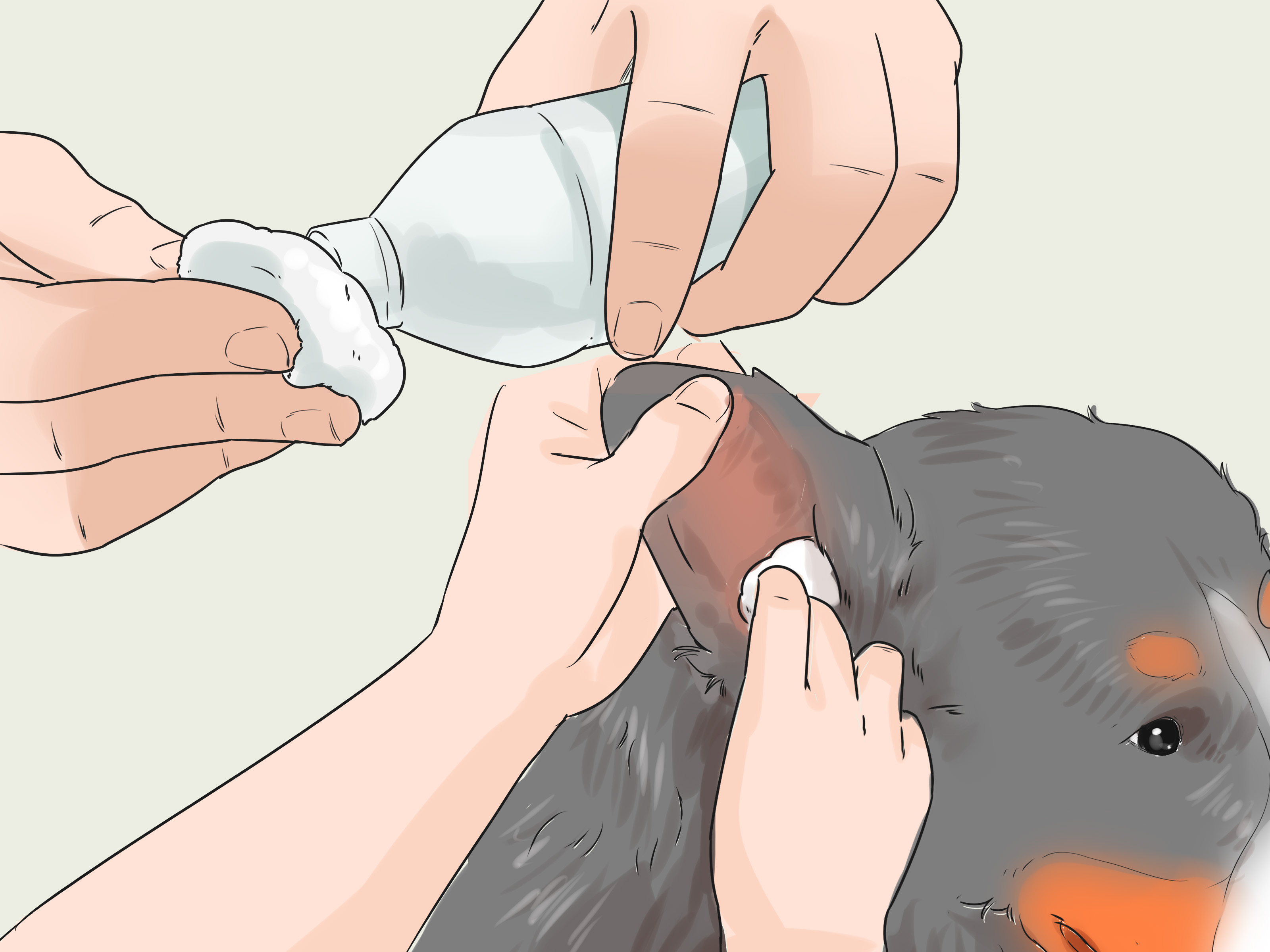
Bernese Mountain Dogs have floppy ears, which means less airflow than upright-eared breeds. Check the ears weekly for redness, odor, discharge, excessive wax, or swelling. Clean only the outer ear with a dog-safe ear cleaner or a vet-approved method. Never push cotton swabs deep into the ear canal.
After baths or swimming, dry the ears gently. Moisture trapped in the ear can create an environment where irritation develops. If your dog shakes their head often, scratches at the ears, or has a strong odor from the ear, schedule a veterinary check instead of trying to solve it with extra cleaning.
For eye care, wipe away minor debris from the corners of the eyes with a soft, damp cloth. Redness, cloudy discharge, squinting, or swelling should be checked by a veterinarian.
Dental Care: The Grooming Step Many Owners Forget
A clean coat is wonderful, but fresh breath is a gift to everyone within sniffing distance. Brush your Berner’s teeth with dog-safe toothpaste. Human toothpaste is not appropriate for dogs. Daily brushing is ideal, but even several times a week can help reduce plaque buildup.
Start slowly. Let your dog taste the toothpaste, then touch the lips, then gradually work up to brushing the outer surfaces of the teeth. Keep sessions short and positive. A Bernese Mountain Dog is strong enough to leave the grooming station if they decide the toothbrush is suspicious, so patience matters.
Managing Seasonal Shedding
Bernese Mountain Dogs shed all year, but many “blow coat” more heavily in spring and fall. During these periods, the undercoat releases in large amounts. You may find fur on the floor, furniture, clothing, and possibly in places where physics says fur should not be able to go.
To manage seasonal shedding, brush daily for short sessions instead of waiting for one exhausting weekend marathon. A ten- to fifteen-minute daily brush-out can be more effective and more comfortable than trying to remove weeks of loose coat at once.
A bath followed by a thorough blow-dry can also help loosen and remove dead undercoat. This is one reason professional grooming is popular during shedding season. Groomers have tubs, dryers, and tools that make the process faster and less messy than attempting the entire operation in a home bathroom.
Common Grooming Mistakes to Avoid
Shaving the Coat
Shaving is one of the biggest mistakes owners make with double-coated breeds. It may seem like a shortcut for heat or shedding, but it can create coat problems and does not address the real issue: dead undercoat that needs to be brushed out.
Bathing Without Brushing First
Bathing a tangled Berner makes mats tighter. Always detangle before water enters the story.
Not Drying Completely
A damp undercoat can lead to odor and skin irritation. If you bathe your dog at home, set aside enough time for complete drying.
Using the Wrong Brush
A surface brush may make the topcoat look neat while leaving loose undercoat packed beneath it. Use tools that reach the undercoat safely.
Ignoring Small Mats
Small mats grow. They collect dirt, tighten near the skin, and become uncomfortable. Deal with tangles early while they are easy to remove.
When to Use a Professional Groomer
You can handle much of a Bernese Mountain Dog’s grooming at home, but professional help is often worth it. A groomer can perform a full bath, blowout, de-shedding treatment, nail trim, paw trim, sanitary trim, and ear cleaning. This is especially helpful if your Berner is blowing coat, has a very thick undercoat, dislikes nail trims, or is too large for your bathtub.
Choose a groomer who understands double-coated breeds and will not shave your dog without a medical or extreme matting reason. Ask what tools they use, how they dry large dogs, whether they hand-dry or kennel-dry, and how they handle nervous dogs. A good groomer will welcome questions and explain the plan clearly.
Grooming a Bernese Mountain Dog Puppy
Puppy grooming is less about removing mountains of hair and more about building trust. Touch the paws, ears, tail, belly, and mouth gently during calm moments. Reward your puppy with praise and treats. Keep sessions short and cheerful.
Introduce brushes gradually. Let the puppy sniff the tool, then brush for a few seconds, then reward. The goal is to teach your Berner that grooming is normal, safe, and maybe even snack-adjacent. This early work pays off later when your adorable puppy becomes a powerful adult dog who weighs as much as a small piece of furniture.
A Simple Weekly Grooming Routine
Here is a realistic weekly grooming plan for a typical adult Bernese Mountain Dog:
- Monday: Quick slicker brush and comb check behind ears and under collar.
- Wednesday: Undercoat rake on body, thighs, and chest; check paws.
- Friday: Full brush-out with slicker, rake, and comb.
- Weekend: Ear check, tooth brushing, nail check, and wipe muddy paws or belly if needed.
During shedding season, add a short daily undercoat session. During muddy weather, keep towels by the door and wipe paws before your Berner redecorates the floors in “earth tone.”
Extra Experience-Based Tips for Grooming a Bernese Mountain Dog
Experience teaches things that a checklist cannot. The first lesson is that Bernese Mountain Dog grooming works best when you treat it as a routine, not an emergency. Waiting until the coat is packed with loose undercoat or the ears are messy turns grooming into a project. Short, predictable sessions are easier on both the dog and the human. A Berner that gets brushed for ten minutes several times a week usually behaves better than one who is suddenly expected to stand still for two hours because guests are coming over.
Another practical tip is to groom after light exercise, not before. A Berner who has had a calm walk is usually more willing to stand or lie quietly. Avoid grooming right after intense play, in hot weather, or when your dog is restless. Set the mood: non-slip mat, tools within reach, treats nearby, and a calm voice. Berners are sensitive dogs. If you act frustrated, they notice. If you act like grooming is a normal team activity, they often settle into it.
For heavy shedding, do not underestimate the power of sectioning the coat. Many owners brush the surface and wonder why fur still floats around the house like tiny black tumbleweeds. Lift the coat with one hand and brush in layers, especially on the sides, chest, and rear. The back of the thighs can hide a shocking amount of loose undercoat. The tail also deserves patience. It looks glamorous, but it can tangle if ignored.
Bath day is easier when you prepare everything before the dog gets wet. Place shampoo, towels, conditioner, ear wipes, and dryer nearby. Once a wet Bernese Mountain Dog decides the bath is over, negotiations become slippery. Use a drain hair catcher if bathing at home. Your plumbing will thank you with quiet dignity.
Drying is where many first-time owners struggle. The coat may feel dry on top while moisture remains underneath. Use your fingers to part the coat and check near the skin. If you smell that damp-dog odor the next day, the coat probably was not fully dry. A pet dryer is a smart investment for many Berner households, especially in humid climates.
It also helps to create “mini grooming moments” throughout the week. Wipe paws after walks. Comb behind the ears while watching TV. Check nails when your dog is relaxed. Lift the lips and touch the teeth for a few seconds before offering a treat. These tiny habits prevent grooming from becoming a dramatic production.
Finally, remember that grooming is not just about appearance. It is one of the best ways to notice changes in your dog’s body. While brushing, you may find a small lump, irritated skin, a tender paw, a hidden burr, a tick, or an ear that smells unusual. Early detection matters. A well-groomed Bernese Mountain Dog is not only beautiful; they are also more comfortable, cleaner, and easier to care for over the long run.
Conclusion
Learning how to groom a Bernese Mountain Dog is really about learning how to care for that magnificent double coat without fighting against it. Brush consistently, bathe thoughtfully, dry thoroughly, trim lightly, and never shave the coat as a routine shortcut. Add regular nail, ear, eye, and dental care, and your Berner will look and feel much better.
Yes, there will be fur. There will be fur on your clothes, your sofa, your car seats, and possibly in your morning coffee if you let your guard down. But with a steady grooming routine, the shedding becomes manageable, the coat stays healthier, and your dog gets the comfort they deserve. Besides, a freshly groomed Bernese Mountain Dog is hard to beat: shiny, fluffy, proud, and ready to lean lovingly against your clean pants.